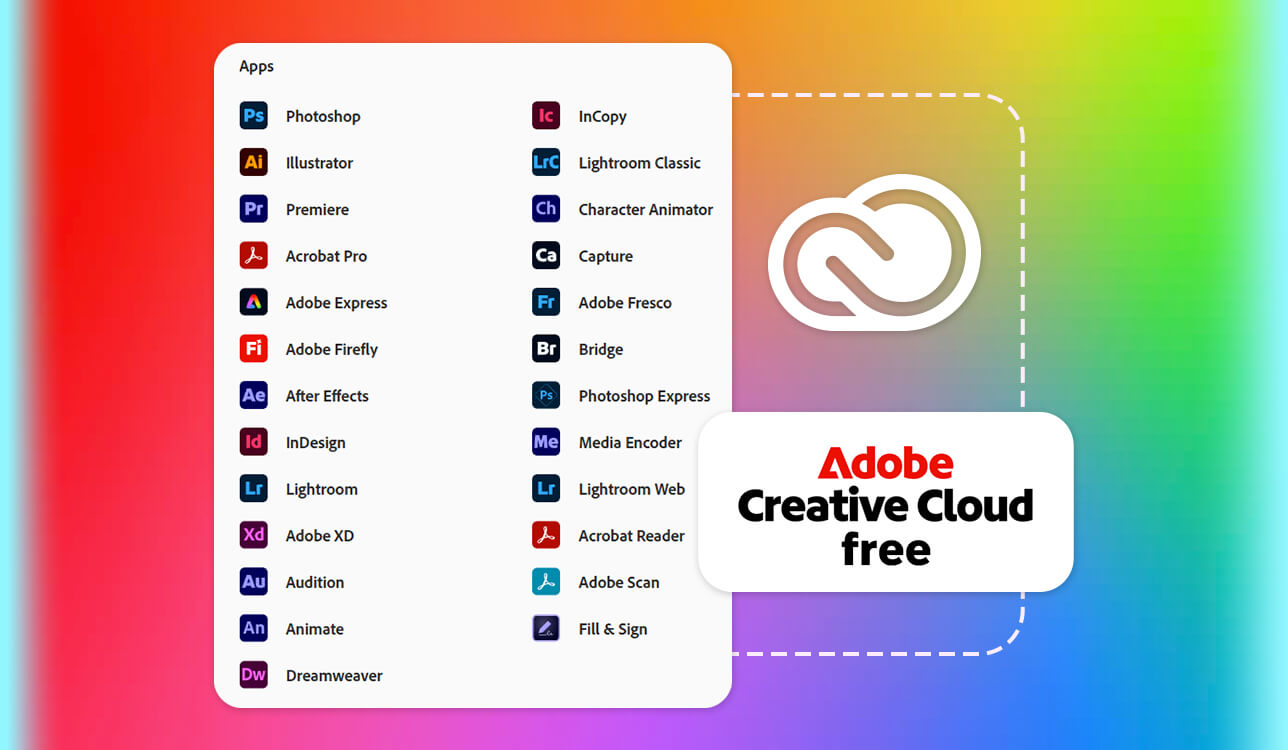
I decided to discover whether I would be able to access Adobe Creative Cloud software for free. This is why I considered the official versions that could be obtained legally and analyzed the main mistakes made by people who are trying to find illegal copies. In this detailed guide, I will share how I tested the tools available in Adobe apps without paying for the subscription, explain how one can use the free trial, and tell you how to buy Adobe software with discounts.
Users can’t use Adobe Creative Cloud for free without any time limitations. The trial period expires seven days after the first launch. However, I believe that it will give you plenty of time to test the main features available in Adobe software. When your Adobe Creative Cloud 7 day free trial expires, you can decide whether you need to pay for access to the full Creative Cloud package.

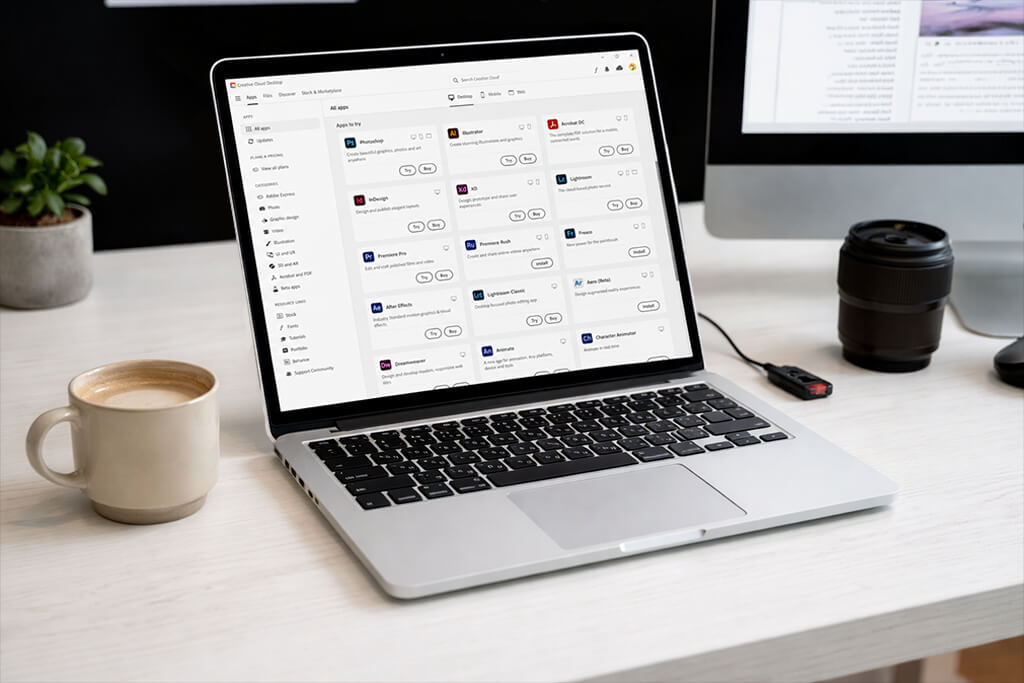
I decided to use the Adobe Creative Cloud Free trial when I wanted to experiment with different tools without paying for a monthly subscription. It allows me to test out its basic creative features, use Adobe Express, test out the functionality of Firefly AI, and decide whether I need to pay for the Creative Cloud subscription.
The functionality of the free version is limited compared to the full Creative Cloud plan. However, it’s still suitable for creating quick designs, making basic edits, mastering new tools, and testing different programs from the package. Here are the main benefits of Adobe’s ecosystem.
|
Creative Cloud area
|
Why it matters
|
|
Firefly AI
|
It is suitable for generating images, video, audio, and creative ideas
|
|
Adobe Express
|
The best choice for creating online designs and using templates
|
|
20+ apps
|
Available in the full Creative Cloud Pro plan
|
|
Adobe Fonts
|
A collection of thousands of professional fonts
|
|
Adobe Stock assets
|
Allows one to expedite their workflows using ready-made visuals
|
|
tutorials
|
Suitable for beginners who want to master Adobe tools
|
I like the Adobe Creative Cloud Free version, as it includes many practical tools that can be used by novices, social media content creators, small businesses, and any person who wants to test out the apps included in the package without paying a dime.
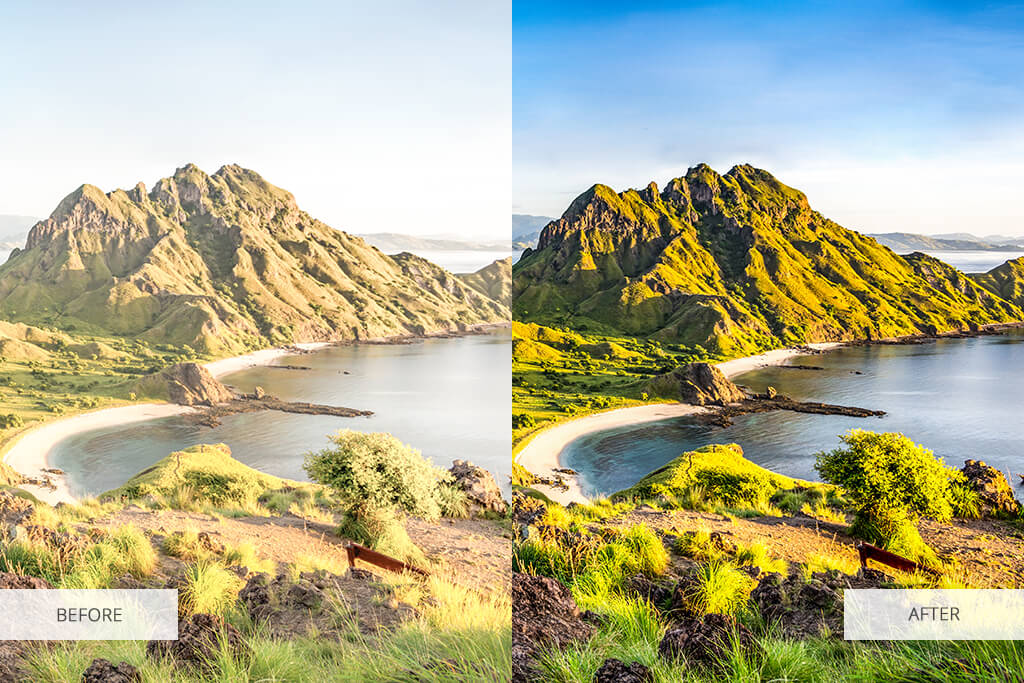
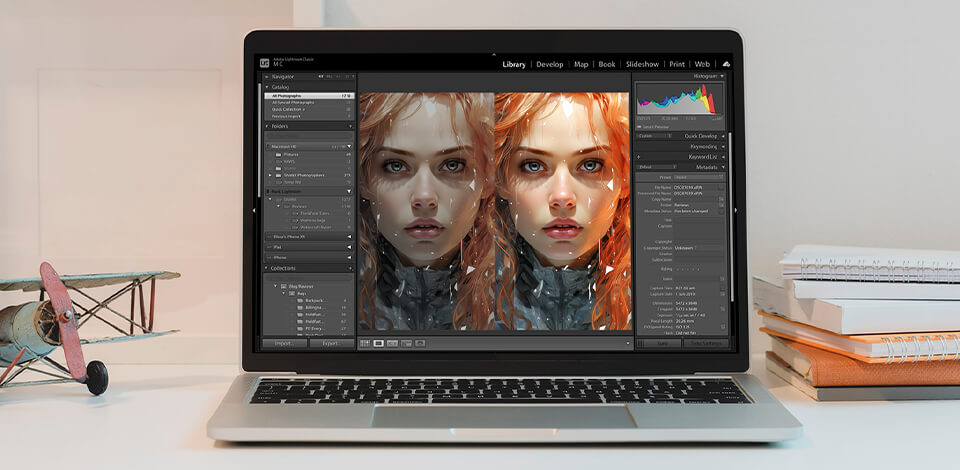
As I often need to edit images, I decided to test the apps included in the Adobe Creative Cloud package, as it includes the tools I wanted to use first, namely Photoshop and Lightroom. Photoshop is my top choice for situations when I need to achieve better control over the output. It allows me to delete objects, fix details, retouch portraits, replace backgrounds, or create complex visuals using layers.
Lightroom is better suited for the situations when I need to tweak colors and improve the style of my photos. It allows me to use bold presets, change exposure, fix contrast, edit shadows, and achieve consistency when editing my images. As I often need to use both programs, I decided to give Creative Cloud a try. I use Photoshop for advanced edits, while Lightroom is my top choice for quick tasks and giving my photos a polished feel.
What I would use it for:
I was impressed by the fact that these programs are suitable for both quick edits and professional retouching tasks. I use Lightroom when I need to give my photos a finished look. Photoshop is my favorite solution for in-depth editing, as it allows me to control the output better.

Visit the official website, provide the required data in your user account, and pay for the subscription to access the full versions of the apps included in the package.
Yes, you can switch to another plan even after you started using your subscription. Get in touch with technical support, indicate the reason for changing your plan, and wait for the instructions with the steps you need to follow.
Your desktop computer or laptop should meet the minimum system requirements. If your computer meets the criteria but the apps do not launch, check whether there is any malware installed on your device and clean your PC of it. Then, reinstall CC apps or the Adobe Creative Cloud Pro free trial. If the problem persists, get in touch with the technical support team.
“I typically check the system requirements and try reinstalling the software first. However, if it’s still impossible for you to launch the app you need to use, I recommend contacting support.”

Yes, if you are a student or teach at a recognized educational institution, you will be eligible to get a 60% Photoshpop student discount when paying for Adobe Creative Cloud plans.
Subscribers can access 20+ powerful apps, including Photoshop, Illustrator, and Adobe XD. Besides, you will get access to detailed tutorials, 100GB of cloud storage, a personal portfolio website, and a collection of premium fonts.
When I decided to check whether it is possible to install Adobe apps separately or get access to download Adobe Creative Cloud free of charge, I discovered that many platforms have links to pirated torrent resources. When I see such links, I avoid clicking them, knowing that they may lead me to sites that compromise my personal data and computer. Below, I have described the main issues a person may face if they try using unlicensed free Adobe software.
Creative Cloud is a large ecosystem that comprises many components besides the platform that you can access from your PC. It’s connected to Adobe servers, which allows users to access cloud storage, download updates, perform synchronization, and use additional tools. It means that the Adobe Creative Cloud free download versions available on third-party platforms lack such functionality.
Those who install them can’t access cloud storage or benefit from the synchronization between Adobe apps. This is why I prefer to use the official Lightroom trial or install the trial versions of other Adobe software available on the official website.
Bugs affecting an app’s performance

When I decided to learn more about the common issues associated with a Creative Cloud free hack, I noticed that many people complained about lags or bugs. Unlicensed versions have been changed by hackers, which means that they won’t deliver the same performance as the original versions.
If you don’t have a free Adobe Creative Cloud account, such programs may often crash, freeze, or fail. As I use only legal software, I prefer to buy Adobe Illustrator and other official versions of the programs I need from the official Creative Cloud website.
“I would never use a cracked Illustrator because the official version is legal, safe, and delivers a consistent performance. It allows me to access updated tools without compromising my files or computer.”

Every fall, many companies release updated versions of their products. This is why people want the most recent iOS version to access the newest iPhone features. However, hacked programs are never updated. The pirated versions of Creative Cloud won’t allow you to download the upgraded tools, as Adobe does not recognize their serial numbers as valid. Those who download such apps won’t get access to new tools, feature updates, and special deals.
When using a pirated version, it’s impossible to access technical support. I like using the official Adobe software, as I know that I can get in touch with support if I face any issues. The CS team can help me fix problems during installation, solve billing issues, or explain how to use certain tools.
However, after installing Adobe Portfolio free of charge or downloading Photoshop, Illustrator, or any other software from a torrent, you won’t be able to access the technical support team. If a program crashes, I would need to solve such issues without any help.
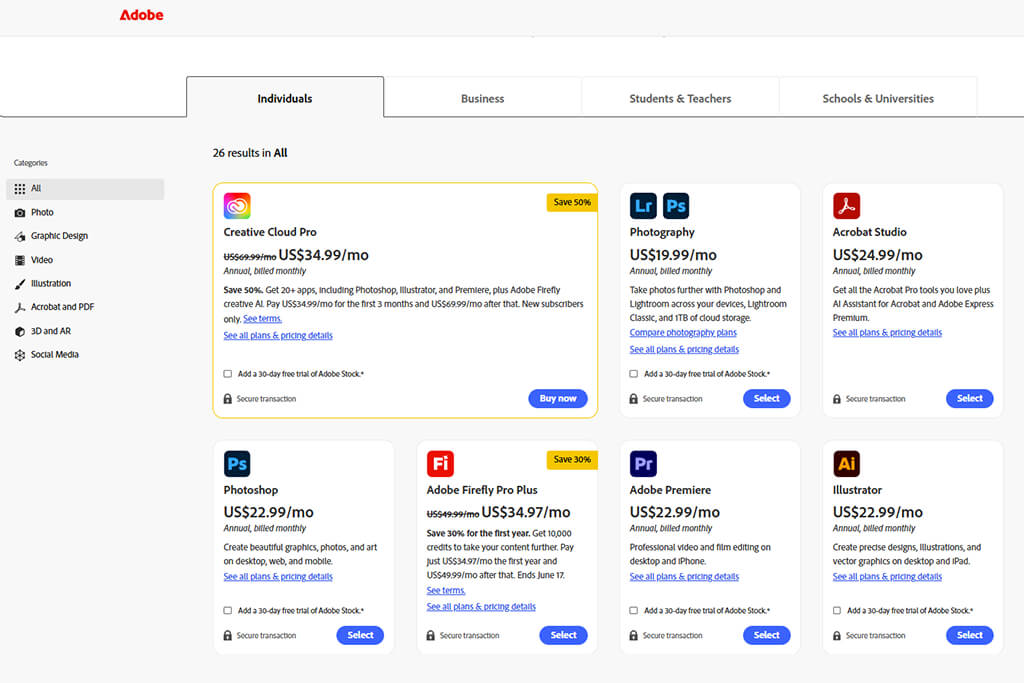
Adobe Creative Cloud pricing varies depending on who is paying for a subscription and how many apps are included in a package. When I compared the available packages, I discovered that Adobe offers subscriptions to different categories of users, including individual users, students and teachers, and business teams. One should consider which type of account they need to create to understand how much they are going to pay.
For instance, I realized that I could benefit from using the Single App plan only if I am going to use only one solution, such as Photoshop, Illustrator, or Premiere. However, I discovered that the Creative Cloud Pro plan offers a better value for money, as it allows me to access 20+ apps and Firefly creative AI tools. It makes it perfect for my needs, as it allows me to edit photos, create graphic designs, produce polished videos, generate AI content, and collaborate with other members of my team thanks to the integration of the included apps with the cloud.
|
Plan
|
Price
|
Best for
|
What’s included
|
|
Single App
|
from US$22.99/mo
|
one main Adobe app
|
1 app, 25 AI credits, fonts, templates, 100GB storage
|
|
Creative Cloud Pro
|
US$34.99/mo for first 3 months, then US$69.99/mo
|
professional creative workflow
|
20+ apps, Firefly AI, 4,000 AI credits, Express Premium, Frame.io
|
|
Creative Cloud Pro for students and teachers
|
US$19.99/mo first year, then US$39.99/mo
|
eligible education users
|
20+ apps, Firefly AI, 4,000 AI credits, fonts, templates
|
|
Business Single App
|
from US$37.99/mo per license
|
teams that need one app
|
1 app, Express Premium, 1TB storage, admin tools, support
|
|
Business Creative Cloud Pro
|
US$99.99/mo per license
|
creative teams and companies
|
20+ apps, Firefly AI, 4,000 AI credits, admin tools, integrations
|
I was a bit disappointed to discover that the Adobe Creative Cloud Free version is different from these free plans. While it may come in handy for those who want to test Adobe tools, it does not have such advanced functionality as the desktop versions. Besides, users must pay for the premium version to get AI credits, access advanced tools, and use business features.
I believe that the Single App plan is the best choice for personal use, especially if one needs to use only one software. However, Creative Cloud Pro is clearly the best choice for professional workflows because it allows one to edit photos, create designs, produce videos, use AI tools, and create content quickly.
I consider Creative Cloud an all-in-one solution, as it’s impossible to find another app suite that can compare with it in terms of functionality. However, I see that companies like ACDSee and Affinity Photo upgrade their products to ensure that they are suitable for a wider range of creative tasks.
Even though those alternatives do not allow one to access a variety of apps comparable to the Adobe Creative Cloud free plan apps, they come with powerful sets of image editing, design, and retouching tools that can typically be found in paid Adobe software.

ACDSee is a well-established company that released software I often use to organize my collections of photos, view pictures, edit videos, and enhance RAW images. Its editing apps have versions for different OS and have handy file management tools.
The best thing about this software is that it comes with pro-grade correction tools, has the UI that is easy to customize, and has additional plugins. It helped me streamline my workflow when I needed to change my workspace to perform various types of tasks faster, including RAW editing, image sorting, or quick edits.
I was especially glad to discover its advanced video editor. Besides regular video editing features, it has other handy tools as well. It allows me to record video from the screen, which allows me to produce tutorials, walkthroughs, or explanation videos quickly.

Affinity Photo is one of my favorite solutions for editing photos when I need to access powerful tools for creative tasks without paying for the Adobe subscription. This platform allows users to access Affinity Photo, Affinity Designer, and Affinity Publisher. Each solution is suitable for a specific task, from editing photos to creating vector designs and layouts.
I was especially pleased with the payment model. This app is available as a one-time purchase. It makes it unnecessary to pay for a monthly Creative Cloud subscription, as I can buy a licensed version once. It’s perfect for situations when I need to access pro-grade tools but do not want to pay too much.

Pixlr Editor has an easy-to-navigate workspace with a layout and tools that are similar to those you can find in Photoshop. I often use it when I need to retouch my images from a browser. I do not need to install any software on my computer, as I can adjust sharpness, remove blur, minimize noise, and use masks, levels, and curves with ease to perform basic edits from my browser.
This service allows me to access a variety of brushes, fills, stamps, selection tools, healing tools, art filters, and automated features. Pixlr is perfect for editing photos quickly, enhancing photos before publishing them on social media, and performing basic photo corrections. You can use it after the trial period for using Adobe Creative Cloud free apps expires to perform simple photo editing tasks.

RawTherapee is a powerful open-source app that can be accessed from different OS. I typically use it when I need to edit RAW photos without using the paid version of Lightroom. When I started to use it, I was pleased to discover that it comes with an impressive set of editing features, supports multithreading, and allows me to fix distortion issues, tweak colors, recover details, and enhance RAE images with ease.
The key advantage of RawTherapee is that it supports batch photo processing. When I need to edit many photos taken during one photoshoot, I apply the same edits to a batch. Due to this, I do not need to edit every photo manually. I consider this solution one of the best Lightroom alternatives for photographers who are looking for practical tools for editing RAW files.

Inkscape stands out among other free Adobe Illustrator alternatives for its handy tools that allow users to design or edit vector graphics. I often need it when I need to create scalable elements. There is no need to pay for a subscription to use it. I was impressed with its toolbox, as it allows me to edit SVG files at an advanced level, perform object manipulation, and use a variety of practical and creative filters.
I was especially pleased with grid gradients, interactive pencil line smoothing, and contour effects. These features helped me give my designs a professional feel. Besides, I was impressed by the fact that Inkscape could be used as an Illustrator plugin. It allows me to use it together with other Adobe solutions that have long become a part of my daily workflow.

DaVinci Resolve is a pro-grade video editing software that I normally use when I need to perform advanced editing tasks, in-depth color correction, and audio adjustment. When I started using this software, I was immediately impressed by the fact that it was suitable for complex video editing tasks. It allows me to edit long videos, films, and TV content while paying attention to each detail.
I was especially pleased with the intuitive functionality of its color grading tools. With it, I could use curve editors, primary color heels, and face recognition tracking to tweak skin tones and edit eyes and lips with high accuracy. When it comes to certain video editing workflows, DaVinci Resolve can be the perfect replacement for Adobe Premiere versions.

If you are looking for a table alternative to popular After Effects versions that has versions for different platforms, I highly recommend Blender. I use it whenever I am tasked with creating animated graphics and 3D visual effects. When I started to use it, I was impressed by the fact that it comes with a set of texturing, particle modeling, compositing, and scene building tools that allow me to achieve a realistic effect.
After testing Blender, I concluded that it may come in handy not only for novices to want to try creating motion graphics, but also for professional creators who work on projects with 3D elements. Even though it cannot fully replace After Effects, it’s suitable for dealing with many creative tasks that require one to use animation tools, apply visual effects, and use 3D elements.
When I paid for the subscription to Adobe Creative Cloud, I discovered that I can also use additional free plug-ins that can help me expedite my workflow. I use a variety of handy Photoshop brushes, Lightroom presets, and Premiere Pro LUTs to expedite my workflow. It allows me to get professional-quality results and spend less time on post-processing.
What strikes me about these tools is that you can download most of them and test Adobe Creative Cloud apps free of charge. I test these brushes, presets, and LUTs to understand whether they are suitable for my photo editing workflow.


You can apply this free Lightroom preset if you want to make your portraits clear and improve the skin tones naturally. This pastel effect is a must for those who need to enhance photos taken in challenging lighting conditions. It can fully transform the atmosphere in your photos by making it warmer. Using this preset, you can edit a batch of wedding photos. It will give your event photos a consistent pastel effect.


This filter will help you add film grain to your photos. The effect will be especially noticeable in the shadowed areas of your photos. This preset is the best option for those who want to enhance their portraits or close-up photos.
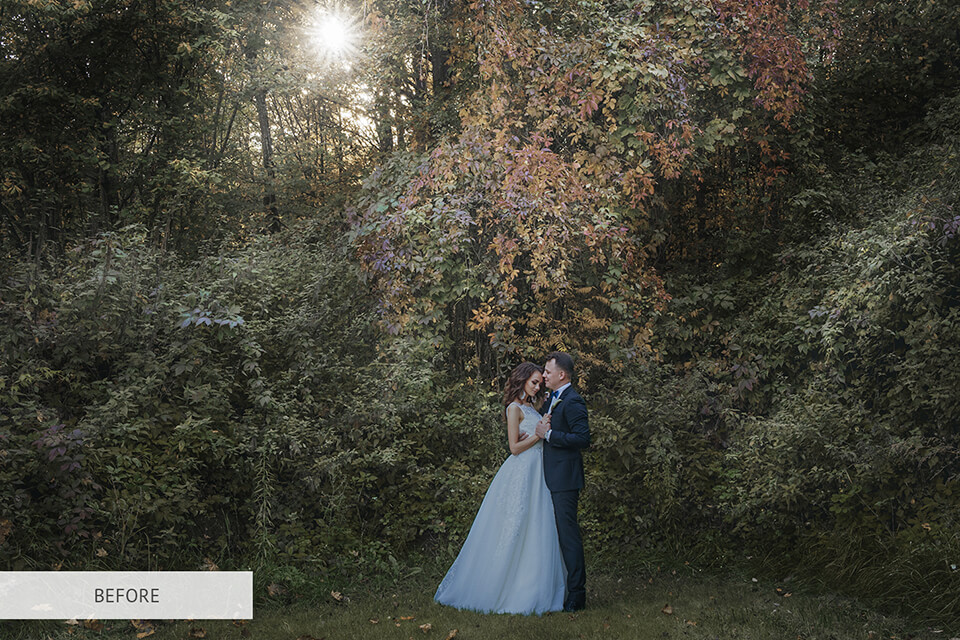
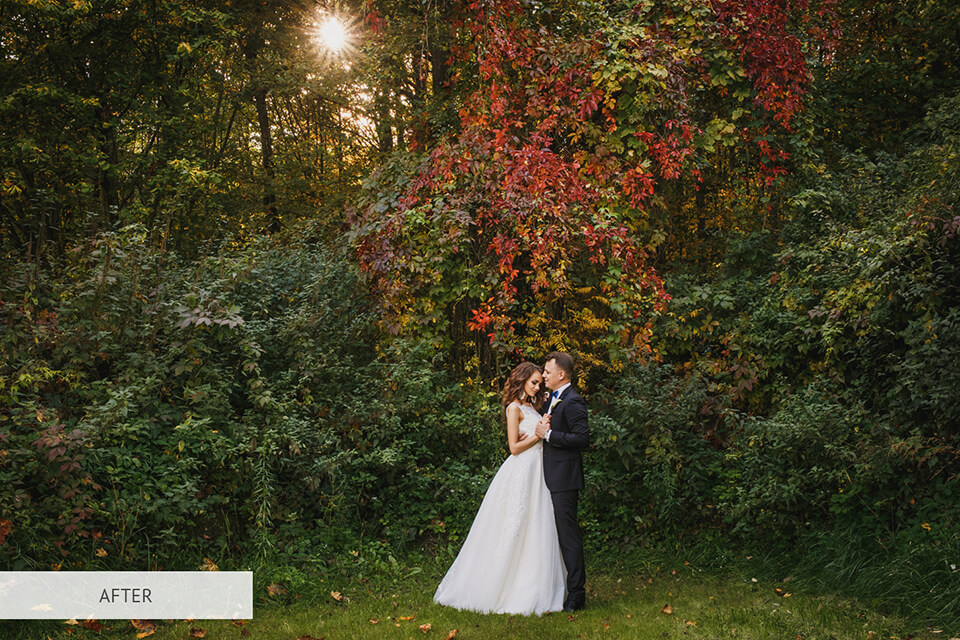
Wedding photography is all about capturing photos with light hues. However, such tones often look extremely bright or have noticeable blue shades. This wedding action will help you give a soft feel to your photos. As a result, the colors will look warmer, and you may even achieve a light burning effect.
.jpg)
.jpg)
This action will come in handy for those who like using film-imitating effects. It will allow you to add a nostalgic feel to your photos. This film filter will be especially useful for enhancing lifestyle photos. It allows one to significantly improve the quality of their photos, without distracting a viewer from the scene and details. By applying this action, you can make your photos look like scenes from a movie.
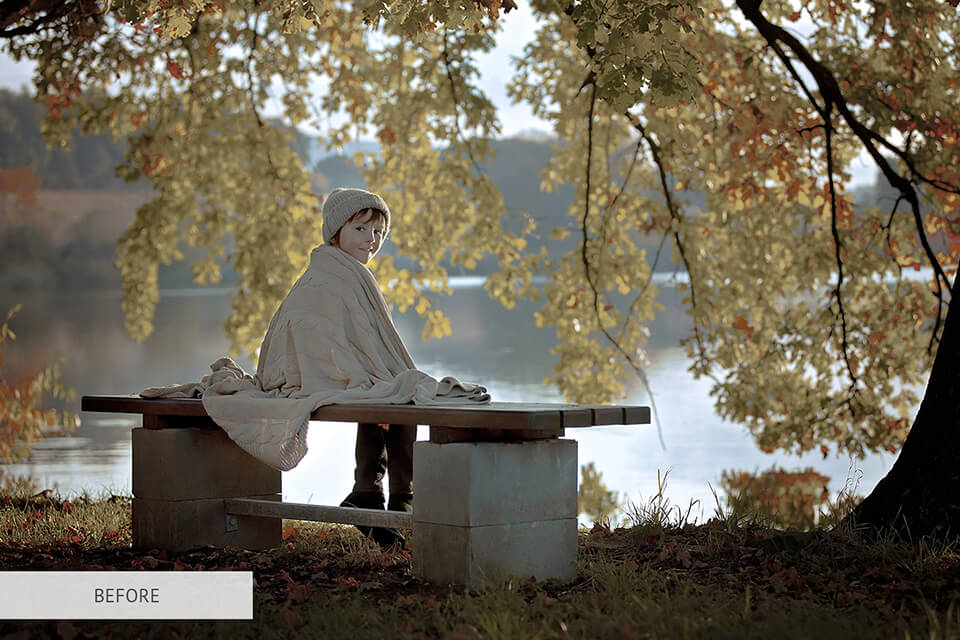
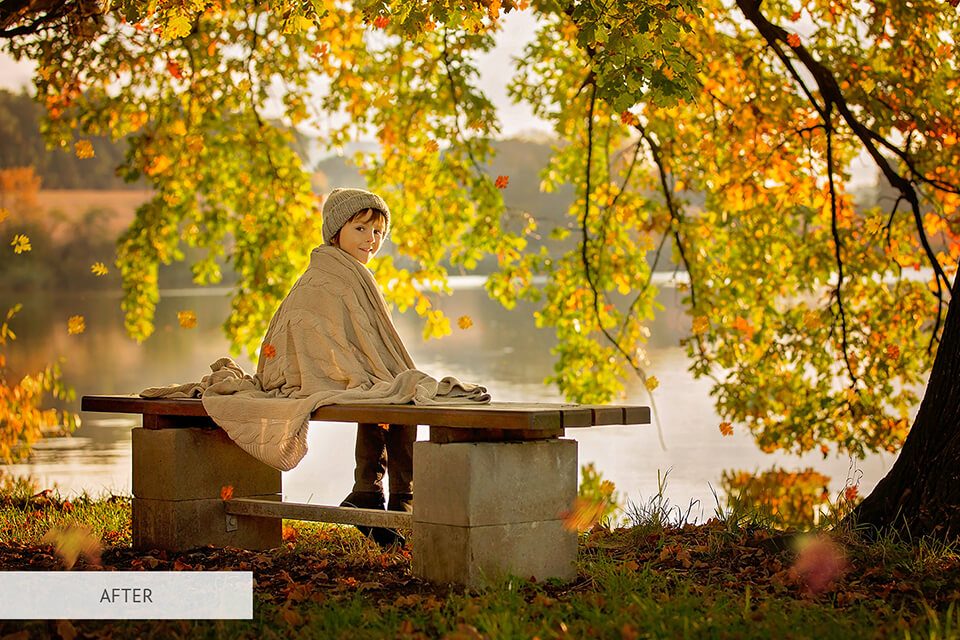
In some situations, it might be challenging to capture falling leaves when taking portrait photos or pictures in other genres. Using this overlay, you can apply natural-looking red leaves to your pictures to make them look as if they were taken in autumn.

If you aren’t sure about whether you want to pay for a subscription, you can download and test out the Adobe Creative Cloud Free Trial. It will allow you to assess the functionality of Creative Cloud and discover whether the app included in the package can become a part of your workflow.