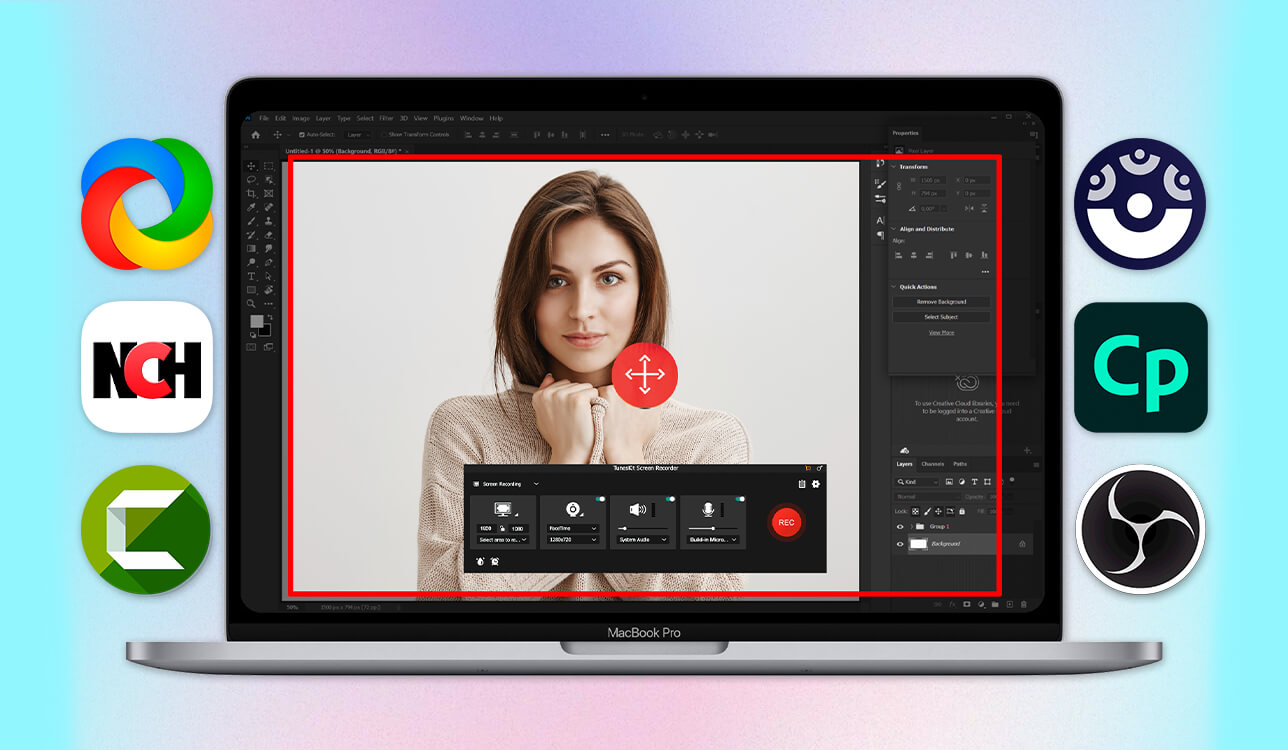
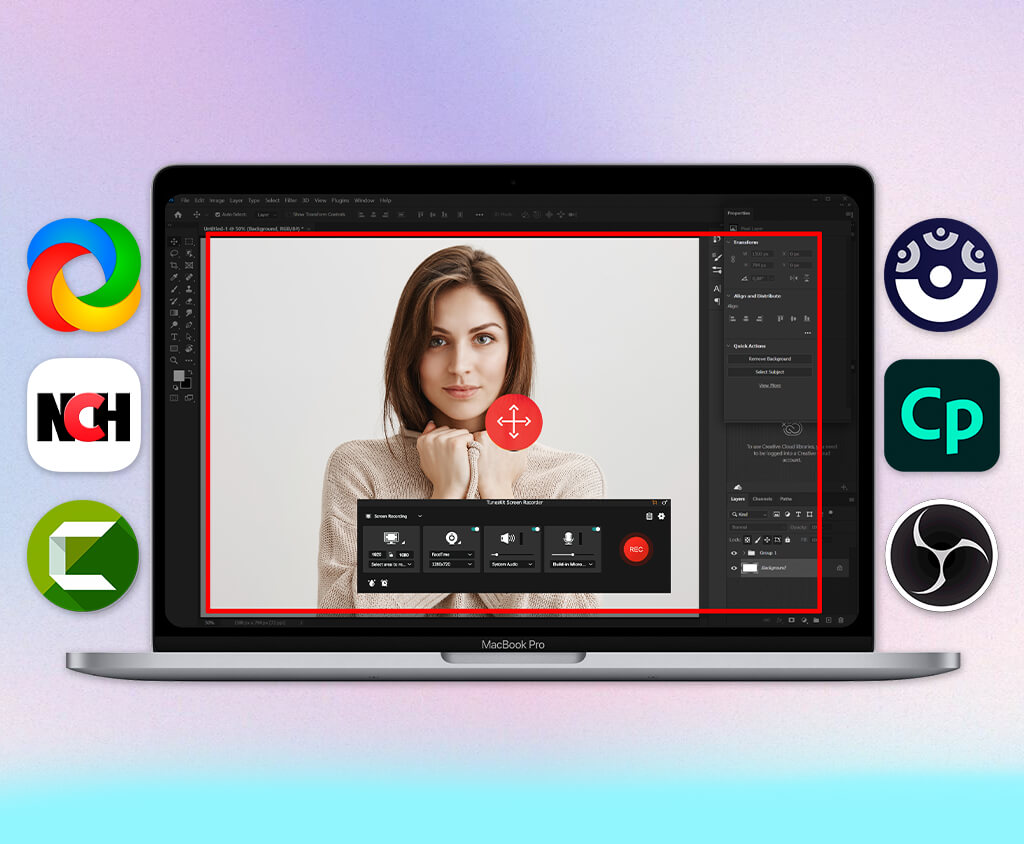
Free screen recorders have improved a lot lately, giving you everything you need to make tutorials, record games, or show how something works - all without paying for pricey software. Many of them now offer HD video, sound recording, webcam support, and simple editing features, which is plenty for most creators. The tricky part is choosing one that runs well, looks good, and doesn’t add annoying watermarks or limit how long you can record.
When I began creating a set of photo-editing tutorials, I needed a screen recorder that could show my editing steps clearly and without slowing down. I didn’t need anything advanced, and since our FixThePhoto team was already spending money on lighting and editing gear, I chose to look only at free options. To make sure my opinion wasn’t based just on my own computer, I asked a few coworkers to try the same programs on their devices and tell me what they thought.
It’s common to think that free screen recorders are full of problems - watermarks, slow performance, or not enough features. But while testing these tools, I realized that it isn’t always true. Some free recorders are surprisingly good and can even match paid programs if you choose the right ones.
The main variation usually comes from how the creators make money from the software. A lot of free screen recorders follow a “freemium” model - they let you use core features like recording your whole screen, capturing audio from your mic, and saving videos in MP4 or MOV at no cost, while keeping extras such as advanced editing tools or branded exports for paid tiers. Since I only needed smooth, clear recordings for my tutorials, the standard free features were completely sufficient.
Another idea people often believe is that free screen recorders use too many system resources or crash easily. That may have been true years ago, but most newer programs are built to work smoothly even on average laptops. They offer things like hardware acceleration, custom frame rates, and synced audio, which help keep the video clear without losing frames. In my tests, several apps recorded for long periods without overheating or locking up - something I didn’t expect from free tools.
What I didn’t expect was that some of these apps offer handy bonus features, such as adding your webcam to the video, drawing on the screen, and reducing background noise. These tools make the recorders not just workable but truly useful for content creators, teachers, and even professionals who only need to record their screen once in a while. So yes - free screen recorders can be very good. You just have to know which ones are worth trying, and that’s what I set out to figure out.
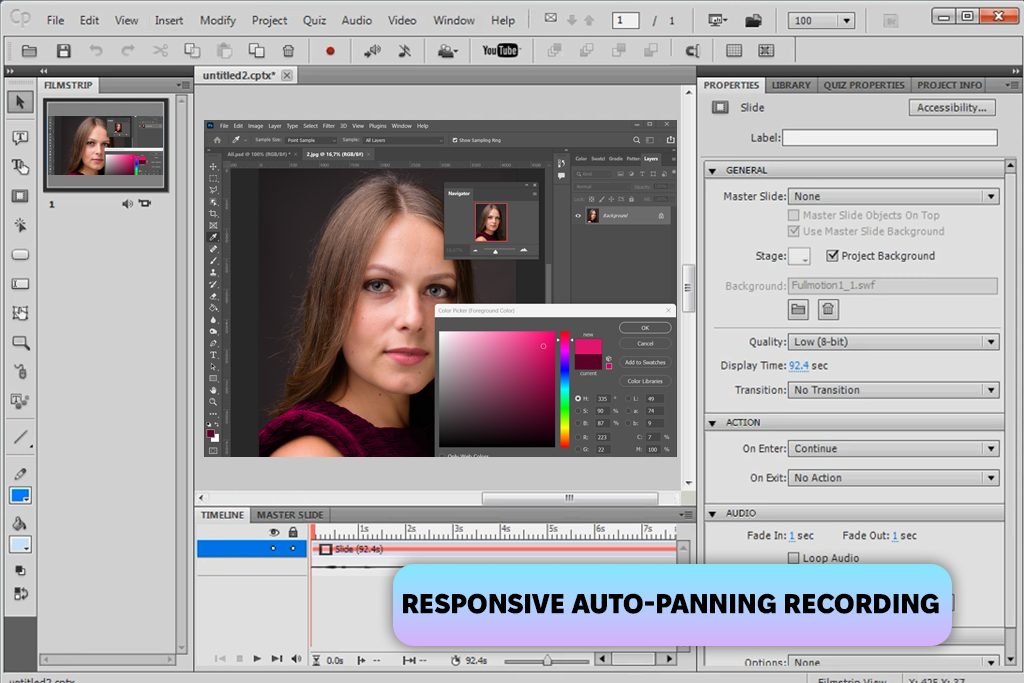
I’ve used Adobe tools for a long time, and they’ve always worked well for me - and Adobe Captivate was no different. For my tutorial series, I needed to record my screen along with my voice as I explained each retouching step in Photoshop. Captivate managed everything smoothly. It recognized the important parts of the screen on its own, zoomed in at the right times, and created a video that looked great on both computers and phones.
The best feature of this screen capture software was the Smart Full-Motion Recording feature. It smoothly captured every click and keyboard shortcut I used without any lag. I also liked the tutorial tools, which let me add pop-up notes and questions. This was perfect for pointing out important editing steps to anyone watching. I was surprised that a simple recorder could be so precise and helpful.
After recording, I could easily cut out extra parts, add smooth transitions, and save the video in different ways. The video was high quality, but the file was still small. While the app isn't free, the one-month trial (much more than in Adobe Captivate alternatives was perfect for my project. If I do more training videos like this, I will gladly pay for the full version - it's that useful.
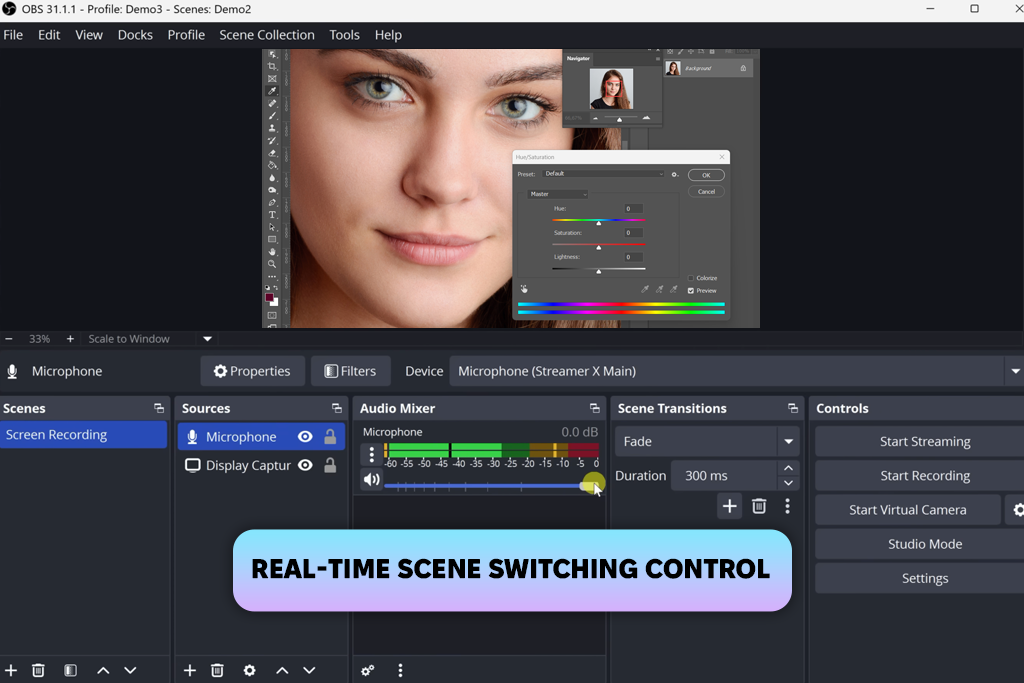
I was honestly amazed to find out that OBS Studio - a full HD screen recorder - doesn’t cost anything at all. I tested it by recording an entire retouching session in Photoshop, moving between layers and tools while explaining what I was doing. OBS ran perfectly the whole time: the video looked sharp, the switches were smooth, and it stayed stable even during long recordings. It really feels like a professional-level recorder, not just a free program.
In the beginning, the layout felt a little overwhelming with all the scenes, sources, and filters, but after experimenting for a bit, it made sense. Once I learned how to connect my screen, mic, and webcam, the whole process became easy. What impressed me most was how much you can customize - I was able to add text, include a small logo, and even switch between my webcam view and screen view instantly. This made my tutorial look much more engaging and polished than I ever expected from free software.
The only small hiccup was recording the computer’s internal sound - I had to install an additional plugin and spend a moment setting it up. Even so, the final outcome made it worthwhile: the audio matched the video perfectly, and the quality stayed strong the whole way through. OBS Studio is truly one of the strongest free recording tools available, especially for anyone who wants to combine tutorials, face-cam commentary, or even live streaming.
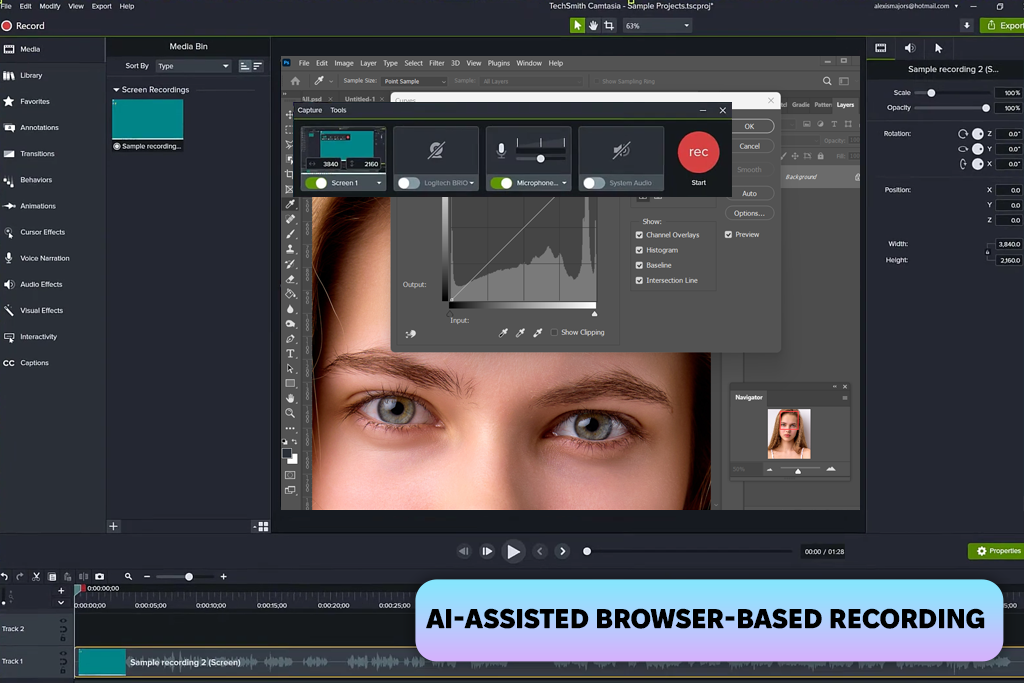
What stood out to me right away about Camtasia was how it uses AI during screen recording. I made a short retouching tutorial with both screen capture and my webcam, and the AI automatically centered the important part of the screen while keeping the lighting even. The five-minute limit per scene was a downside, but it was still enough for quick tutorial clips.
What I liked most about this screen recorder was that I could combine several clips and edit them right in the browser. I cut out quiet parts, changed the layout, and even asked a coworker to check the project and make a few adjustments - the teamwork feature worked perfectly. The website is clean and quick to use, and because it’s fully online, you don’t have to install any large programs. Exporting the video was easy, and the final file still looked clear after compression. It’s one of the simplest free recorders I’ve tried, especially for training videos or group projects.
Of course, the free version has some limits. You can't change the cursor size or access advanced noise removal, and you can only record for five minutes at a time. This makes it too short for long videos. But for quick projects like short lessons, product demos, or simple tutorials, it's a great and clever choice. Since the AI tools are so helpful, I would definitely consider upgrading to the full version of Camtasia if I needed a more powerful AI video editor or wanted to make longer recordings.
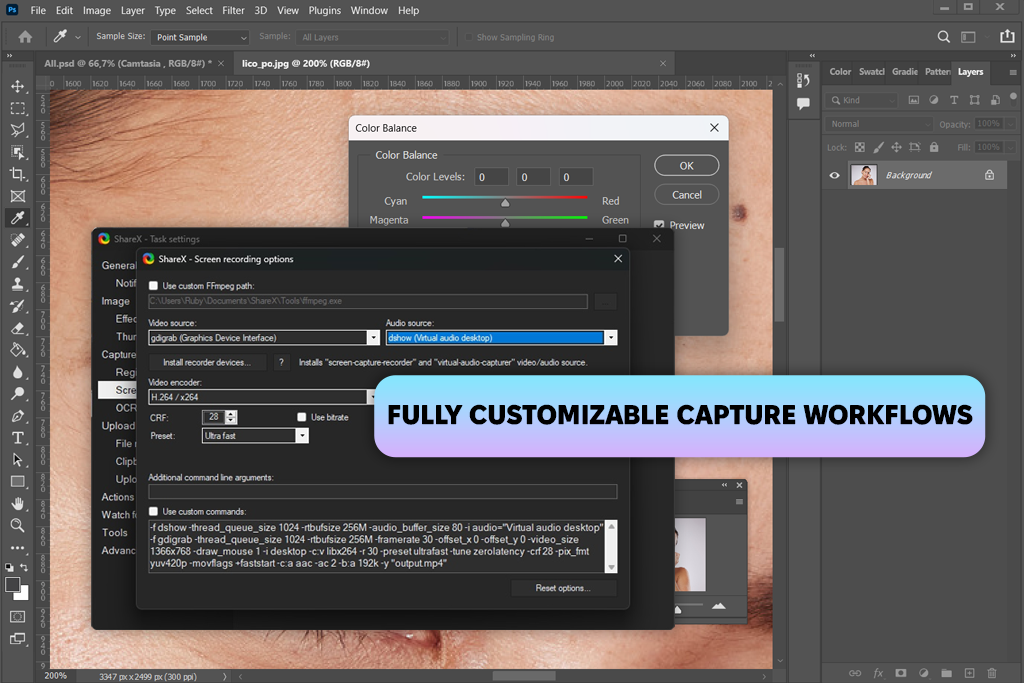
ShareX is another open-source screen recorder that I tested, and it ended up being much more powerful than I imagined. I used it to capture a Photoshop retouching demo, and I appreciated how much I could adjust - from the frame rate and recording area to shortcuts and export formats. The recording began right away, and the video looked sharp with zero delays or glitches. It really feels like a “secret standout” tool you don’t realize is great until you actually use it.
One thing I came to really like was how easily ShareX manages both screenshots and screen recordings without switching tools. When I needed images for thumbnails, I could capture and mark them up right inside the app. Its automation features were another pleasant surprise - I created a setup that automatically saved, compressed, and renamed every recording, which ended up saving me a lot of time while working on the tutorial series.
Still, I can understand why newcomers might feel overwhelmed at first. There are many options and panels, and it takes a moment to get comfortable with everything. But after I figured it out, it turned into one of the most dependable apps for steady HD screen recording. It runs quickly, doesn’t use many resources, and is a great choice if you value customization more than a stylish interface.
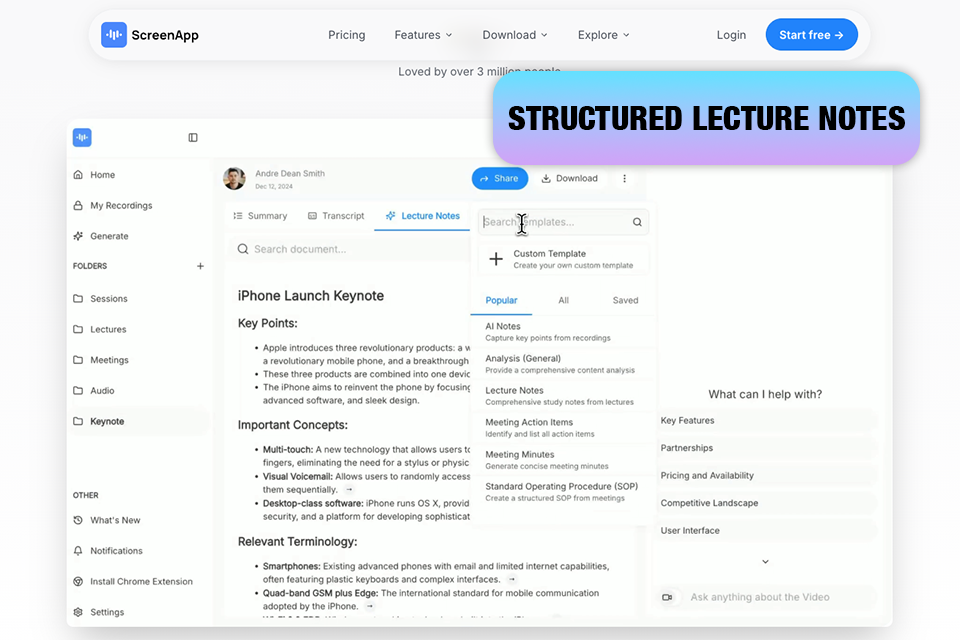
I experimented with ScreenApp, a free program that offers a plethora of practical functions beyond the fundamentals, particularly one-click recording in the browser without the need for installations. With regard to various recording requirements, you have a great deal of flexibility in capturing the entire screen, a window, a tab, or almost anything.
Additionally, I found it easy to record brief tutorials, client feedback walkthroughs, and photo-editing demonstrations without worrying about setup time or watermarks. The browser-based workflow is ideal for fast-paced creative work since it makes it simple to record, download, and share clips quickly.
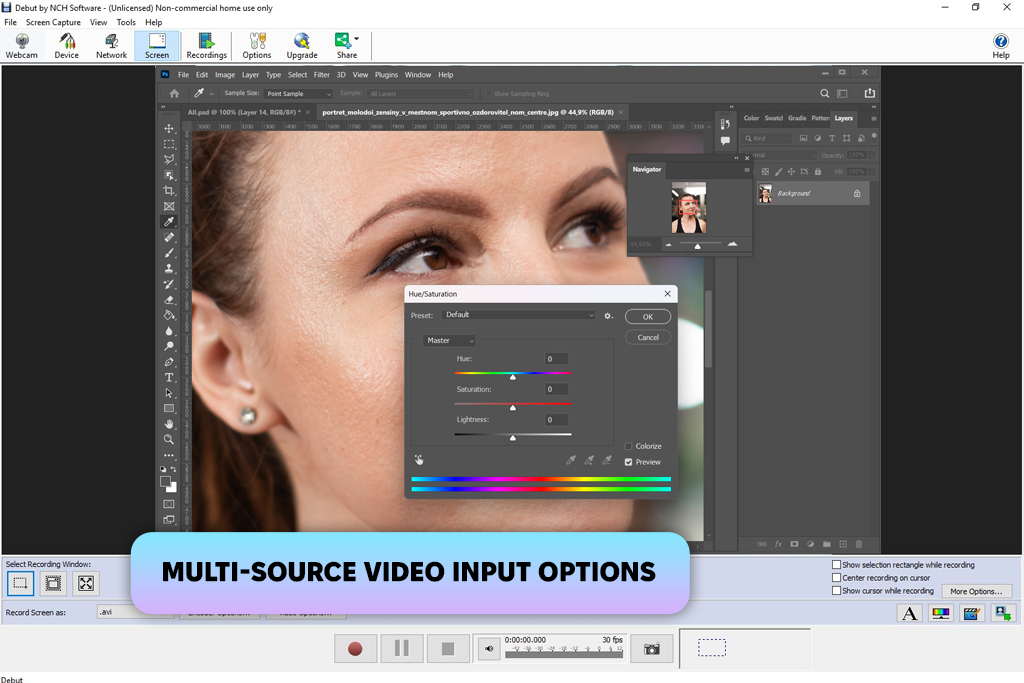
Debut Video Capture was one of the first tools I ever used when I began learning about screen recording. Trying it again reminded me why it’s still a solid option: it’s dependable, flexible, and supports recording from your screen as well as devices like webcams or capture cards. For my quick Photoshop retouching demonstration, it managed full-HD recording without any issues, and I liked being able to adjust the frame rate, resolution, and sound settings ahead of time.
Recording on Windows worked perfectly - I was able to move between my screen view and webcam without any trouble. But when I tried it on a Mac, the experience wasn’t as good. No matter which settings I changed, the program couldn’t record system sound, which was frustrating since the video itself looked great. Even so, once my settings were in place, the recording workflow felt easy to follow, and I appreciated how Debut showed all the recording details live as I worked.
Although the free version doesn’t offer editing features, it’s still a reliable screen recorder for low-end PC. The interface looks a bit old-fashioned, but for software that has been around for years, it still works surprisingly well. It’s a good pick for anyone who wants a simple recorder with plenty of control over the settings.
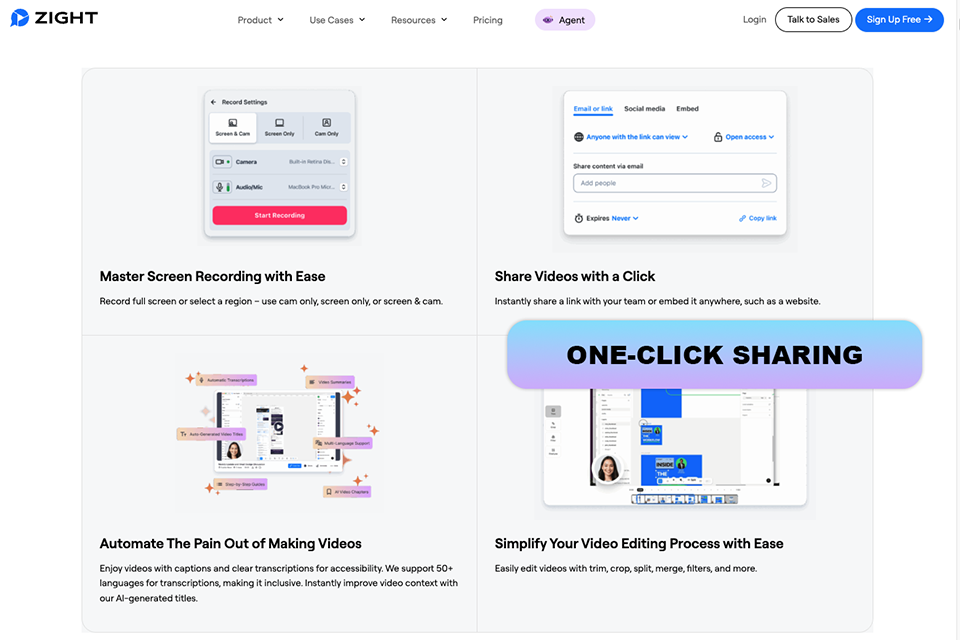
It was very easy to get started with Zight, and it soon became my go-to tool for recording training, feedback, and brief explanations without having to schedule calls. I can record my screen, annotate it, make short modifications, and share the finished product instantaneously via a link, saving a ton of time. It's a free screen recording program that meets all of my needs in one location.
The workflow's apparent flexibility caught my attention. I can switch between desktop, Chrome, and iOS depending on what I’m working on, and everything stays consistent. The movies appear more professional without requiring additional work because to AI features like captions, transcriptions, and automatically generated titles.
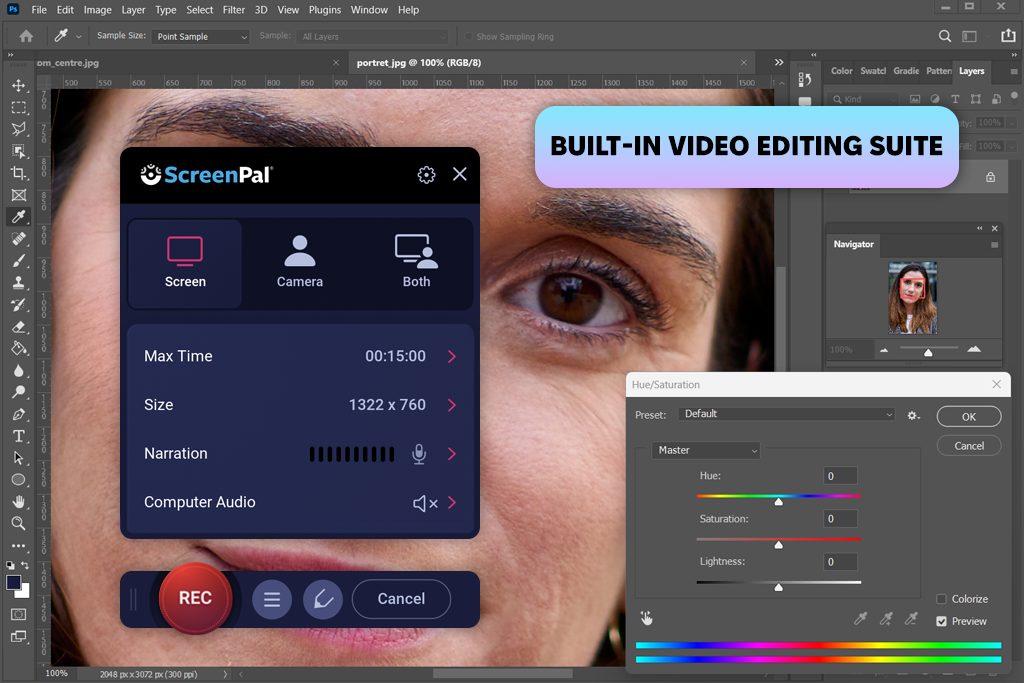
What immediately caught my attention with ScreenPal was its editing features - far more advanced than I expected from a free screen capture software. After capturing a quick portrait-retouching session in Photoshop, I opened the built-in editor and was genuinely surprised. I could cut out parts, add transitions, fix the audio, and place overlays or callouts right onto the footage. It felt more like using a small video-editing program than just a recorder, which made finishing my tutorial much simpler and quicker.
The actual recording process was just as easy to work with. I appreciated the clean, straightforward layout - only a few buttons, yet all the important options are right where you need them. I captured my screen and webcam at the same time and used the live callout feature to point out certain brush settings while editing.
The video quality stayed stable from start to finish, and my voice sounded clear without any extra adjustments. For quick how-to videos or creative walkthroughs, it’s really helpful to have both recording and editing tools built into the same program.
The main downsides are the time limit, the ScreenPal logo at the end of free videos, and the inability to record your computer's sound. But on the plus side, you don't have to pay anything. For creators who need to quickly record, edit, and share a video, it's still a great choice.
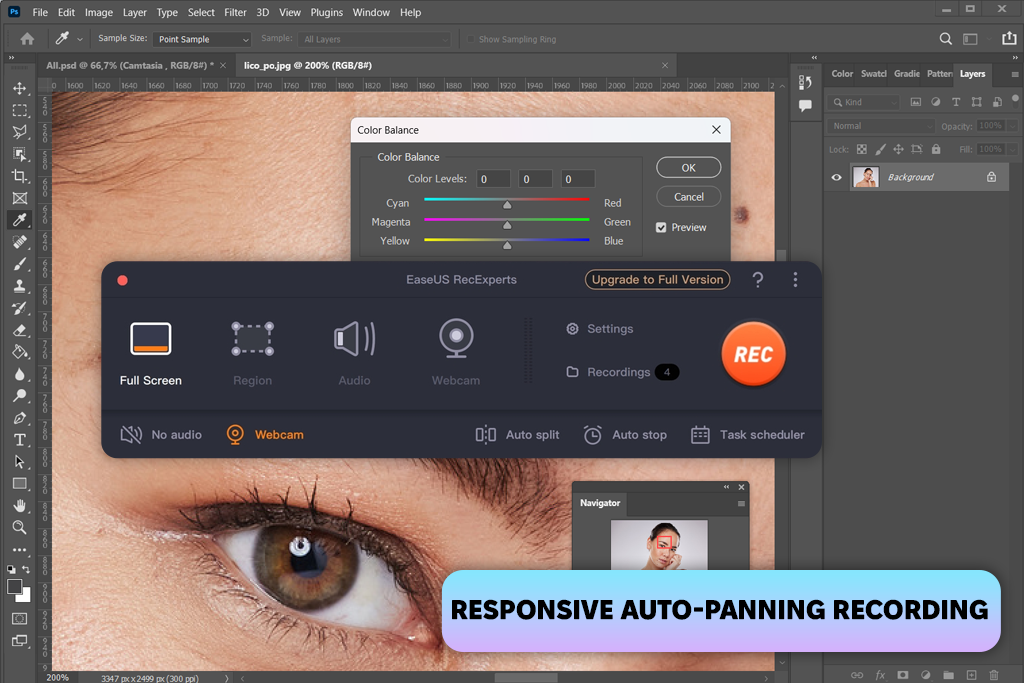
I've used other EaseUS software for tasks like data recovery, but RecExperts was my first time trying their screen recorder. I used the free version to make a short tutorial on skin retouching. I really liked how easy it was to start. I could quickly pick to record my whole screen, a single window, or just a specific area.
Adding my face from the webcam and my voice from the microphone was also simple and only took a few clicks. The layout is neat and works smoothly, with just the basic tools you need and no extra stuff.
The free version recorded everything in clear, high-quality video without making it look blurry or choppy. I was especially impressed that I could record the sound from my computer and my voice at the same time. This was perfect for when I needed to talk through my steps while also playing a sound effect in Photoshop. Also, when I moved between different screens, the recording transitioned smoothly. This made my final video look professional without me having to do any extra editing.
The main drawback is the very short one-minute limit in the free version. It works for small clips, but it’s not enough for longer tutorials. The editing tools are also pretty simple - you can mainly trim and add things like intros or watermarks. Even so, it’s an excellent no-lag screen recorder. If you only need quick, clear screen captures without paying anything, RecExperts handles that really well.
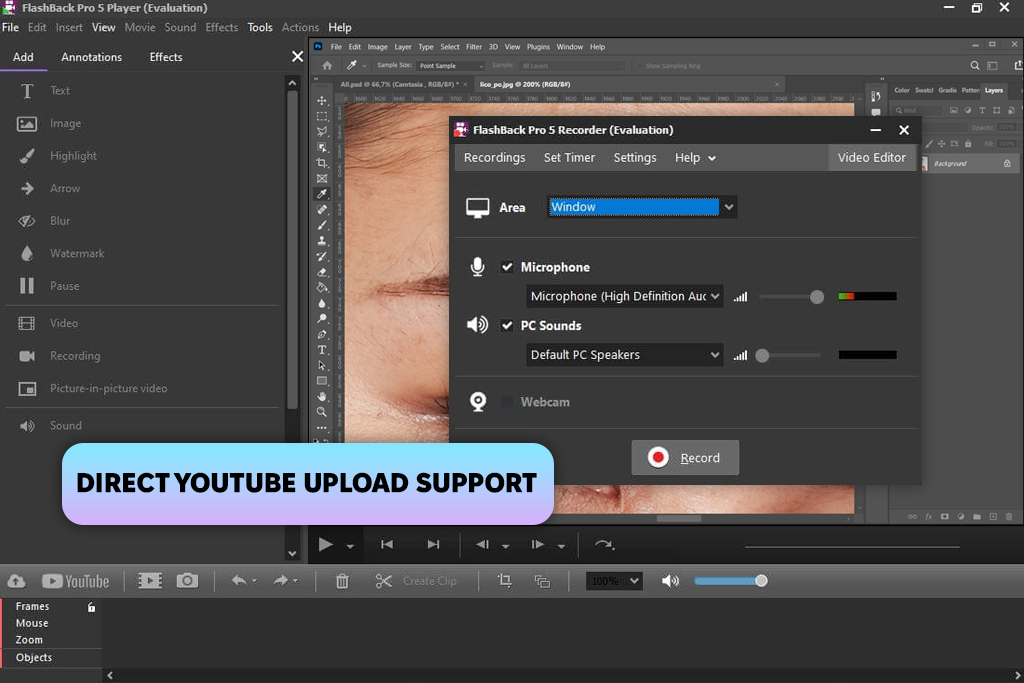
While FlashBack Express is often highlighted among game recording software, I decided to test its suitability for creating instructional videos. The layout is refreshingly simple — centered around a prominent “Record” button with no unnecessary clutter.
A useful feature was the option to define the capture region beforehand, either by manually cropping the screen or picking a specific application window. This let me isolate just the editing panel, keeping the recording neatly focused on the relevant workspace.
The free version only allows recording in 720p, but that’s still good enough for most online guides or demonstrations. There’s no watermark, which already puts it ahead of many other free tools I’ve used. I also tried capturing my webcam together with the screen, and both video streams matched up smoothly with the microphone audio. The trimming tool is simple, but I was still glad it’s included.
Exporting with this screen recording software was quick and easy - I could save the file locally or send it straight to YouTube, Google Drive, or Dropbox with only a few clicks. Some people might miss having more advanced editing features or full-HD recording, but for straightforward, dependable screen capture, FlashBack Express delivers exactly what you need. It’s a solid, simple choice when you just want to start recording right away without extra fuss.
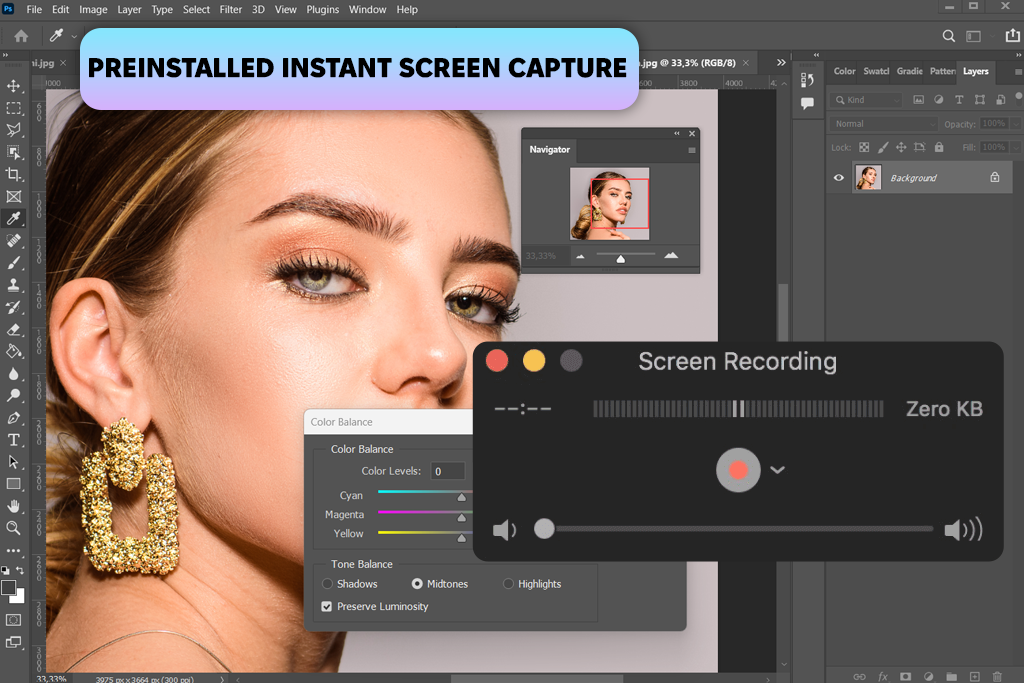
Yes, QuickTime is mostly thought of as a media player - but it actually includes a fairly good screen recorder too. I didn’t have to install anything; I just opened the File menu and started a recording, either of the whole screen or just a selected part. For a built-in tool, it’s very easy to use: no complicated options, no extra steps - just hit “Record” and begin.
When I tried it out, I captured a quick Photoshop demo to show some simple retouching steps. The video looked clear and played smoothly - perfect for sharing updates with my team. The main drawback, though, is the audio issue: QuickTime can’t record system sound or mic input on its own. I had to use another app to record my voice, which made the workflow a bit less convenient.
It also doesn’t offer true editing tools beyond basic trimming, but because it’s built into macOS, saving and sharing the video is extremely simple. I just cut off the extra parts and moved the clip into iMovie to finish polishing it. QuickTime Player isn’t meant to take the place of advanced screen recorders, but as a free, built-in choice for Mac users, it’s a dependable and often overlooked option.
To evaluate each free screen recorder, we used real creative tasks rather than simple tests. Because I often film Photoshop and Lightroom tutorials, I repeated the same process in every app: recording a short retouching session that included on-screen actions, spoken explanations, and sometimes a webcam clip. This allowed me to see how each program coped with busy workflows - changing tools, zooming, and running other tasks - without freezing or losing frames.
Robin also tested how quickly she could begin recording without having to look up instructions or watch tutorials. For her, that’s important - when an idea appears, she needs to press “Record” and get started almost instantly. Some tools, such as OBS Studio, needed a bit of setup at first, while others, like ScreenPal or QuickTime, worked immediately. She also paid attention to how simply each recorder displayed choices for resolution, frame rate, and audio sources before starting the capture.
Sound quality was also very important. For every test, we used the same USB microphone to record voiceovers and checked whether the program could also capture system audio, like music or Photoshop sounds. Ann watched closely for any delay between the audio and the video, because even a small mismatch can ruin a tutorial. EaseUS RecExperts and OBS Studio did the best in this area, while QuickTime and Debut had a few issues.
After recording, we tested the built-in editing features - trimming, adding callouts, transitions, or overlays if the program offered them. Nataly tried to complete a short tutorial using only each recorder’s free tools to see whether a finished, ready-to-upload video could be made without extra software. This showed which apps can handle the full process (such as ScreenPal) and which ones are mainly useful for basic recording only (like FlashBack Express).
Lastly, we looked at how simple it was to save and share the finished video. I measured how long the export took, tried several file types (MP4, AVI, MOV), and checked for things like watermarks or length restrictions that might cause problems. In the end, each program was evaluated in a real work setting - the same setup we use every day for editing and teaching - to find out which free tools can truly meet a creator’s needs without forcing them to buy a paid version.





![12 Best MP3 Cutters in {{%year}} [Online & PC]](http://fixthephoto.com/blog/images/gallery/news_main__preview_1642.png)