

My Tumblr feed had a problem, and it took me an embarrassingly long time to name it. Every post looked fine on its own. But side by side, there was total visual chaos. I spotted different color temperatures, inconsistent sharpness, and the lack of a throughline. I kept uploading and hoping it would somehow come together. It didn't.
The turning point wasn't finding a top-tier, paid Tumblr photo editing app. It was accepting that no single app solves this on its own. To transform a Tumblr blog, I had to follow a repeatable process, using tools that handle compression well, keep colors accurate, and make it easy to carry the same look from one photo to the next.
While collaborating with FixThePhoto on a dedicated Tumblr content project, we went deeper than most reviews bother to go. We weren't just checking whether a Tumblr editing app looked nice to use. We were stress-testing export quality, evaluating how sharpening held up post-compression, and building editing standards that could scale.
The framework we landed on covered image dimensions, color mode, file size ceilings, and sharpening logic, sticking to regular Tumblr's upload pipeline. The aim was to establish a process when quality didn't degrade between editing and publishing.
Working with experts from the FixThePhoto team, we mapped out the testing criteria before touching a single app. Our initial shortlist included forum threads, Google rankings, and AI recommendations. Then we got to detailed work.
| Category | Requirements | Notes |
|---|---|---|
|
File formats
|
JPG, JPEG, PNG, WEBP, GIF
|
GIF can be static or animated
|
|
Not recommended
|
HEIC, CMYK images
|
Convert HEIC → JPG/PNG before uploading
|
|
Max file size
|
~20 MB per image
|
GIFs should ideally be smaller (~10 MB)
|
|
Images per post
|
10 (mobile app) / 30 (web)
|
Depends on platform
|
|
Recommended width
|
1080–1280 px
|
Best balance of quality + compression
|
|
Best full image size
|
1280 × 1920 px
|
High-quality portrait format
|
|
Feed display width
|
540 px
|
Tumblr compresses automatically
|
|
Color mode
|
RGB (sRGB preferred)
|
CMYK may cause color issues
|
|
Common upload issues
|
Wrong format, oversized files, HEIC, corrupted images
|
Also unstable internet can fail uploads
|
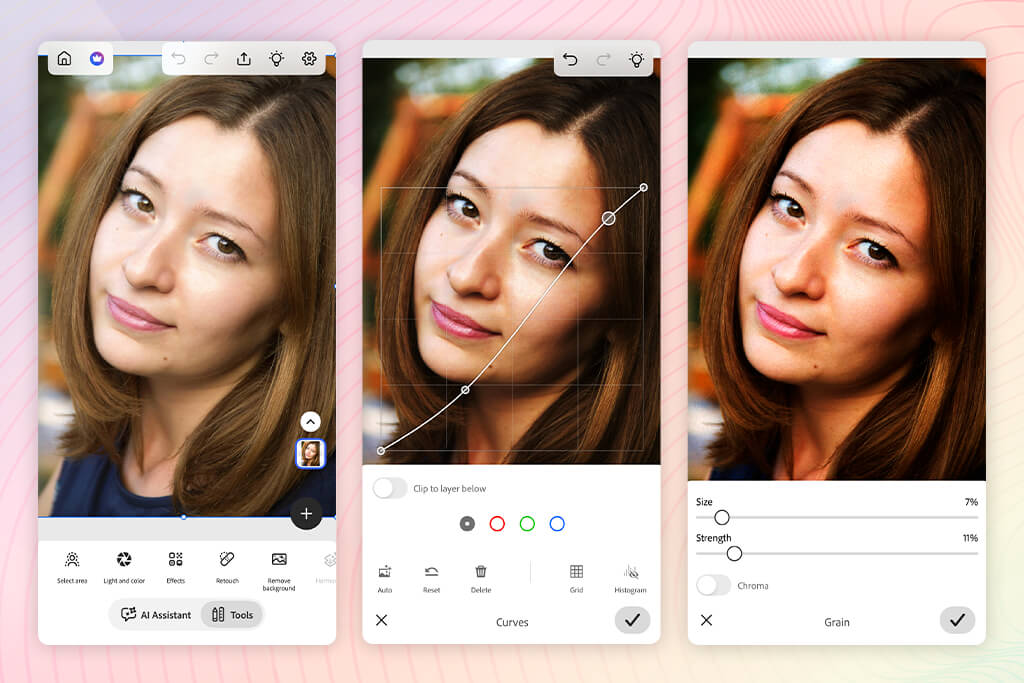
Photoshop App is the kind of Tumblr pic editor that rewards patience. When I first opened this Photoshop App on iPhone and Android, I wanted to understand how much I could edit images for Tumblr, not just copy them.
Early on, the workflow is messy. You’ll push contrast too far, over-sharpen, or create collages that look more experimental than intentional. But this app teaches you that every single edit, even half a stop of exposure, has a mood attached to it. Shadow depth changes how soft or heavy a post looks. Color temperature tells the viewer what time of day it is emotionally.
The shift came when I stopped editing one image at a time and started building templates. I made a separate layer setup for each aesthetic I returned to regularly. There are a washed-out, high-key indie look, a cool, desaturated cinematic one, and a warm vintage option with lifted shadows. Applying these as starting points and adjusting from there speeds up the whole editing workflow. Besides, my feed looked coherent for the first time.
Photoshop forced me to develop one habit. I started to think about compression before I export. Tumblr softens images on upload. If you don’t raise sharpness and protect your mid-tone contrast going in, you’ll end up with posts that look dull compared to what you saw in the editor.
“Overwhelming at first with all the tools, but once you get the hang of it, it’s incredibly powerful. You can fix anything. But it is definitely not something I’d open for a quick edit.”

I never anticipated how much patience mastering a Photoshop app takes. I often spent hours fixing tiny details, like tweaking colors in the bright and dark areas of a photo.
At first, this seemed pointless. But soon, that extra effort completely transformed my Tumblr feed. My blog no longer looked like a messy mix of random posts and finally turned into a beautifully styled, matching collection.
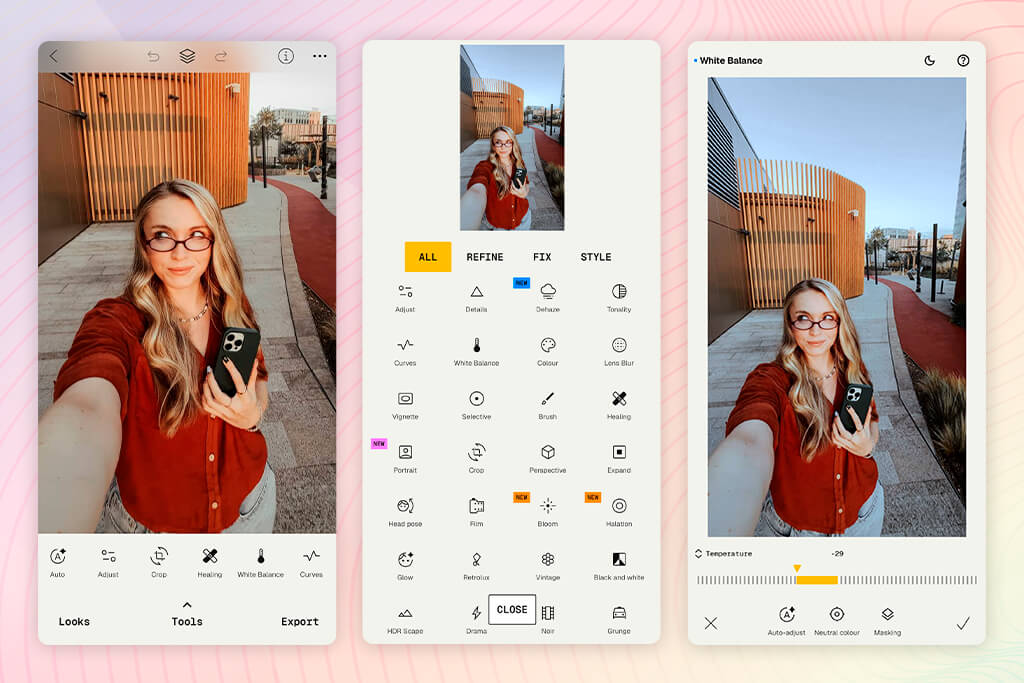
I downloaded Snapseed for Android and iOS because I needed a fast, mobile Tumblr style editing app instead of desktop editing programs. My main goal was to see if a simple phone application could still produce high-quality images for my Tumblr feed.
I tested the app on everyday street photos and casual portraits. Right away, I was impressed by clean and natural results. Unlike many other mobile editing tools, Snapseed never made my photos look fake or overly processed, even after making multiple changes.
The selective editing brush quickly became my favorite feature. Being able to pinpoint specific areas to boost brightness or tweak contrast, without warping the entire image, is incredibly powerful. For curated social media feeds, this makes it easy to spotlight a main subject while keeping the background beautifully understated. The interface is completely intuitive, allowing me to trust my instincts and move from raw capture to a post-ready image in mere minutes.
However, using it for a long time, I noticed the app’s boundaries. Snapseed isn't built for complex digital compositions or intricate, multi-layered visual storytelling. When you work with highly stylized aesthetics, you’ll quickly notice the limitations. I think it won’t work as a full-scale creative suite. It is better to choose it for precise clean-ups.
All in all, Snapseed has become my rapid-refinement Tumblr photo editor. After you snap a photo, upload it to the program, apply correction, and output a natural result. It won't replace heavy-duty desktop software for complex projects, but it has earned a permanent spot in my daily workflow for fast mobile enhancements.
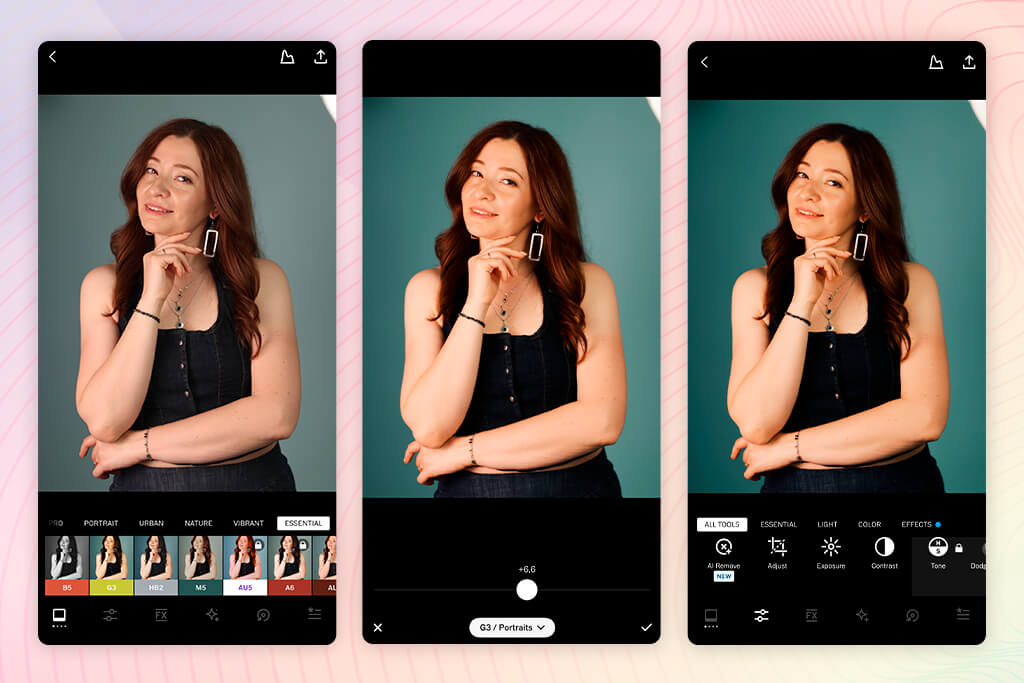
Long before I cared about individual photos, VSCO completely transformed how I curated my digital space. It was the first free photo editing app that made me think about my Tumblr page as a whole. Instead of grappling with manual adjustments, I began by exploring presets just to decode their specific vibes. Every filter helps me choose an emotional direction, shifting my entire approach toward building a distinct aesthetic identity.
Sticking to a few signature presets, I learned the real power of VSCO. This Tumblr aesthetic photo editor works perfectly for blending completely unrelated images into a visual narrative. Suddenly, random snapshots looked like they belonged together.
Still, I had to master the finer details. I learned to balance grain, fade, and exposure carefully because Tumblr’s heavy file compression would easily ruin a heavy-handed edit. It taught me that restraint is everything. I have to keep adjustments subtle to ensure my feed is sharp and cohesive online.
“I love how these filters give everything a soft Tumblr look without any effort. It’s perfect at first, but the styles do become repetitive after you use them for a while.”

VSCO served as a strategic guide rather than a corrective tool. Instead of resolving technical flaws, it established a definitive atmosphere. So, I understood that I needed to optimize individual posts to get a cohesive brand identity for my Tumblr blog. By integrating the app at the beginning of my workflow rather than the end, I could define a creative direction for all subsequent edits.

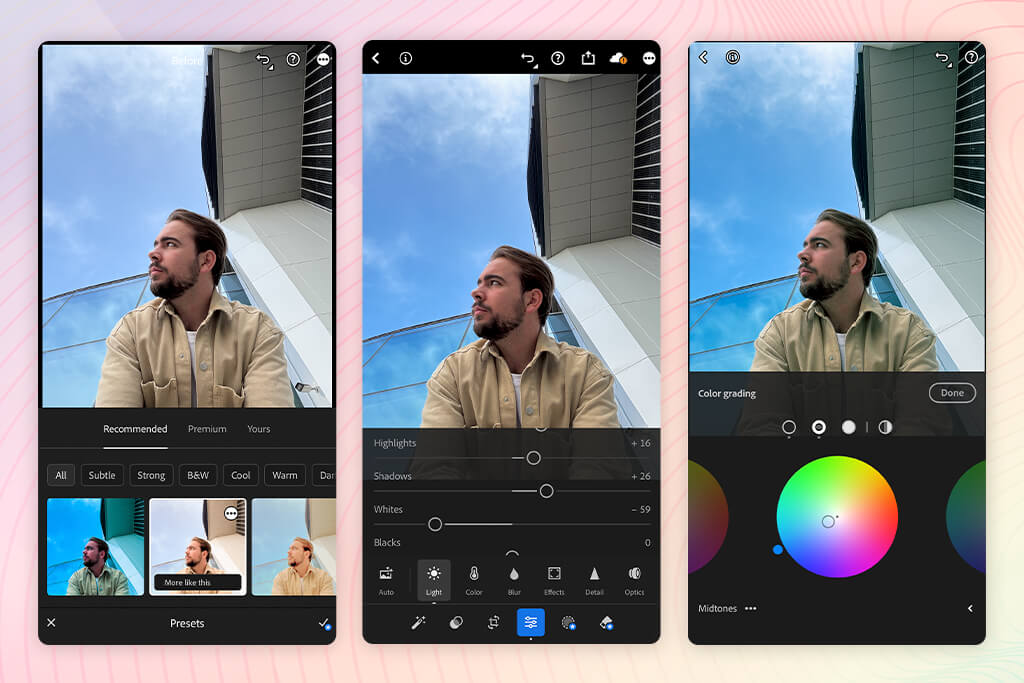
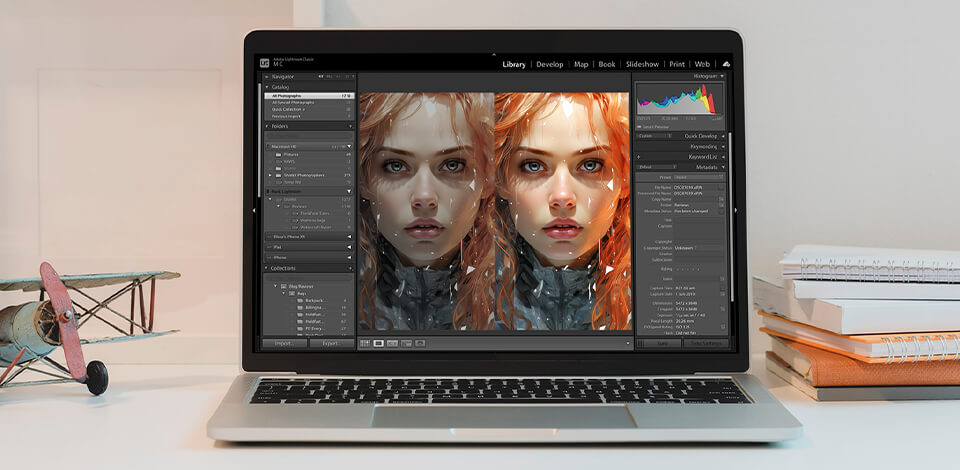
Discovering Lightroom Mobile was a turning point for my photography. It transformed my chaotic Tumblr editing process into an organized system. Instead of tweaking individual images one by one, I started importing entire batches at a time.
It changed everything. I no longer needed to focus on single posts and could think about how a whole collection looked together. My goal became creating a cohesive visual story through consistent color correction and exposure.
To streamline my workflow in Lightroom App, I designed custom presets tailored to various popular aesthetics. They ranged from soft, muted vibes to high-contrast cinematic looks. Thanks to such shortcuts, I received a consistent look across a series of pictures, though I always added a few final, personal touches to each frame. During this phase, I noticed a technical quirk. The platform compression often flattened the image depth, so adjusting the dynamic range beforehand is a good idea.
Initially, I fell into the trap of over-editing, obsessing over flawless technical stats. However, I soon realized that online audiences connect with mood and harmony rather than perfection. Once I understood that, I started working in this Tumblr style photo editor more creatively. The process shifted from stressful micro-managing to genuine visual storytelling.
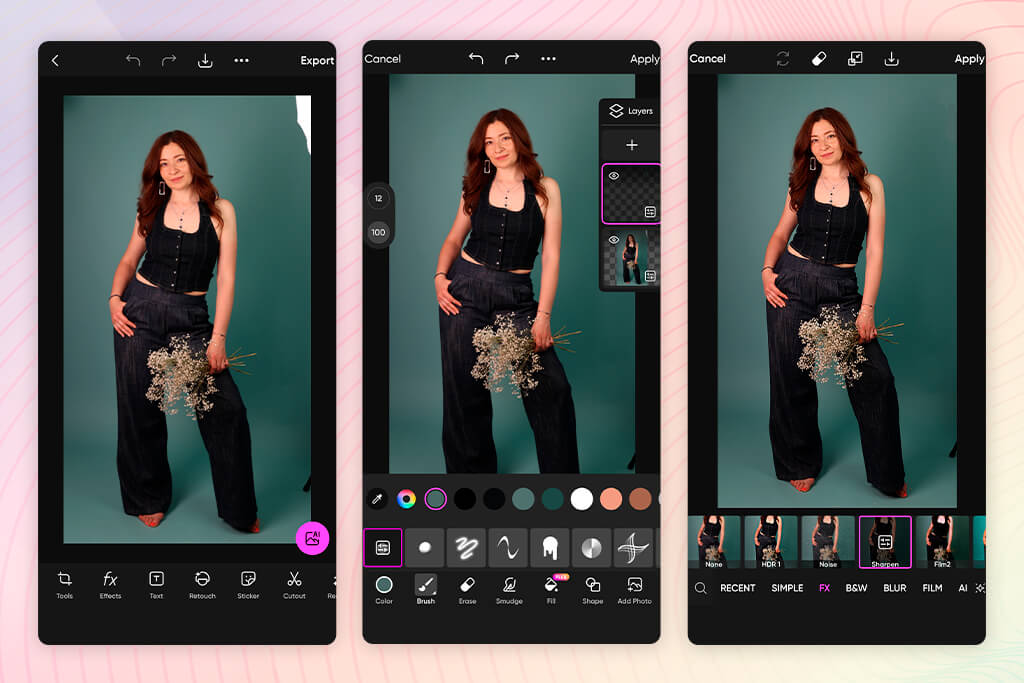
Picsart completely transformed my creative process by giving me the freedom to abandon rigid rules. I began blending such eclectic elements as overlays, stickers, and typography, using the platform as a digital canvas. Though my initial attempts were a bit chaotic, I learned how different visual elements interact. I shifted from merely fixing photos to designing entirely new artistic compositions from scratch.
Gradually, I learned to direct that creative energy more effectively. By mastering tools like blending modes, layering, and opacity adjustments, I found ways to make even my most daring designs look neat and readable. This RAW photo editor became my go-to for fan projects and stylized social media content, where capturing a specific mood is more important than achieving technical perfection.
“Great service for quick, fun edits with stickers and effects. Not always perfect, but fast, easy, and enjoyable for content creation.”

Like with many other Tumblr photo editing apps, the biggest challenge was knowing when to stop, as a huge toolkit makes it incredibly easy to clutter an image. To counteract this, I stepped back to evaluate what truly belonged in the frame. I did my best to strip away unnecessary details rather than pile them. I think Picsart can be an invaluable tool for mastering the skill = of visual restraint.
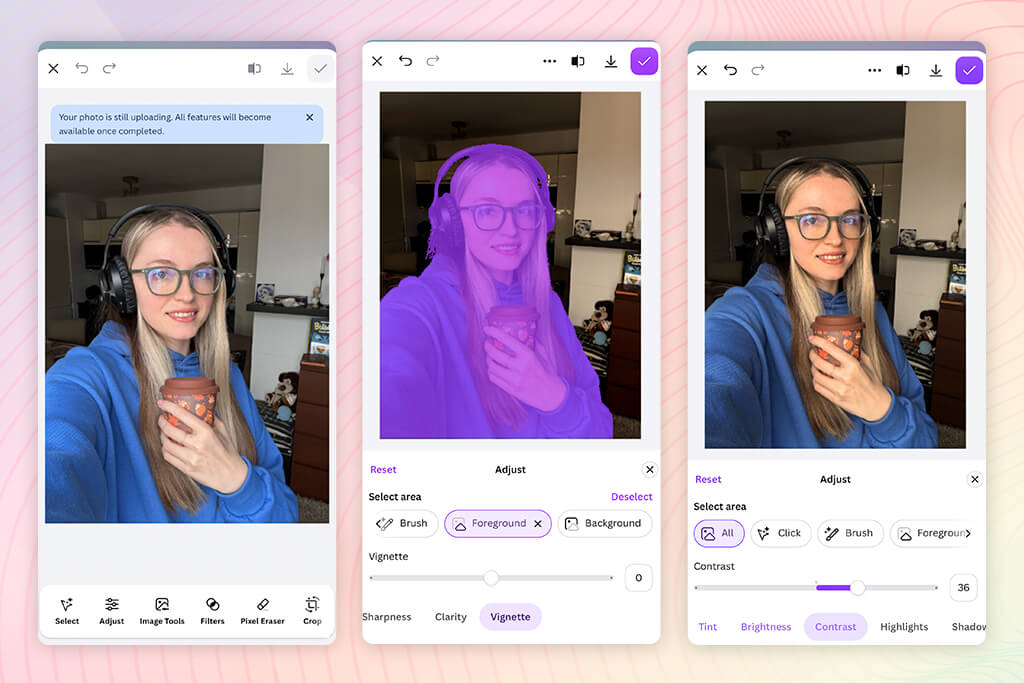
Canva is one of the most user-friendly Tumblr editing apps. Instead of spending hours altering raw photos, I focused on arranging text, inspiring quotes, and minimalist graphics into clean, well-structured collages. The platform has an intuitive drag-and-drop interface, so I could build top-quality graphics instantly.
I soon realized the software functions best when you enter the project with a definitive vision. It is built for simple execution rather than brainstorming. I used it to master typography alignment and balance my spacing perfectly, and managed to create a unified, professional Tumblr feed.
However, accepting its limitations was a must to master Canva to the fullest. Since the program cannot handle intricate color grading or detailed retouching, I always processed my photography in specialized applications beforehand. Using Canva exclusively as the final assembly line rather than the creative birthplace is the only proper decision.
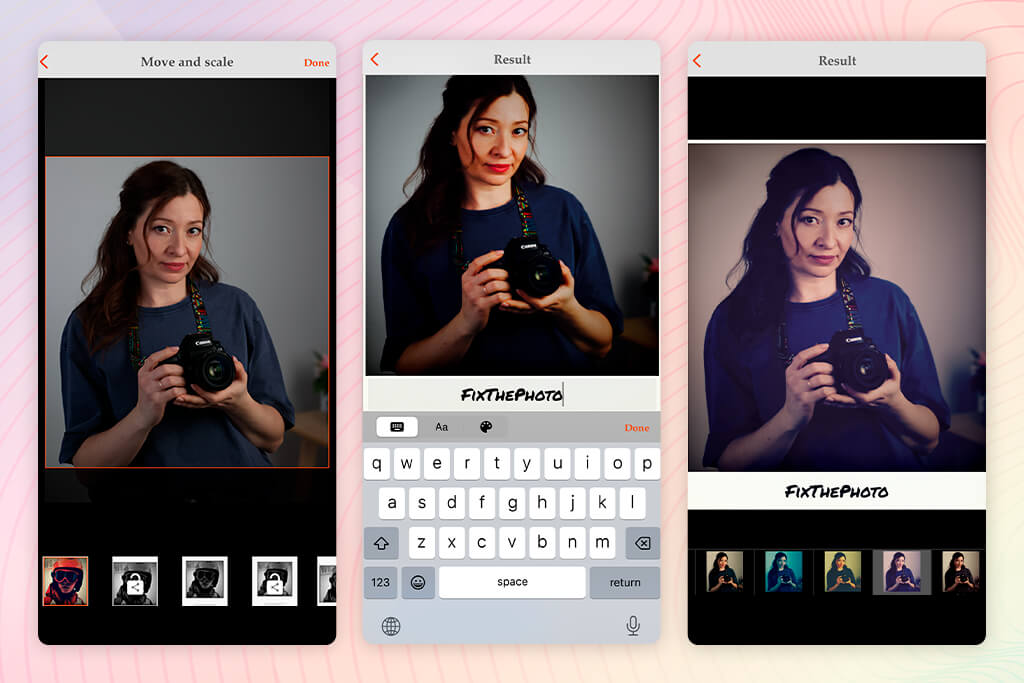
Of all the Tumblr aesthetic editing apps I tested, Instants appeared to be the most emotionally driven. Instead of getting bogged down in technical details, I wanted to see how fast it could transform the mood of an image. Working primarily with softly lit scenes and portraits, I received very atmospheric changes. The final images looked less like crisp digital files and more like stylized, nostalgic memories.
To achieve that classic Tumblr look, I played around with vintage textures, hazy overlays, and faux light leaks. Surprisingly, the app's lack of granular settings turned out to be its biggest strength. Without endless sliders to tweak, I had to trust my creative instincts. This limitation made the editing process incredibly intuitive, artistic, and deeply personal.
“Very simple to use. You choose a filter, apply it, and that’s it. Perfect for when I need nice, stylish photos fast with zero effort.”

The main drawback is inconsistency. Because the filters react differently to every photo, replicating a specific look across multiple images is nearly impossible. This inconsistency makes it a poor choice for creating uniform multi-photo grids or cohesive photography sets for social media for photographers.
Ultimately, I adjusted my workflow. It didn't earn a spot as my primary editing tool, but it has become a fantastic secondary asset for injecting pure mood into a project.
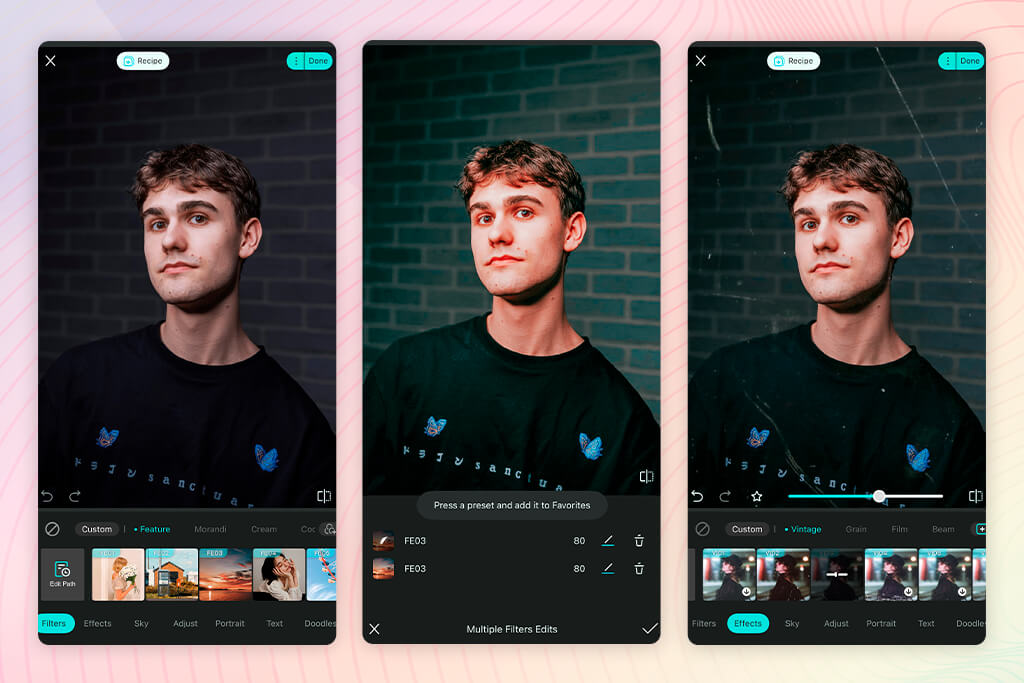
Achieving a uniform look across a diverse Tumblr feed can be a challenge, but Koloro proved to be an excellent solution for rapid styling. To understand its capabilities, I used highly varied photos and applied the same preset bundles. Surprisingly, this Tumblr filter app tied the mismatched visuals together instantly, offering a quick way to establish a brand identity without manual tweaking.
Using it for some time, I found that customization is paramount. Lowering the opacity of the effects prevented the colors from degrading under Tumblr’s harsh image compression. This filter app impressed me a lot when generating dreamy pastels, desaturated cinematic hues, and retro undertones across large batches of media.
That efficiency does come with a trade-off in depth. The software lacks the robust exposure sliders and intricate color-grading wheels required for meticulous, professional-grade retouching. Once I realized these boundaries, I redefined its place in my toolkit. It is no longer my primary editing platform, but rather a brilliant final overlay used to unify a project's overall atmosphere.
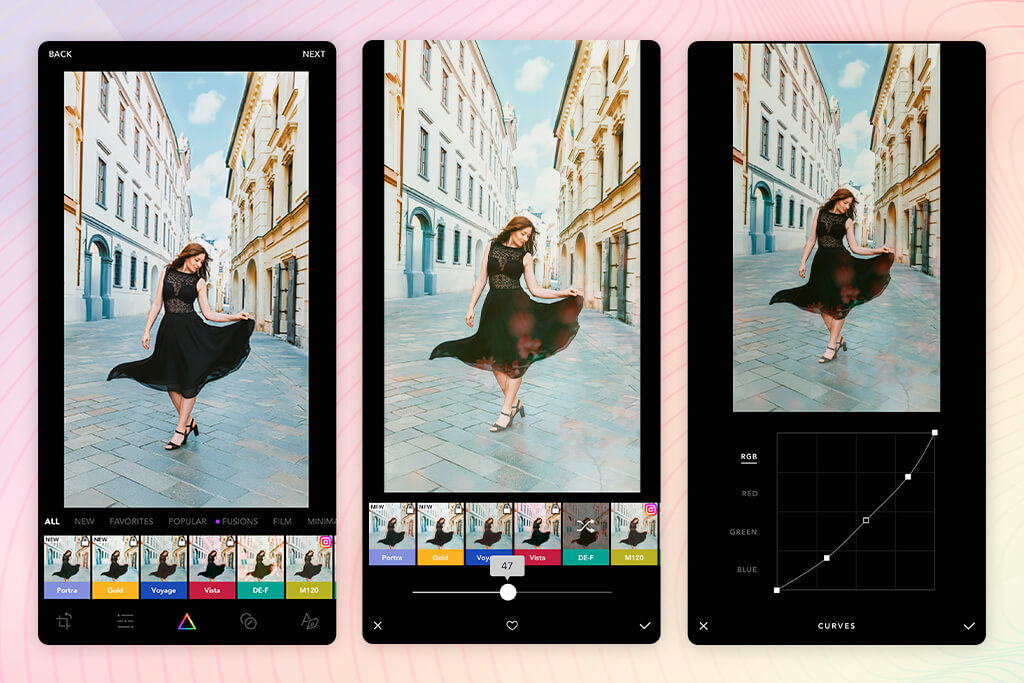
In my content creation workflow, Afterlight served as the ultimate quality control stage. Rather than using it for heavy alterations, I relied on this photo editing app for Android and iOS to apply subtle, unifying touches to images that were already mostly complete. Thus, I could enhance overall cohesion efficiently, turning standard editing into a quick routine.
I focused primarily on minor tweaks like adding a touch of grain, introducing soft light effects, and making slight color corrections. While these adjustments seemed small, they played an important role in combating platform compression, which frequently strips away fine details and flattens images right before they go live. Taking a moment to balance the warmth and contrast ensured that the final mood of each post was exactly where it needed to be.
“I use it a lot for moody edits. It’s easy to add grain, glow, and soft light effects. It’s not very pro-level, but the aesthetic comes out nice.”
The secret was respecting the app's strengths. It can help you elevate a solid foundation rather than rebuild an image from scratch. By keeping the adjustments minimal, I successfully avoided the trap of over-editing while maintaining a remarkably consistent aesthetic across my entire feed. Ultimately, this is a simple Tumblr picture editor, but its simplicity is precisely what made it an indispensable part of my routine.

Instead of casually scrolling through random filters, we designed a strict, uniform testing process to ensure every review is completely unbiased. Our team utilized an identical benchmark gallery for every single Tumblr photo effects app. This collection spanned portraits, street photography, and travel shots, capturing diverse lighting environments like bright sunshine, warm indoor settings, and dim night scenes.
Our evaluation focused on three primary areas:
During this testing process, we challenged the tools with difficult scenarios, like recovering details from a dark street photo. While some platforms easily produced a moody, cinematic effect, others demanded extensive manual tweaking to reach that same standard. We concluded by applying a single aesthetic across a ten-image collection, revealing which apps excel at creating a cohesive social media feed rather than just a solitary good picture.
Our testing team split up to evaluate Tumblr photo editing apps from distinct creative angles.
Tetiana took charge of fine-tuned retouching, focusing heavily on portraiture. She looked closely at how naturally the tools handled skin tones and gentle lighting corrections, discovering that while some software yielded incredibly realistic results, others prone to over-processing quickly ruined the shot.
“VSCO gave me the most consistent Tumblr-style look across the entire photo set. Its filters created soft, cohesive colors quickly, although I usually lowered their intensity to keep the final images looking natural.”
Meanwhile, Kate scrutinized the overall user experience by measuring the speed of the workflow from import to the final export. For her, the standout applications were those that could deliver an attractive, post-ready aesthetic with minimal effort and fewer steps.
Approaching the test from a stylistic viewpoint, Eva explored color grading and visual atmosphere. She compared how the platforms rendered delicate pastel palettes, retro film filters, and moody vintage tones, noting that the best results came down to emotional resonance rather than just a checklist of features.
This collaborative review uncovered a fascinating divide in performance. Software that excelled at perfecting an isolated photograph often stumbled when trying to maintain uniformity across a larger collection, whereas excellent batch processors occasionally lacked deep detail control.
Ultimately, our findings show that a single, flawless Tumblr editing app does not exist because different applications cater to entirely different creative needs. For the ideal social media workflow, the smartest strategy is to pair a high-speed aesthetic app with an advanced editing platform, switching between them depending on your specific project goals.