Working as a content creator, I often need to produce video content. I work on all sorts of projects, from short to full-length training tutorials. I often need to adjust the speed of my clips to make setup scenes more engaging or slow down video fragments, focusing on important steps. I have used both desktop and online tools for changing playback speed without giving my choice much thought.
However, when many readers started to ask me about online video speed changers, I started to think about quick and intuitive solutions that did not require installation or configuring complex settings. This is why, when our team started to film a new product photography tutorials, I decided to test 40+ online video speed changers to assess their practical usability.
As I wanted to create a comprehensive overview of the top solutions, I asked my colleagues from the FixThePhoto team to help me test these tools and provide their feedback.
“A good online video speed changer should allow users to adjust speed quickly, maintain high output quality, support a variety of formats, and process videos without compressing them.”

Throughout my career, I have discovered that my choice between desktop and online tools for changing video speed depends on the type of project I am working on and my location. Even though both solutions were built for the same purpose, you should understand your workflow better to be able to choose the right tool.
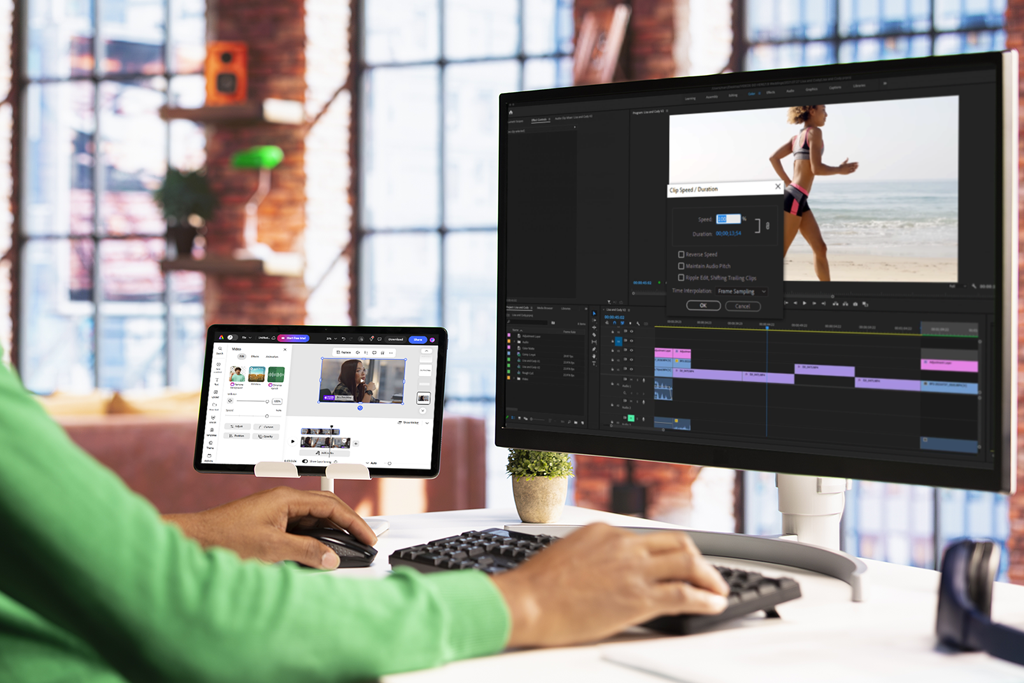
If you need to edit large, high-resolution videos, for instance, 4K product shots or long YouTube tutorials, it might be better to choose desktop software. They handle large files, support frame-by-frame control, and allow you to preview the results in real time. Premiere Pro, DaVinci Resolve, or Final Cut Pro are perfect for controlling rendering quality, choosing suitable codecs, and customizing export settings.
Despite noticeable advantages, desktop solutions have some shortcomings. They take up a lot of space when you install them and require powerful hardware. If you wonder how to make a video slow motion quickly, it might be better to use a browser-based service. It allows you to upload your video quickly, change its speed, and save the output without configuring complex settings.
For instance, when I decided to edit FixThePhoto studio tutorials, I adjusted playback speed with the help of online editors. It helped me highlight important segments about setting up lighting or using props.
I was able to significantly expedite my workflow, as I did not need to use Premiere to perform minor adjustments. However, when I needed to merge clips, perform color grading, and synchronize sound, I used desktop software.
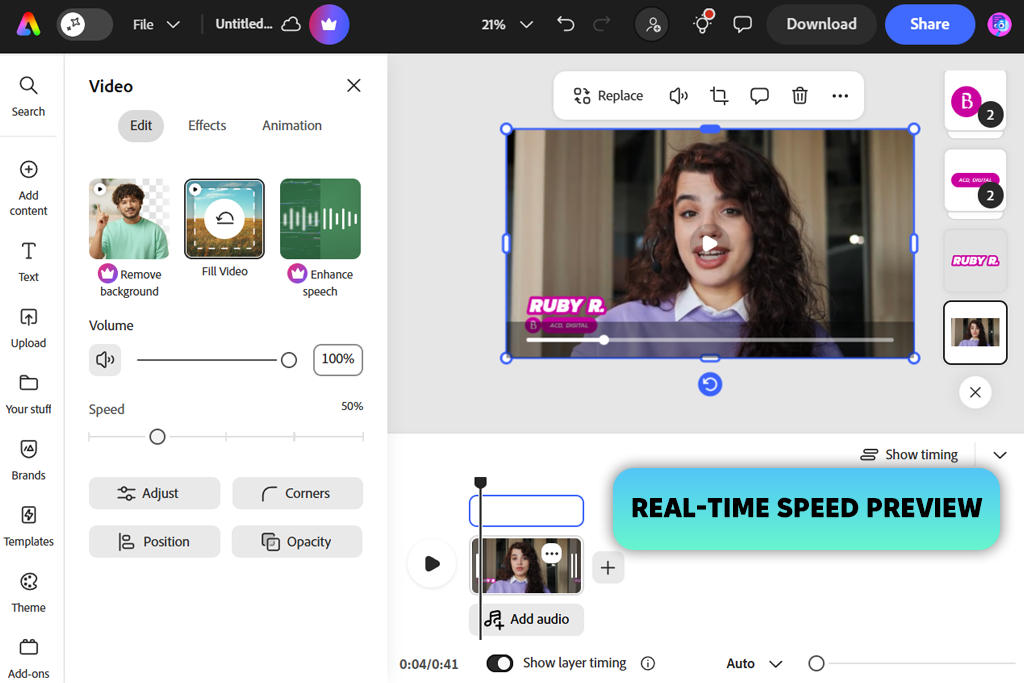
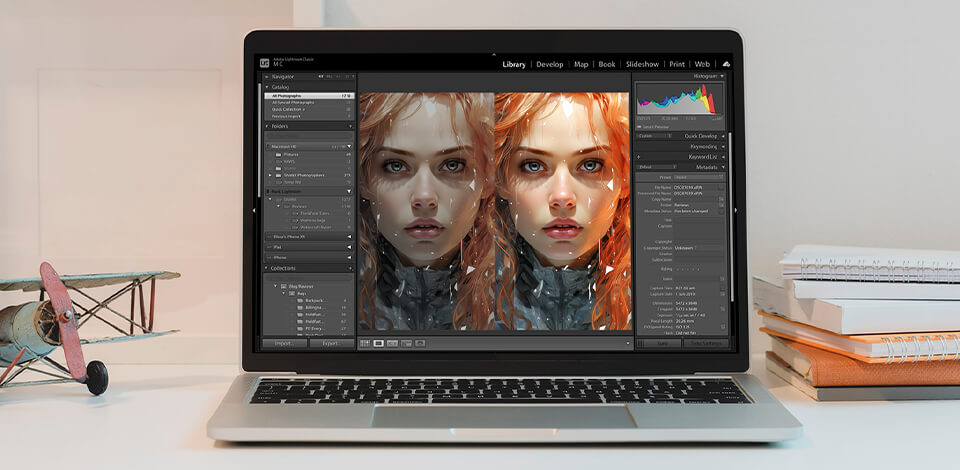
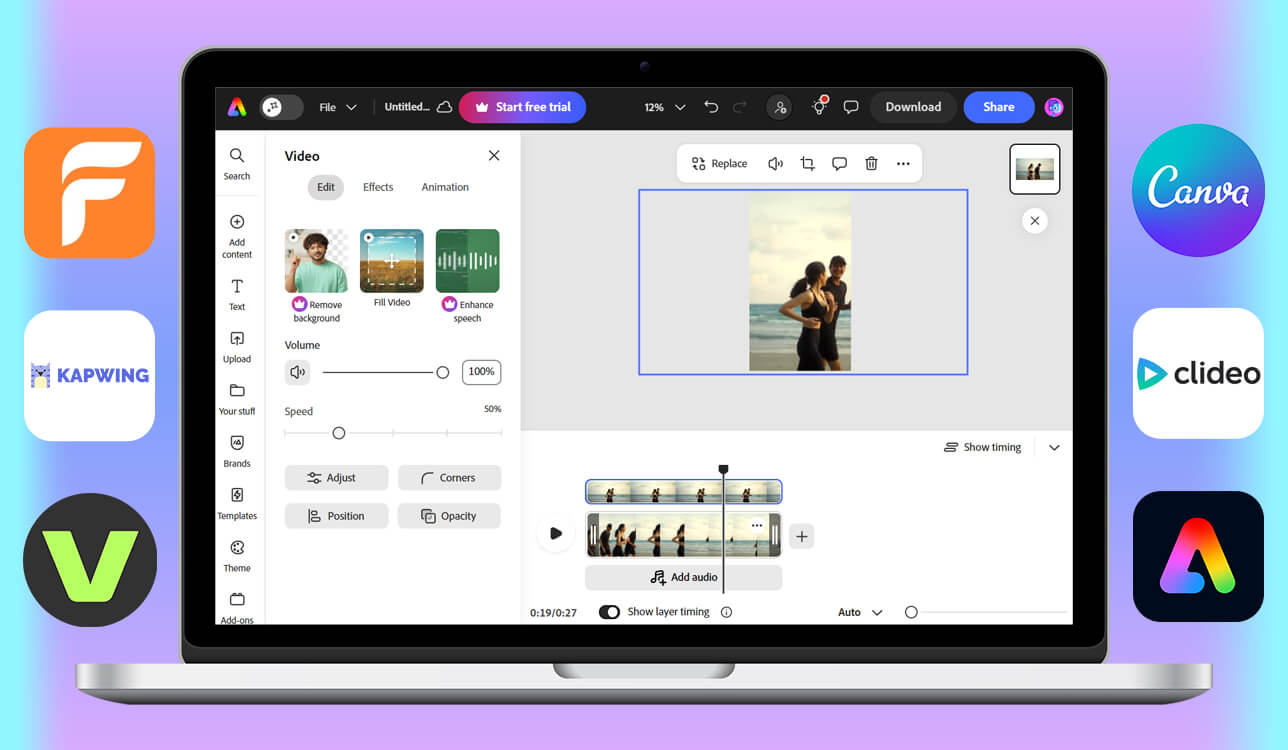
I value Adobe products, as they are highly efficient and allow me to work on creative projects. This is why I often use Adobe Express as it stands out among other web-based services for its performance speed and workflow flexibility. When creating our product photography tutorials, I found Express especially useful when I need to enhance short clips for social media without using desktop software.
The workflow is streamlined and intuitive. After uploading my footage, I changed the playback speed by using the available presets (0.25x, 0.5x, 1.5x, 2x). I was able to preview the changes in real time. Only some web-based video speed up extensions allow users to do it. I was pleased that the output had the original quality after multiple speed adjustments.
After choosing the right timing, I used handlebars to trim my videos. Besides, I reduced the level of background noise and added background music to the adjusted segments. The only thing that requires an upgrade is the upload process. It might take you a while to upload large files, especially if the internet connection speed is low.
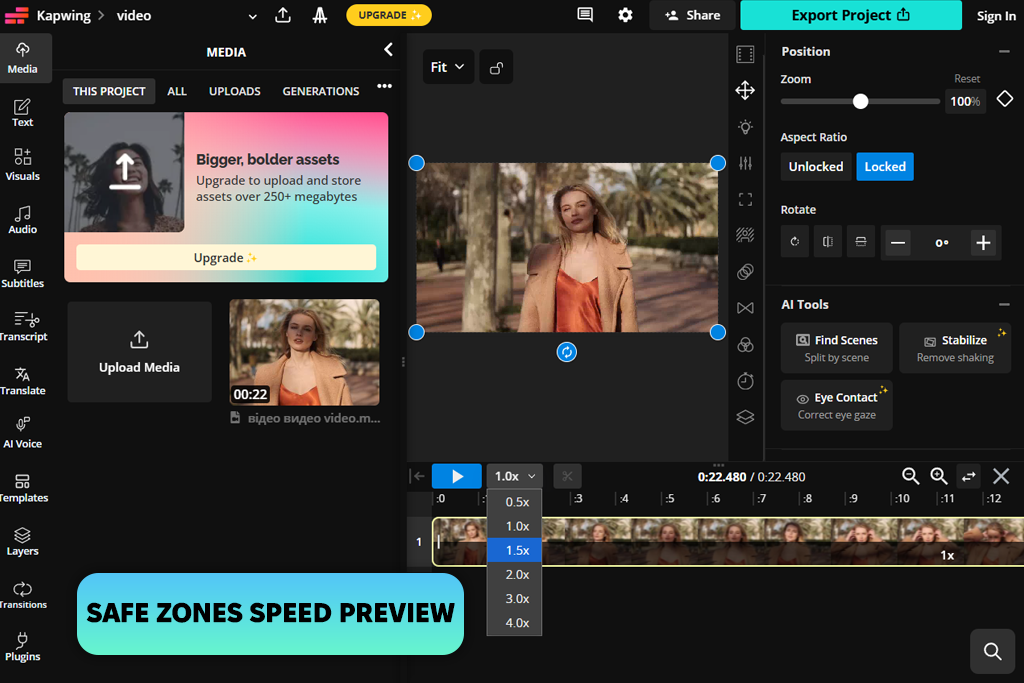
I enjoyed using Kapwing whenever I needed to edit social media content quickly. What I like most is that it has many other handy tools besides the speed adjustment. It allows me to resize and crop my videos, add overlays, fix sound issues, or extract and replace audio. When using this service, I was able to streamline my workflow and make outputs look less grainy and compressed.
After comparing Kapwing vs Adobe Express, I discovered that the former was more suitable for speeding up my videos. I was able to make them up to 4x faster. However, it’s less efficient when it comes to slowing clips down. With it, I can lower the speed to 0.5x, which is a bit inconvenient, as I occasionally need to use the 0.25x speed when creating detailed product unboxing videos.
Despite this shortcoming, Kapwing has many handy features. I like using its Safe Zones tool, as it allows me to preview how the final version of my clip will look on TikTok, Instagram Reels, and YouTube Shorts.
Another advantage of Kapwing is that it comes with AI video tools. Whenever I need to come up with new content ideas, I use the AI to create a video based on a topic, script, or even a document. Then, I choose the desired resolution, subtitle style, and voice.
I was pleased with the free version of Kapwing, as it has extensive functionality. The only shortcoming of this video speed extension is that it adds watermarks to free exports, making it hardly suitable for creating brand content.
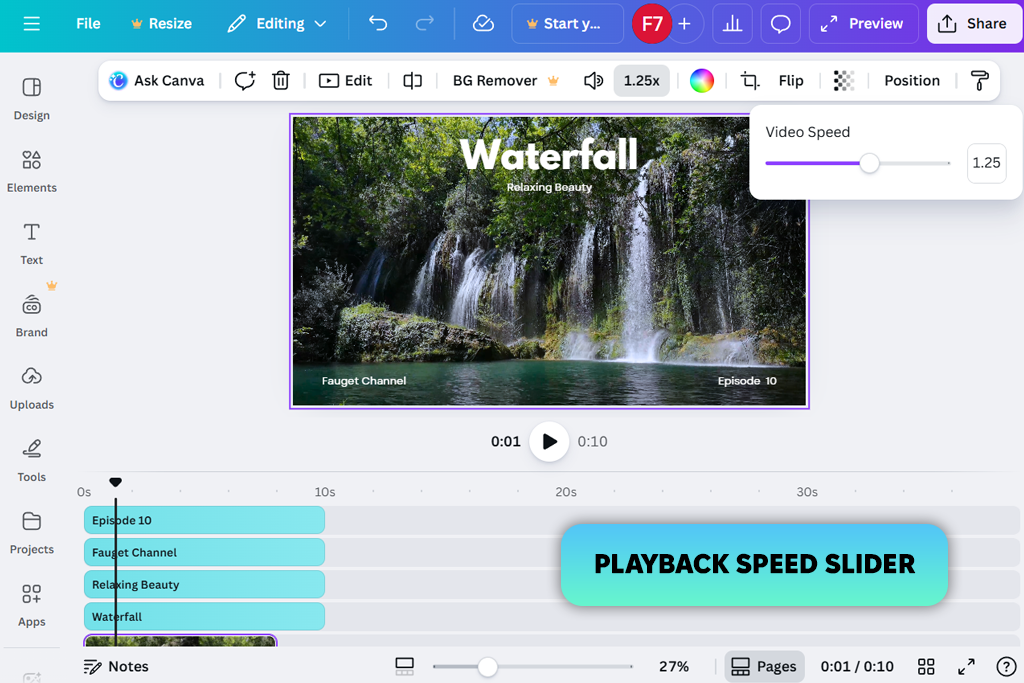
I’ve been using Canva for my design projects, but then I decided to test its 4K video editing tools, including its Playback speed changer. Canva’s interface is quite streamlined. You just need to click on the clip on your timeline, choose the Playback option on the top toolbar, and adjust the speed with the help of the slider. You can also use one of the preset options, like 0.5x or 2x.
I was able to speed up short clips that demonstrated how we typically set up our lighting gear. It did not take me more than a minute to make subtle adjustments to the timeline. Canva adjusts playback speed seamlessly without quality loss. I was able to use branded templates, add animated titles, and access AI tools for designers like Magic Video or Magic Design to expedite my workflow.
However, you may need to use another video speed controller extension if you are interested in more advanced control. Here, you won’t find text-based editing tools, professional sound fades, or accurate multi-track timing. The animation settings may seem quite limited as well.
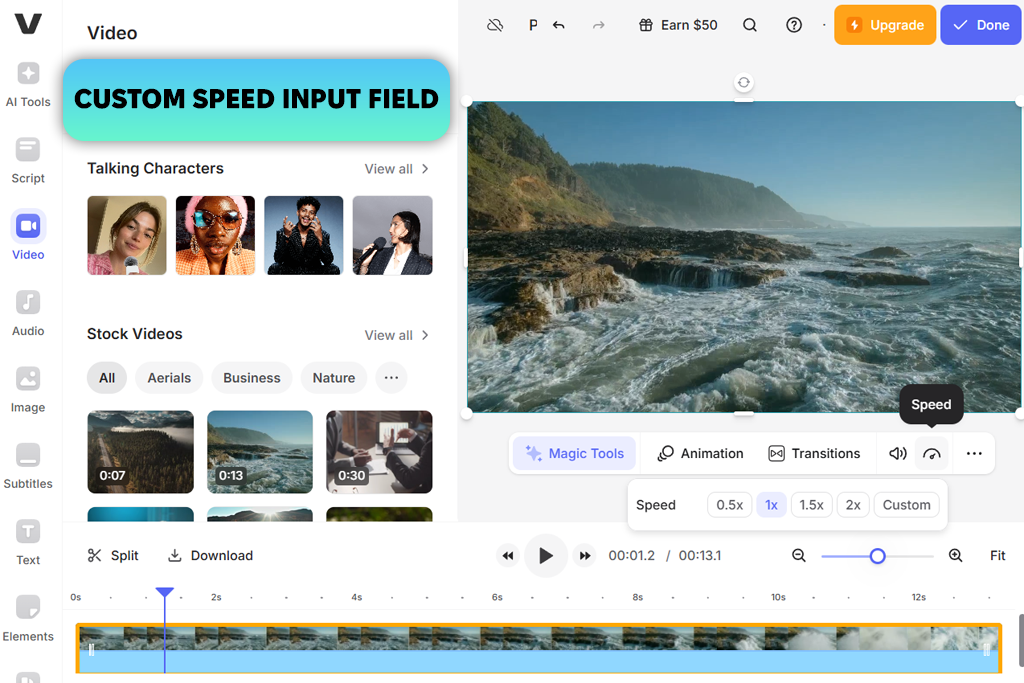
VEED was recommended to me by my colleague Kate. She uses it often when creating social media content. tested it on one of our tutorial videos, as I wanted to add slow-motion and fast-forward segments to it. VEED allows users to choose any playback speed from 0.5x to 4x. The only disadvantage is that VEED does not support 0.25x speed.
“I enjoyed using VEED because it allows me to add subtitles, adjust speed, and edit the visuals. The AI tools are time-saving and allow me to create social media content faster.”

The interface is easy to navigate and has many handy features. It allows one to add subtitles automatically, insert transitions, add background music, and use AI features to translate content, remove the background, or perform voice cloning. Another advantage is its Brand Kit. This allows you to maintain consistency when adding logos to your videos or using brand fonts and colors.
I also liked that I can access this video playback speed extension from a browser tab. However, you will have to sign up to download the output. If you use a free version, your video will have a watermark.
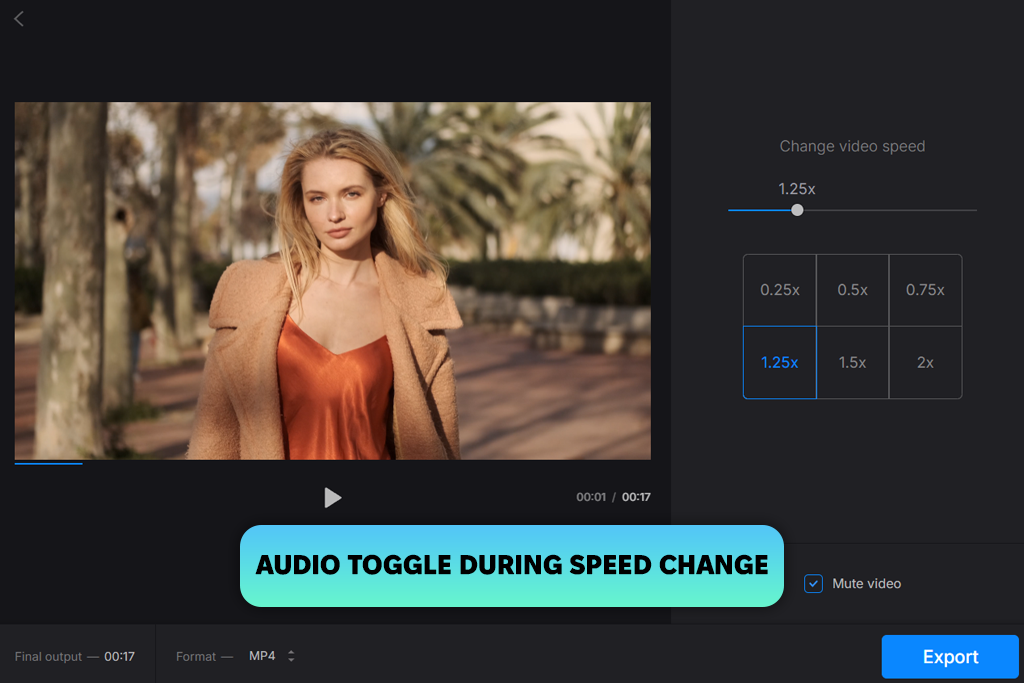
Clideo would often come up in the top positions on Google searches, so I decided to test it to speed up my short behind-the-scenes video for our studio shoot. I liked its intuitive interface and was pleased with uploading speed. I was able to upload my files from a laptop, phone, or even cloud storage. Besides, you can use a direct URL to a video – good for sharing with my team members.
This playback speed extension allows users to choose from six preset speeds from 0.5x to 4x or use a custom value. Besides, it allows me to either keep the source audio or mute it. I thought that it was quite useful to be able to choose an export format on the same page.
Whenever I wanted to add effects or subtitles, I had to go to the main page and open them separately. Even though this video speed up app has 20+ tools, it’s possible to use only one of them at a time, which may be inconvenient. Rendering was also quite slow.
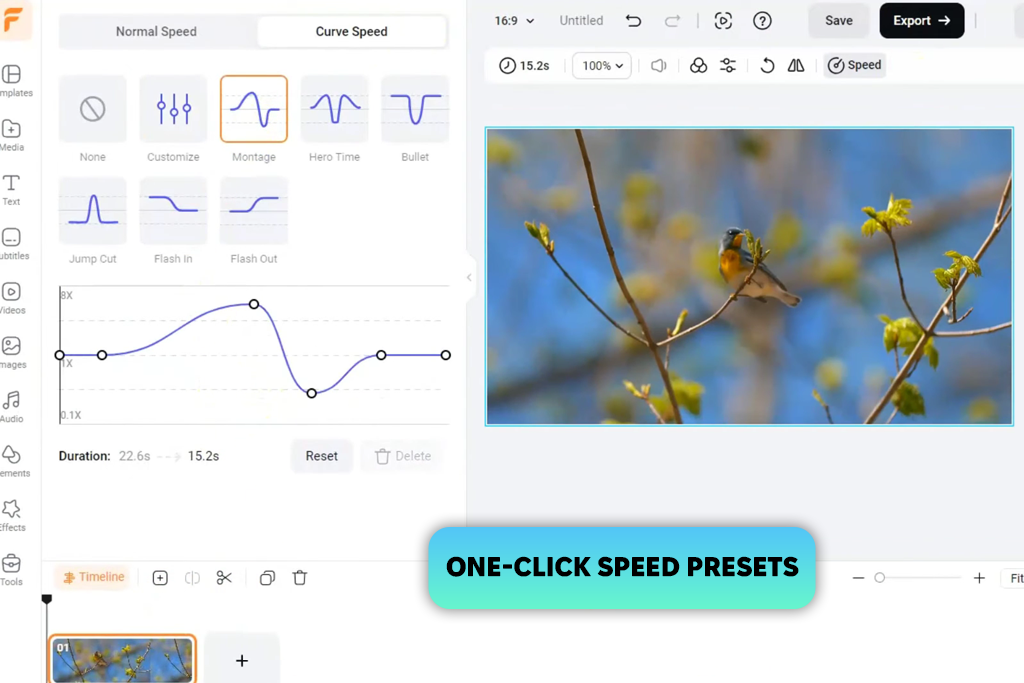
FlexClip is one of the first online video editors I have ever used. I decided to test it when working on a short recap for our studio session. I was impressed by how much it had been upgraded. The interface became more streamlined, and the newest version had more advanced functionality, which helped me expedite my workflow.
I was able to change speed with FlexClip with ease. After uploading a clip, I needed to choose the playback rate, wait a bit, and download the output. It allows users to slow clips down to 0.5x or speed them up to 3x. This range was perfect for the project I worked on.
Using this service, I created a time-lapse video of our studio setup. It processed the footage without any issues. I did not notice any quality loss or playback stutter. Besides speed adjustment features, FlexClip also has additional tools for splitting, trimming, merging, zooming, and adding subtitles.
This video speed controller Chrome extension does not allow you to paste YouTube links directly, which may cause some inconvenience if you need to edit videos published online. Besides, the free version limits the length of a video.
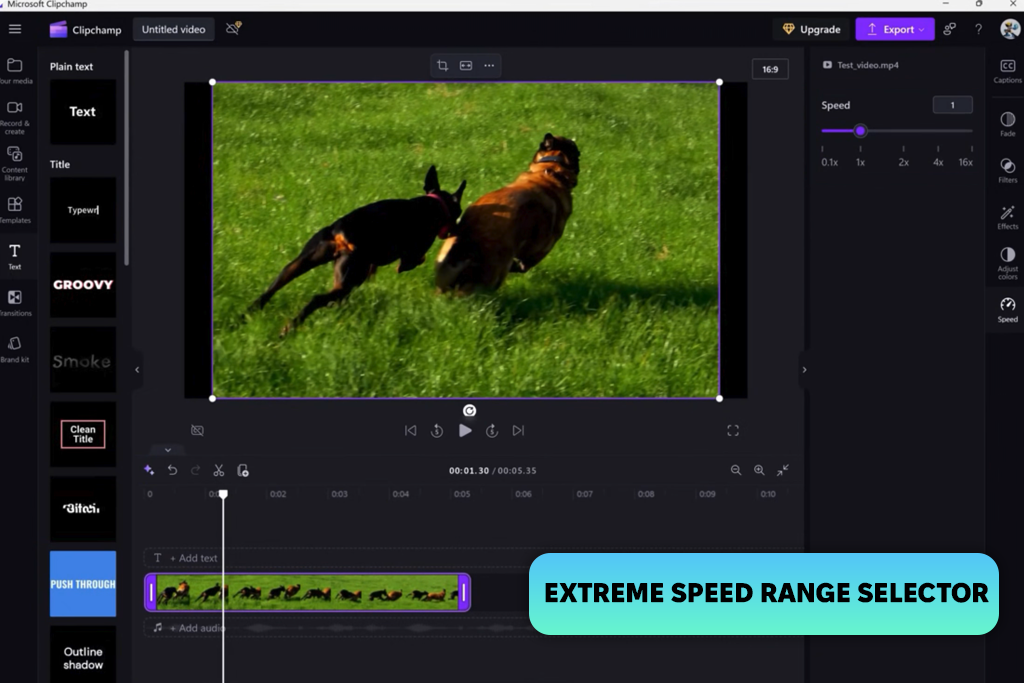
I did not even consider testing ClipChamp until my colleague Tani highly advised it as the top option for quick editing. This is why, when I needed to prepare several short reels, I decided to test this YouTube playback speed extension. I was struck by how lightweight it was. I did not need to install it on my device or use paid plug-ins. It has a stripped-down UI and can be accessed from any browser.
“I often use ClipChamp as a backup tool when I want to adjust the speed of my videos quickly. It supports an impressive speed range, making it perfect for time-lapse videos.”

I liked that the speed control feature was so advanced. ClipChamp allows users to choose from three modes – Slow, Normal, and Fast. The speed adjustment range is from 0.1x to up to 16x. It makes this solution more powerful than other web-based editors I have used.
I slowed one video to 0.2x to ensure that everyone would understand how we switched lighting angles and then increased the speed of another segment to 8x to show the full setup process quickly.
I was surprised that this video speed increaser extension exports videos without watermarks. In addition, I liked that it supports direct exports to YouTube, TikTok, Google Drive, and Dropbox. The only shortcoming was that the free version limits export resolution to 480p, making it hardly suitable for professional use.
We wanted to write a detailed, unbiased review. This is why we wanted to check whether these tools would be useful in real-life editing workflows. We did not want to rely on the solutions that were advertised a lot but failed to live up to our expectations.
Many people use video speed changers to expedite their processes. This is why I wanted to check whether these tools would help me perform simple speed adjustments with ease. I tested these solutions by slowing down the detailed scenes and increasing the speed in long video segments that seemed too repetitive. It allowed me to see whether playback would remain seamless and consistent.
In addition, I wanted to see whether these services would maintain high video quality. When adjusting the speed of a video, I often noticed artifacts appearing or some frames being skipped. Besides, many services, especially those that are completely web-based, significantly compress video files.
This is why Kate focused on the outputs and decided to check their sharpness and color stability. Besides, she wanted to know whether motion would look natural after speed adjustment. In addition, she assessed audio in output files and checked whether it would be possible to mute, preserve, and replace it.
Finally, Tani paid special attention to the efficiency and flexibility of these services. She wanted to check whether their interfaces were easy to navigate. She was also interested in the number of steps one should take to complete a task. Some apps allow users to perform other tasks besides adjusting video speed. For instance, one can use them to trim videos and add text.
Tani was also interested in security, export options, and compatibility with different platforms. She examined whether these services were suitable for creators who often need to switch between devices, share videos on social media, and use an extension to speed up videos.
These criteria helped us test each solution thoroughly and understand whether it was suitable for the practical daily needs of content creators.