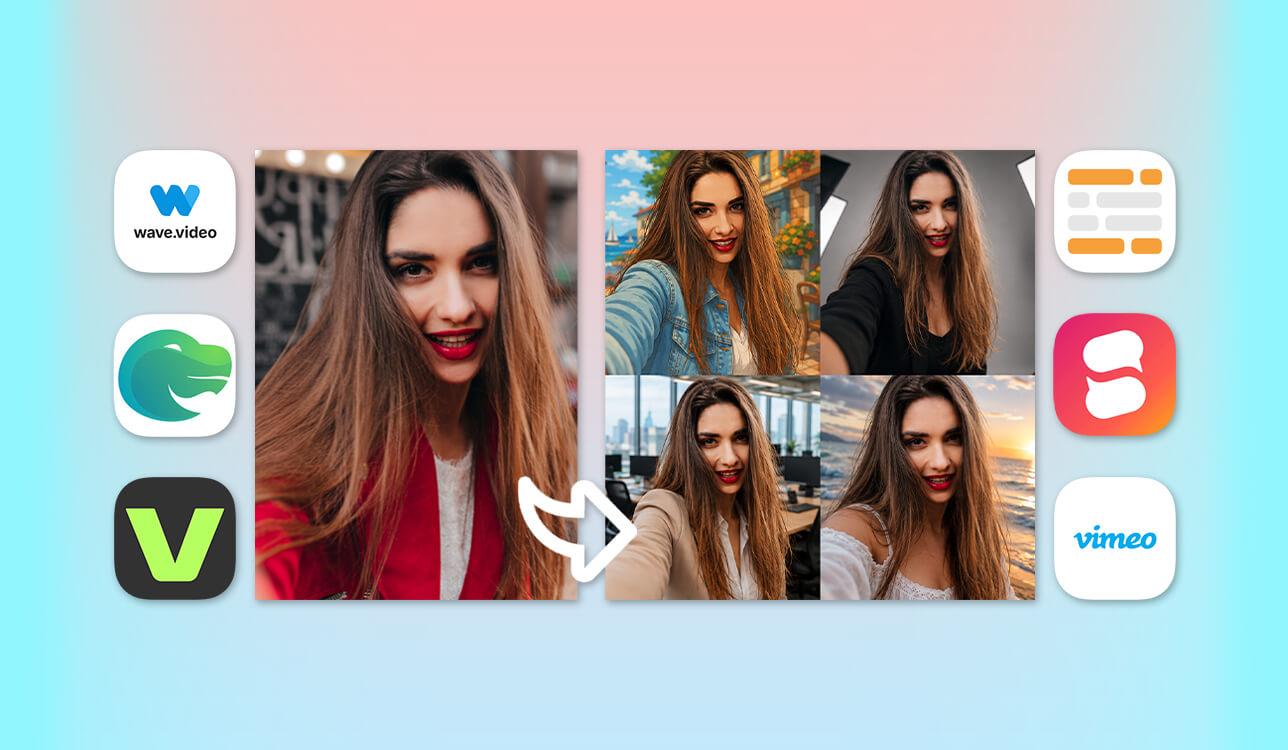
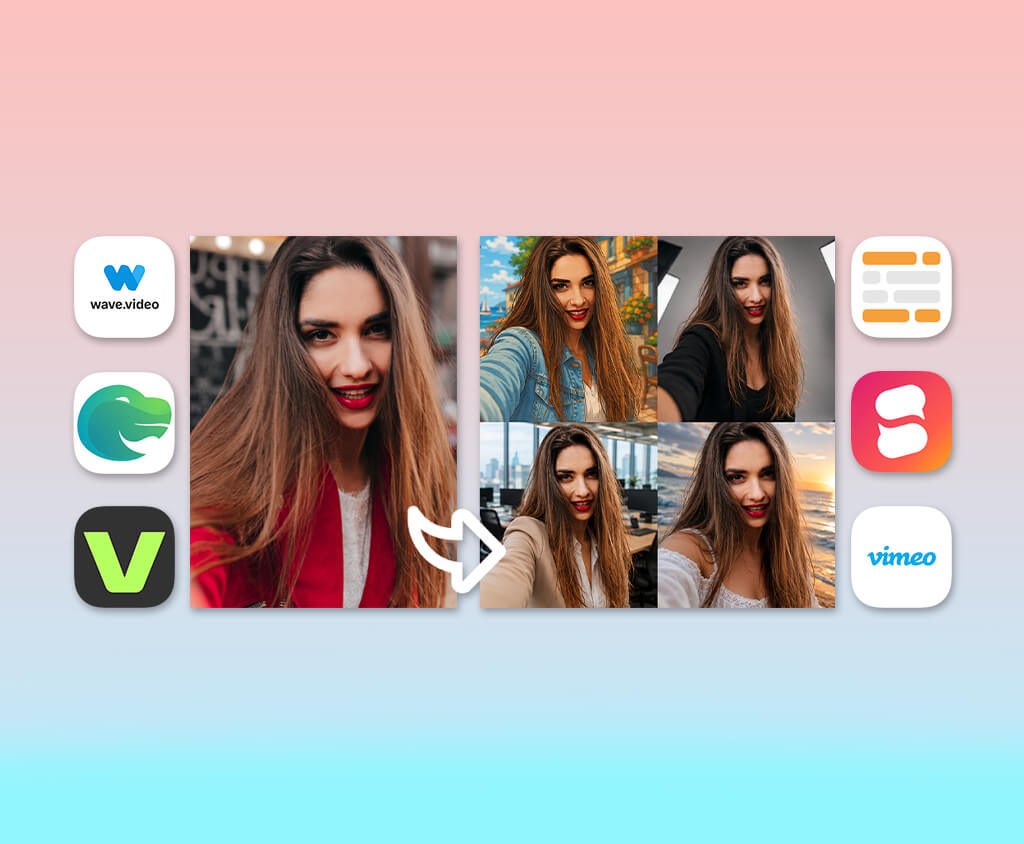
I work as a professional photographer, which is why I often need to take portraits with natural lighting, well-balanced composition, and specific camera settings. Besides, I often need to edit my photos after taking them. However, some of our readers started asking me to recommend a service that would allow them to create a professional portrait based on a selfie photo.
They did not want to order a pricey photo shoot and wanted to generate the outputs they needed using AI tools. This is why I started to compare the available AI selfie generators to see which of them are best suited for converting casual selfies into polished portraits, stylized visuals, and creative photos.
I thoroughly tested various AI selfie generators and asked my colleagues from the FixThePhoto team to provide their feedback as well. I wanted to find free tools that our readers can test without paying for a costly subscription or purchasing credits.
While testing these services, I did not focus on simply getting attractive outputs. Instead, I wanted to generate selfies with recognizable facial features. Besides, I wanted to discover intuitive solutions that can be used without significant limitations for free.
The free AI selfie generators that I decided to include in my list generated realistic outputs. The photos I created using them had people with recognizable facial features. When choosing the most suitable options, I did not focus on the tools with impressive collections of AI effects.
Instead, I selected the services that generated natural-looking portraits, allowed me to try out various hairstyles and outfits, supported background replacement, and could help me stylize plain-looking selfies.
As a result, this list includes the solutions that support high output quality, have intuitive functionality, come with practical AI tools, and support free access. Besides, I analyzed their potential limitations that I noticed during testing.
Even the best AI selfie generator may fail to produce the desired output if the source photo is difficult to analyze. While testing popular platforms, I discovered that the quality of the reference images significantly impacted facial accuracy, detail, and realism.
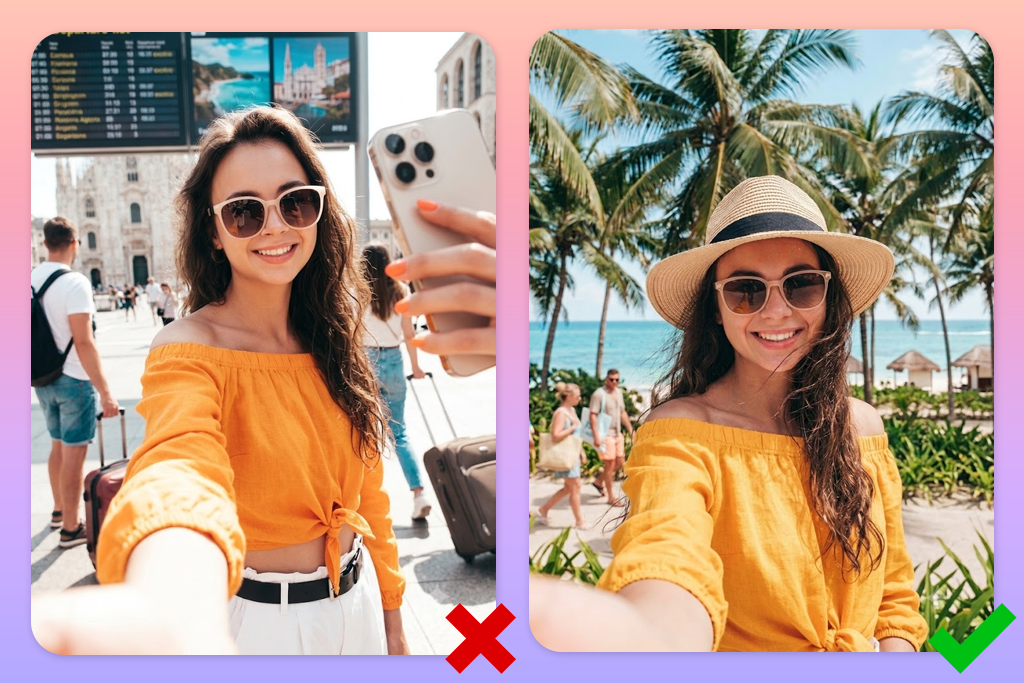
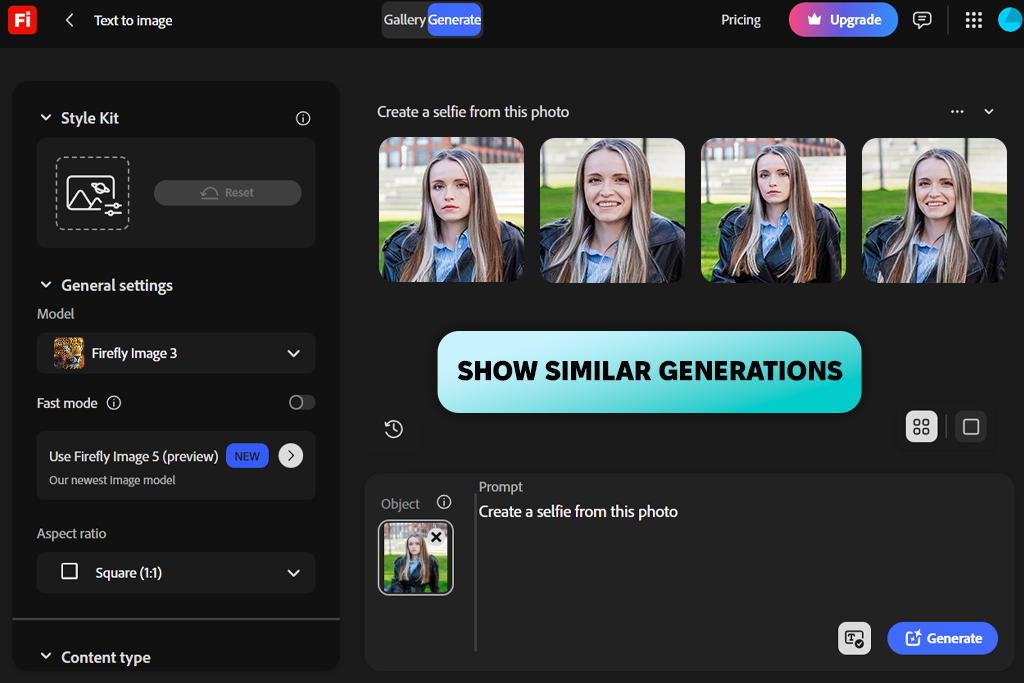
I had already had some experience with using Adobe Firefly in Photoshop, especially when I needed to access AI tools to edit my photos. This is why I decided to test it as a free AI selfie app.
After signing in and opening the image section, I could upload a selfie or use a text prompt to generate a portrait. I normally upload my own casual photos as references, as it allows me to produce realistic outputs instead of generating eye-pleasing selfies with random faces.
“I prefer to use Generative Fill after generating the portrait photos. It allows me to edit small details instead of regenerating the whole image. I like the fact that I want to control the output with high precision. However, I do not think that Firefly is the best choice for situations when I need to generate selfies in a few clicks.”
I was especially impressed by the fact that I could further enhance the output instead of using the initial draft. I improved the composition and transformed the mood using image-to-image tools. Then, I changed framing, cropped the pictures, adjusted opacity, applied filters, and enhanced lighting.
I liked using the Generative Fill feature when I needed to delete specific elements without regenerating the whole picture. With it, I could add, remove, or transform specific areas. Unlike basic selfie apps, this service comes with a choice of controls, making it easier for me to achieve the results I need.
I believe that this AI selfie generator from text can also be useful for photographers, as it comes with handy editing tools instead of focusing on one-click selfie effects. With it, I can change my prompts, adjust settings, regenerate pictures, and keep editing my selfies. Adobe trains Firefly models on licensed content, which allows users to use the outputs for commercial purposes.
The terms of commercial use depend on the plan and features. After creating a version I was satisfied with, I could save it on my device, upload it on social media, or use it to create flyers, videos, and other types of content.
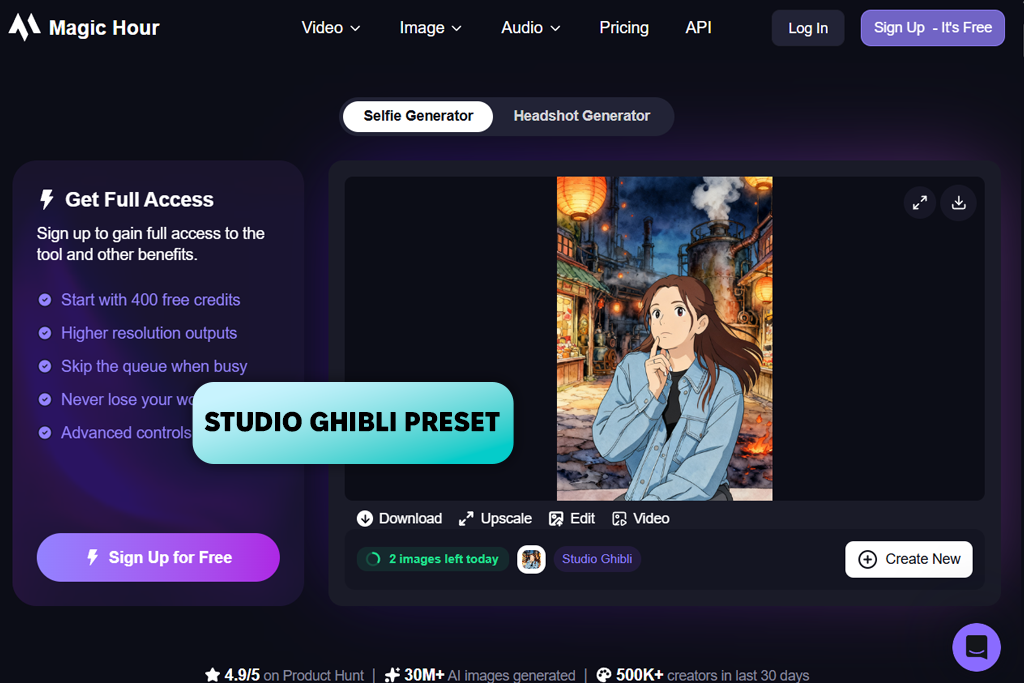
I decided to test Magic Hour after hearing that it was suitable for a variety of use cases. Besides generating eye-pleasing profile pictures, it can help you create portrait photos that can be used for LinkedIn and dating profiles, generate stylized avatars, and produce professional branding shots, holiday portraits, streamer visuals, and photo-booth-style pics.
While testing this AI profile picture generator, I tried creating a portrait photo and experimented with different styles to see whether my facial features would remain recognizable when I chose artistic aesthetics.
“I used the same selfie as a source photo and generated selfies in different styles to assess the capabilities of this platform. Even though I had no use for the samurai version, it still allowed me to check whether my facial features would remain recognizable.”

The Stylized Selfie Generator was quite fun to use. I did not need to set dozens of parameters manually. It was enough to specify the desired visual style, such as marble, 80s wizard, or samurai, and see how my photo would be transformed.
Next, I compared the outputs with more traditional results. I noticed that my facial features looked consistent even in the most unusual interpretations. I was pleased with realistic results, as I consider them more important than producing a visually appealing AI portrait. However, when working on more complex scenes, I discovered some issues with proportions and background details.
I also used this free realistic AI selfie generator to produce multiple versions of the same online identity instead of generating only one photo. I could change the clothing or the atmosphere in my photos while keeping the facial features consistent. Such capabilities make this service suitable for creating thumbnails, banners, profile pictures, and seasonal visuals.
The UI of this web-based platform streamlines experimenting. I did not need to use any advanced editing skills to implement my ideas. I became more careful with spending credits after multiple generations, though. You can spend free credits in no time when you try out different styles.
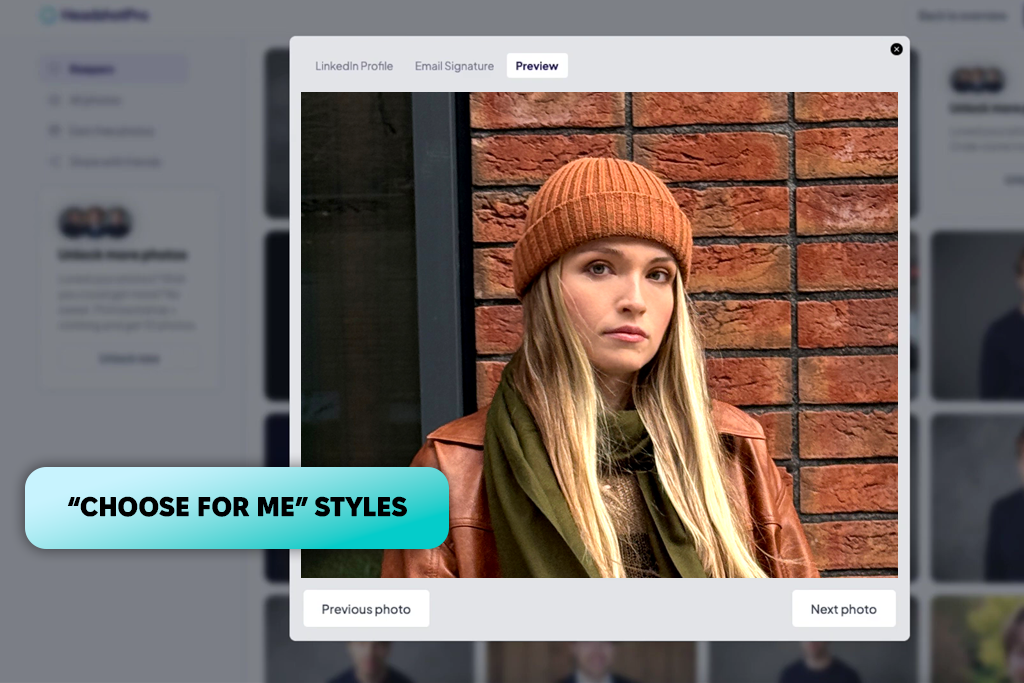
I became interested in testing HeadshotPro after learning that it is quite different from many general-purpose AI image platforms. This AI headshot generator was specifically designed for professional tasks. While uploading selfies, I followed the platform’s guidelines to ensure that my source pictures meet the set criteria.
I liked the auto-validation feature. This AI selfie generator from photo checked the pics I uploaded automatically before generating an image. This way, there was no risk that one low-quality selfie would affect the whole batch. HeadshotPro can generate 30-70 portraits with different backgrounds, outfits, and angles. It took it less than 30 minutes to complete the task.
“I considered the outputs like a contact sheet and selected the most natural-looking selfies I could actually use. Some pictures were more realistic than others. They did not have any issues around the eyes and glasses. It was easy for me to choose the best options from a large batch.”
I did not want to choose every combination manually, which is why I selected the “Choose for me” option and waited until the AI selected suitable outfits for different types of backgrounds. This option was especially suitable for me, because I wanted to produce LinkedIn/resume-style portraits instead of generating pictures in unusual styles. After creating multiple versions, I could choose the one with the most realistic lighting, clothing, and background. However, even though this realistic AI selfie generator can generate dozens of alternatives, it does not mean that every version will be perfect. I noticed minor consistency issues in some versions, especially with facial details, eyes, hands, and accessories like glasses. I use it to produce a batch of photos and then choose the best pictures for my needs.
After selecting the most realistic portraits, I use the integrated profile picture editor to edit them before publishing them on different platforms. I can crop them, add branding elements, and experiment with various formats. HeadshotPro allows me to save my pictures in a high-resolution JPEG format and opt for 4K upscale. I can also use the edit credits to replace the output or backdrop, delete blemishes, or add some extra space without regenerating an image from scratch.
However, this service lacks many advanced manual editing tools I often use when working on portraits. Besides, you will need to pay to download the outputs in high resolution. The free version allows users only to test the available tools and understand whether this service could become a part of their workflows.
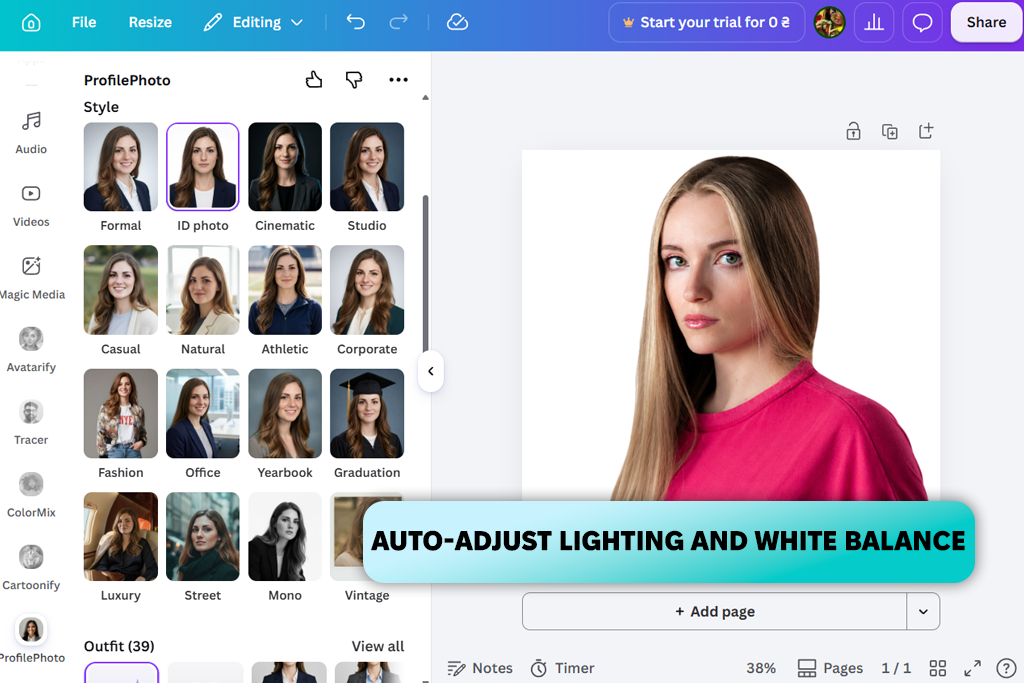
Together with my colleagues, I have been using Canva for years when working on our design projects. It has long become a part of our collaborative workflow. This is why I decided to test its AI Professional Headshot Generator to check whether we could use it to further optimize our processes. After uploading a selfie, I specified a gender.
Canva allows users to choose from female, male, and non-binary options. The generator produced the output with the right lighting and professional background. It took me less than a minute to get the result I needed, which makes this platform perfect for situations when I need to create a portrait quickly instead of trying to produce multiple variations.
“I was pleased by the fact that I did not need to export the generated selfie to other platforms to continue editing it. I generated one version, cropped it to create a profile pic, and added this photo to the layout we were working on.”
What impressed me about Canva is that I could use the AI generated selfies in different ways right after creating them. I can further enhance them in the Canva editor without downloading them to my device. I can also export them to other software, make the necessary edits, and open it in Canva again.
I turned my profile pic black and white, then tried applying various filters and layouts to give my picture a more casual feel before publishing it on social media. I could also repurpose the same portrait for a CV, LinkedIn, presentations, and various projects my team members have been working on. It makes Canva a more practical solution than a regular selfie generator built for a single task.
I was slightly disappointed when I examined the facial features closely, though. In some AI-generated photos, fine details and skin tones did not look realistic. Many selfie platforms with dedicated tools help users to achieve more believable outputs. Besides, when I increased the intensity of some transformations, the facial features became unrecognizable.
If you need to create a profile picture quickly or use a generated photo as a part of a larger project, you may be okay with some shortcomings and lower accuracy. I mostly use Canva when I need to generate, edit, place, and share a selfie using one platform instead of trying to achieve a high degree of photorealism using AI.
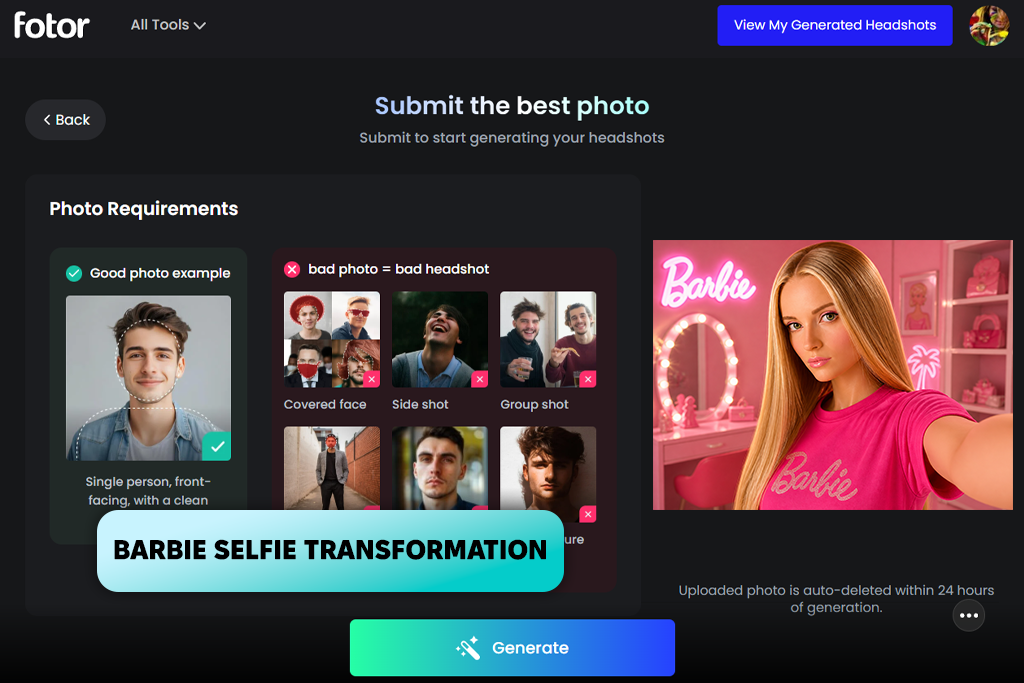
At first, I mostly used Fotor for editing my photos. As it was long before its AI tools were introduced, I decided to test its newest version. After uploading my selfie, I used it to produce more creative variations instead of trying to turn my photo into a business picture. Users can choose from a variety of styles: anime, game art, illustration, oil painting, and many more. I could also perform character-inspired edits. It allowed me to use one source photo to create selfies in different styles without editing them manually.
I liked experimenting with the available tools that allowed me to interpret facial features in various ways. An oil-painting version was sufficiently detailed, while the anime-style version looked like a more basic version of my portrait. In addition, I tested its Barbie-style selfie generator to make myself look like the iconic doll. These edits helped me understand that Fotor was perfect for creating a unique avatar for social media.
However, the more I experimented with different styles, the more unrecognizable my facial features became. It was difficult to maintain consistency of eye color, hair texture, and proportions, which resulted in outputs that lacked photographic accuracy.
I liked using this AI selfie generator free of charge to create fun avatars and profile pics. However, it’s less suitable for creating realistic professional portraits. When I zoomed in on the generated pics, I would occasionally notice AI artifacts around the eyes or issues with clothing. They were less noticeable when I was working with illustrated styles.
As a result, I spent a lot of time trying to choose a suitable aesthetic. Fotos makes it more challenging to fix individual details. I could quickly generate several versions of the same selfie and choose a picture in the style I liked most.

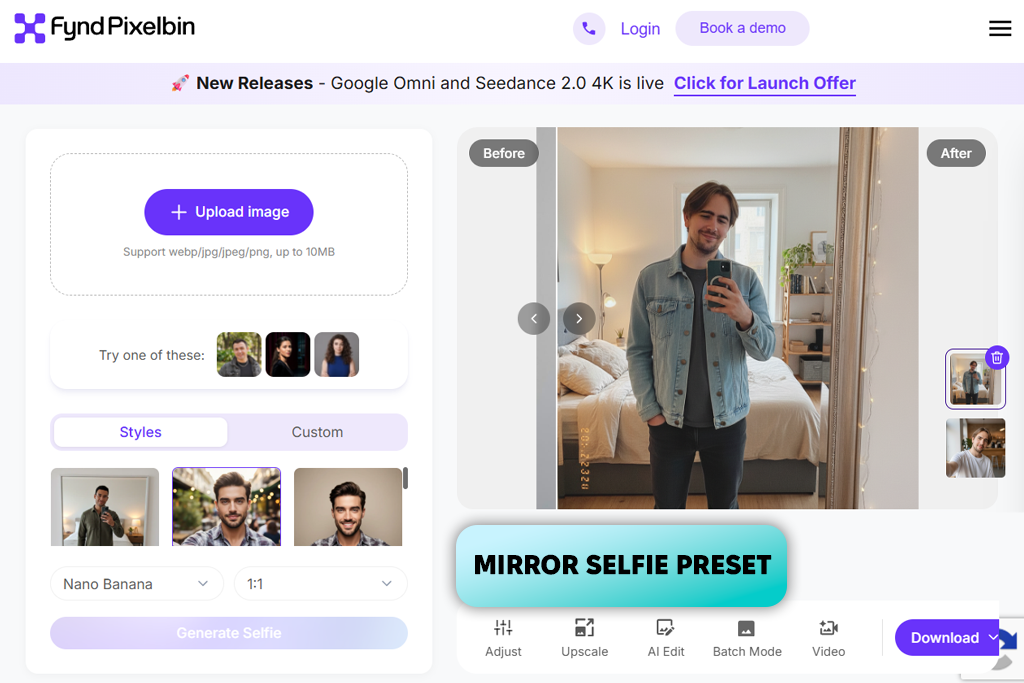
My colleague Ann was the one who recommended Pixelbin to me. She believed that it could become an excellent addition to our list, which is why I decided to try using this AI selfie maker free of charge. However, I did not expect much from this service at first. I uploaded a clear selfie photo in JPG format.
Pixelbin allows users to upload PNG, JPEG, and WEBP files up to 10MB. Then, I selected a suitable preset and aspect ratio. I liked the fact that I could choose the format straight away because I needed a portrait for a profile pic.
“I prefer to use Pixelbin when I need to quickly retouch my selfie photos instead of relying on it as an image generator. With it, I remove stray hairs, improve the lighting, and crop my pics without transforming my appearance too much.”
Pixelbin did not make me virtually unrecognizable. I made subtle edits to achieve more realistic outputs. I tweaked lighting and colors, used the retouching tools to improve the way my skin looked, and removed stray hair. The output looked realistic, which is the result I aim for when editing portraits professionally.
I could use the sliders and visual examples to understand how my subtle edits impacted the mood. It was easy to compare the generated version with the source image, which helped me notice when I overdid some effects.
Next, I experimented with various backgrounds and tried cropping my photo. I also used the Object Removal tool to delete a distracting element behind me. While processing a low-resolution photo, I used the Image Upscaling tool to give my photo a polished look before exporting it. It allowed me to download the output in high resolution.
Pixelbin is especially suitable for situations when the original selfie is of high quality and requires cleaning up to be used on a website or social media. Some users noticed occasional issues during image generation and had problems with credits. However, I decided to include it in this list because I can perform a lot of corrections to achieve the result I needed.
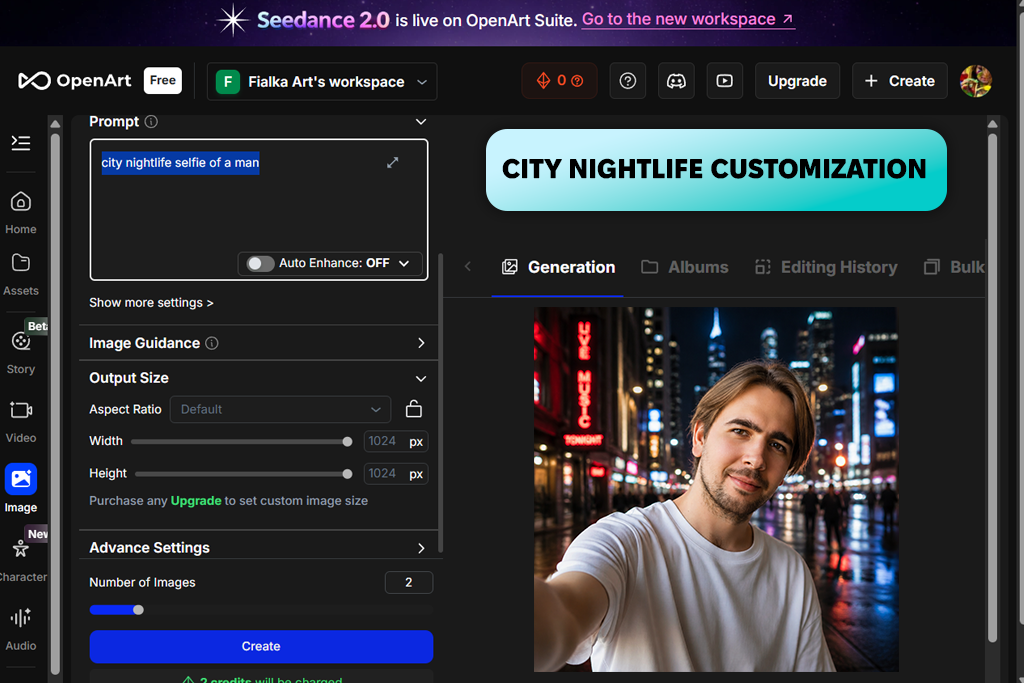
After uploading my selfie to Open Art, I specified the visual style I was interested in. At first, I generated simple portraits and then started to experiment with different aesthetics. I would adjust the settings, preview the output, adjust the prompt, and regenerate the photo. I would write a simple prompt at first and then specify the aesthetic and mood. It helped me understand what changes I had to make to achieve the results I needed.
“I achieved better outputs when I started to change some details in the prompt instead of rewriting it from scratch. However, I still had to spend credits on these regeneration attempts, which is why I became careful about using the Generate button.”
I discovered that this AI face generator became more efficient when I realized that there was no need to use the prompt as suitable for one-time use. I experimented with different styles and changed details instead of regenerating my images from scratch. It helped me control the output and produce unique portraits instead of creating selfies with a nice-looking person that looked AI-generated. OpenArt also allows me to access various AI models quickly. The only shortcoming of this service is that you will need to spend credits on the versions that do not fully meet your standards.
I was pleased by the fact that this text to selfie AI generator is focused on privacy, because I uploaded real portrait photos as source images instead of generating pics with anonymous characters. Even though tools for generating AI selfies might come in handy when one needs to create an avatar without using a real photo, I wanted to use a reference photo and make it more memorable and unique using the available customization tools.
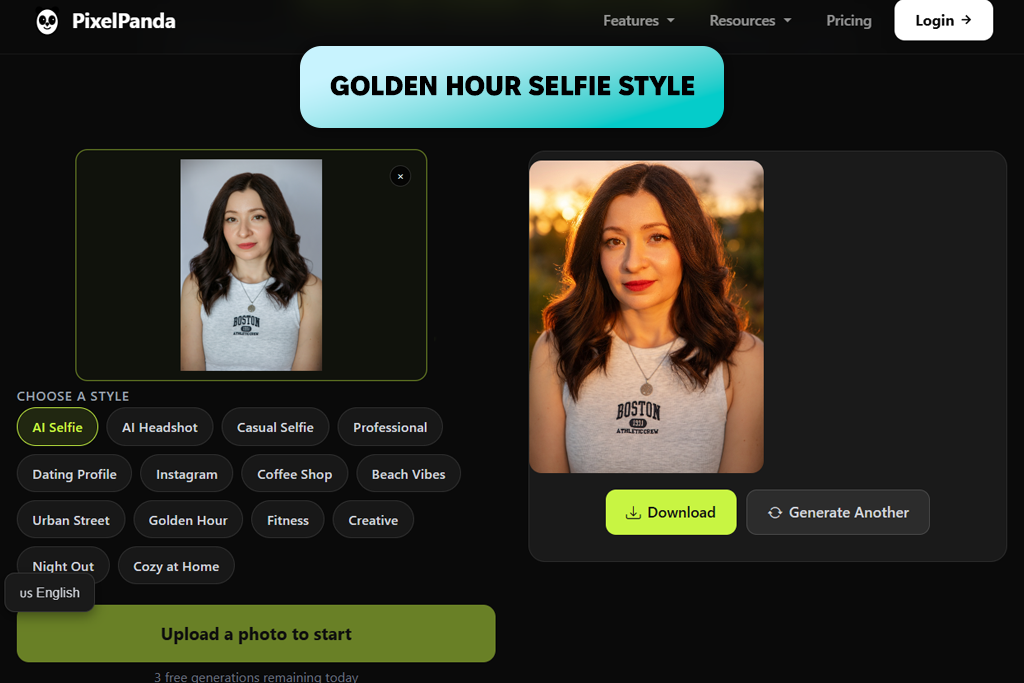
I discovered PixelPanda on Google and did not expect much of this platform, considering it similar to many other services with collections of filters. However, when I uploaded a selfie, I discovered that this tool can help me fully transform my pictures.
I could replace the background, adjust lighting, change the outfit, and myself in a different setting while keeping my facial features easy-to-recognize. Instead of simply making my skin smoother and performing basic color grading, this service produced a new portrait.
I used a regular selfie I took at home and used it to create a LinkedIn headshot. Next, I tried to create a dating profile picture and a photo for Instagram. This platform generated the output quickly. I could generate the outputs without delays, which allowed me to compare the results.
I was also pleased with visual consistency, as it allowed me to produce sequences of images while keeping my face recognizable. I concluded that this platform was especially suitable for the situation when I need to achieve consistent outputs and produce portraits that can be used for building a personal brand.
PixelPanda is perfect for branding purposes. It comes with a set of commercial features that allow one to produce professional-looking profile or brand visuals. However, it might not be the best choice for those who just want to create different versions of selfies and have fun. It also has a credit-based payment system, which makes me more careful when experimenting with different versions. I realized that it might be costly to generate many photos for personal needs.
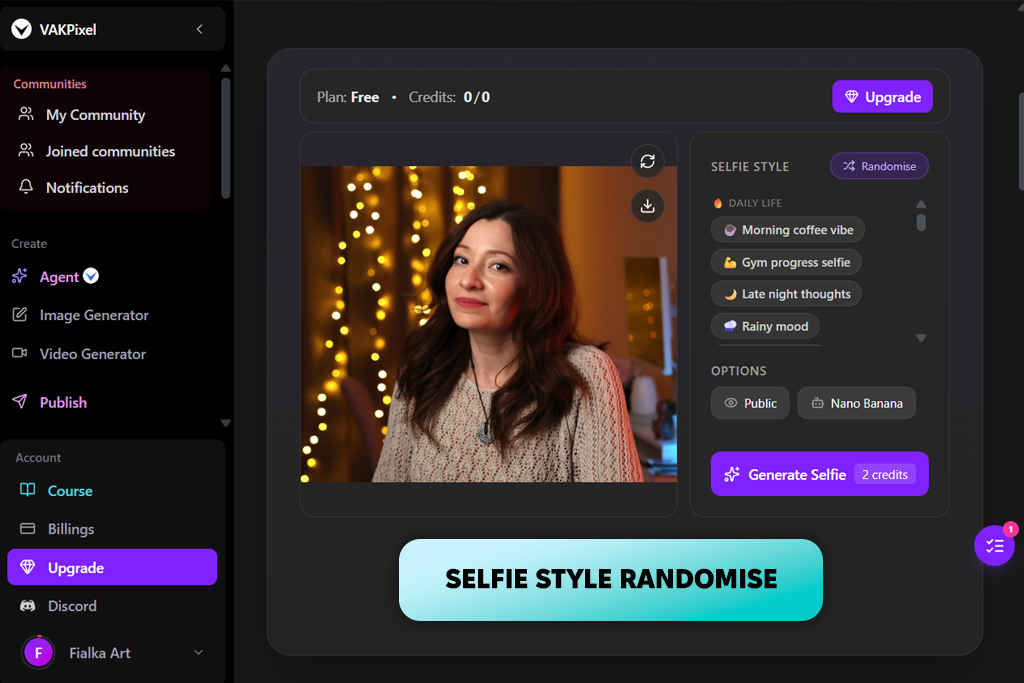
When I started to test VAKPixel, I used a portrait photo as a reference and generated multiple versions of a selfie photo of the same subject instead of trying to produce one perfect selfie. I adjusted the viewing angle, changed clothing pieces, and replaced the background while checking whether the facial features would stay consistent with the source image. Even when I fully transformed the setting, the face of the person in the photo stayed the same.
Then, I tried using VAKPixel to produce professional-looking social media and commercial visuals. I tried putting my subject in luxury environments. Besides, I created compositions that could improve product placement using my reference photo as an example.
The outputs looked realistic enough, so it was difficult to notice that they were generated with the help of AI tools. It makes this solution perfect for producing branded content. It’s hardly the best choice for producing anime-styled content or transforming photos to make them look like illustrations.
When I started to use VAKPixel, I realized that it requires me to use a different approach. It does not have an intuitive dashboard where I could upload a photo, apply a preset, and generate variations quickly. I discovered that I needed to follow a predictable AI workflow and use comprehensive prompts. Even though this service was difficult to master, I had full control over the output, which allowed me to keep my subject consistent when generating sequences of photos.
While conducting this test, we decided to understand what makes an AI-generated selfie natural and believable. We did not want to focus only on visually attractive results. We uploaded clear selfie photos and tested various generation options available on each platform. We experimented with different styles, backgrounds, outfits, framing, or prompts to understand how these generators produced selfies with the same person in different scenarios.
We were also interested in facial likeness. I compared the AI-generated selfies with the original photos to understand whether the face shape, eyes, nose, lips, hairline, skin tone, and other details stayed the same. In addition, I considered whether a person looked the same across multiple generations. We ranked services lower if they generated the outputs that looked great but failed to maintain resemblance with the reference photo.
“I enlarged specific areas, including the areas of the eyes, hairline, skin, and edges around the subject. It helped me examine the areas where many AI-generated portraits have issues. I compared the outputs with the original image. If the person in the selfie photo looked attractive but did not look like themselves, I ranked such platforms lower.”
While working as photographers, we are always aware of the issues that give an AI portrait an unrealistic feel even when the output might seem realistic enough at first glance. We analyze lighting direction, skin texture, depth, proportion, hair, clothing, and how well a subject blends with an AI-generated background.
Kate examined the outputs at a larger size to check whether there are any defects visible around eyes, teeth, glasses, hands, jewelry, and other areas where generative AI tools often fail to produce flawless results.
In addition, I assessed how easy to integrate it into our workflow. I checked whether it was easy to upload a selfie, choose the style of the output, write a prompt, create multiple versions, or edit out the details we did not need. I liked the solutions that allowed me to replace the backgrounds, remove objects, retouch selfies, upscale images, crop photos, change outputs, and regenerate the images. I was especially impressed with the services that came with tools that actually helped me enhance a portrait.
Finally, we wanted to understand whether these solutions are actually free. We checked whether there were free credits, generation limits, export limitations, and a choice of resolution options. We wanted to understand whether we could actually use these services to generate selfies without paying for a subscription.
We also compared the available versions in terms of generation time, privacy settings, and commercial-use conditions. We wanted to find an AI selfie creator that would integrate into our workflow perfectly instead of focusing only on the tools that generated one attention-grabbing preview.