Before switching to a dedicated vertical video editor, I didn’t realize how time-consuming short-form content could be. I thought the process would be simple: record a few clips, trim them, add captions, and upload. But once I started posting regularly, the workflow became frustrating. Traditional horizontal editors weren’t built for vertical content; formatting for mobile platforms constantly messed up the framing, subtitles took too long to fix manually, and creating short videos every day started taking much more time than expected.
I quickly realized that the editing software itself had a huge impact on how fast and consistently I could create content, how much creative freedom I had, and whether I could realistically keep up with posting every day.
The project I was creating focused on short educational videos for creators and students. I wanted to explain topics like productivity, AI tools, online business, and digital trends through quick, engaging content made for TikTok and YouTube Shorts.
The difficult part wasn’t just making the videos look good - it was keeping the editing process fast enough for platforms where people scroll constantly. On short-form apps, things like pacing, captions, framing, and vertical formatting can determine in just a few seconds whether someone keeps watching or skips to the next video.
At first, I kept jumping between different editors because they all looked great in reviews and promotional videos. But after posting consistently for a few weeks, the actual problems became obvious. Some apps struggled with vertical footage, others made subtitles difficult to manage, and editing short videos every day started taking way too much time. Since most people watch TikTok and Shorts without sound, I realized I needed tools with fast workflows, clean automatic captions, and features designed specifically for vertical content.
After spending hours editing short videos manually, I started looking at AI tools differently. Features like auto-captions, cutting out silence, and resizing videos for vertical format saved me a huge amount of time. I also wanted software that let me easily try different styles and rhythms for TikTok and YouTube Shorts.
After talking about workflows with the FixThePhoto team, we decided to test the most popular vertical video editors together and see which ones actually make daily content creation faster and easier.
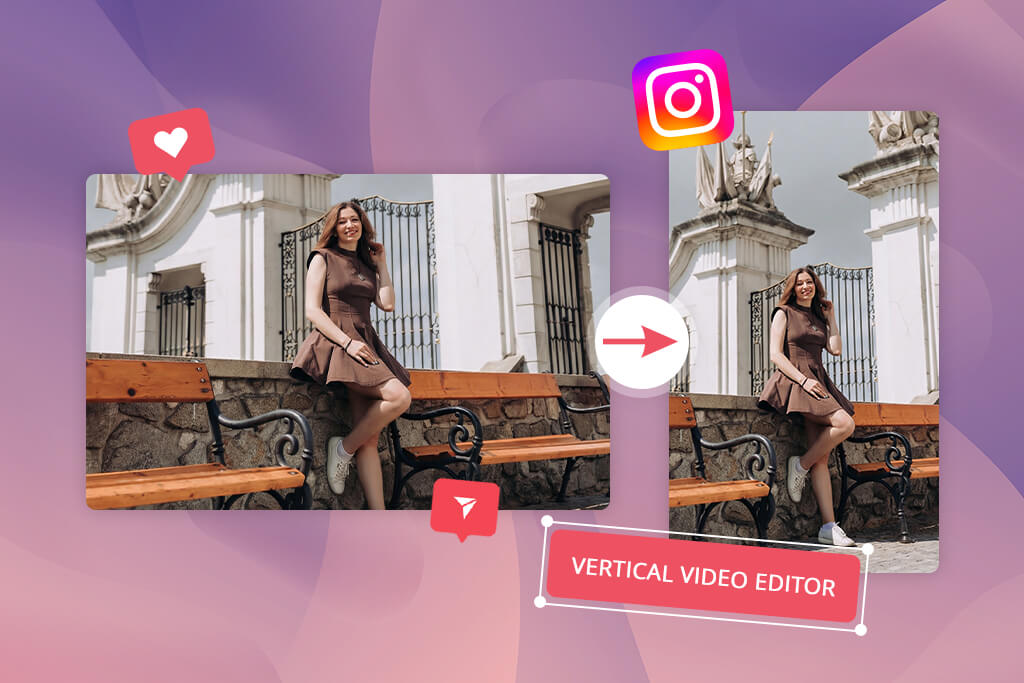
If your main focus is creating videos for TikTok, Instagram Reels, YouTube Shorts, or Snapchat, vertical video editor apps usually work much better than traditional editing software. They’re designed specifically for mobile-first content and match the way people watch short videos on their phones today.
Here’s where they usually win:
Traditional editors still excel at:
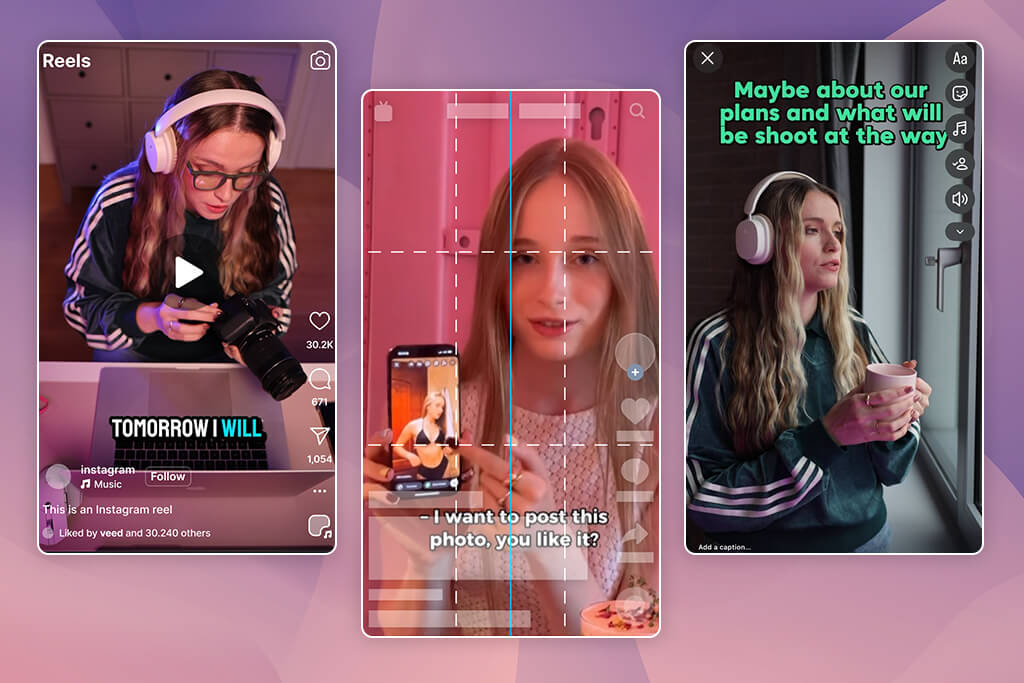
Whether vertical video editors are suitable for professional editing really depends on the kind of content you want to create.
When it comes to content for TikTok, Instagram Reels, and YouTube Shorts, vertical editing apps can absolutely produce professional-level videos. In fact, many creators, influencers, and brands use them as their primary editing tools because they’re built specifically for fast-paced, mobile-first storytelling, trending formats, captions, and social media engagement.
These apps let you create:
Those features are often all you need to produce polished, high-performing posts for modern social platforms - though these tools still come with certain restrictions.
For more advanced productions - such as films, commercials, music videos, or cinematic-style YouTube documentaries - apps for vertical video editing often become limiting because they lack:
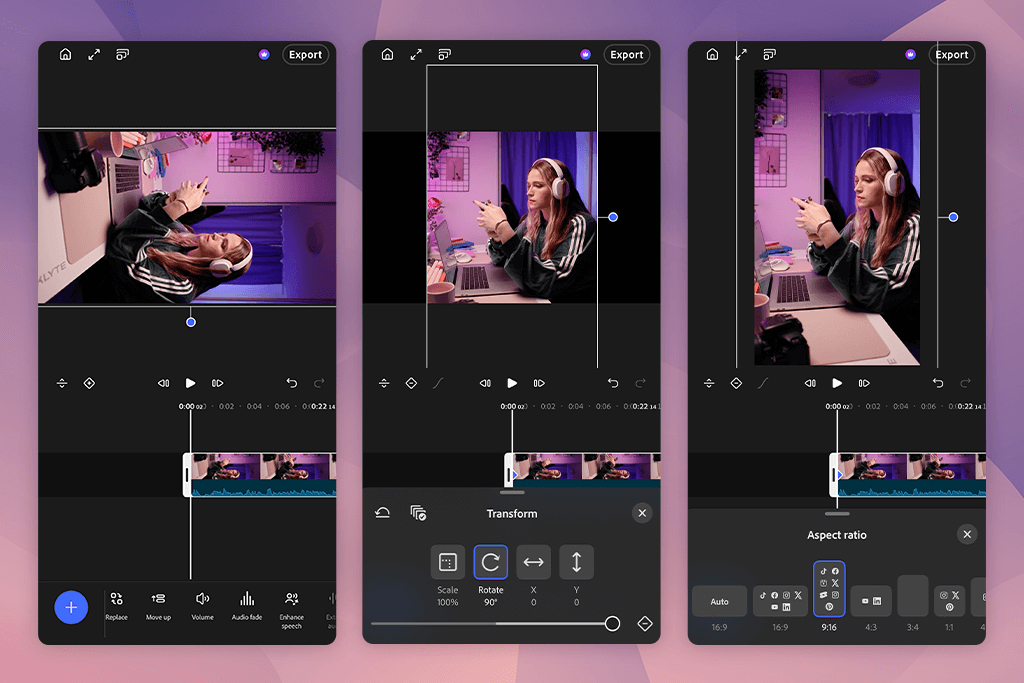
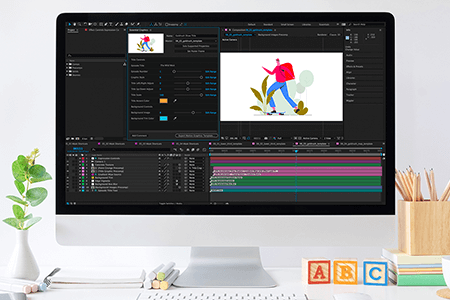
Before I tried Adobe Premiere Pro, most iPhone apps I used were only good for fast, simple edits. But Premiere Pro felt like a real professional tool that was made to work for vertical videos. I used it while making daily YouTube Shorts about AI tools and getting things done. The multi-track timeline helped me keep everything much more organized.
First, I tested how fast I could make short videos when I was in a hurry to post. I added vertical video clips, put in moving captions, layered extra footage over the main clip, matched the music to the video, and exported everything directly for TikTok and YouTube Shorts. This vertical video editor for iPhone worked very smoothly for 9:16 editing, even when I had several text and video layers stacked on top of each other. I also liked that I could quickly change the video size for different platforms without having to adjust each clip by hand.
“It took me a minute to learn, but after that, my videos looked way better than before. It feels like using a computer editor on a phone.”

What made Premiere different for me was that it was both fast and accurate. Most phone editors either make everything too simple or get too complicated, but Adobe found a good balance that worked great for creators who post a lot of content. The AI tools saved me a ton of time, especially the automatic captions, voice improvement, and sound effects made by Firefly.
I also liked how this free video editing app felt like it was made for the future. Adobe kept adding new tools, like keyframes on your phone, which made moving effects and smooth zoom-ins much easier. That really mattered because short videos depend a lot on motion and keeping people watching.
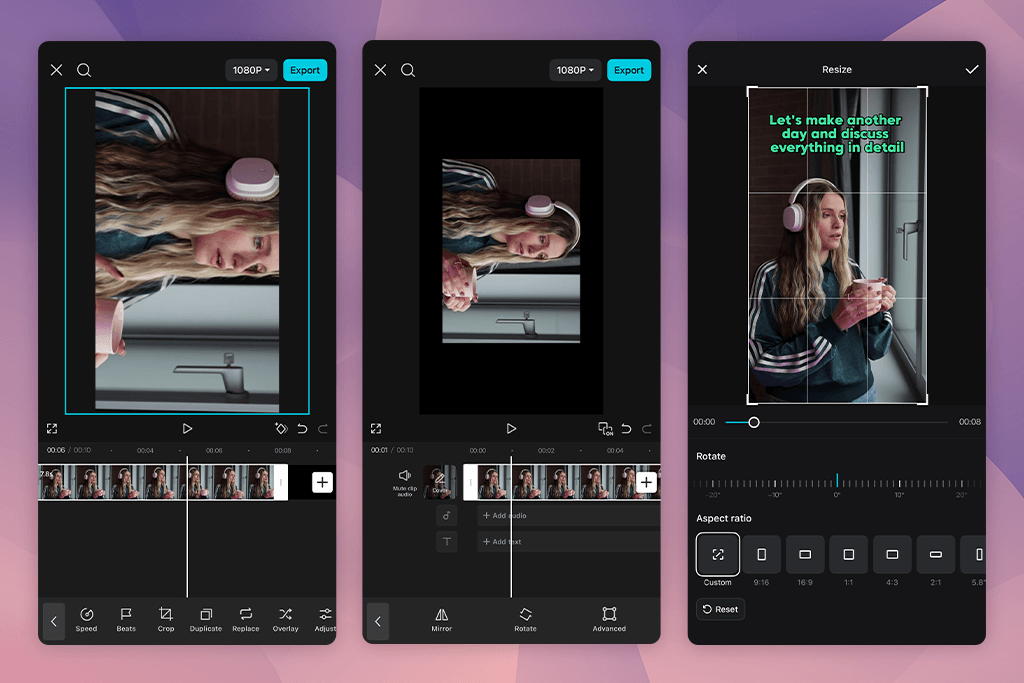
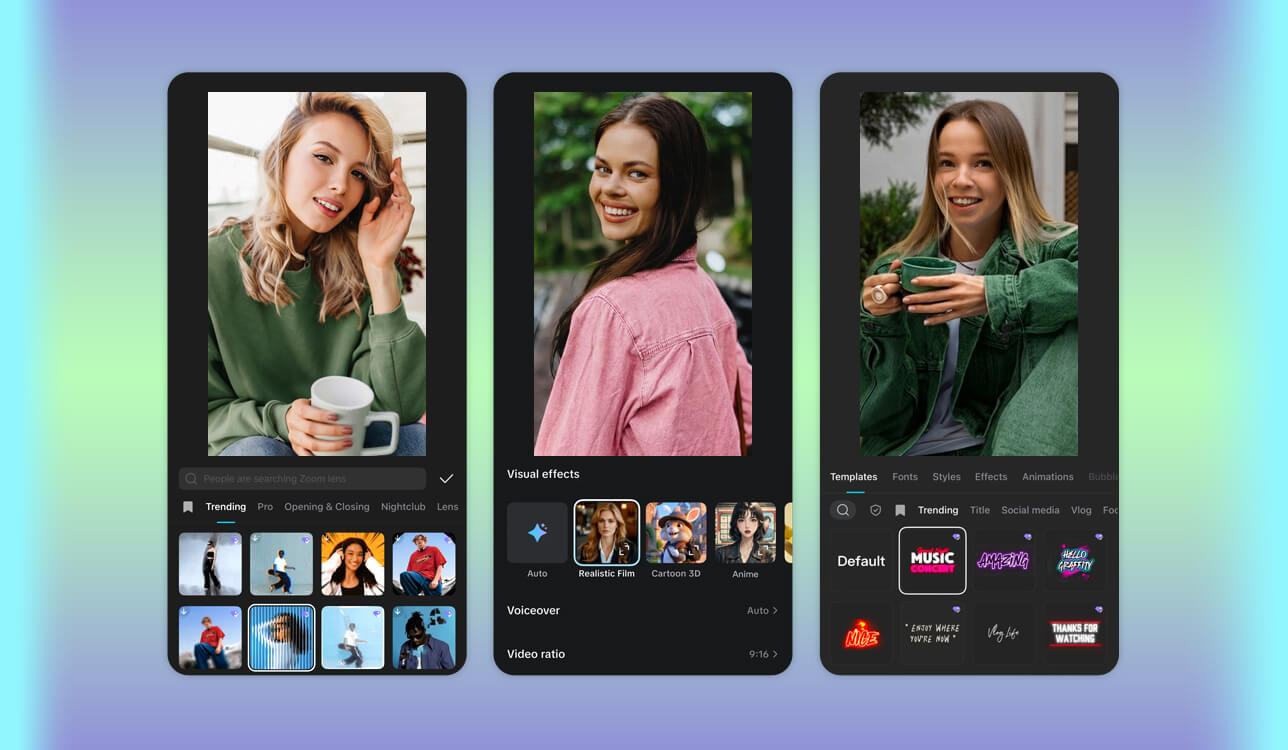
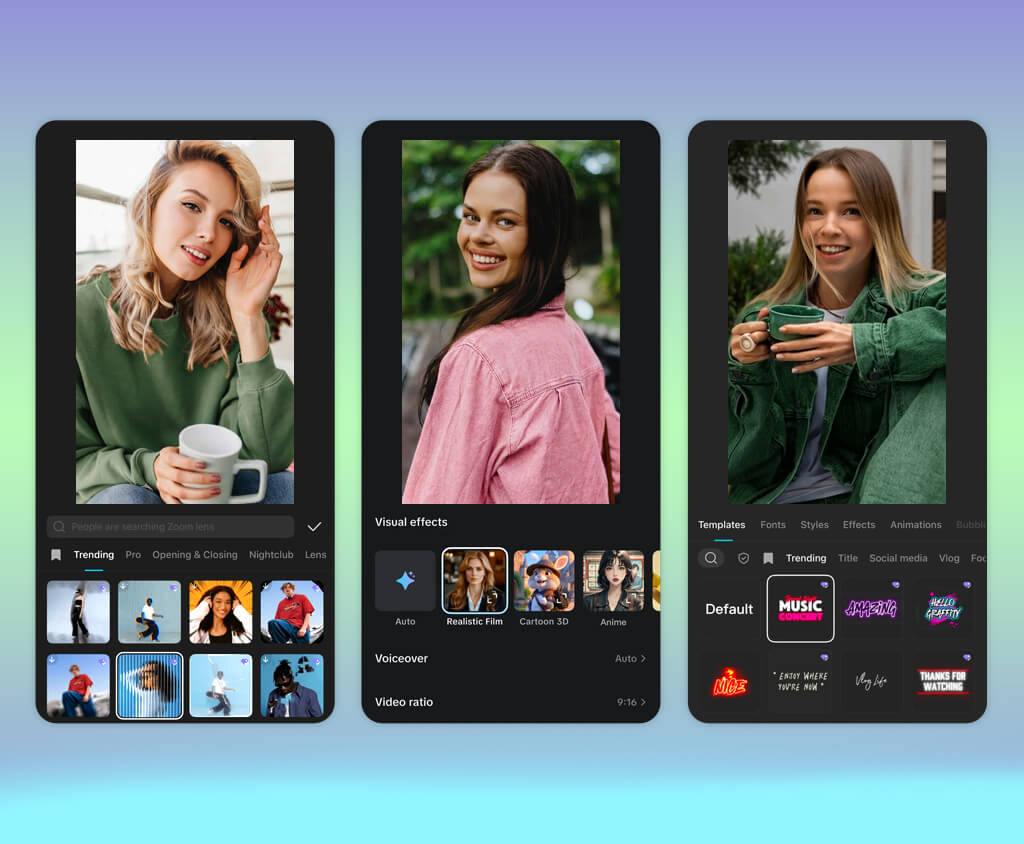
I tried CapCut early on, mostly because so many short-form creators were already using it. As soon as I opened the app, it was easy to see why it got so popular on TikTok and YouTube Shorts. The whole layout is made for making vertical videos fast, with built-in features like trendy effects, auto-captions, and ready-to-use templates.
When I tested CapCut, my main goal was speed because I had to post multiple videos every day. CapCut helped me work fast with easy drag-and-drop controls and lots of ready-made motion effects. In just a few minutes, I could make catchy intros, smooth zooms, text overlays, and clips that matched the beat of the music. That way, I could keep up with all the latest trends.
Another thing I noticed was how effectively this video editing software with no watermark is designed to boost viewer retention. It clearly understands the fast pacing of TikTok, so many of its transitions, text animations, and caption styles already reflect what tends to perform well in short-form content.
After testing several videos with CapCut templates, I found the workflow much more encouraging for experimentation compared to slower, more traditional editing software.
But at the same time, CapCut sometimes relied a bit too much on whatever was trending and its own ready-made templates. That made it easy for newcomers to make great-looking videos in no time, but every now and then, I felt limited when I wanted more freedom to shape the look myself. Still, for creators who care most about speed, going viral, and editing in a style that fits each platform, it was still one of the best tools I tried for making vertical videos.

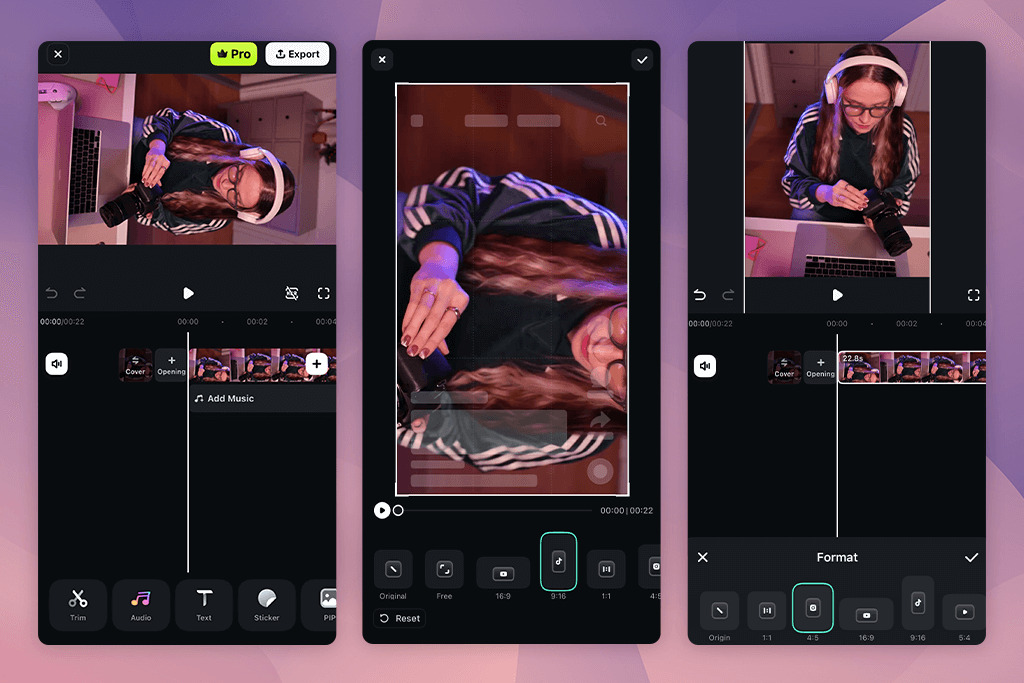
Filmora caught me off guard. I thought it would be too basic, but it turned out to be much more well-rounded. While testing it for my Shorts workflow, I saw that it mixed easy-to-use tools with enough advanced features to handle real content creation. The layout stayed clean and welcoming, yet I still had access to multi-layer editing, scene changes, visual effects, and fine-tuned sound settings.
I mainly used Filmora for educational short-form videos focused on animated text and motion graphics. It worked especially well for this style of content because the platform already includes a huge range of built-in effects designed for modern social media formats like TikTok and Instagram Reels. I also liked how easy it was to combine overlays, stock assets, and subtitles while keeping the editing process fast and fluid.
“I switched to it for the easier learning curve, and the experience has been smooth overall. The main downside is that many advanced features require the premium version.”

One thing I really noticed about this vertical video editor for Reels while testing was the smart editing tools. The auto-captioning worked well every time, and the ready-made layouts helped me turn videos into different vertical shapes without trouble. I also liked that Filmora felt less messy than some other editors that focus too much on what's popular right now.
The thing I liked most about Filmora was that it was both simple and flexible. It's great for creators who want more control than basic mobile apps give, but don't want to struggle with complex desktop software. After a few weeks of use, it felt like the perfect in-between option for people making short videos regularly.
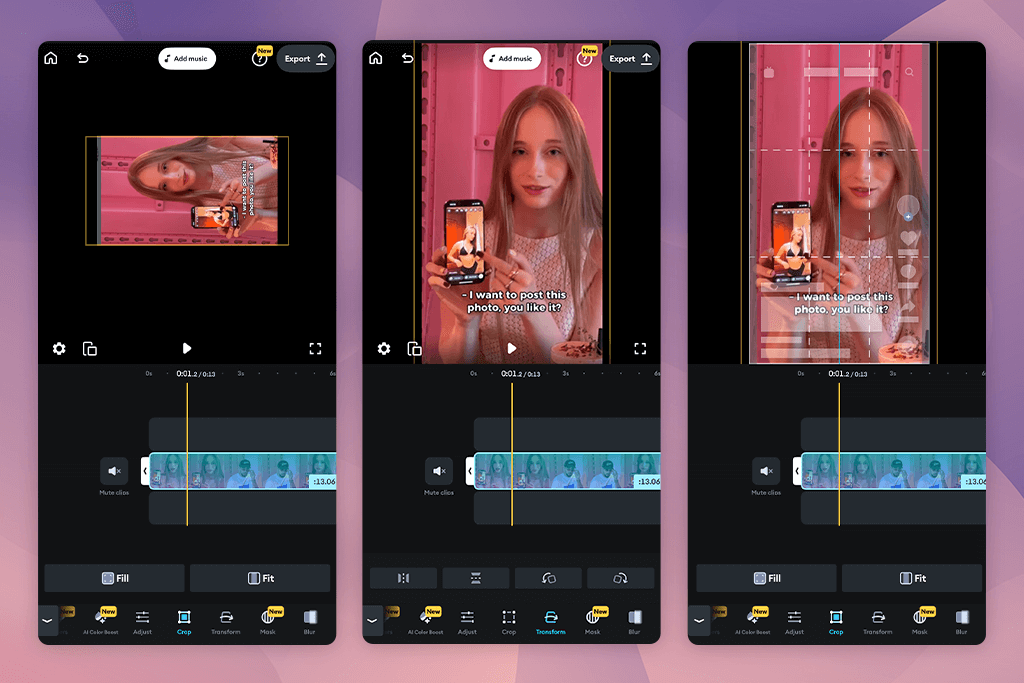
When I began testing Splice for making vertical videos, it felt clearly built for speed and ease. Unlike many other free video editors for YouTube that are loaded with complex settings, Splice focuses heavily on helping creators go from recording to uploading in the shortest time possible. I used it while putting together motivational Shorts and fast educational clips, and the app made the whole process feel light and smooth.
I paid close attention to how fast I could put together videos using just my phone when I wasn't at my usual desk. Splice worked really well for on-the-go editing since most features were only a couple of taps away, not buried in confusing menus. Adding background tracks, lining up cuts with the rhythm, shortening clips, and putting in subtitles felt natural right from the start.
This vertical video editing software was also great for emotional stories and cinematic short videos. Its transitions and audio tools made everything flow smoothly, even without advanced skills. I especially loved the built-in music feature, since matching the beat is key to holding attention on TikTok.
On the flip side, Splice clearly cared more about being easy to use than offering deep professional tools. When I tried to do more complicated edits with multiple layers or fancy moving graphics, I ran into the app's limits pretty fast.
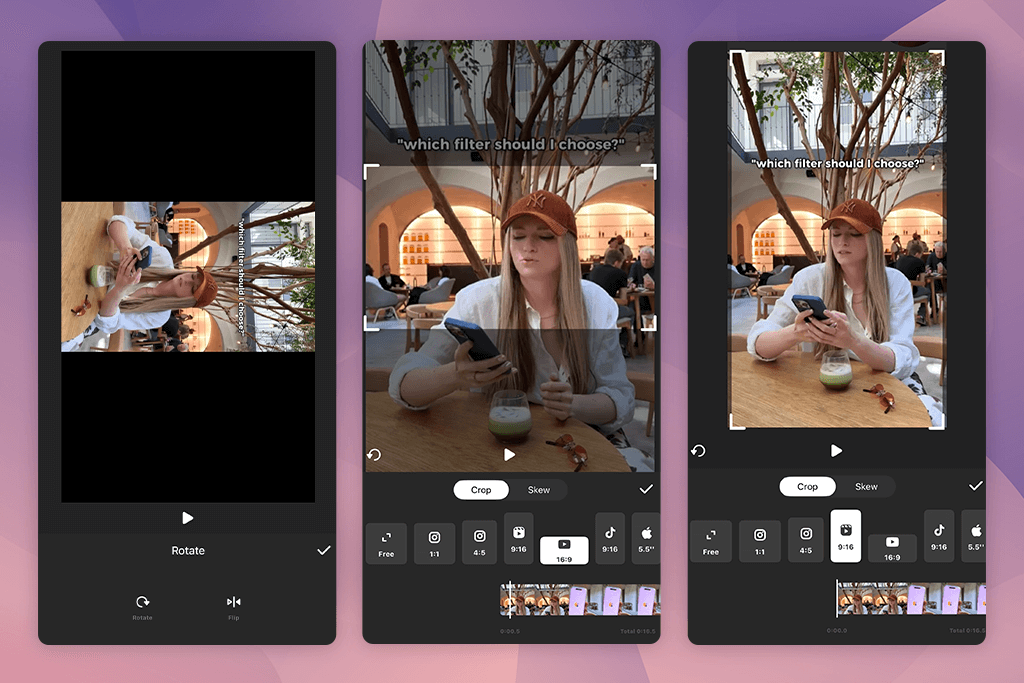
When I tried InShot, I quickly saw why so many new creators begin with it. The app takes away almost all the hassle from vertical editing, making it super easy to use for TikTok and Shorts. I used it during a time when I had to post new videos every single day, and its straightforward design turned out to be one of its best features.
I spent my trial time playing with captions, transitions, filters, and adjusting videos to fit vertical formats. InShot did all of that fast, without forcing me into hard or confusing steps. I really appreciated how easy it was to adjust a video's shape for different social sites, because I often took one clip and posted it across Shorts, TikTok, and Reels. Exporting the finished video was also faster than most bulkier editing programs I tried.
“This one actually impressed me. It’s easy to use, runs smoothly on my phone, and I can make good Instagram Reels in about 10 minutes.”

What impressed me most about this vertical video editor was how naturally the app fit a phone-based workflow. The controls felt intuitive, and making quick editing changes never felt complicated. Even during larger editing sessions, the layout stayed clear and organized, making it easy to handle regular content uploads efficiently.
Once my editing workflow became more ambitious, the software started to feel somewhat restrictive. This free video cropping software was clearly better suited for short social clips than for intricate projects with heavy compositing or film-style production. Even with those drawbacks, I kept coming back to it since most apps couldn’t match the speed and convenience it offered for creating vertical content.
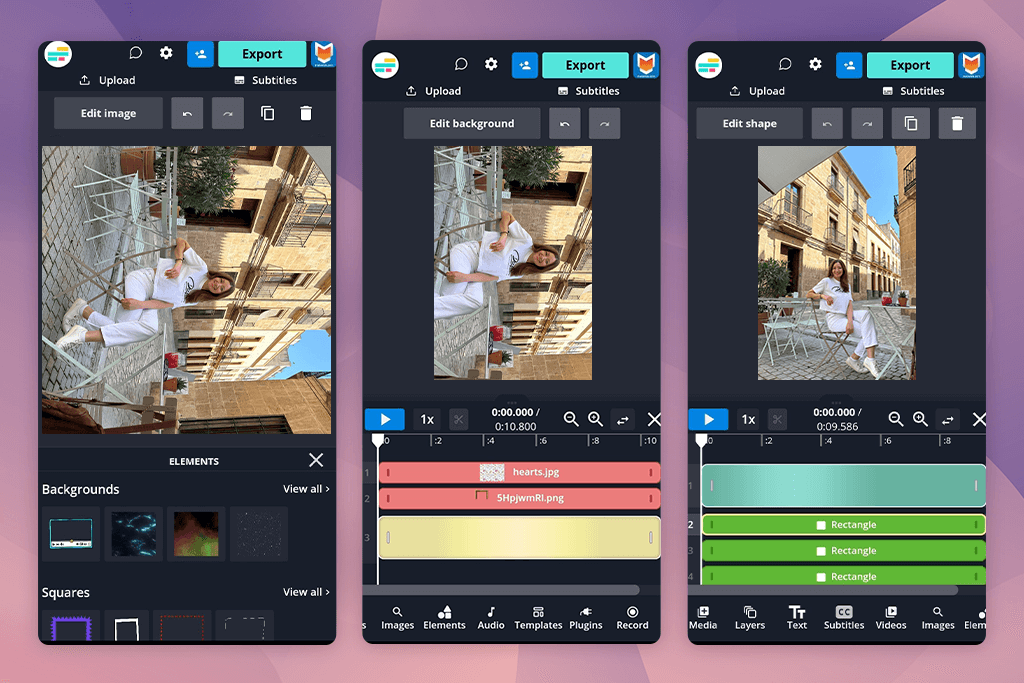
Kapwing turned into one of my go-to tools once I needed to work with other people. Unlike many phone editors, Kapwing seemed designed around online video creation and group projects. I tried it while sharing text drafts, subtitles, and cover image ideas with a team, and the web-based setup made everything far simpler to manage.
When I tested Kapwing, I really focused on tools that make videos ready for social media fast, since my project needed quick uploads. Kapwing did a great job with on-screen text, especially for educational videos where subtitles were key to keeping people watching. I also enjoyed how simple it was to make funny edits, show two reactions at once, and turn podcast clips into vertical videos without having to set up the screen layout from scratch each time.
Another big plus was how easy it was to reach and use. Some high-end editing tools need strong computers or tricky setup processes, but this online vertical video editor ran right in my web browser without making things feel sluggish. That kind of freedom really helped when I had to make fast fixes on the go or work with a team from different places. It also made it much simpler to send previews and track changes with everyone involved in the project.
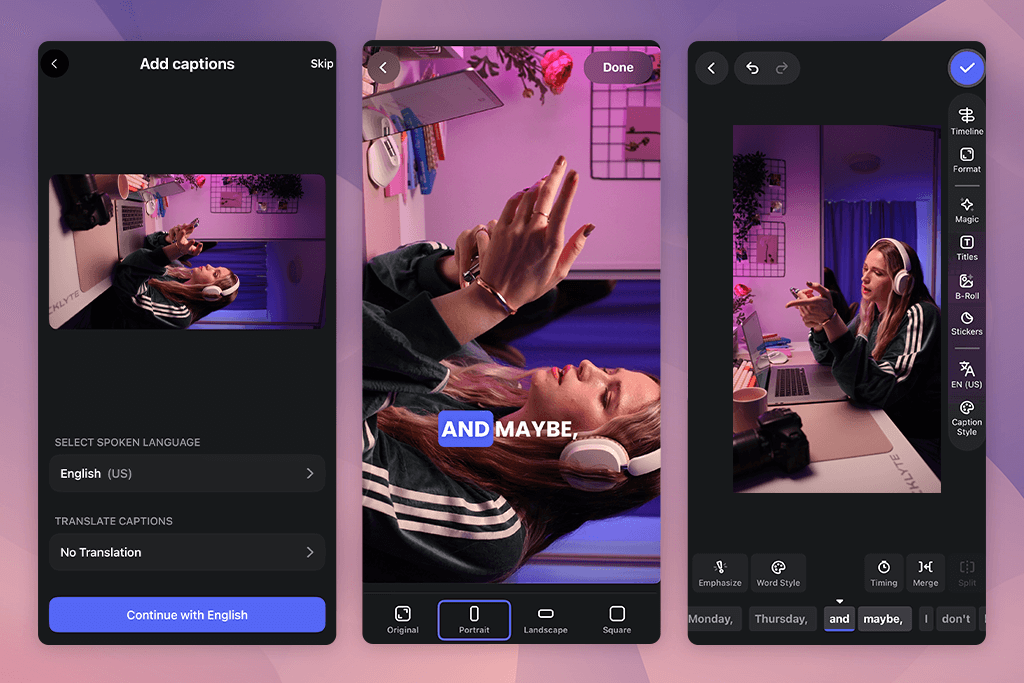
VEED felt very up-to-date as soon as I began using it for making short videos. The platform focused heavily on smart automation, text captions, and web-based editing, which fit my way of working surprisingly well. I mainly used it for educational Shorts that relied on clear subtitles and quick delivery. Since most people watched without sound, how good the captions were became one of the most important things in my testing.
The auto-caption tool of this vertical video editor for YouTube Shorts was a lifesaver. It added text almost instantly, and I barely needed to correct anything. I also loved tweaking the font, animation, and text position to get that TikTok rhythm just right. I made quite a few vertical videos using nothing but my browser, and adding overlays or transitions never slowed me down. That convenience kept me from feeling exhausted during those crazy weeks when I had to publish every single day.
“Great for fast speech-based videos and adding text. Every now and then, it slows down a bit in the browser, but overall it saves me a huge amount of time.”

VEED also worked great when I tried turning longer videos into shorter vertical clips. I could quickly trim footage to a vertical shape, adjust where people appeared on screen, and add captions without having to start over each time. For creators who want to turn podcasts or YouTube videos into Shorts, that process felt super fast and easy. The platform saved me a lot of time compared to regular editing software.
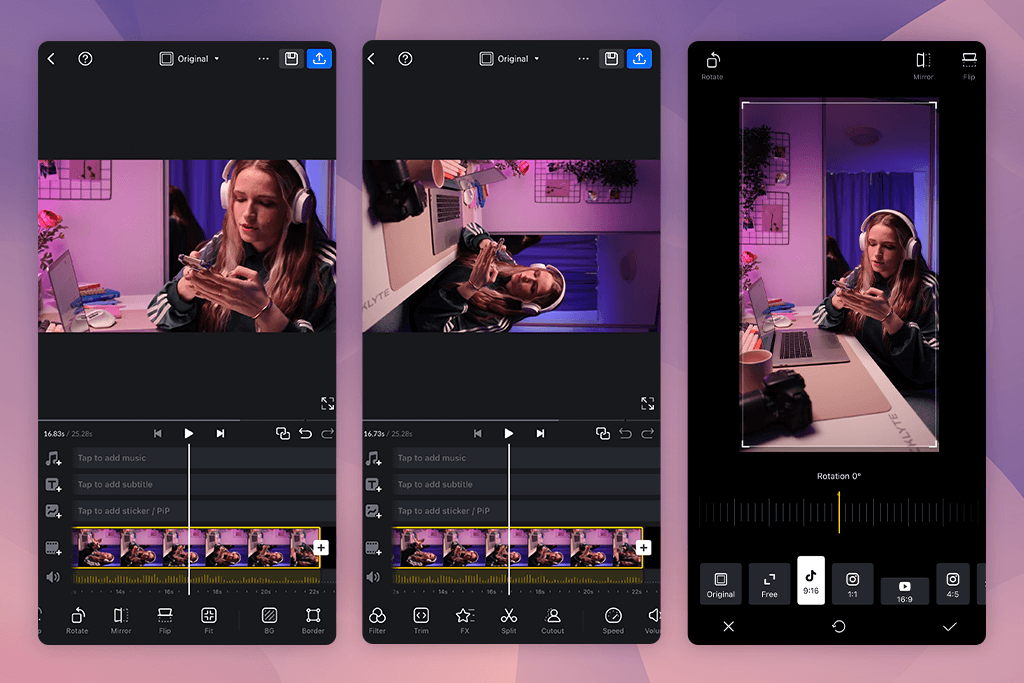
VN Video Editor really surprised me. I thought a free vertical video editor would be pretty basic, but it actually gave me a lot of control over my edits. When I first downloaded it, I expected it to feel weak compared to bigger editing programs. Instead, it turned out to be quite powerful. I used it to make motivational TikToks and educational Shorts, and the app handled multiple layers of video and text really well - even when I was working on longer projects.
When I tested this GoPro video editing software, I really paid attention to transitions, keyframe controls, and how the video flowed - because keeping people watching was everything for my project. VN let me create smoother, more dynamic movement without forcing me to rely on a bunch of presets. I could add zooms, motion effects, and adjust timing by hand, which made my edits feel more personal and less like a template.
What I also really liked was how uncluttered everything felt, even with all those powerful features available. Some apps become a total mess once you dig into their advanced tools, but VN stayed clean and easy to navigate. And the final videos? They looked sharp and professional - no annoying logos or distracting watermarks getting in the way.
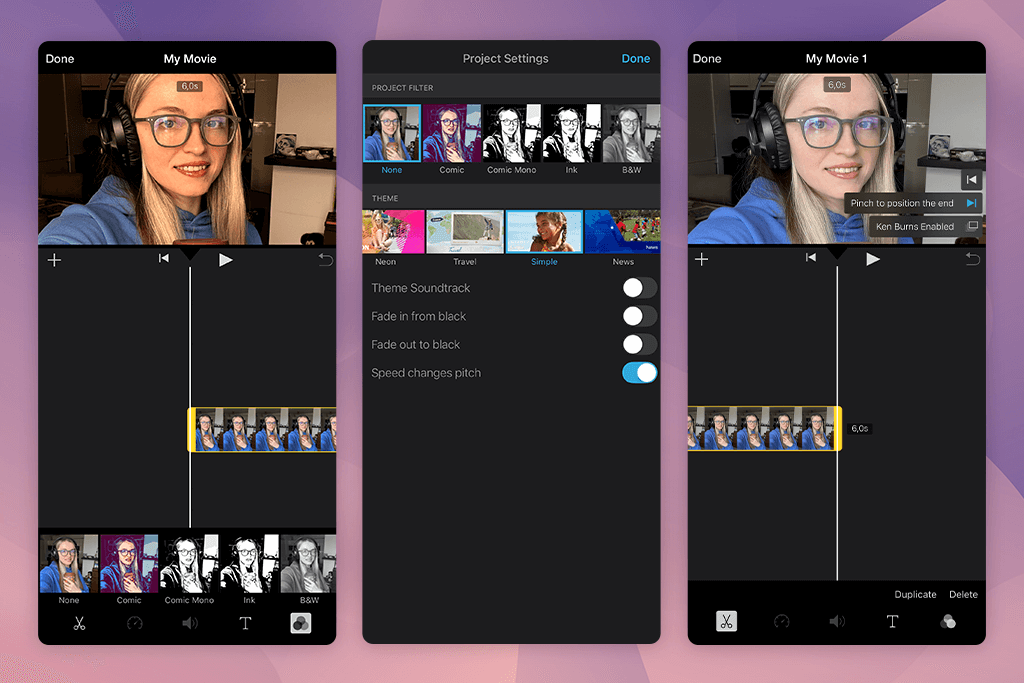
When I tried iMovie as a vertical video editor, it felt really different from other apps that are all about TikTok trends. Apple clearly designed it to be simple and dependable - not to chase whatever's popular at the moment. I used it mostly for clean, educational Shorts and videos that told a story. The editing process stayed super smooth the whole way through. The app never felt crowded with extra stuff or overloaded with flashy templates that get in the way.
The first thing that stood out to me was how smoothly iMovie worked on iPhone. Even with high-res vertical footage, playback never stuttered. I could cut clips, add scene changes, layer in music, and export - all without freezing or slowing down. And when you're posting multiple times a week, that kind of reliability is a total lifesaver.
“I still turn to iMovie whenever I need something fast and dependable. It's pretty basic next to newer apps, but it never crashes on me - and that's what matters most.”

That said, this camera app for iPhone felt more old-school compared to newer editors built specifically for TikTok-style pacing.
The text tools, scene changes, and visual effects were much simpler, which sometimes held me back from trying more creative, engagement-focused editing techniques. I often ended up making cleaner, slower videos in iMovie instead of fast-paced, highly animated shorts.
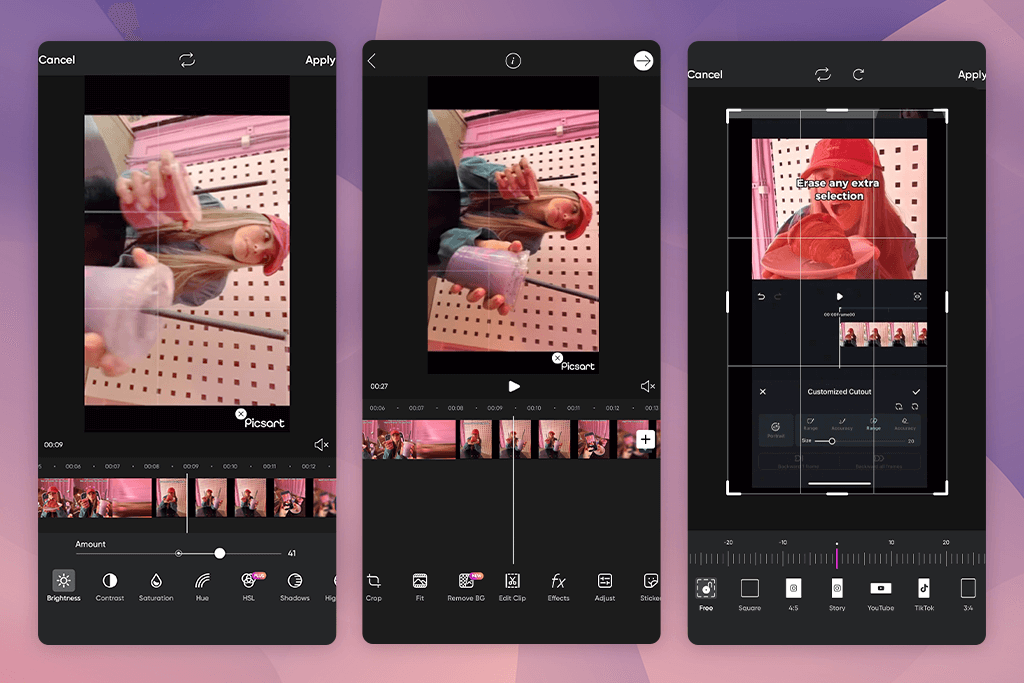
Picsart first grabbed my attention because of its creative design tools, more than its traditional editing capabilities. I began using it for highly stylized YouTube Shorts built around overlays, stickers, thumbnails, and animated text. The app clearly felt designed for creators focused on bold, attention-grabbing social media content rather than precise cinematic editing.
Most of my testing centered around branding and visual consistency since the project relied heavily on recognizable content styles. This video collage app made it easy to combine graphics, typography, effects, and layered visuals into vertical videos without jumping between different apps. I was able to build custom intros, stylized captions, and thumbnail designs entirely within the same workflow.
I also noticed that Picsart cared more about creativity than getting every tiny detail perfect. Instead of focusing on frame-by-frame accuracy, the app pushed me toward bold, eye-catching designs that work well on social media. With its templates and built-in graphics, I could put together attention-grabbing videos fast, which is especially important on platforms where you only have a few seconds to hook viewers.
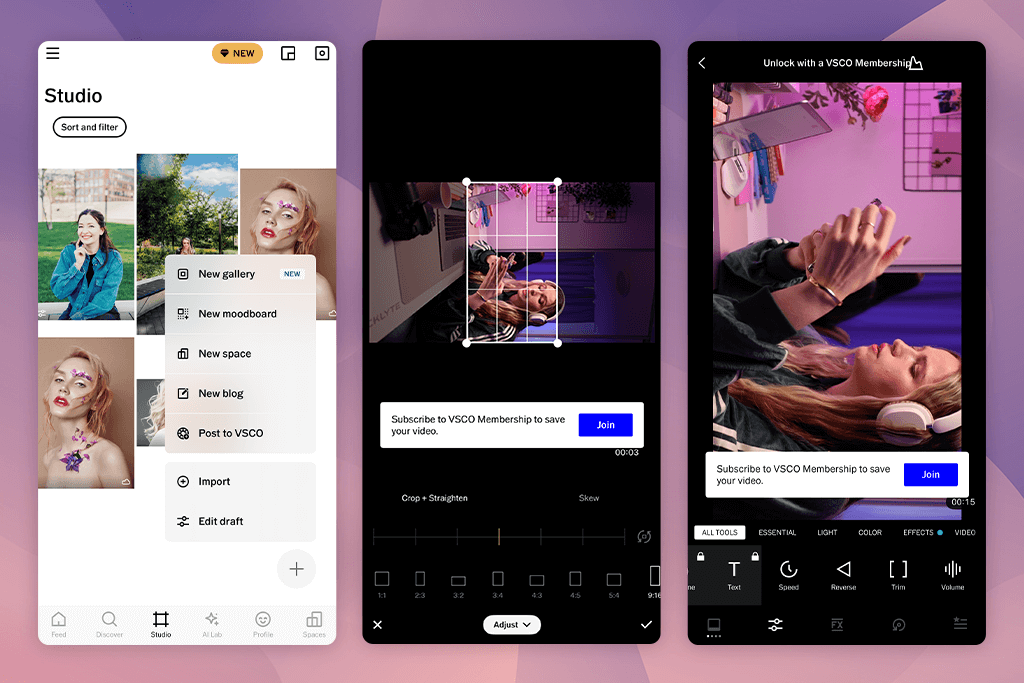
VSCO felt totally different from most vertical video editors I tried. Instead of chasing quick transitions and viral gimmicks, it focused on mood, color tones, and keeping a consistent look throughout. I used it to make calmer storytelling Shorts and cinematic lifestyle clips, and the whole editing process felt more thoughtful and artistic, like every choice had a purpose.
I started with the color features because having a clear visual identity mattered a lot for what I was making. VSCO's filters and grading tools made my vertical videos look way more polished and cohesive than anything I got from typical mobile editors. Instead of relying on crazy TikTok effects, I could build a steady, recognizable style across multiple videos.
“The filters are honestly amazing for aesthetic videos. I don’t really use it for heavy editing though - mostly for color adjustments and creating a certain mood.”
I also really loved how clean and calm the layout of this time lapse app stayed while I was editing. Some apps throw tons of pop-ups, stickers, and flashy templates at you, but VSCO kept things simple and focused on the visuals. That kind of clarity made it much easier to pay attention to framing, rhythm, and mood - instead of constantly chasing whatever trend was hot at the moment.
Together with Tetiana Kostylieva, Eva Williams, and Kate Debela, we built a testing workflow - focused entirely on short-form production for TikTok, YouTube Shorts, and Instagram Reels. Our goal was simple: identify which editors truly help creators produce engaging vertical videos faster, more easily, and with better visual quality.
We started by designing realistic test scenarios that matched the way modern short-form content is actually created. Tetiana Kostylieva worked on educational YouTube Shorts with animated captions, overlays, and rapid pacing built to maximize viewer retention. Meanwhile, Eva Williams focused on lifestyle and aesthetic Instagram Reels where smooth transitions, color styling, and overall visual harmony played a bigger role than fast-cut editing.
Kate focused on making trendy TikTok videos that matched the music beat, used movement effects, auto-generated text, and quick cuts between scenes. This helped us see how each vertical video editor handled very different creative approaches - not just sticking to one single style of editing.
When we tested the apps, we compared them on several important points: export speed, subtitle accuracy, vertical timeline performance, template flexibility, audio synchronization, rendering stability, and ease of use when creating content in large volumes.
For example, we timed how fast each tool could take a 10-minute wide podcast video and turn it into a vertical YouTube Short with text captions, scene changes, extra images on screen, and proper sizing for the platform. We also checked whether the apps could juggle several video tracks at once without skipping frames or failing to save the final file.
After testing every day for several weeks, the differences became really clear. Adobe Premiere on iPhone offered the best mix of professional tools and smooth phone-based work - especially for creators who post regularly on different platforms. CapCut did an amazing job with quick, TikTok-style edits and content built around what's trending, thanks to its ready-made layouts and features designed to keep people watching.
VEED and Kapwing really shone when it came to working in a web browser with a team and adding automatic subtitles. VN Video Editor impressed us by offering a ton of advanced editing freedom, even though it's completely free. On the other hand, apps like VSCO and Picsart were better suited for creating a consistent visual brand and telling stories through beautiful imagery - not so much for high-speed, viral-style editing.
One of the most interesting things we noticed was that different creators cared about completely different editing features depending on the type of content they made. Tetiana Kostylieva preferred editors with reliable AI captions and easy-to-manage timelines because educational videos depended a lot on clear pacing and readability. On the other hand, Eva Williams usually chose apps with better color tools and cinematic transitions since visual style and atmosphere were more important for engagement.
Because TikTok content moves so quickly, Kate Debela focused heavily on speed, trend adaptation, and beat-based editing. Her workflow revealed an important insight from our testing: the best vertical editor depends less on universal features and more on a creator’s publishing habits, production pace, and visual style.