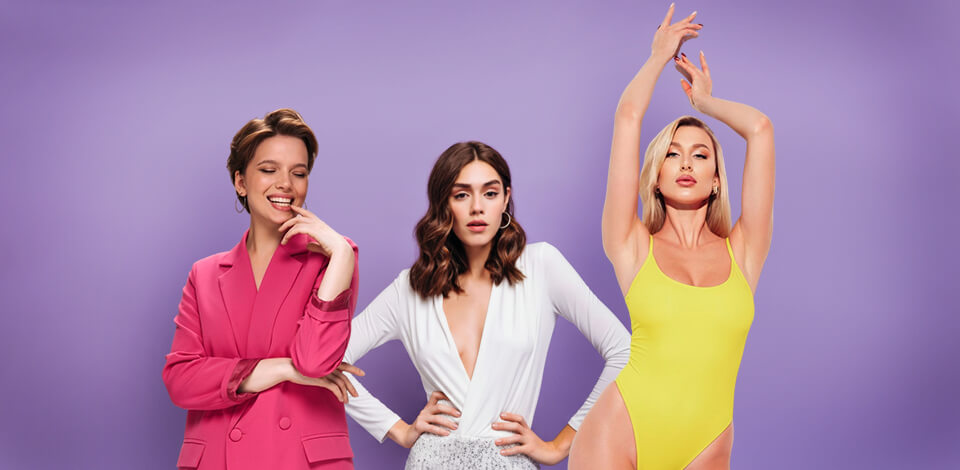
The modeling industry is not only about editorials, magazine covers, and high-fashion catwalks. One can choose between various types of modeling careers, including runway events, commercials, and AI avatars.
Whether you are interested in promoting fashion outfits in Milan, advertising sportswear for top brands, or representing skin care brands, you can quickly discover a niche that suits you best.
The modeling industry in the U.S. and around the world is transformed by modern trends. These days, it prioritizes diversity, which allows models of all sizes and ethnic backgrounds to find their place.
Nowadays, models are expected to have a strong presence on social media if they want to become in high demand across various industries and build professional careers.
Models get hired to represent products or promote concepts and ideas. Depending on the type of modeling, their job may include the following:
In the U.S., models can either get hired by agencies or work as freelancers. They need to collaborate with famous photographers, stylists, and art directors to gain visibility. Regardless of the type of model you prefer to be, you should stay a reliable professional with a strong personal brand image.
Below, we have created a comparison table to help you learn more about traditional and new types of modeling.
| Type of modeling | Focus/work | Ideal traits | Main platforms/clients | Approx. income range (USD/year) |
|---|---|---|---|---|
|
Fashion/runway
|
High-end designer shows, magazines
|
Tall, lean, high-fashion look
|
Vogue, Chanel, Prada
|
$40,000–$200,000+
|
|
Commercial
|
Ads, catalogs, campaigns
|
Expressive, relatable
|
Target, Coca-Cola
|
$25,000–$100,000
|
|
Fitness
|
Sports and wellness ads
|
Athletic, energetic
|
Nike, GNC, Gymshark
|
$30,000–$120,000
|
|
Lingerie/swimwear
|
Intimate or beachwear
|
Confident, toned
|
Aerie, Victoria’s Secret
|
$35,000–$150,000
|
|
Plus-Size
|
Inclusive fashion
|
Curvy, body-positive
|
Savage x Fenty, ASOS
|
$40,000–$150,000
|
|
Petite
|
Commercial, e-commerce
|
5’1”–5’7”, expressive
|
Fashion Nova, Shein
|
$20,000–$90,000
|
|
Body-зart
|
Product ads (hands, feet)
|
Symmetrical, flawless skin
|
Jewelry, tech brands
|
$20,000–$80,000
|
|
Mature
|
Age 40+ campaigns
|
Poised, authentic
|
L’Oréal, Dove
|
$30,000–$100,000
|
|
Digital/virtual
|
CGI and AI-based projects
|
Tech-savvy, adaptable
|
Balenciaga, Meta
|
Varies widely
|

|
Average pay |
$500 – $5,000 per show
|
|
Top earners |
Up to $20,000 per show or more. Projects for high-end designers and major fashion weeks bring higher profits.
|
|
Notes |
Most models earn money for their participation in brand campaigns and endorsements, instead of focusing only on runway projects.
|
Famous representatives: Kendall Jenner, Gigi Hadid
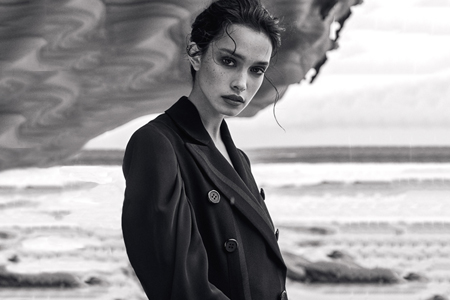
Fashion modeling photography has gained a lot of recognition. It’s basically what most people think about when they hear the word “model.” Fashion models represent luxury brands, major fashion designers, and popular magazines. Here are the main subcategories of fashion modeling:
Why it’s competitive: Fashion modeling has strict criteria. One should have the perfect posture and certain body proportions. However, due to the inclusivity trend in the U.S., models of all body types now have a chance to try out this type of modeling.


|
Average pay |
$250 – $1,500 per shoot
|
|
Top earners |
$100,000+ annually for consistent advertising contracts
|
|
Notes |
These models are featured in ads, catalogs, or TV commercials. They should have versatile talents and be reliable. These traits are more important than height or body type.
|
Famous representatives: Cara Delevingne, Chrissy Teigen
Commercial modeling is one of the most popular niches, as it allows models with different levels of experience to land various types of modeling jobs. Commercial models look like regular people. They are often featured in TV ads. Besides, you can see them featured in social media campaigns, in product catalogs, and on billboards.
Cast directors hire people of various types for such jobs. They may need to hire a smiling mother for a family-themed commercial or find a person who looks like a successful businessman for corporate or tech ads.
Commercial modeling agencies in US prefer to work with models who look natural and approachable. They prioritize expression over body measurements. Here are the main subcategories:
Commercial models often have excellent acting abilities or are successful influencers. They know how to act on camera while behaving naturally.

|
Average pay |
$500 – $5,000 per show
|
|
Top earners |
Up to $20,000 per show (major designers like Chanel, Dior, or Gucci)
|
|
Notes |
Such models are hired to work on runways during top fashion weeks for brands like Chanel and Dior. It’s important to have the right height, be able to walk down the runway, and keep the perfect posture to thrive in the field.
|
Famous representatives: Naomi Campbell, Liu Wen
Runway modeling remains one of the main types of modeling popular in the world of high fashion. It involves professional models who present clothing collections live on the runway.
One should learn how to move professionally, master the art of rhythm, and display the right attitude to succeed. It’s important for a person to carefully consider every step and ensure that the way they behave on the stage aligns with the designer’s vision.
While in most cases one should still meet certain height criteria and have specific proportions, many U.S. and foreign designers now hire mature, curvy, or nonbinary models to celebrate diversity. It makes the industry more inclusive and makes high fashion more appealing to wider segments of the population.

|
Average pay |
$300 – $1,000 per shoot
|
|
Top earners |
$5,000+ per campaign or $100K+ per year with sponsorships
|
|
Notes |
Many fitness models have gained visibility on social media. Some of them serve as brand ambassadors.
|
Famous representatives: Kayla Itsines, Jen Selter
Fitness models should be strong, energetic, and self-disciplined. Fitness modeling is all about advertising a healthy and active lifestyle. Many gyms, sportswear brands, companies that sell supplements, and popular magazines like Men’s Health or Shape hire such models.
Fitness models traditionally have been quite athletic, toned, and well-proportioned. However, while until recently the main focus was on perfection, nowadays one’s success depends on one's ability to stay authentic.
Brands prefer to hire models who can inspire their target audience and motivate them to focus on self-improvement instead of trying to conform to widely promoted ideals of beauty and perfection.
Many fitness models based in the U.S. have developed strong personal brands. They became successful trainers and influencers, using their social media to provide helpful recommendations on healthy workout routines and lifestyle.
|
Average pay |
$1,000–$10,000 per shoot
|
|
Top earners |
$50,000+ per campaign (Victoria’s Secret, Sports Illustrated, or major athletic brands)
|
|
Notes |
One should be confident in their body to advertise lingerie and swimwear. Victoria’s Secret and Sports Illustrated often hire such models.
|
Famous representatives: Hailey Clauson, Candice Swanepoel
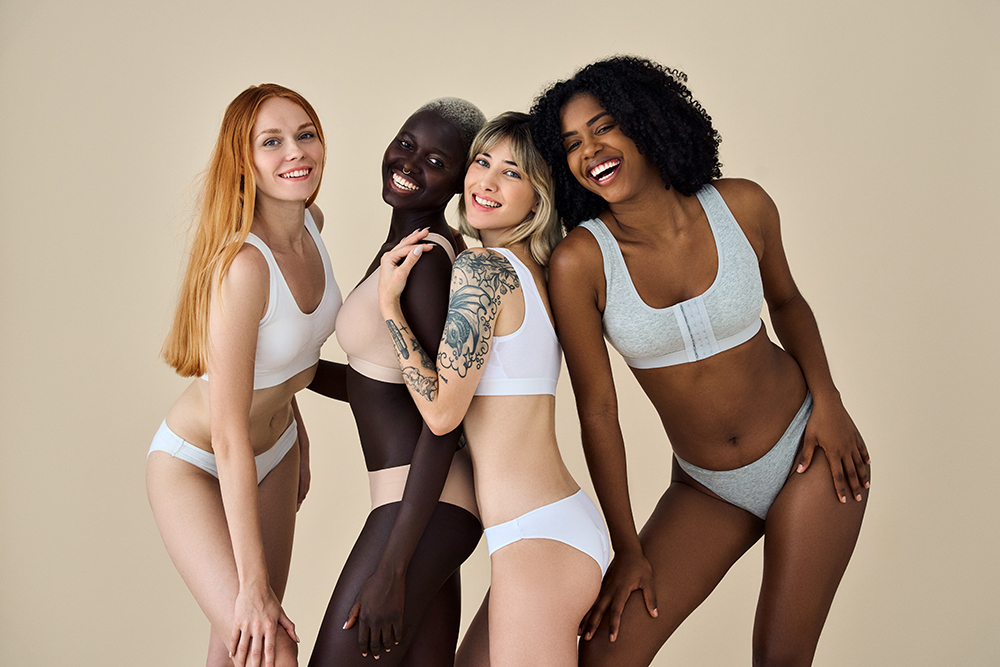
This type of modeling is for models who feel confident about their bodies and are ready to pose in lingerie or swimsuits. Brands like Victoria’s Secret, Aerie, and Sports Illustrated prefer to use such modeling types to advertise their fashion products.
Modern trends like body diversity have transformed this niche. These days, models of all sizes and ethnicities are in high demand. They should know how to pose and behave in front of a camera to achieve success in this highly competitive area.
:max_bytes(150000):strip_icc()/090618-plus-size-models-lead-5d6a7226bb2c4f67a6e58e9c8c498cf4.jpg)
|
Average pay |
$250 – $2,000 per shoot
|
|
Top earners |
$10,000+ for brand campaigns
|
|
Notes |
There is a growing demand for such models, as top fashion brands value diversity and want to represent different groups. Many plus-size models worked on projects for Vogue and represented brands on major runways.
|
Famous representatives: Ashley Graham, Melissa Viviane Jefferson
Plus-size modeling is no longer a niche practice. It has rapidly become one of the fastest-growing types of modeling in the U.S. Brands are eager to hire models who wear sizes 12+. It allows them to show that every person can be valued for their natural beauty.
Major fashion and lifestyle brands hire plus-size models. ASOS, Target, and Savage x Fenty often feature them in their campaigns. Many models have gained a lot of visibility after becoming activists, promoting self-acceptance and inclusivity.
Those who want to build a career in plus-size modeling should be well-proportioned, have a charismatic personality, and have a great posture.
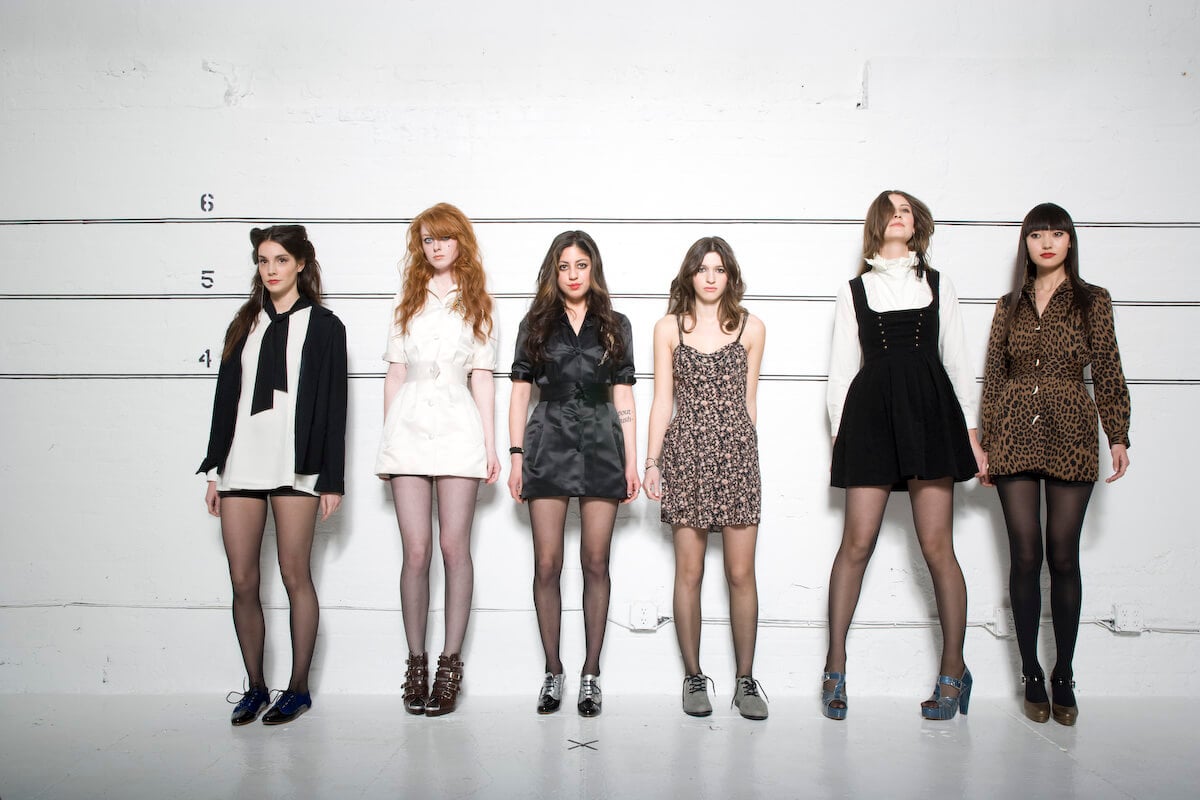
|
Average pay |
$300 – $2,000 per assignment
|
|
Top earners |
$5,000+ for brand collaborations or e-commerce campaigns
|
|
Notes |
Perfect for models who are 5’1”-5’7” tall. Such models pose for product photos for catalogs, lingerie pics, and lifestyle photos.
|
Famous representatives: Devon Aoki, Lila Moss
Petite-sized models are typically not tall enough (5’1”-5’7”) to be hired for runway. However, even though they do not meet height requirements for models, they can still be in high demand and get hired for doing commercial, lingerie, and e-commerce shoots.
As the popularity of digital fashion is on the increase, many companies hire different models to show how their clothing would look on shorter customers. People prefer to see how garments look on those who are similar to them in terms of height, so petite models have plenty of opportunities to find projects to work on.

|
Average pay |
$100 – $1,200 per day
|
|
Top earners |
$2,000+ per day for high-end beauty or jewelry shoots
|
|
Notes |
Such commercial projects require close attention to detail. One should keep their skin and nails in the perfect state.
|
Famous representatives: Ashly Covington, James Furino
This unusual type of modeling in the USA and globally is the best fit for those who have beautifully shaped body parts, like hands, legs, feet, eyes, or hair, and are ready to pose for ads and product shots.
For instance, brands often hire hand models to advertise jewelry and phones. Leg models often advertise shoes and hosiery.
Models should have flawless skin texture to secure such contracts. Besides, their hands or feet should be well-proportioned. This narrow specialization is suitable for those who fully meet the industry’s criteria.

|
Average pay |
$50 – $1,000 per shoot (depending on experience and client)
|
|
Top earners |
$5,000+ for national brand campaigns (e.g., Gap Kids, Target, Disney)
|
|
Notes |
Kids are featured in ads for brands like Gap Kids and Disney. Children should be patient and confident to succeed
|
Famous representatives: Ellie Goldstein, Kaia Gerber
Children and teens are often featured in campaigns, the main goal of which is to promote clothing items, toys, educational services, or family products. Those who feel relaxed in front of the camera and have some acting and modeling skills are more likely to succeed. Children should have the full support of their parents to engage in modeling.
In the USA, child photo modeling is regulated by strict labor laws. Children can work for limited hours and are guaranteed to receive fair wages. Many kids sign commercial modeling contracts and then try out other modeling jobs when they become older.

|
Average pay |
$300 – $2,500 per shoot
|
|
Top earners |
$10,000+ for beauty, healthcare, or lifestyle brand endorsements
|
|
Notes |
Models aged 40+ can often be seen in beauty, wellness, and lifestyle ads. There is an increased demand for age diversity in advertising.
|
Famous representatives: Maye Musk, Carmen Dell’Orefice
Many brands start hiring different types of models aged 40 years and older to reach out to specific audience segments. Such models typically have an elegant and refined look. They look confident and relatable, which allows them to promote products that may appeal to people from similar demographics.
Many skincare, wellness, and lifestyle campaigns feature mature models. Top brands like L’Oréal and Dove often hire mature models for their global ads to show that people can age gracefully and stay true to themselves.

|
Average pay |
$20 – $100 per hour
|
|
Top earners |
$2,000+ per event (large trade shows or tech conventions)
|
|
Notes |
Brand ambassadors for live events. An energetic approach, solid communication skills, and approachability will help one succeed
|
Famous representatives: Alyssa Campanella, Tiffany Toth
Promotional models work as brand ambassadors. They engage with the public during all sorts of events, including conventions and trade shows.
This type of modeling is the best fit for charismatic individuals with well-developed communication skills. They do not necessarily need to have the perfect appearance or stay in an ideal physical shape. They should know how to engage with clients, distribute samples, and serve as a living embodiment of a brand’s values.
Many beginner models use such job opportunities to develop their networking skills, gain some online visibility, and earn money.

|
Average pay |
Highly variable — $100 – $1,500 per shoot
|
|
Top earners |
$5,000+ per project or brand collaboration
|
|
Notes |
Models who manage their schedules on their own and are looking for job opportunities online. One should have a strong portfolio and be good at networking to succeed.
|
Famous representatives: Jessica Wang, Jordan Underwood
Unlike models who sign contracts with agencies, freelance models need to look for job opportunities, negotiate contract terms, and set rates by themselves. This type of modeling allows one to create their schedule independently and enjoy some flexibility.
However, one should be disciplined, excel in networking, and maintain a constant online presence to succeed as a professional. Freelancers should stay active on social media platforms like Instagram and Model Mayhem if they want to gain visibility and find new clients.
To launch their careers in the industry, many beginners start working as free models for photography sessions.

|
Average pay |
$50 – $500 per shoot (royalty-based pay possible)
|
|
Top earners |
$2,000+ per session for premium or commercial stock libraries
|
|
Notes |
Appear in generic marketing images. Versatility helps secure regular contracts and earn royalties.
|
Famous representatives: Annie Griggs, Daniel Wiseman
Stock photo models are hired to pose for pictures that can be used in advertising, on websites, or in social media publications. These general-purpose images may illustrate a variety of situations.
Such types of modelling are in high demand. However, when one engages in them, they should sign image release forms that may allow their pics to be published in many contexts. This is why one should read the terms carefully before signing any contract.
|
Average pay |
$75 – $200 per hour
|
|
Top earners |
$100,000+ annually (for long-term contracts with major brands)
|
|
Notes |
Test garment fit to help designers understand whether clothes are comfortable to wear. Consistent body measurements are necessary for a garment to stay in high demand.
|
Famous representatives: Kathy Drayton, Erica Lauren
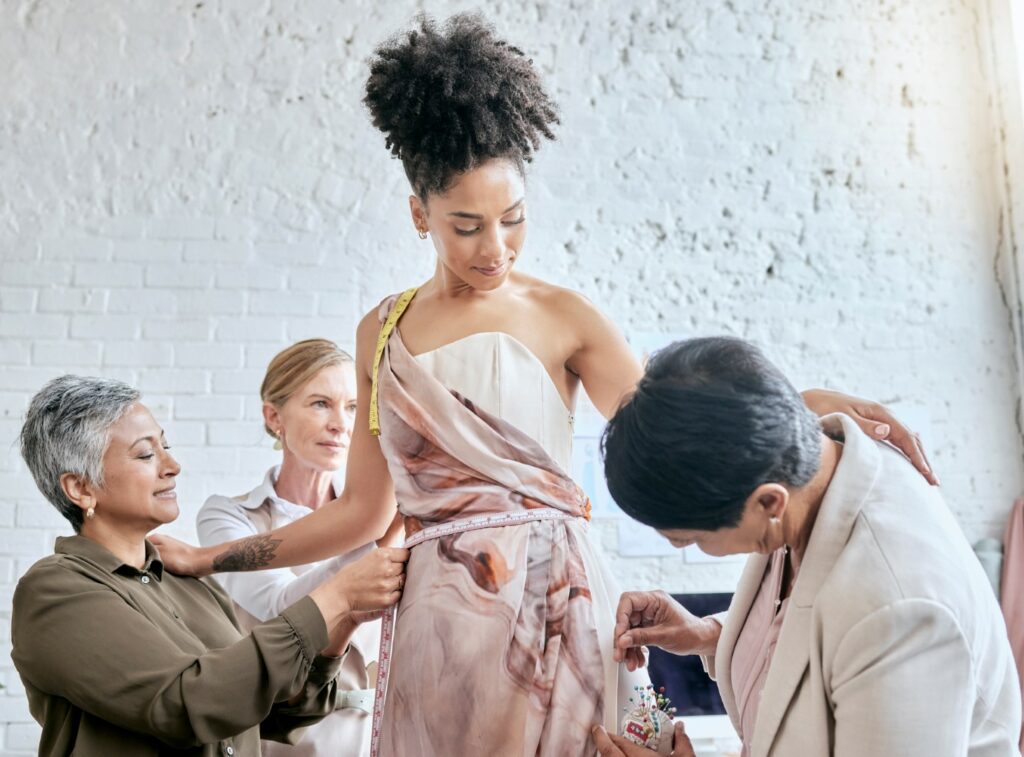
Different kinds of modeling are associated with different degrees of visibility. Fit models typically remain invisible to the general public. They are hired by fashion houses and production studios to help designers and manufacturers see how outfits would look on real people. If the garments fit, they are approved for mass production.
This type of modeling is important, as it allows brands to design products that will be used by real people. They hire fit models of all shapes and sizes to ensure that sizing for every segment of their target audience is accurate.

|
Average pay |
$100 – $1,000 per session
|
|
Top earners |
$200,000+ annually with international magazine features or OnlyFans-style content deals
|
|
Notes |
Pay depends on a specific niche, exposure, and online presence.
|
Famous representatives: Dita Von Teese, Tess Holliday
Artistic modeling is all about emotions, elaborated poses, and well-balanced compositions. This type of modeling does not prioritize commercial value. Glamour modeling focuses on beauty and the appeal of a specific lifestyle. It’s often used in fashion or lifestyle photography projects.
When experimenting with different types of modeling, one should possess a deep understanding of the artistic vision they want to convey. Besides, it’s necessary to be confident and adopt a professional approach.

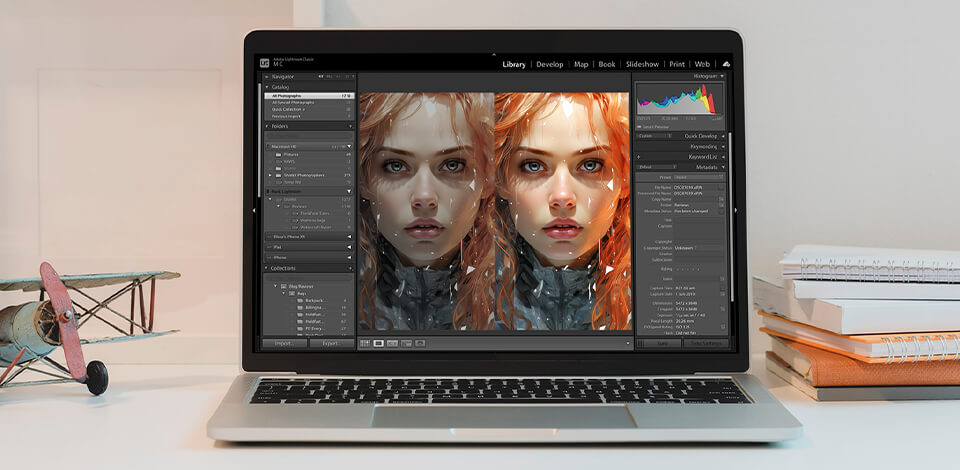
AI modeling, also known as virtual modeling, has already become a reality. It’s one of the fastest-growing segments in the fashion and creative industries. It’s strikingly different from traditional modeling, and it has already changed the way brands promote their products, implement influencer marketing strategies, and organize runway presentations.
AI modeling involves the development and use of AI-generated models. These digital models look almost like real ones. They are created with the help of powerful services like Midjourney, DALL-E, Runway, or Stable Diffusion, often with advanced 3D engines like Unreal Engine or Blender.
Some of them are created from scratch and aren’t based on real people, while others are based on real models and celebrities. AI models can assume any pose, express various emotions, and wear all sorts of outfits.
Brands can develop and launch successful campaigns using all kinds of models without spending a lot of time and resources. They can create photos and videos for ads in hours instead of spending weeks on expensive photoshoots.
|
Average pay |
$0 (for AI avatars) to $10,000+ per month (for creators who own copyrights to AI models)
|
|
Top earners |
By some estimates, AI influencers like Lil Miquela earn over $12 million a year thanks to sponsorships and brand deals.
|
|
Notes |
This field makes the line between modeling and digital art virtually non-existent. Nowadays, anyone can use tools like Adobe Firefly, Unreal Engine, and Runway ML to design realistic AI models.
|
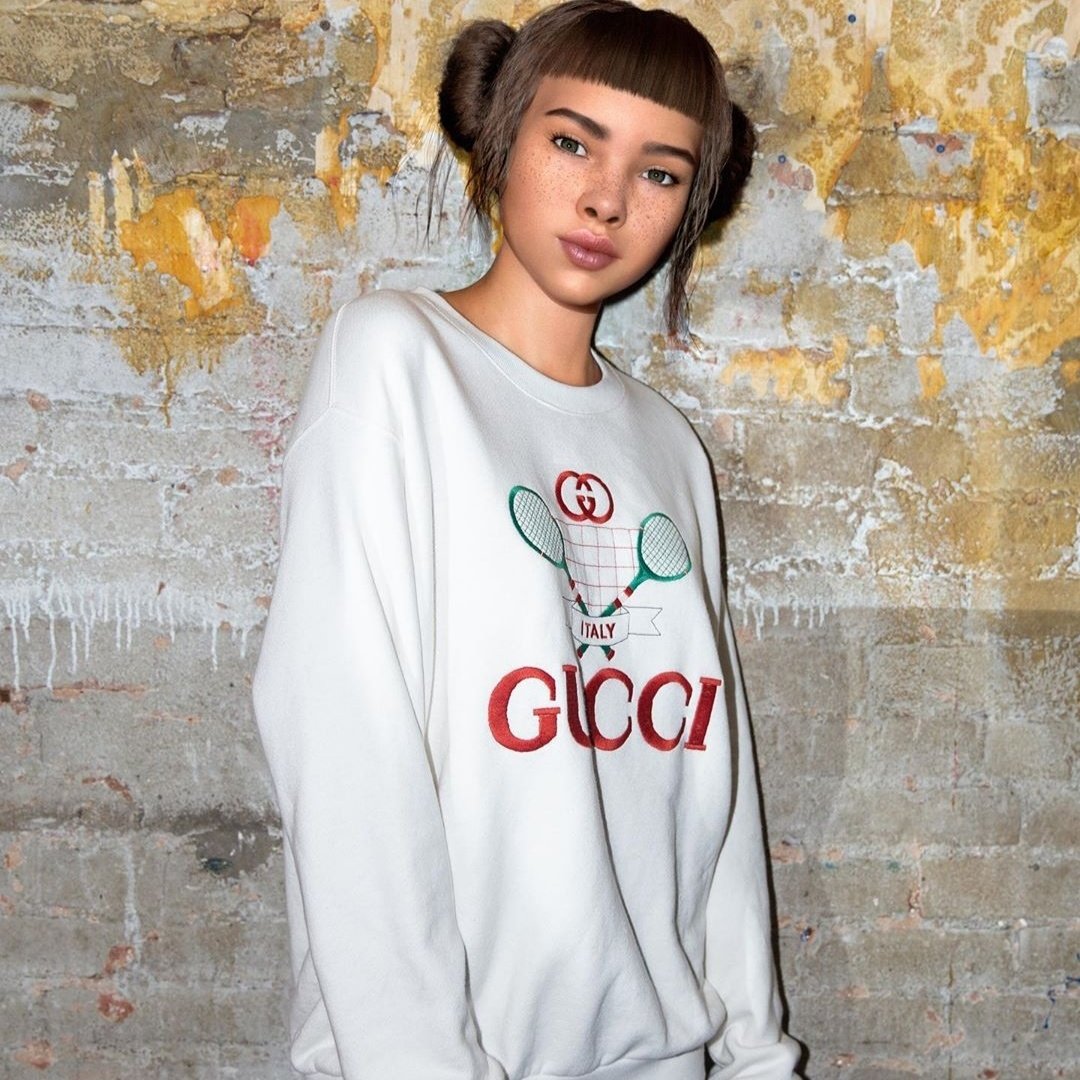

Shudu Gram is the first “digital supermodel” in the world. She was generated by visual artist Cameron-James Wilson, who has worked together with Fenty Beauty and Balmain to make her more realistic.
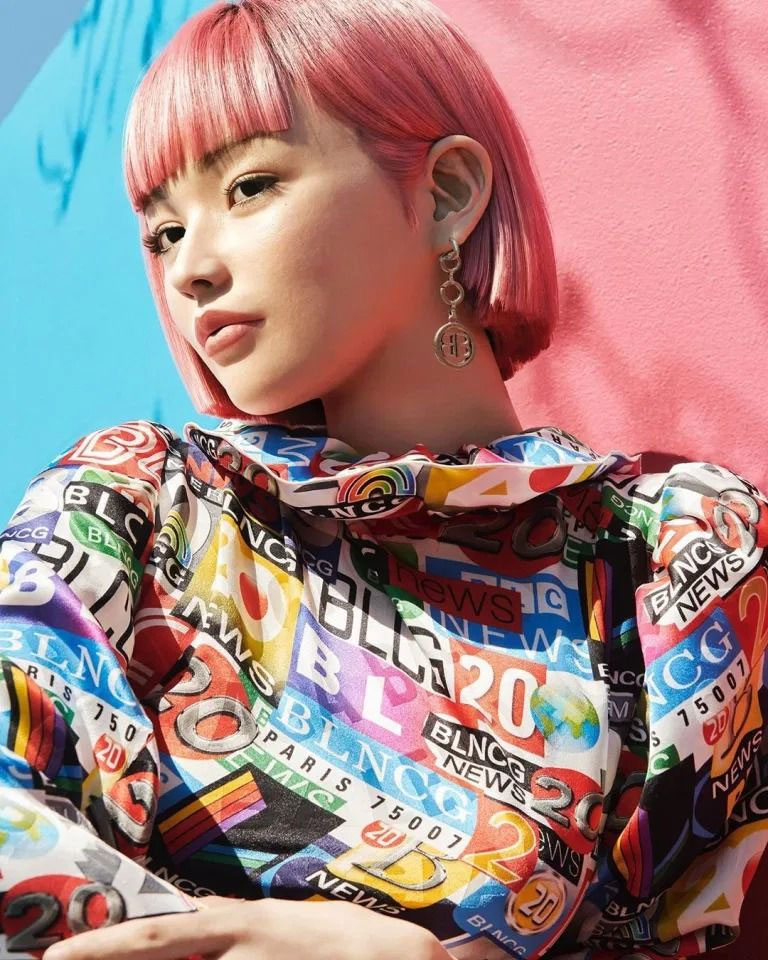
Imma is a Japanese AI model with over 400K followers who was featured in campaigns for IKEA, Valentino, and Puma.
These AI-generated model types often make fiction indiscernible from reality. They communicate with their followers on social media, attend virtual events, and advertise various outfits in brand lookbooks
The adoption of AI models is expected to become more widespread in the next few years. According to a 2024 Vogue Business report, some agencies have already switched to AI models and use them when representing their clients. The key upsides of AI models include:
Cost-effectiveness. Companies can save money on travel, makeup, lighting, or physical production.
Creative control. Brands can adjust poses, lighting, outfits, and expressions quickly.
Inclusivity. AI models can be designed in different ways. It allows them to represent various body types and ethnicities that aren’t often seen in traditional modeling.
Sustainability. Minimizes carbon footprint and waste from large photoshoots.
However, many critics voice serious concerns regarding the following issues:
Job displacement. Human models, photographers, stylists, and MUA professionals fear fewer opportunities as brands shift toward digital avatars.
In the U.S. and Europe, there are many well-known agencies like The Diigitals, Aww Inc., and VModel that already use AI versions of human models to produce advertising content. According to some estimations, up to 15–20 % of online fashion content might feature AI-generated or hybrid models by 2030.
Despite this, many experts consider AI modeling as a useful tool that can help human models more successful without replacing them.
Discover your main strengths. Be sure to make an unbiased assessment of your appearance. Consider your height, body type, and the way you behave in front of the camera. If you are quite tall and have an attention-grabbing bone structure, you might consider runway or fashion modeling.
If you have a relatable appearance, consider commercial modeling. Your charisma and self-confidence will help you connect with the audience and will make you more memorable than other models with a similar appearance.
Find reputable agencies. Not every agency is the best choice for building a modeling career. Many of them have a narrow specialization. For instance, some of them may specialize in fashion and editorial work. Others offer more opportunities in commercial, fitness, or influencer modeling.
Be sure to learn whether a particular agency represents models who are somewhat similar to you. If so, the agency may be interested in signing a contract with you as well. Before contacting an agency, be sure to check whether its website is legitimate and read online reviews. It will help you avoid scammers.
There are plenty of well-established agencies like Ford Models, IMG, and Elite Model Management. You may also get in touch with small boutique agencies that provide personalized career development opportunities and allow you to find your place in the industry faster.
Create a professional portfolio. Your portfolio tells your clients about your talents. Be sure to invest in professional modeling photos. Book a photo session that will help you demonstrate the versatility of your talent. Add full-body photos, headshots, and natural light portraits to your portfolio. It’s better to include high-fashion shots and lifestyle pics to showcase your range.
These days, it’s important to have polished digital portfolios and maintain social media presence on Instagram and other social networks. You may need to use Adobe Lightroom or Photoshop to enhance your photos before publishing them online.
Be reliable and trustworthy. To become successful at different kinds of modeling, you need to stay professional at all times. Your success depends on your reliability, not only on your looks. Come to an event or a shooting on time, reply to casting calls promptly, and become known as a person one can rely on.
Update your social media regularly and invest your time in networking to show agencies and clients that you are focused on your career. While your talent is what will give you visibility and recognition, it’s your reliability that will ensure that you will get booked repeatedly.
Stay healthy and confident. Modeling can be challenging on many levels, both physical and mental. Follow a balanced diet, exercise regularly, and establish a skincare routine to look healthy all the time. Taking care of your mental state is crucial. You will have to learn how to handle rejections with grace.
You should feel confident even if you realize that you aren’t perfect. It’s important to stay comfortable with your appearance and discover a source of energy inside you to maintain a strong presence during every photo shoot or runway show.
Do not underestimate networking. The right connections can still be quite important for those who want to succeed in the fashion world. Be sure to attend casting calls, explore new networking opportunities at industry events, take part in workshops, and don’t be hesitant when you have a chance to get acquainted with photographers, stylists, and other models.
You may also participate in online communities on platforms like Model Mayhem, LinkedIn, or Instagram. It might help you discover new collaboration opportunities.
Consider industry trends. The modeling industry is in a state of constant development. One season it might prioritize natural beauty and inclusivity, while another, it focuses on AI avatars and virtual campaigns. It’s important to learn more about the current trends in fashion and digital media as well as keep up with photography trends.
Be sure to discover how to utilize AI tools, including Adobe Firefly or Runway ML. It will allow you to produce content consistent with your branding style and work on virtual modeling projects.