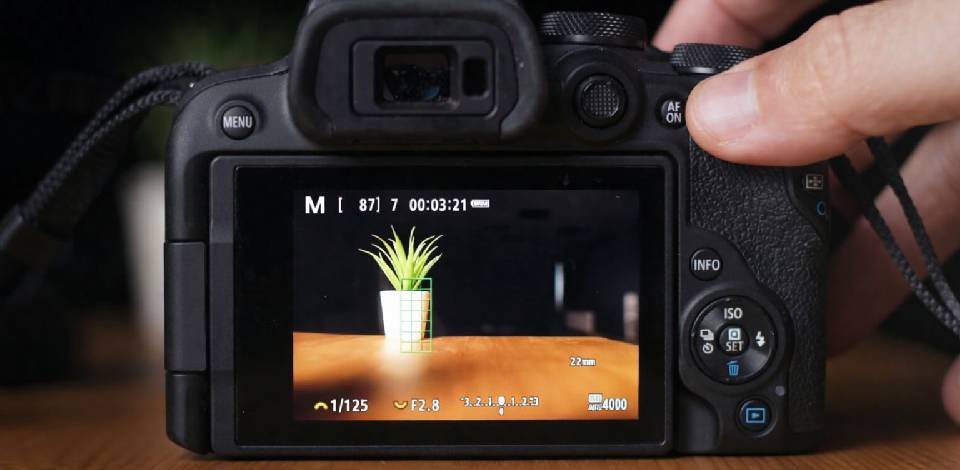
A viewfinder is an element of a camera that allows you to preview the scene and create a well-balanced composition. Using a viewfinder, you can focus your attention on the scene and avoid distractions. It’s handy for owners of cameras fitted with LCD screens, as it might be challenging to use them in bright sunlight.
There are two types of viewfinders: optical (OVF) and electronic (EVF). Even though both can be used to preview an image before shooting, they function differently, and each has its own advantages and shortcomings.
Working as a photographer at FixThePhoto, I have used different viewfinder camera models in all sorts of shooting scenarios. In this detailed guide, I will shed light on the difference between them, consider their strong and weak points, and explain when one should use them.
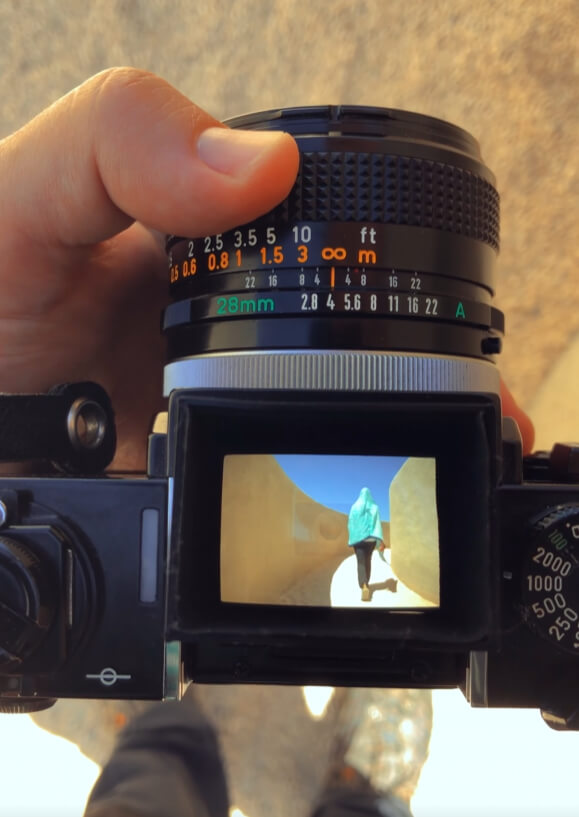
This important part of a camera enables you to see what happens in the frame via the lens using a complex system of mirrors and prisms available in DSLR cameras or through an optical window in rangefinders. Whether you have a wireless viewfinder camera or a regular model, you can see a real-time preview of the scene without any lag. As there is no electronic processing, the image remains clear and realistic even if you shoot in poor light conditions or adjust exposure settings.
An electronic viewfinder (EVF) is a small display that allows a person to preview what the sensor sees in real time. What makes it different from an optical system is that the EVF allows you to see an image as it will be captured with a camera, with the right exposure, white balance, and depth-of-field settings.
This type of viewfinder is especially useful for those who have a mirrorless cameras, as they do not have a reflex mirror to support an optical path. It means that you will see the exact image that will be captured by your WiFi viewfinder camera or any other model.
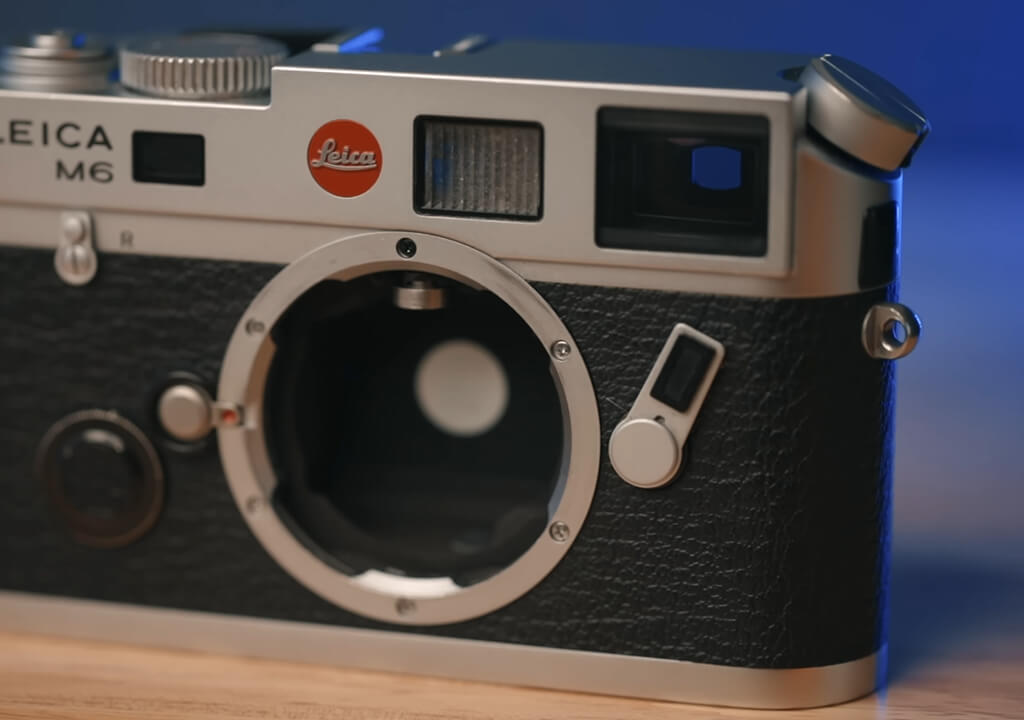
Some expensive film cameras, like the Leica M series, come with a rangefinder-style optical viewfinder that doesn't allow a user to get an actual preview via the lens. However, you will still see a framed approximation overlaid on a wider scene. It will enable you to see when a subject enters the frame.
This setup is especially useful for street photography, as it allows you to change your actions depending on the events happening in the frame. Many professional photographers still use such classic rangefinders and prefer them over modern EVFs or SLR-style OVFs. I have also tested a film waist level viewfinder camera and discovered that it was quite reliable.
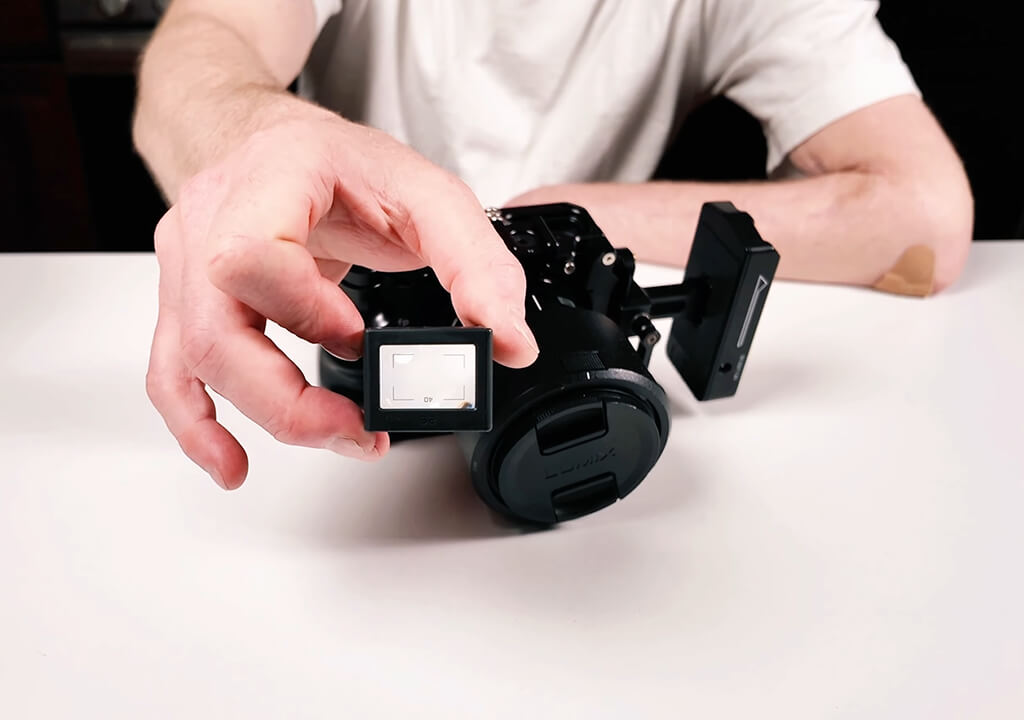
Based on my years of experience, the choice between an OVF and an EVF depends on the subject you are shooting and the location of a photoshoot. When working outdoors on sunny days or shooting dynamic events with many people, like weddings or busy streets, I use a DSLR camera with an optical viewfinder. It allows me to capture high-quality images without any lag. Besides, the battery lasts the whole day. When it’s important to minimize reaction time, the OVF allows me to focus on my tasks without using extra overlays or getting distracted.
At the same time, when I need to take product photos, capture picturesque landscapes, or do some work at the studio, it’s much more convenient to use an electronic viewfinder than a vintage viewfinder camera. It allows me to see the result of exposure adjustment in real time and understand when white balance and depth of field change. I also like using EVFs when working in poor-light conditions where optical viewfinders are virtually useless. With EVFs, I can zoom in to focus on the subject manually, which is really helpful when I shoot with a lens wide open.
There are some disadvantages as well. After working with an EVF for several hours under sunlight, I feel that my eyes are strained. In these situations, I switch back to an OVF to save battery and give my eyes some rest. However, if I need to take a controlled series of shots and avoid noticeable highlights, I use EVFs to achieve better control. When shooting videos, I use EVFs, as they allow me to see a live preview of exposure and focus shifts.
Summing up, I do not believe that one is necessarily better than the other. OVFs facilitate saving battery life. Besides, they support higher clarity and speed. EVFs are best suited for high accuracy and live preview. They can be used in poor light conditions. If you work on different types of projects, it’s better to use both or choose a viewfinder that is best suited for a specific situation. You can easily find a viewfinder camera under 200 USD if you are on a tight budget.
Diopters allow you to adjust the sharpness of the visual you see through the viewfinder to see it clearly. If the image looks blurry even when the lens is focused properly, you may need to calibrate the small dial next to the viewfinder. You will typically see it near the eyepiece. I prefer to calibrate mine before taking photos, especially if I have recently bought new contact lenses. You should be able to see the focus points and the camera information without any blur. Make sure to adjust the dial until this info becomes easy to read.
Yes, especially if you have an optical viewfinder. DSLR OVFs allow you to see what happens in the frame through the mounted lens. It allows you to assess its field of view and depth of field. If you use a slow-mounted lens, the view will be blurrier than with a prime lens, as the latter is faster. Mirrorless cameras fitted with EVFs allow you to see how exposure and color rendering change depending on the lens’s settings. Instead of allowing you to preview the result, it directly shows what the sensor sees in real time.
Some users ask: “Where is the viewfinder camera on Moto G7?” However, smartphones already have a screen that doubles as a viewfinder, so there is no need to add an extra one. On sunny days, a screen’s surface may become reflective. You won’t face this issue when using a traditional camera with a dedicated viewfinder. External phone camera lenses may recreate the effect produced by EVFs by adding a shade, but the output will never look the same. This is why I still use mirrorless or DSLR cameras for professional work. A 35mm waist viewfinder camera might also be useful for some situations, especially when you need to take shots from a lower angle.
Yes, even though both of them allow a photographer to see a digital preview, EVFs typically have higher refresh rates and reduced lag if you compare them with the main screen. When using mirrorless cameras, I have discovered that the EVF is sharper and more responsive when I need to track motion. While you can disregard this lag in some situations, it becomes more noticeable in low light.
It’s more reliable than any OVF. When I use my OLED viewfinder camera, I often have to use focus magnification. Pressing the button allows me to zoom into the focus area and achieve higher sharpness. Some models also add focus peaking overlays and highlight the edges of an object that is currently in focus. When I take portrait photos with a shallow depth of field, it allows me to achieve higher quality.