Working as a photographer and retoucher at FixThePhoto, I often look to the past for inspiration. French photographers have made a great impact on photojournalism, street shots, and fashion photography. Henri Cartier-Bresson and Robert Doisneau are true legends who shaped how we see the world through a lens.
I decided to write about French photographers to shed light on their recognizable styles and lasting influence. Besides, I wanted to define how they affected my approach to photography and retouching. This blog article is a way of giving credit to their talents and efforts, as well as sharing valuable knowledge with colleagues.
French photographers are great at turning simple scenes into emotional stories. Their photos often feel natural and unposed, with soft light and real-life moments.
They don’t fuss over every detail, and that’s part of the charm. I’ve always wondered how they manage to say so much with just a click of the shutter.
Henri Cartier-Bresson
Tip: Instead of just glancing, look closely. Stay in step with your subject. Enable continuous shooting mode in your camera for photography and opt for a fast shutter speed. It’s not about being in full control. It’s about going with your gut. Let your eye learn to spot the perfect shot just before it unfolds.
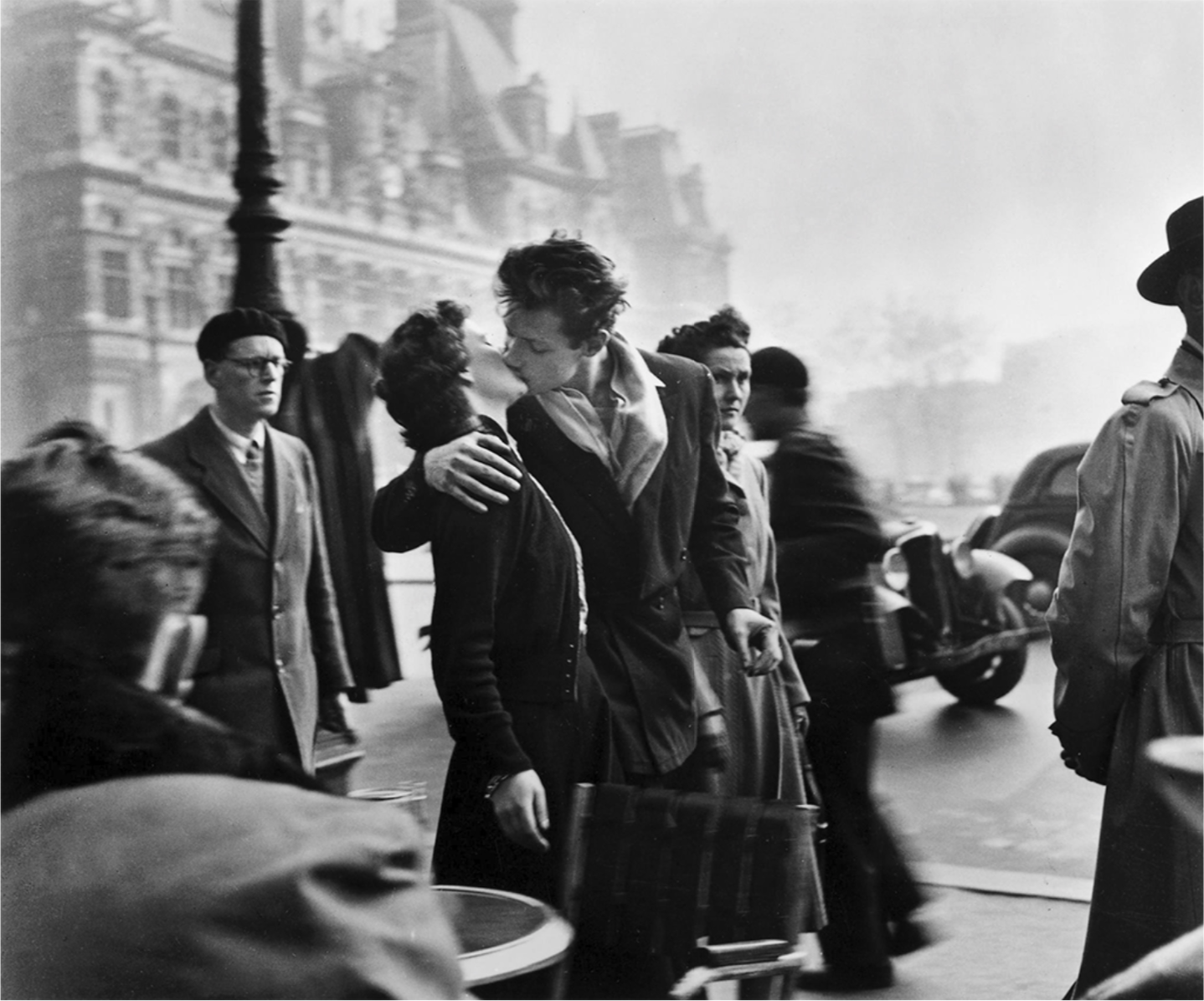
Robert Doisneau
Tip: Be moderate with photo editing. Preserve the grain, shadows, or movement if they align with the mood and the message. Have a look at Robert Doisneau’s The Kiss by the Hôtel de Ville (1950). It isn’t crystal clear, but the soft blur makes it even more romantic and memorable.
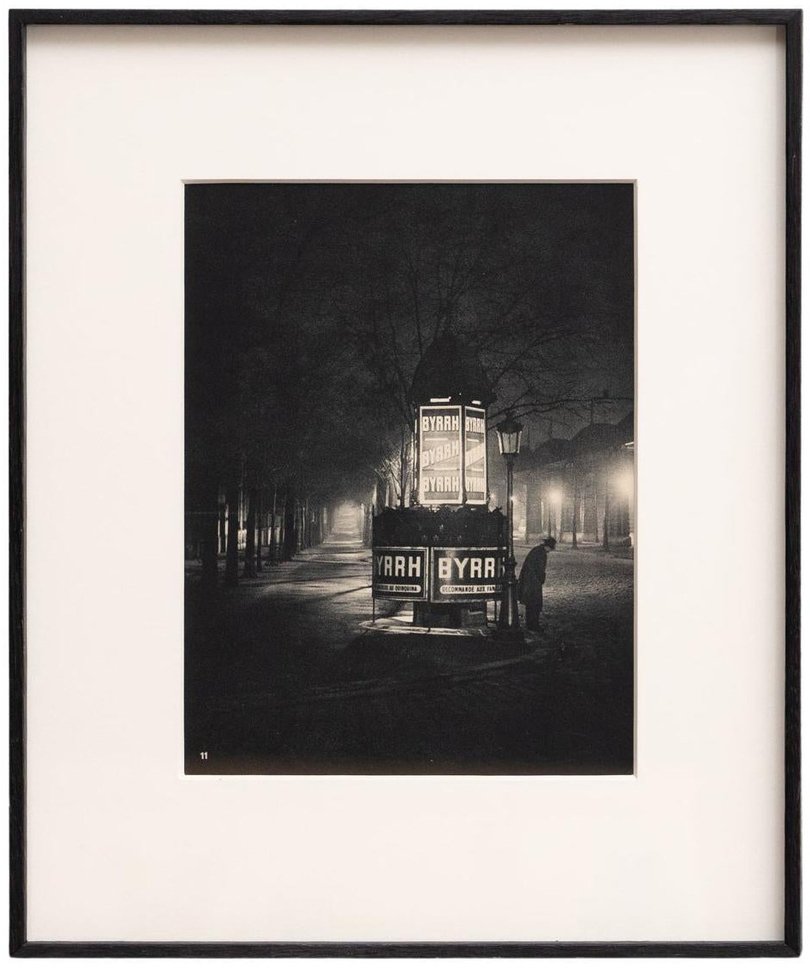
Brassaï
Tip: Practice golden hour photography. Alternatively, you can capture light filtering through trees or windows. Backlight your subject to make dramatic shapes or glimmers. Highlights can add a vintage feel to your photos, so don’t avoid them.
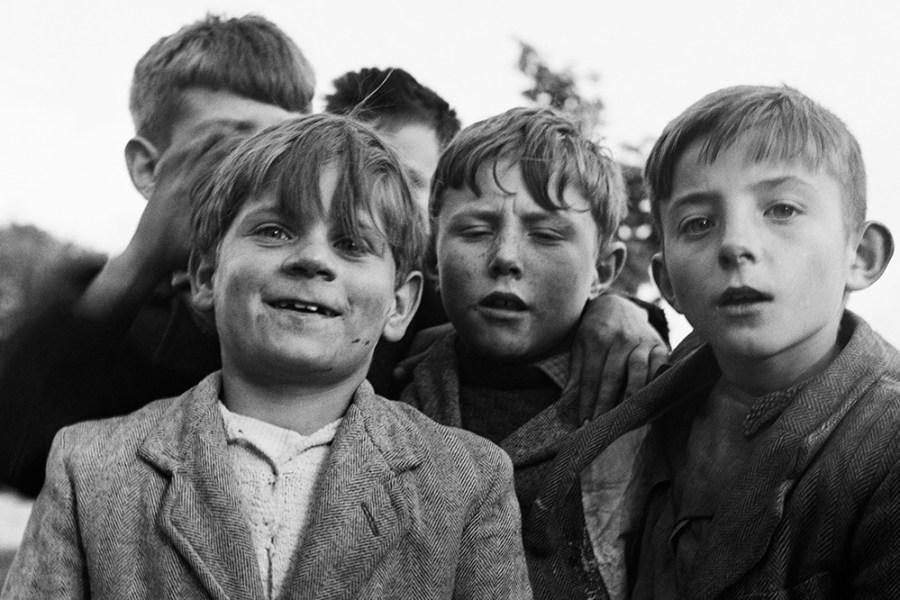
Sabine Weiss
Tip: Choose short lenses like 35mm or 50mm and keep your camera at eye level. Go for genuine, everyday moments instead of dramatic shots. Capture a soft smile, a glance out of the corner of the eye, or a comforting hand.
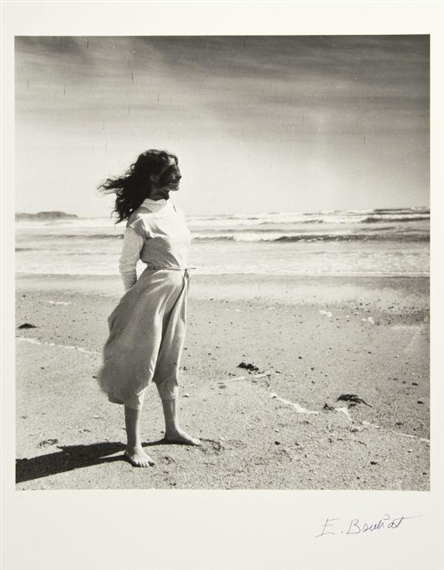
Edouard Boubat
Tip: Emotions often hide in the little things such as preparing a meal, drinking coffee alone, or strolling in the rain. Don’t rush, but observe. Boubat’s Lella, Bretagne (1947) shows this well. A woman is caught in a peaceful moment, wind in her hair, lost in thought.

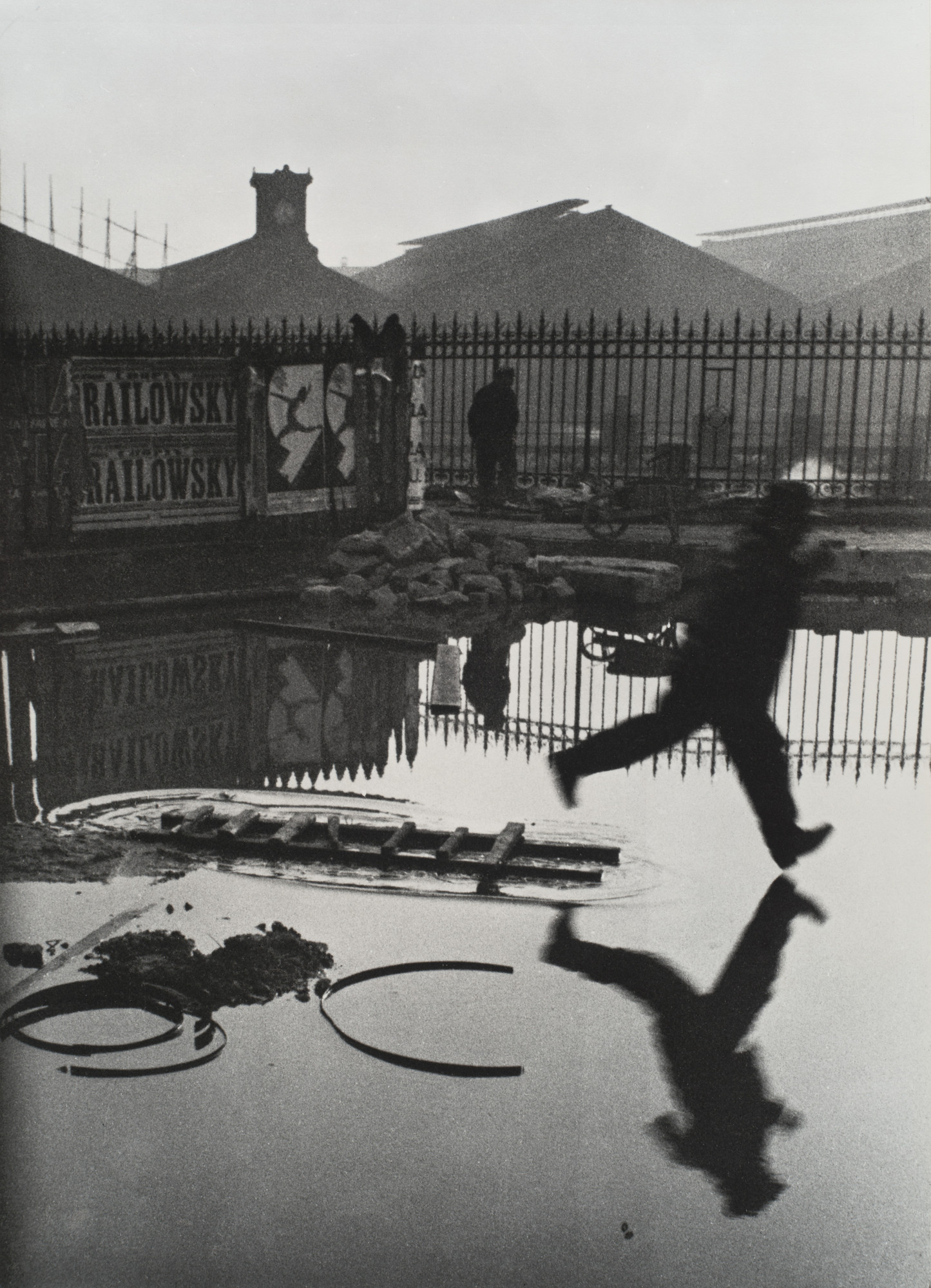
Henri Cartier-Bresson was a legendary French photographer who helped put street photography on the map. He used a 35mm film to take spontaneous shots that felt real and alive.
He believed in the “decisive moment”, defining it as a perfect split second when all elements look great together.
Henri Cartier-Bresson told human stories through his camera, both big historical moments and quiet daily scenes. He rarely edited his photos, choosing instead to frame things on the spot.
I particularly like how French photographer Bresson captured people without interrupting them. His photos feel like snapshots of life itself.
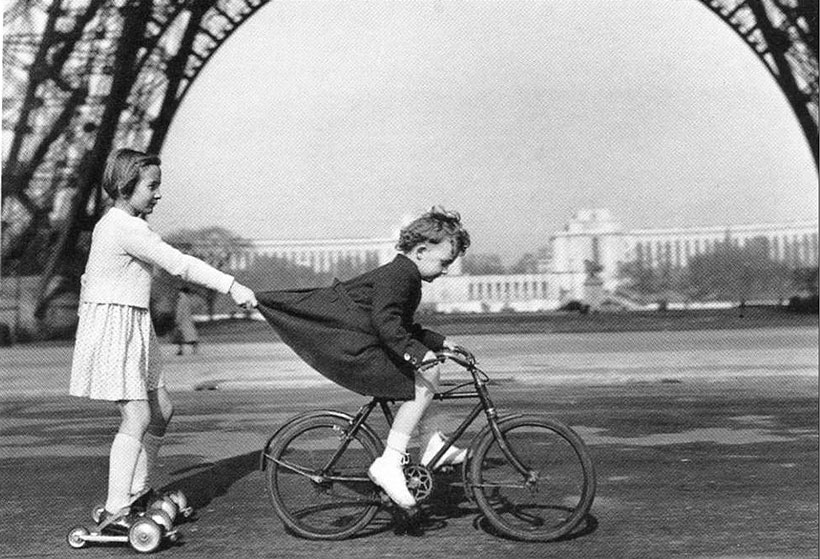
Robert Doisneau made a name for himself by showing the heart and soul of Paris through his lens. His photos were full of warmth, humor, and human connection.
He got his start in industrial photography, and during World War II, he became a resistance photographer. Later, he turned his focus to street life, snapping candid shots of people going about their day in the heart of Paris.
He rose to fame in France for black-and-white photos that captured quiet but powerful moments. His most iconic photo, “The Kiss by the Town Hall,” represents postwar romance and hope.
Doisneau explored street life, portraits, and journalism, always with an open mind and gentle touch. His photos stand the test of time, full of honesty, joy, and everyday beauty.

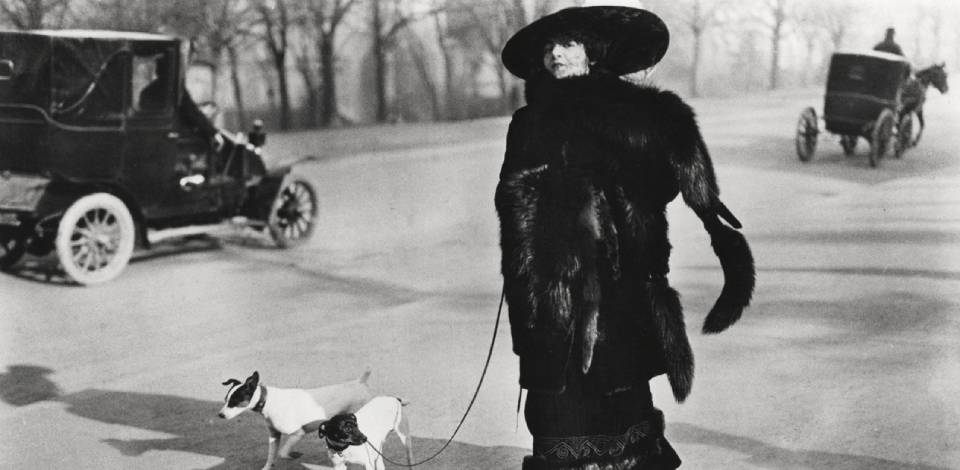
Jacques Henri Lartigue was best known for his bright and energetic photographs that showed elegance in everyday life. He started taking pictures at age seven, snapping shots of his loved ones, racecars, sports events, and fashionable ladies in early 20th-century France.
His photos were alive with movement. You can see someone mid-jump, a car zooming by, or a burst of laughter. He had a true talent for freezing joyful moments just as they happened.
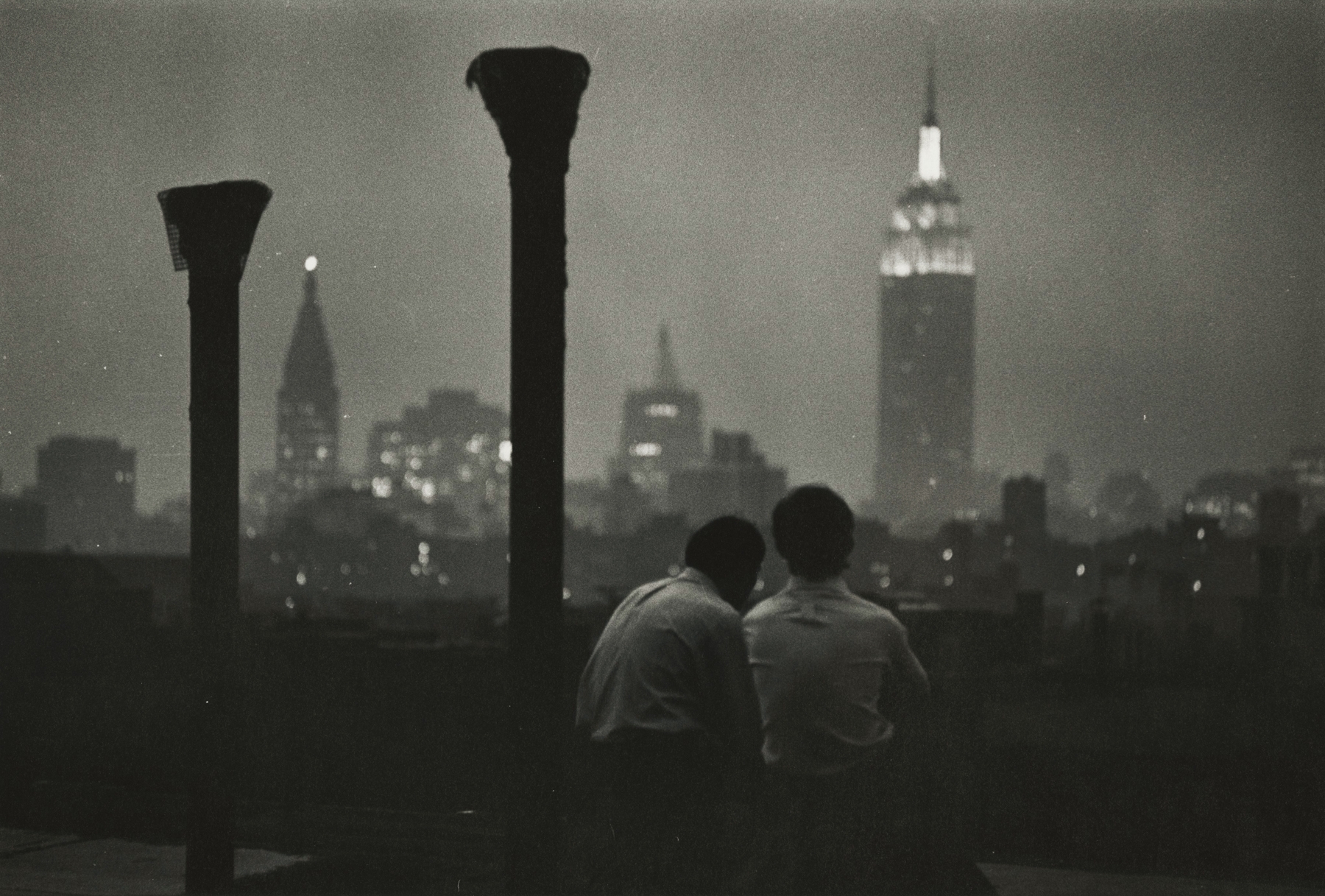
Lartigue’s early photos were brought back into the spotlight in the 1960s. Then he moved into fashion and portrait photography, working with big names like Vogue and Harper’s Bazaar.
Besides, this fashion photographer actively mixed with France’s fashion elite. What draws me to Lartigue’s images is how fresh and full of life they are. His shots depict a happier, more graceful world.

Guy Bourdin is one of the most famous French fashion photographers, recognized by his fearless, surreal style. He pushed the limits of what commercial photography could be.
Since 1955, he worked regularly with Vogue and Harper’s Bazaar, creating bold ad campaigns for Chanel, Charles Jourdan, Pentax, and Bloomingdale’s.
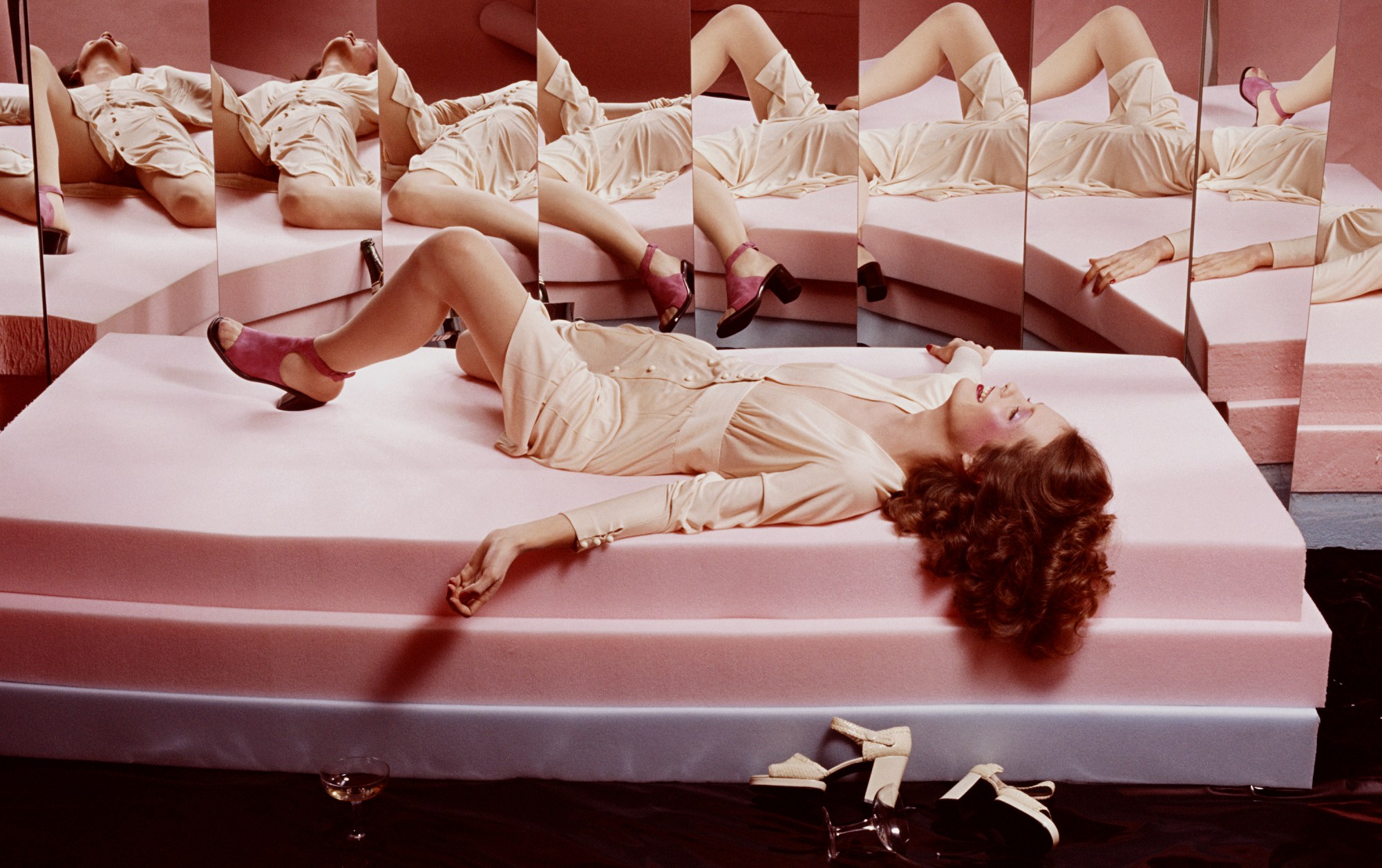
Guy Bourdin added a cinematic touch to fashion photos. He preferred bold colors, strange scenes, and themes that made people think. This artist also used mystery and surprise to break beauty standards and amaze viewers.
What I loved about his work is how it grabs your attention and doesn’t let go. His fashion photography samples are stylish, intense, and truly one of a kind.

Lise Sarfati is a talented French female photographer who creates moody, cinematic images that linger in your mind. Her photos often focus on young women in quiet, emotional scenes.
Mixing documentary realism with artistic flair, Sarfati explores such themes as identity, solitude, and inner worlds. Her style is subtle but powerful.

Sarfati rose to fame with “La Vie Nouvelle” and “Austin, Texas,” series, where she touches upon quiet struggles of identity and disconnection.
My colleagues from FixThePhoto and I were truly moved by how her photos speak from the heart. She is one of those French female photographers who create images that resemble scenes from a dream, where people seem present but distant.

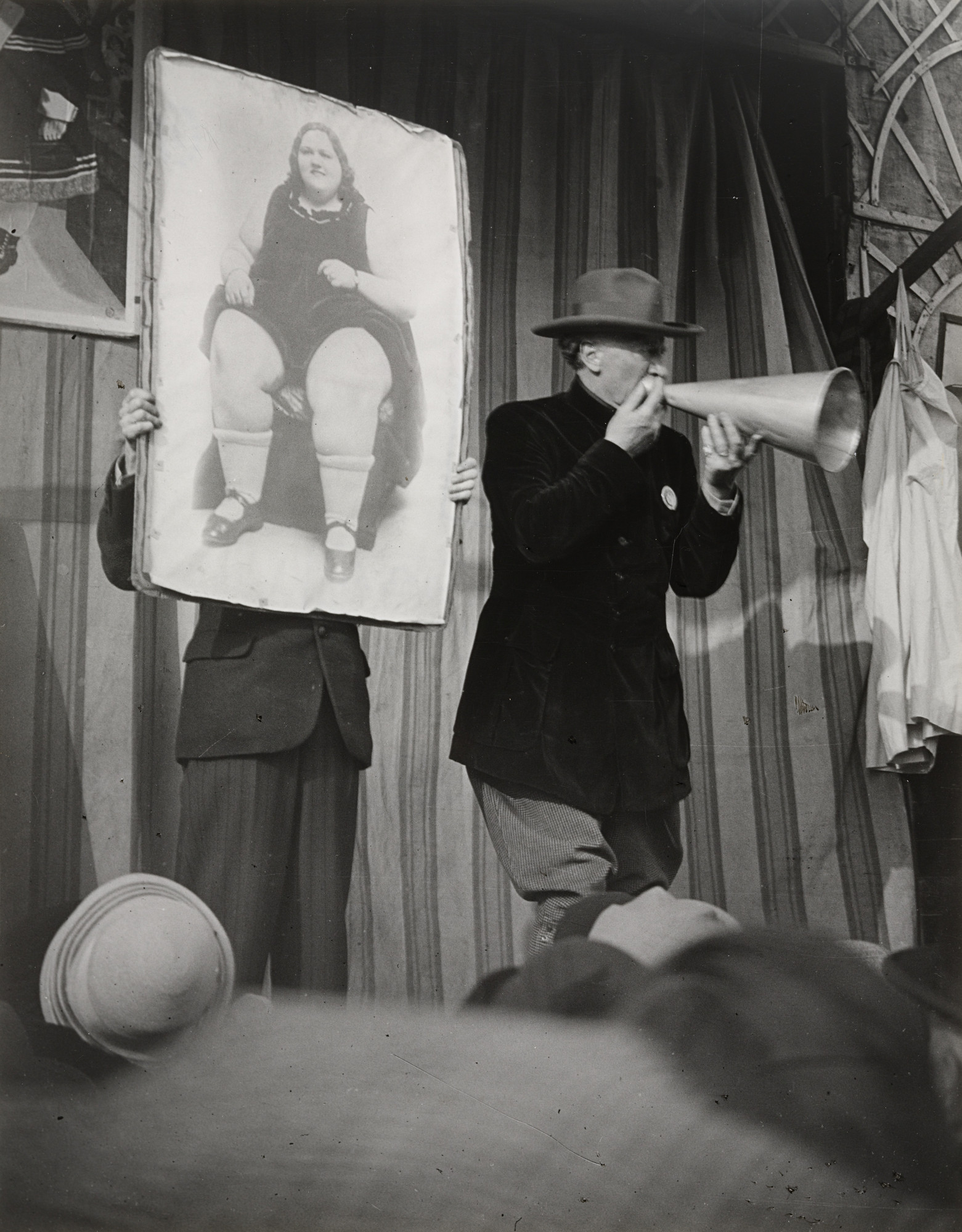
Brassaï was a Hungarian-born photographer who found his true calling in Paris. His real name was Gyula Halász, but he chose the name Brassaï after the town he came from.
Known for his moody black-and-white photos, especially of Paris at night, he was unmatched at turning average cityscapes into poetic images. He quickly became one of the most famous French photographers black and white of Parisian life.
With a crafty mix of light and shadow, Brassaï created moody, atmospheric photos. He also took portraits of legendary artists like Picasso, Giacometti, and Matisse.
His 1933 photo book Paris de Nuit became a classic, painting a picture of the city’s nightlife full of mystery, love, and grit. From foggy alleyways to bustling cafés, his photos brought out the real heart of Paris.

Willy Ronis is loved for his emotional and down-to-earth photos of life in France. Starting in the 1930s, he found real success after the WWII, snapping powerful shots of regular people (lovers, workers, and families) in quiet moments.

While this French photographer wasn’t exactly a photojournalist, he did photograph political protests, strikes, and moments of social change.
Some of his images are now seen as iconic pictures of the French fight for workers’ rights. His style was gentle and emotional, with active use of natural light and everyday beauty to tell powerful stories. His photos always showed heart and respect for the people he photographed.

Gaspard-Félix Tournachon, better known as Félix Nadar, was a French artist with many talents - photography, writing, journalism, and early aviation.
He was recognized for his emotionally rich portraits of well-known figures like Baudelaire and Victor Hugo. Nadar kept the setting, letting the personality of his subjects stand out instead of dressing up the scene.

In 1858, Nadar literally took photography to new heights by capturing the first aerial photos from a hot air balloon. This aerial photographer didn’t stop there. He also used artificial lighting to photograph the eerie tunnels of the Paris catacombs.
One of his crowning achievements was the Panthéon, a massive visual tribute to about 300 famous French people of his era.

Eugène Atget was a standout French photographer who dedicated his life to photographing a disappearing Paris. In the late 19th century, as the city transformed, he quietly documented its old charm - narrow lanes, elegant buildings, and peaceful parks.
He often worked early in the morning to catch the soft light and avoid crowds, building a priceless visual archive of a Paris lost to time.
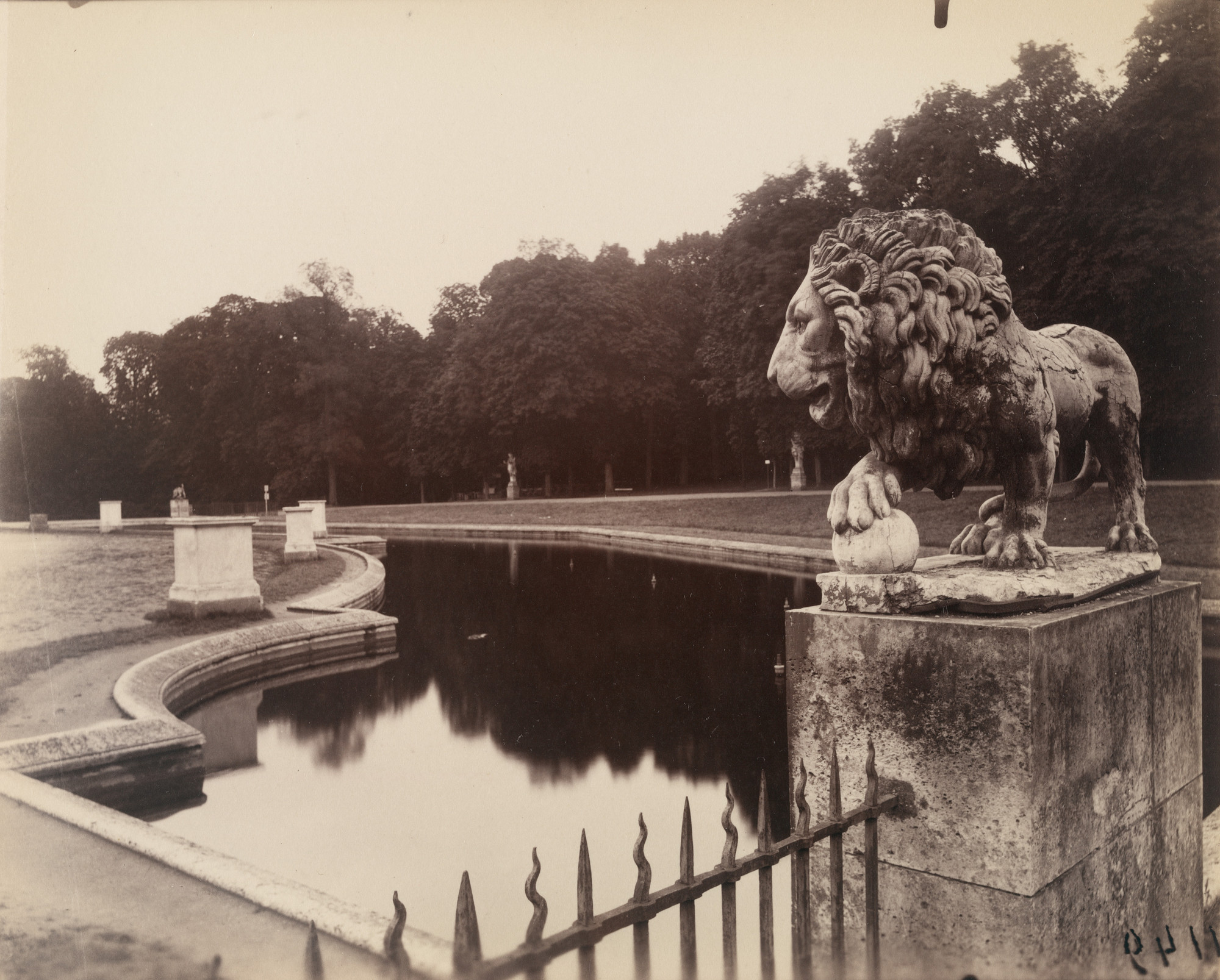
Though Atget worked in documentary and urban photography, his images often feel poetic and slightly surreal. His style was clean and direct, yet packed with quiet emotion.
His work admires me with its peaceful stillness and thoughtful gaze. It seems his images hold time still, preserving beauty and memory. He didn’t receive the deserved recognition in his day, but Man Ray and Berenice Abbott later helped bring his forgotten archive into the public eye.
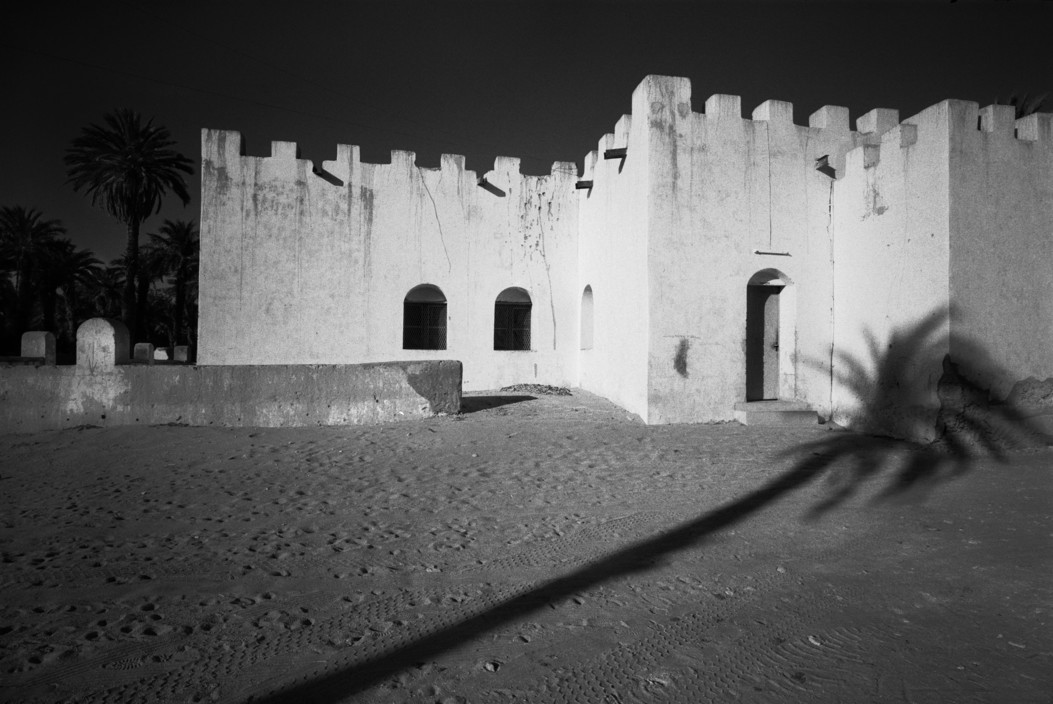
Raymond Depardon is a well-known French artist - part photographer, part filmmaker, and part storyteller. Since the 1960s, he’s captured everything from wars to political drama.
He helped launch the Gamma agency and joined the legendary Magnum Photos team. Depardon’s photos depict life in France, whether it’s a farm road or a Paris street. His lens always looked deeper, putting people front and center in every shot.
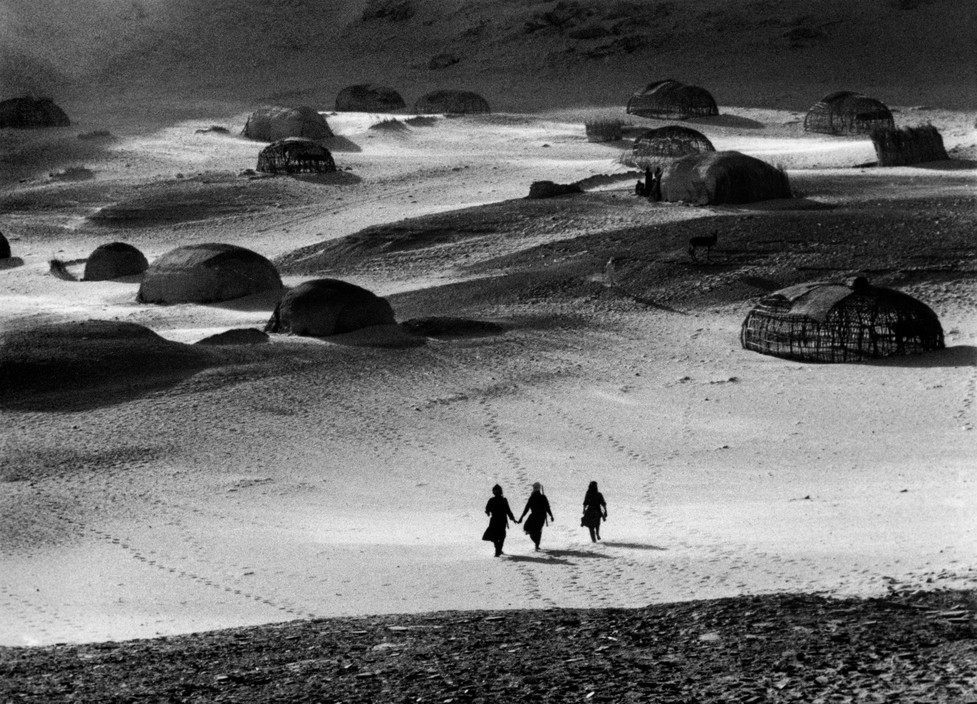
This photographer in France used black-and-white images to explore loneliness and silence in everyday places. He focused on photographing hospitals, mental health centers, and courtrooms, revealing stories of people often overlooked.
His style is like a quiet conversation - calm, careful, and full of feeling. He prefers natural light and a slow, patient way of working, avoiding heavy editing.

Born in Lithuania, Izis Bidermanas, better known as Izis, became one of French beloved photographers. Fleeing Nazi persecution, he started over in France and used his camera to tell touching stories.
Through timeless black-and-white images, he depicted everyday people and the emotional side of Paris. He turned simple street life into something magical.
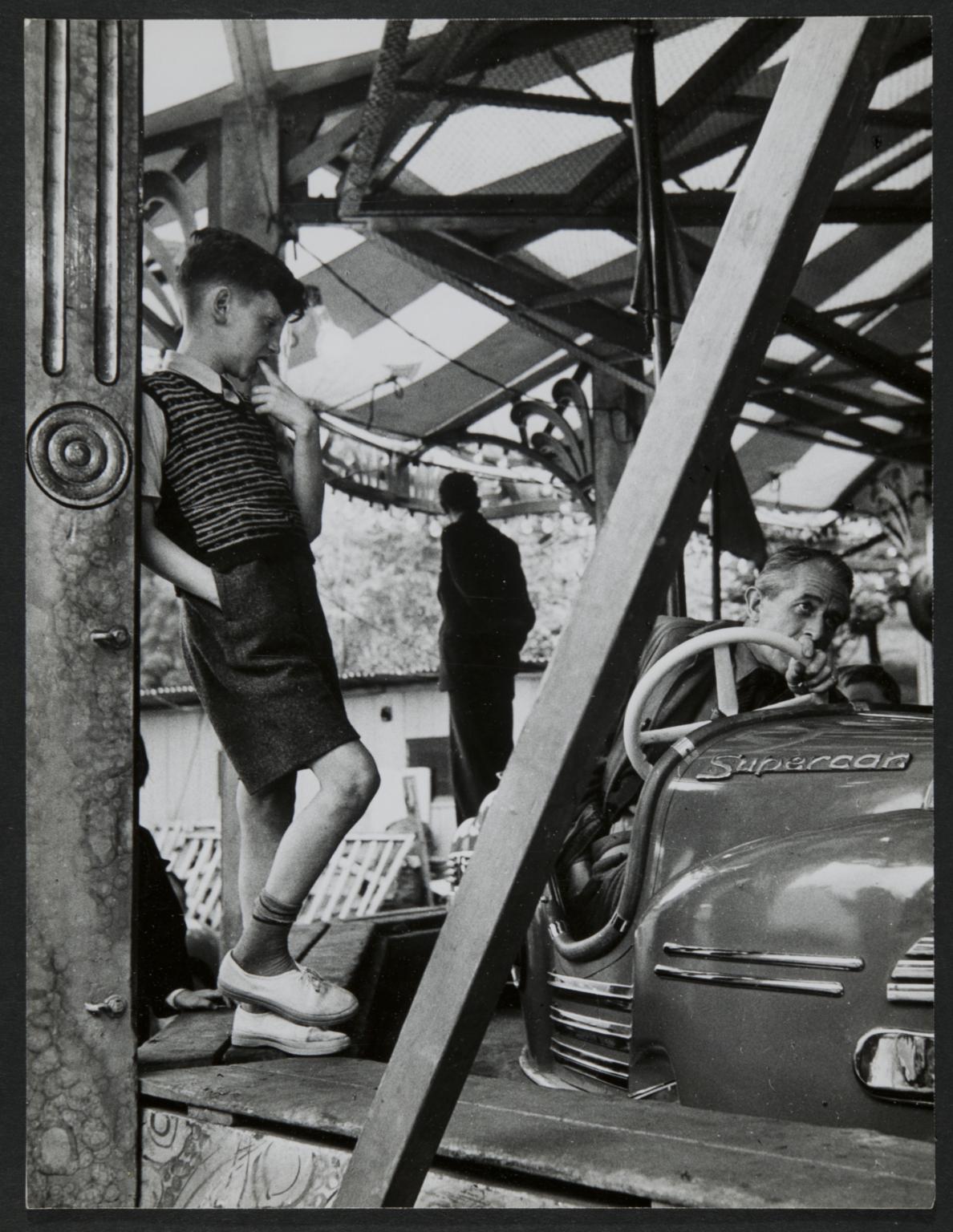
Izis’s photos were soft and emotional, blending real scenes with a dreamy mood. He saw the world with wonder, turning simple moments into mesmerizing images.
His book “Paris des Rêves” helped him gain global fame and captured the spirit of the city. What I love most is how his photos feel alive, being full of quiet emotion and human stories.

Marc Riboud was one of the most influential French landscape photographers, known for capturing beauty and meaning in everyday life.
He began taking photos seriously after the war and joined the famous Magnum Photos group in the early ‘50s, invited by top names like Cartier-Bresson and Capa.
One of his most iconic images, “Eiffel Tower Painter” (1953), shows a man calmly painting high above Paris.

Riboud’s photos were gentle and reflective. He often captured simple human emotions in difficult or tense situations. Instead of showing chaos, he focused on beauty, calm, and respect.
His famous photo “The Girl with the Flower” (1967) shows a young woman standing in front of soldiers, holding out a flower during an anti-war protest. This photo became a powerful symbol of peace.
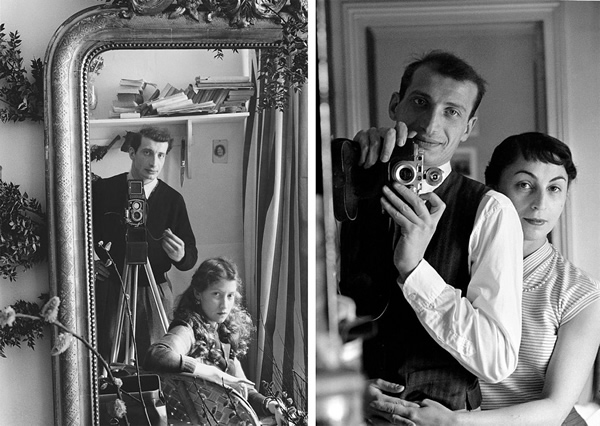
Edouard Boubat was a famous photographer from France, who chose to capture life’s tender moments.
After World War II, instead of dwelling on tragedy, he used his camera to find beauty and kindness in the world. His photos from Europe, India, Morocco, and Latin America reflect a deep sense of humanity and care.

Boubat’s work was known for its elegance and calm. He preferred soft lighting, clean compositions, and emotional honesty.
His early portrait “Lella” shows the woman he loved. It is still one of his best-known pieces. Rather than highlight conflict, he focused on the gentle ties that connect people. He called such shared moments “correspondences”.

Louis Daguerre was a French artist who was at the root of photography. He’s not famous for how many photos he took, but for the huge impact of his invention - the daguerreotype.
Thanks to his method of using silver-plated surfaces to hold images, photography took its first big leap forward.

Daguerre focused on city views, quiet still moments, and architecture. His most famous photo shows Paris’s Boulevard du Temple.
By chance, it captured the first human ever photographed. There’s something hauntingly beautiful about his French photographic samples. His photos aren’t just historical. They feel like glimpses into another world.

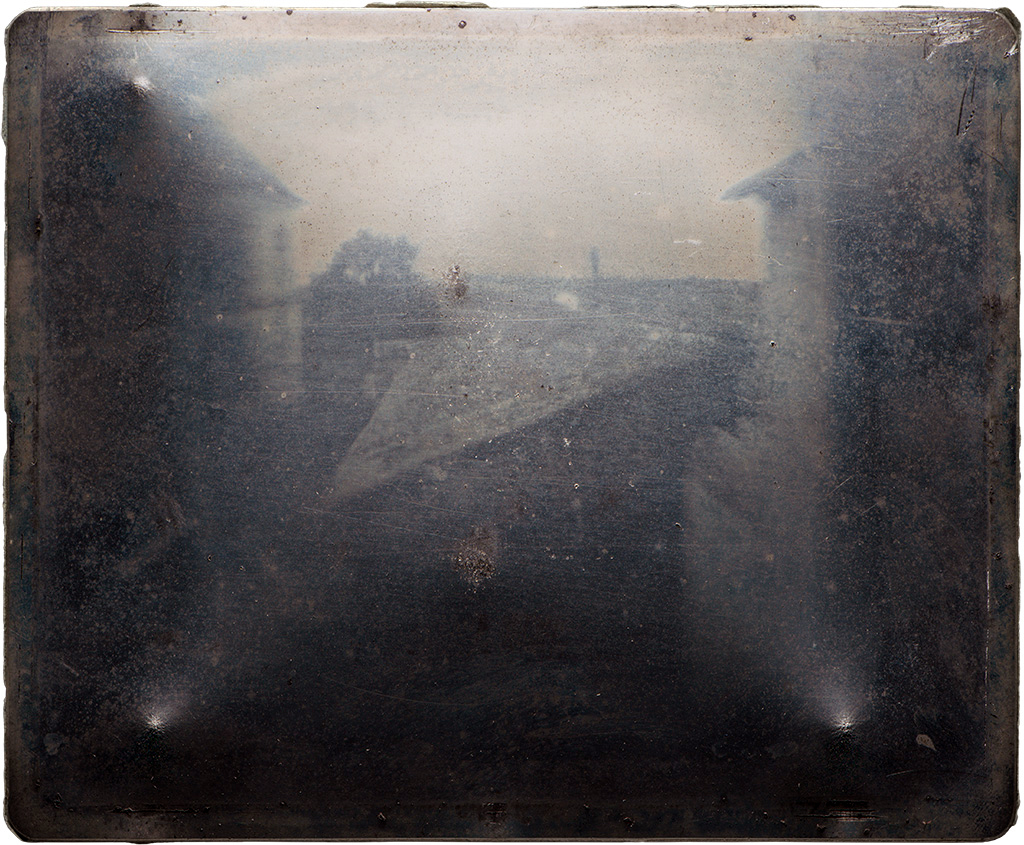
With roots in science and engineering, Niépce began testing how light could create images. In 1827, after much trial and error, he snapped the world’s first permanent photo - “View from the Window at Le Gras.”
He used a pewter plate covered in bitumen, and the image took several hours to capture. This moment is seen as the true beginning of photography.

Catherine Leroy was one of the most daring French female photographers. She took a giant leap at just 21. She flew solo to war-torn Vietnam with a camera in hand and no return plan.
Her fearless photojournalism didn’t go unnoticed. She became the first woman ever to win the Robert Capa Gold Medal. This is a rare and respected award for courage behind the lens.

Being a brave war photographer, Leroy had a gripping style that put viewers in the thick of the action. She had nerves of steel, often joining troops on the front lines.
She was even taken prisoner for a short time by the North Vietnamese. Her best-known shots reveal the human side of war, showing wounded soldiers, acts of bravery, and the deep emotions behind the chaos.

Irina Ionesco became famous in the 1970s, as one of the most expressive French nude photographers. Her work was far from ordinary.
She used vibrant costumes, theatrical poses, and moody lighting to turn her photos into dramatic, dreamlike scenes. Her nude photography style was characterized by a unique blend of art and sensuality that was both praised and criticized.
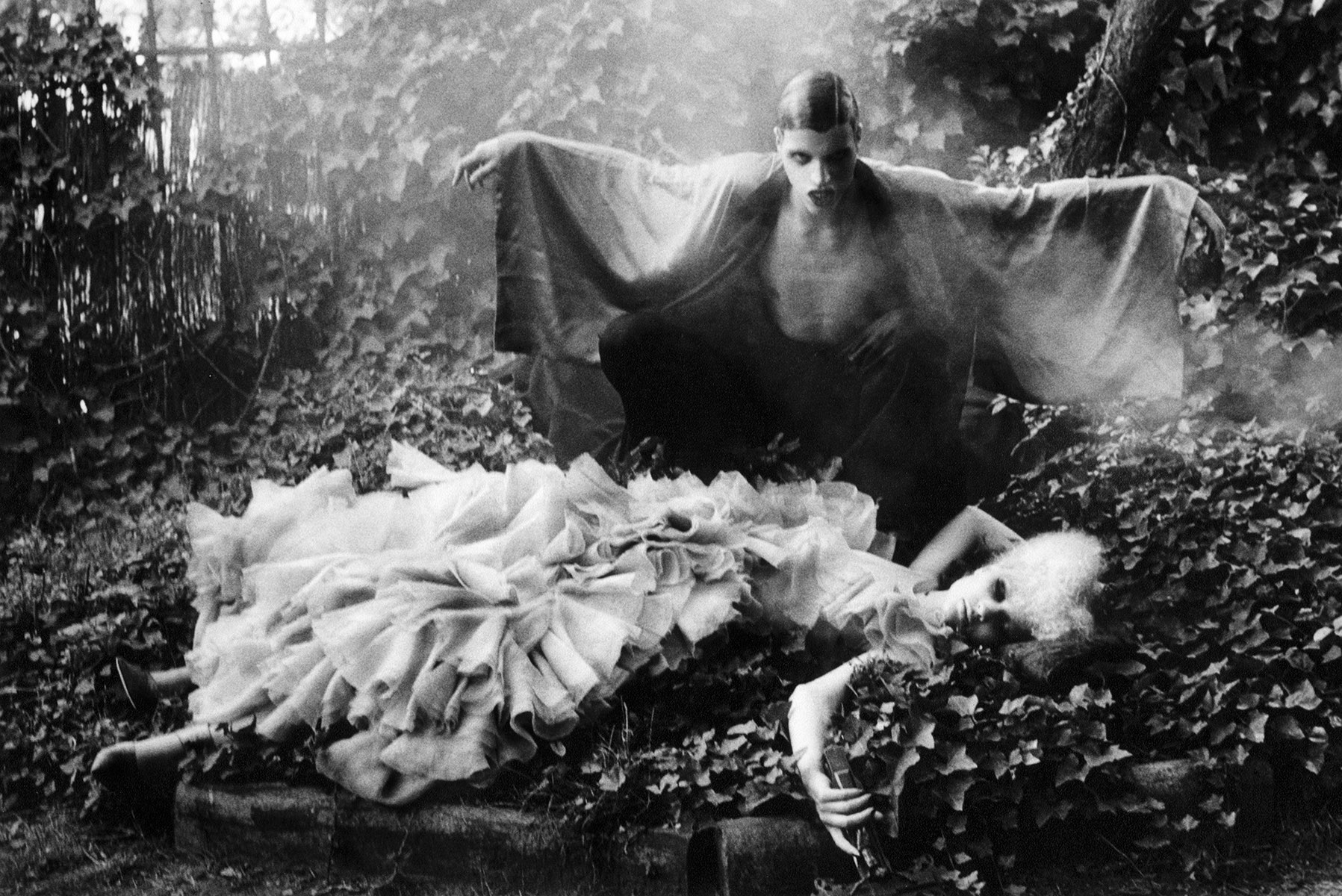
This French erotic photographer won fans and critics alike, especially after taking photos of her daughter. No matter what people said, she found her own strong voice and became known as one of the most fearless photographers in France. Her pictures went beyond being just provocative. They were shadowy, mysterious, and quirky.
French photographers brag about their poetic way of telling stories through images. With iconic figures such as Henri Cartier-Bresson, France continues to be at the forefront of fashion, fine art, and documentary photography. They really know how to make every shot attract attention and stay in mind.
French photographers often study at famous art schools such as Gobelins and École Nationale Supérieure de la Photographie. They’re skilled in old-school techniques and don’t shy away from modern digital tools.
You’ll get elegant and candid photos that look like they’re straight out of a fashion spread. French wedding photographers mix documentary and fine art styles. They catch natural moments while making every picture look eye-pleasing.
Modern French photography is about blending different media, strong storytelling, and important themes. Many contemporary French photographers focus on identity, the environment, and urban scenes, pushing boundaries with new and bold styles.
No way. Many French photographers work around the globe. They participate in fashion shoots, weddings, and commercial projects in different parts of the world.
To some extent, yes. French photographers cherish the “decisive moment,” capturing feelings and intuition in a snap. They experiment with light and believe that a picture can express more than verbal communication.