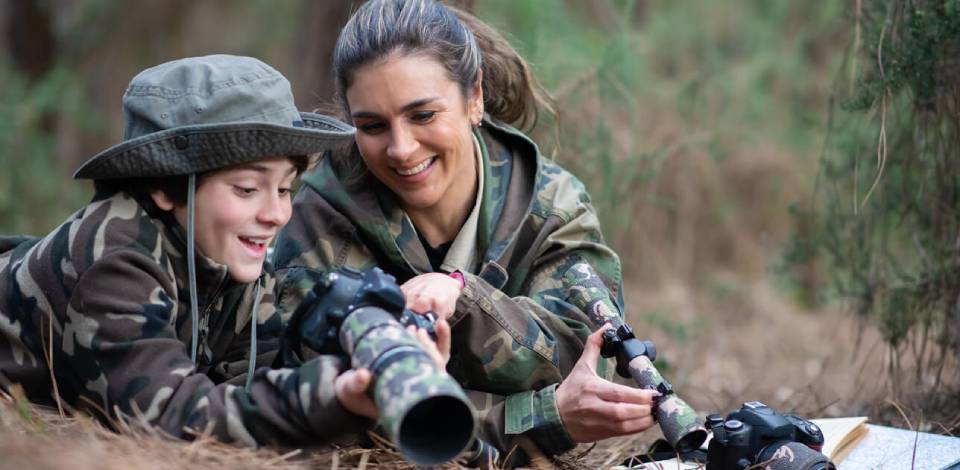
Wildlife photography is not just about having a good camera or a big lens. I found it out from experience.
When I first started taking photos of birds and deer in nature parks, I only cared about lenses. Later, I understood that the difference between “I almost got the shot” and “this is perfect” often comes from the small things you bring with you. Keeping your camera steady, protecting it from bad weather, and setting up properly in nature can make a big difference.
After many outdoor photo trips, I figured out which wildlife photography accessories are actually useful.
Picking the right accessories for wildlife photography can help you more than upgrading your camera. The goal is not to carry a lot of gear, but to carry what helps you stay steady, protect your equipment, and work faster. Being prepared helps you avoid missing good shots and keeps things less stressful.
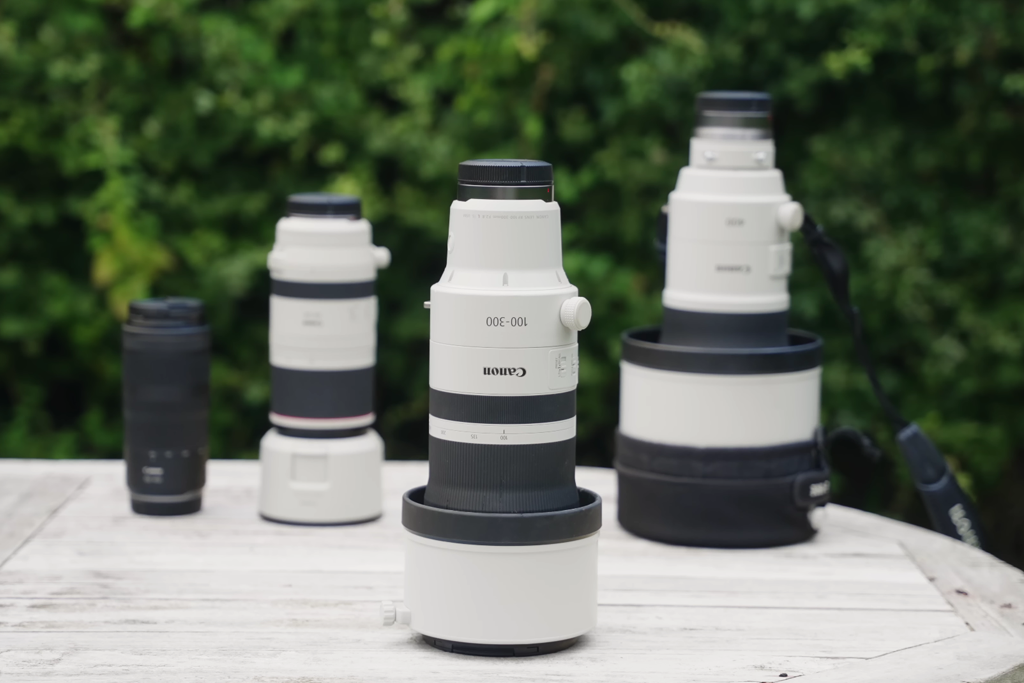
Amazon: 1K+ bought in the past month
B&H: 5K+ sold in the past year
Adorama: 3K+ sold in the past year
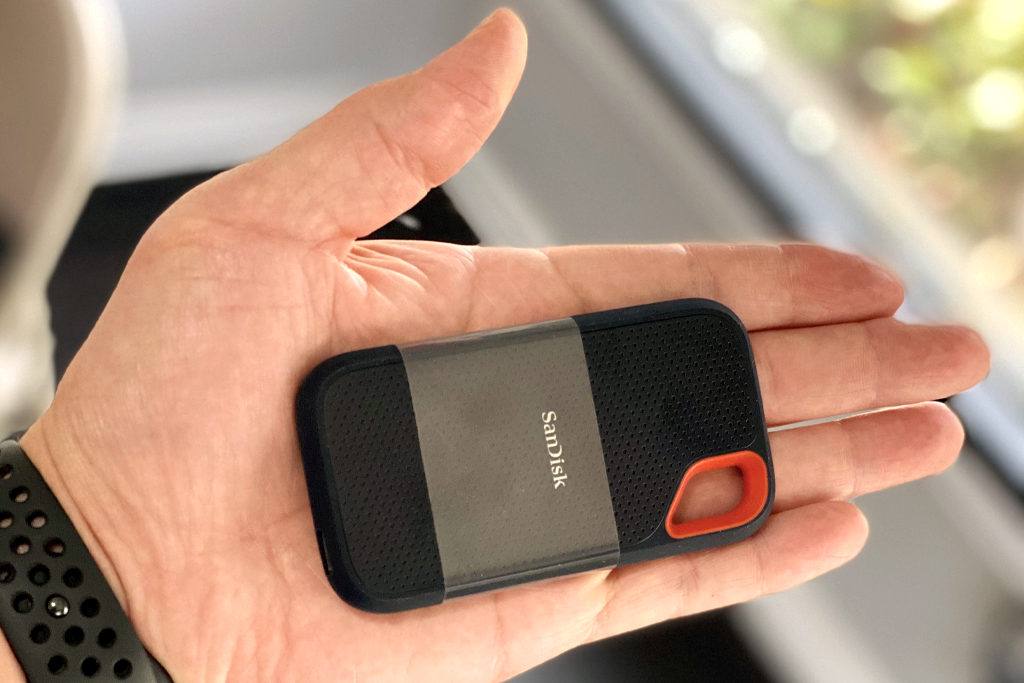
When I began taking wildlife photography more seriously, I didn’t realize how quickly my storage would fill up. One morning, I was shooting birds using burst mode, and my memory cards were almost full before the day was even halfway done. I still had plenty of daylight left, and that’s when I understood I needed a dependable portable SSD.
It’s one of those simple bird photography tips that people often ignore until they run into this problem. Using a portable SSD while I’m out shooting has changed the way I work. During short breaks, I can back up my photos and free up space on my cards without worrying. The transfer speed is quick, so I’m not wasting time while animals are still active around me.
On longer trips, I bring two SSDs and save my files on both of them. It may seem like too much, but wildlife moments don’t happen again. Knowing my photos are backed up helps me stay focused on taking pictures instead of stressing about losing them. It’s not the most exciting piece of gear, but it protects every photo I spend time capturing.
Amazon: 2K+ bought in the past month
B&H: 8K+ sold in the past year
Adorama: 6K+ sold in the past year
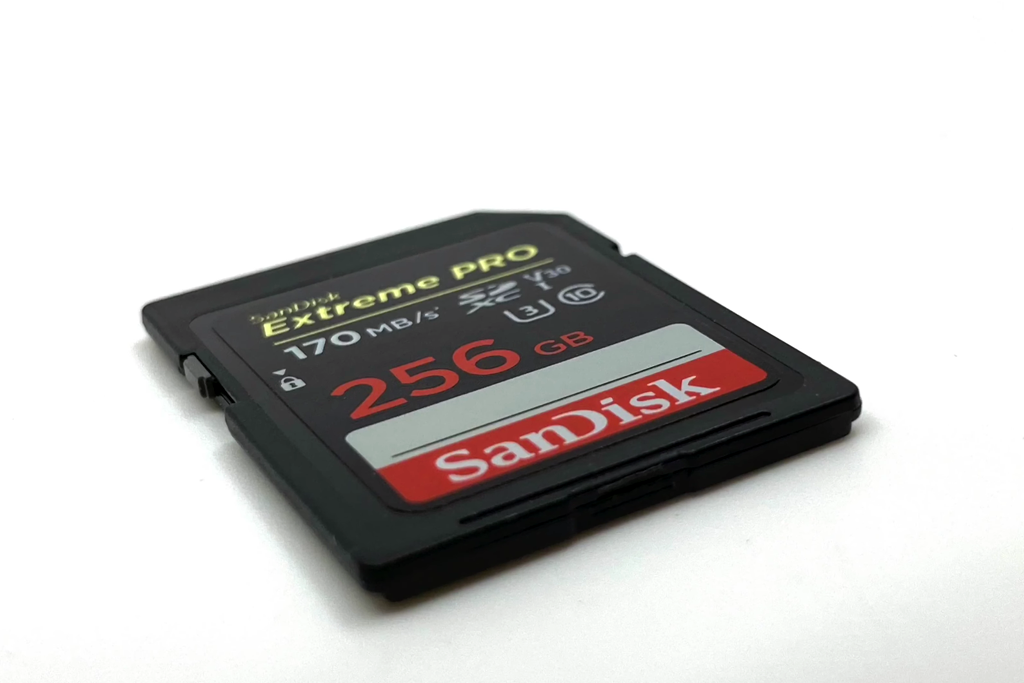
When I started photographing birds in flight, I noticed that not all memory cards perform the same. With slower cards, my camera would stop shooting because the buffer filled up too fast, so right when something interesting happened, I couldn’t take any more photos. That problem made me upgrade my card.
After getting a faster one, I saw an immediate improvement: I can now take photos for longer without the camera slowing me down. When you’re following animals that move suddenly, those extra seconds can make a big difference.
“Use several smaller memory cards instead of one large one. This way, if one card stops working, you won’t lose everything you’ve shot.”

I also carry multiple cards, not just for more space but for safety. I don’t want to delete photos while I’m outside just to make room. Having enough storage lets me keep shooting without stopping.

Amazon: 1K+ bought in the past month
B&H: 3K+ sold in the past year
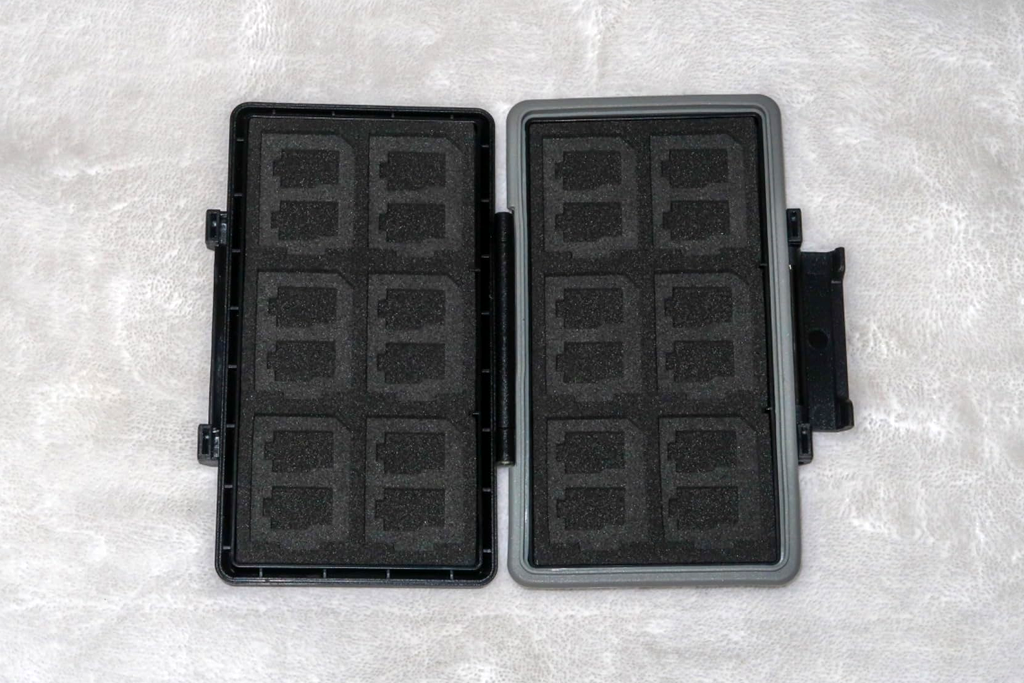
I used to keep my memory cards loose in my pockets or somewhere in my camera bag. It seemed fine at first, but one time, I spent a few stressful minutes trying to find a full card while birds were right in front of me feeding.
It may seem like a small thing, but in wildlife photography or when trying different macro photography ideas, timing matters, so staying organized is very important.
Once a proper memory card case became my go-to wildlife photography accessory, things became much easier. I now follow a simple system: empty cards go one way, and full cards go the other way. This helps me avoid mistakes like using a full card again or losing track of what I’ve already used.
In wildlife photography, even small delays can cost you a good shot. When something unexpected happens, I want to change cards quickly without thinking. This case keeps my cards safe, dry, and easy to reach. It’s one of the simplest accessories I carry, but it makes every shoot less stressful.
Amazon: 3K+ bought in the past month
Newegg: 4K+ sold in the past year
Walmart: 2K+ sold in the past year
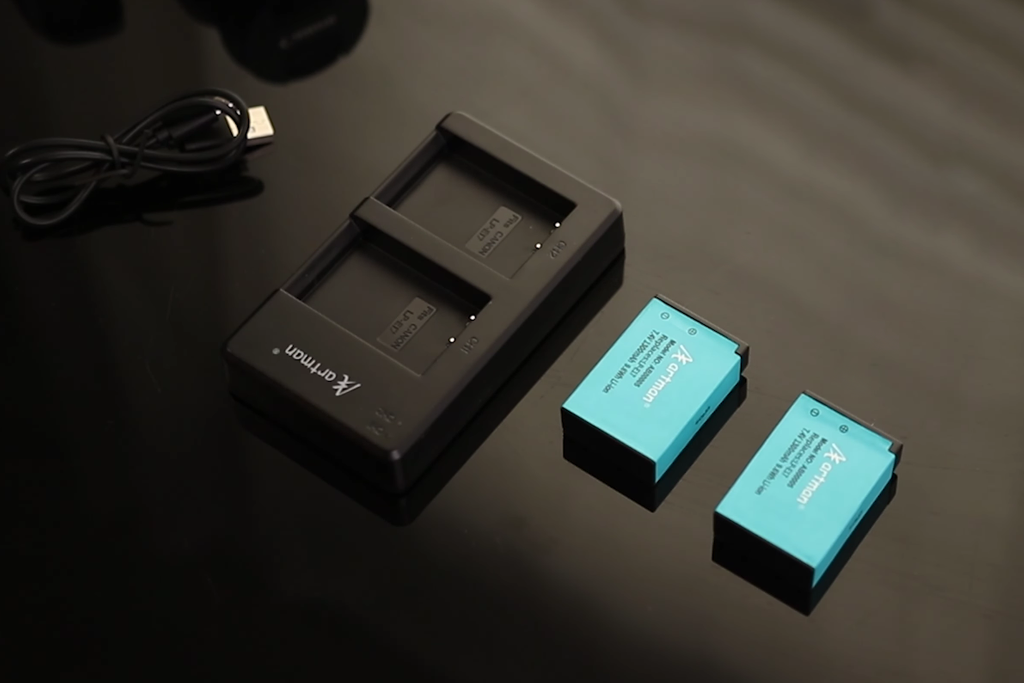
I’ve had a couple of amazing wildlife moments almost go wrong because my battery died. One time, I was following a fox early in the morning, and just as it stepped into perfect light, my camera turned off. After that, I stopped relying on just one battery.
Now, I always take four or five batteries with me on every trip. Cold weather uses up power faster than you expect, and shooting in bursts drains batteries quickly, too. Since I started bringing backup battery kits, I don’t worry about losing power anymore.
These batteries work almost as well as the original ones, but they cost less, so it’s affordable to carry more of them. A dual charger is also helpful, especially when getting ready for trips that last several days. Power might not seem like an exciting part of wildlife photography gear, but without it, you can’t take any photos at all.
“Keep extra batteries in a warm pocket during cold weather, because low temperatures drain them faster.”

Amazon: 2K+ bought in the past month
Ubuy: 4K+ sold in the past year
Acephoto: 3K+ sold in the past year
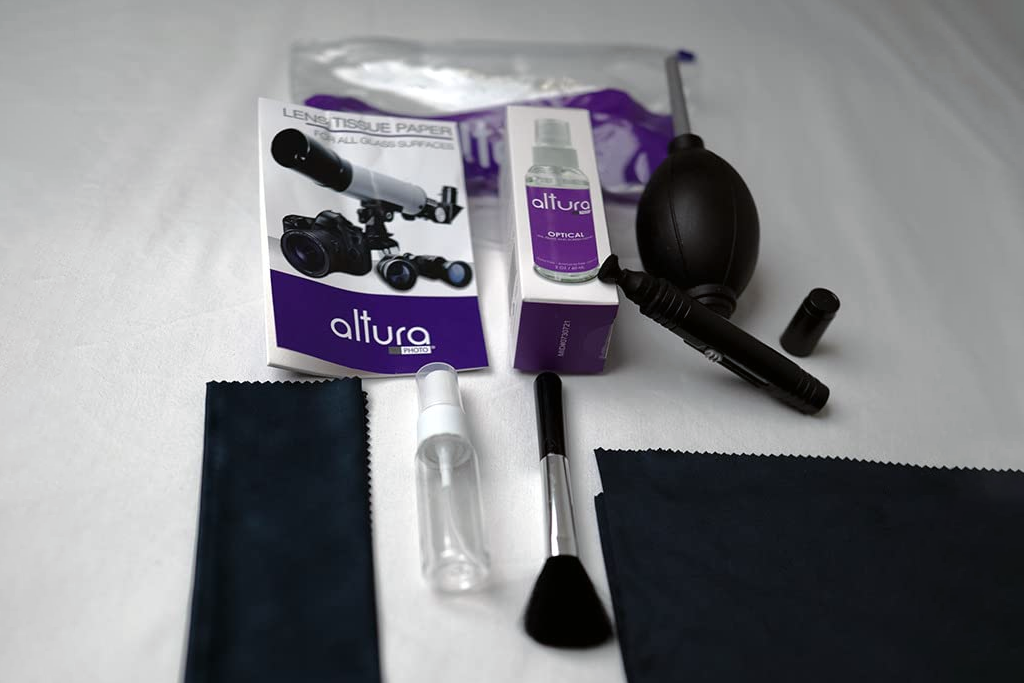
When you shoot outside, dust, sand, moisture, and fingerprints are hard to avoid. I didn’t understand how much dust could affect my photos until I looked through a full set of images and saw small marks on almost all of them.
Now I always bring a small cleaning kit with me. A blower quickly removes loose dust, and a microfiber cloth can clean smudges in seconds. It doesn’t take much time, but it makes a clear difference in how sharp and clean the photos look. This is also a useful horse photography tip, especially if you usually shoot in dusty places.
I’ve also gotten into the habit of checking my camera sensor often. If you usually change lenses outside, dust can build up faster than you think. Keeping everything clean has saved me a lot of time when editing later. It’s a simple wildlife photography accessory, but it has a direct effect on image quality.
Amazon: 2K+ bought in the past month
Acephoto: 3K+ sold in the past year
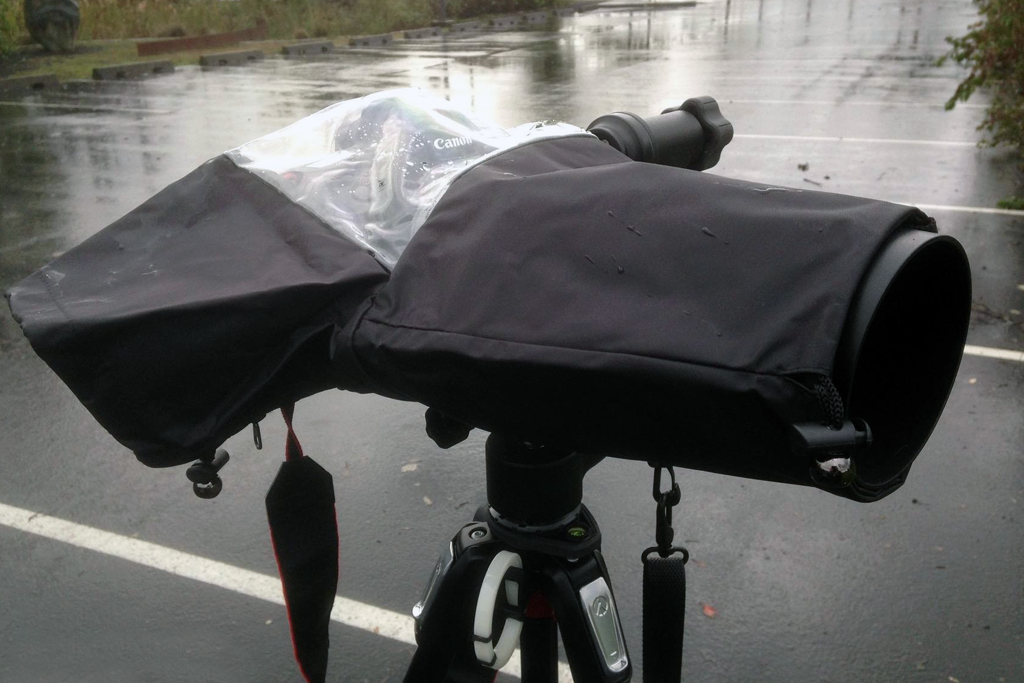
Wildlife photography doesn’t stop just because the weather changes. I’ve been caught in sudden rain before, and that showed me how easy it is for expensive gear to get damaged.
Now I always carry a rain cover. When it starts raining, I can put it on in less than a minute and keep shooting instead of packing everything away. During important moments, like migrations or rare sightings, stopping because of rain is not a good option.
It’s light and doesn’t take up much space in my bag, but it makes a big difference. Even light rain or mist can cause problems over time if your gear isn’t protected. It’s one of those items you might not use often, but when you need it, you’ll be glad you brought it.
“Even when it’s not raining, keep a rain cover nearby. It can also protect your gear from dust and strong winds.”

Amazon: 1K+ bought in the past month
B&H: 2K+ sold in the past year
Adorama: 1K+ sold in the past year
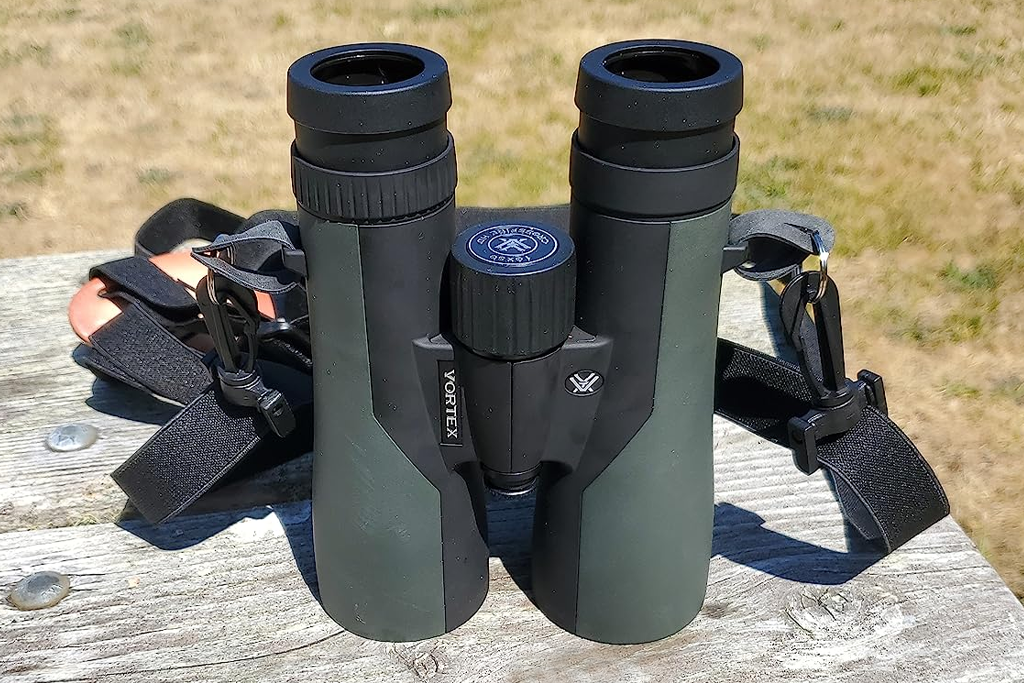
Before, I used to walk straight into a location with my camera and long lens ready, only to find that the animals were too far away or already aware of me. That led to wasted time, extra movement, and sometimes missed chances of getting the best animal photobombs.
Now, I use binoculars first to look around the area. This important wildlife photography accessory helps me watch animals quietly and decide if it’s worth getting closer. I can see what they are doing before I even take out my camera.
Binoculars also help me choose a better position. Instead of guessing where animals might go, I can understand their behavior and plan my next move. This has made me more efficient when I’m out shooting. Binoculars don’t take photos, but they help you decide when and where to take them.
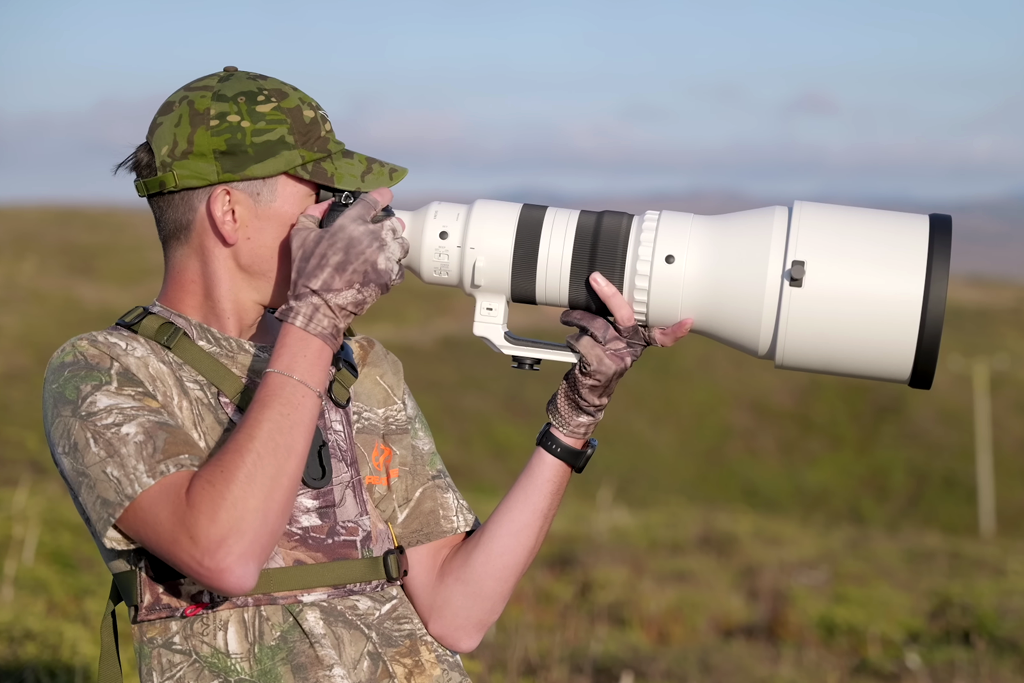
Wildlife photography needs gear that works well in changing and sometimes difficult conditions. A camera that can focus quickly, shoot many photos in a row, and handle low light makes it easier to get clear pictures of animals that move fast. It’s also important that the camera is strong and protected from the weather, especially if you spend long hours outside.
Picking the best lenses for wildlife photography is just as important for good results. Lenses with longer focal lengths let you take photos from a safe distance without scaring animals.
Fast and accurate focusing helps you keep moving subjects sharp. Image stabilization is useful when you are holding the camera in your hands, and a lens that isn’t too heavy makes it easier to carry and use for a long time.
Key things to look for:
At FixThePhoto, we evaluated every wildlife photography accessory by testing it ourselves in the field instead of trusting what ads say. Together with the FixThePhoto team, we set up real shooting situations outside to see how each item worked when things were not predictable.
We tried the gear in many different situations, such as photographing animals that move quickly, shooting from far away, working in low light, and spending long hours outdoors. This helped us understand how steady, strong, easy to carry, and dependable each accessory was in real use. We followed a clear step-by-step approach during our testing:
This structured way of testing made sure our results were fair and based on real experience, so we could recommend accessories that actually worked well out in the field.
A portable SSD lets you save copies of your photos right away while you are still outside. This lowers the chance of losing images if a memory card breaks or gets damaged. It’s a really helpful forest photography tips since you don’t get another chance to capture the same moment.
Fast SD cards, such as V60 or higher, are a good choice. They help your camera keep shooting smoothly when taking photos of animals that move quickly.
You should carry at least two or three fully charged spare batteries, especially if you are far from places where you can recharge them.
A card case is an important wildlife photography accessory because keeps your memory cards safe from water, dust, and damage. It also helps you stay organized during long photo sessions.
Yes. Dust, sand, and moisture are common outside, and cleaning your gear regularly helps keep your photos clear and your equipment in good condition.
A rain cover is useful not only in rain, but also to protect your camera from humid, dusty, or windy conditions.
Yes. Binoculars help you spot and watch animals from far away, so you can plan better before setting up your camera.