As a passionate wildlife photographer, I’m used to carrying around a hefty setup. But carrying around such a bulky gear isn’t practical for everyday use. Whether it’s a family get-together, a relaxed walk around the city, or a spontaneous outing with friends, sometimes I just want a smaller, portable everyday camera that still takes amazing photos.
Sure, I own an iPhone, and it’s fantastic for taking quick pictures but smartphone photos simply can’t match what a dedicated camera can do. The detail, dynamic range, and the ability to switch lenses put a real camera on an absolutely new level.
That’s why I started my search for the best camera for everyday photography, which should be lightweight, versatile, and functional to take pics and videos of great quality. Since my FixThePhoto colleagues use different cameras, I asked them for their favorite models and rented them from Adorama. After testing 50+ everyday cameras, I picked these options as the worthiest ones:
When choosing the best digital camera for everyday use, I’ll consider a few key issues:
One of the coolest advancements in modern cameras is the rise of AI technology.
At first, I thought AI was just a trendy term, but after testing cameras like the Sony a6700, Sony RX100 VII, and Fujifilm X100 VI, I realized how much these features improve everyday photography, particularly for those just starting out. Here are some AI-driven features that really appealed to me:
AI autofocus & subject recognition. Most of the cameras I tried had AI-driven autofocus, but Sony’s Real-Time Recognition AF in the a6700 really impressed me.
It doesn’t just track faces, but it can detect eyes, animals, birds, cars, and even insects. While testing it out on the streets, it instantly focused on a cyclist’s helmet and stayed locked on as they moved through the frame. It was pretty amazing to see it in action.
The Sony ZV-1 and RX100 VII also have Product Showcase Mode. This feature is great for vlogging or product reviews: when you show an item, the camera immediately locks on it and seamlessly refocuses on your face.
AI-based exposure & scene recognition. If you don’t like tinkering with settings, AI-powered scene recognition will become your favorite feature. Cameras like the Canon EOS Rebel SL3 and the Olympus OM-D E-M10 IV automatically recognize the scene (a landscape, portrait, or night shot) and tweak the settings to deliver the best possible outcome.
While capturing the sunset with the Olympus OM-D E-M10 IV, the camera automatically enhanced the shadows without overexposing the sky. This is perfect for beginners who don’t want to handle highlights and shadows manually.
AI noise reduction & image processing. Shooting in low light can be challenging, but AI-powered noise reduction keeps images clean while maintaining detail. The Ricoh GR III performs this task flawlessly preserving texture and sharpness in nighttime shots, which makes it a great pick for street photography.
AI-powered composition assistance. Some cameras, like the Fujifilm X100 VI, have built-in tools like horizon levels and framing guides that use AI to help you take better shots. This is great for street photography, as it keeps all lines straight and your subjects well-framed.
While shooting a café scene with the X100 VI, the AI guide recommended a better composition, making my photo look more cinematic without any extra effort.
Amazon: 300+ bought in the past month
B&H: 3.5K+ sold in the past year
Adorama: 3K+ sold in the past year
Best Buy: 2K+ sold in the past year
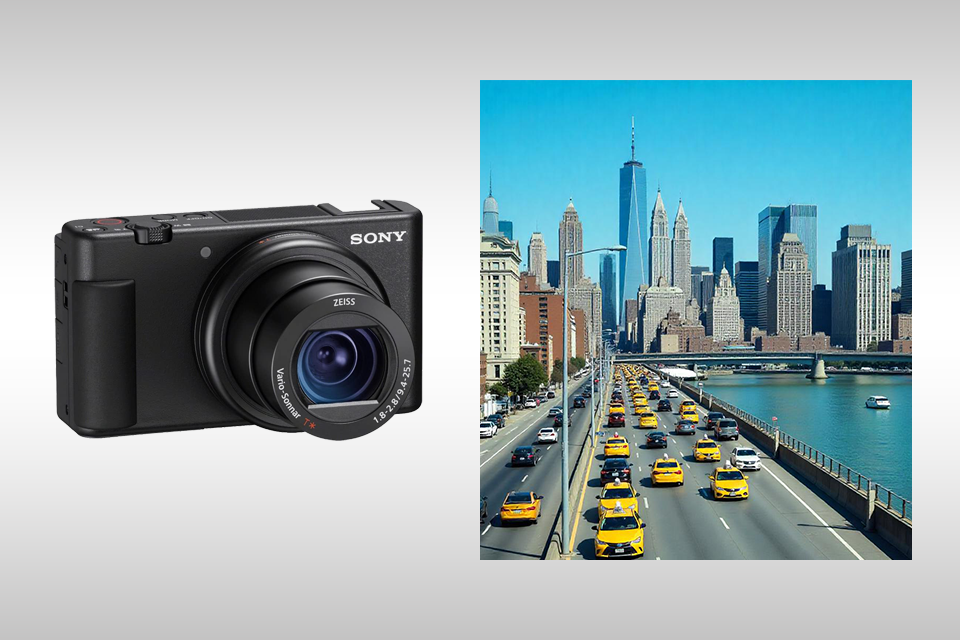
Type: Compact digital | Sensor: 1-inch Exmor RS CMOS | MP: 20.1 | Video: Up to 4K at 30 fps | Weight: 10.4 oz | Size: 4.2 x 2.4 x 1.7 in
Eva was the first to recommend the Sony ZV-1 to me. I loved how small and light it felt - perfect for carrying in a pocket. I tested this video camera for YouTube vlogging, nature photography, and even some quick urban photos during my weekend in New York.
“The image quality is impressive. I can zoom in really close and still see every tiny detail. I use it for BTS photos during family sessions, and it always delivers top-level results.”

The AF is speedy and locks onto faces instantly, making it a breeze to record talking-head videos. The background defocus mode is also fantastic, adding a professional, blurred background effect to my clips with minimal effort.
For photos, the 1-inch sensor works great in daylight but struggles a bit in low light without some adjustments. The stabilization is decent but not perfect for smooth walking shots. The battery life isn’t great either, I usually have to charge it during a prolonged shooting.
Amazon: 50+ bought in the past month
B&H: 700+ sold in the past year
Adorama: 500+ sold in the past year
Best Buy: 450+ sold in the past year
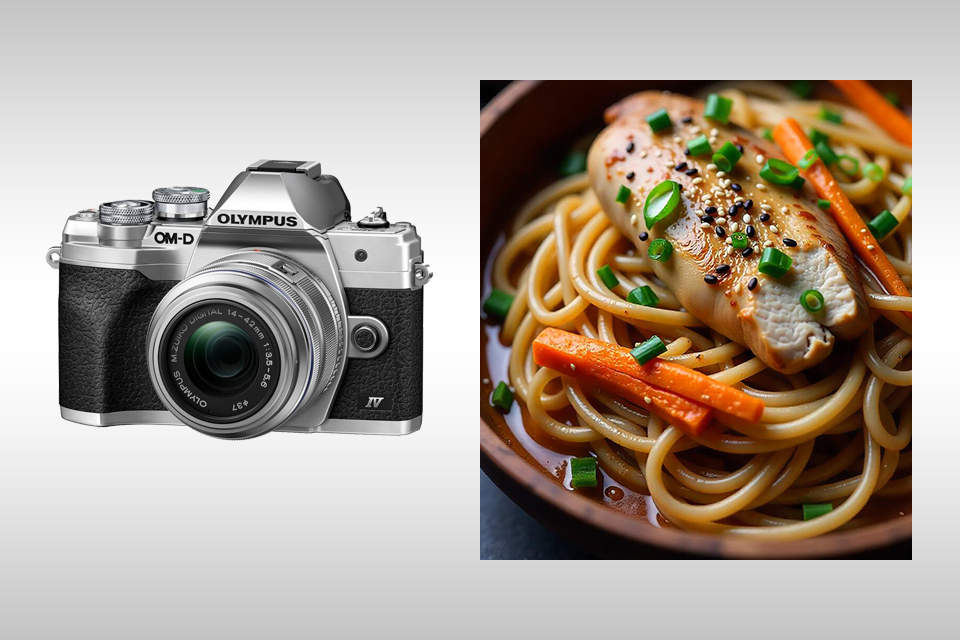
Type: Mirrorless | Sensor: Micro Four Thirds | MP: 20.3 | Video: Up to 4K at 30 fps | Weight: 13.5 oz | Size: 4.8 x 3.3 x 1.9 in
Tata suggested I try out the Olympus OM-D E-M10 IV. She uses it for food photography and adores its color quality. I wanted to test how this mirrorless camera under $1000 would perform as an everyday camera.
“I love how this camera captures colors: it makes my food photos pop without much editing. It’s small and easy to carry around, yet still delivers professional-quality shots.”

The first thing I noticed about this everyday digital camera was its classic look. It resembles a classic film camera but packs modern features. It’s lightweight yet feels solid, making it easy to take anywhere. During a weekend trip, I used it to capture landscapes, shoot street photography, and even take delicious spaghetti pics at a café.
The image stabilization offers an excellent performance. I could take sharp photos handheld even at slow shutter speeds. The tilting touchscreen makes it easy to frame shots when shooting from both high and low angles. The autofocus is good but not as quick as some other cameras I’ve tried. Still, the colors delivered by the camera are amazing, especially for food and nature shots.
Decent battery life is another benefit of this model. It endured the whole day of casual shooting without trouble. The video quality of this 4K video camera is great, but quick panning caused some rolling shutter effects.
Amazon: 50+ bought in the past month
B&H: 600+ sold in the past year
Adorama: 550+ sold in the past year
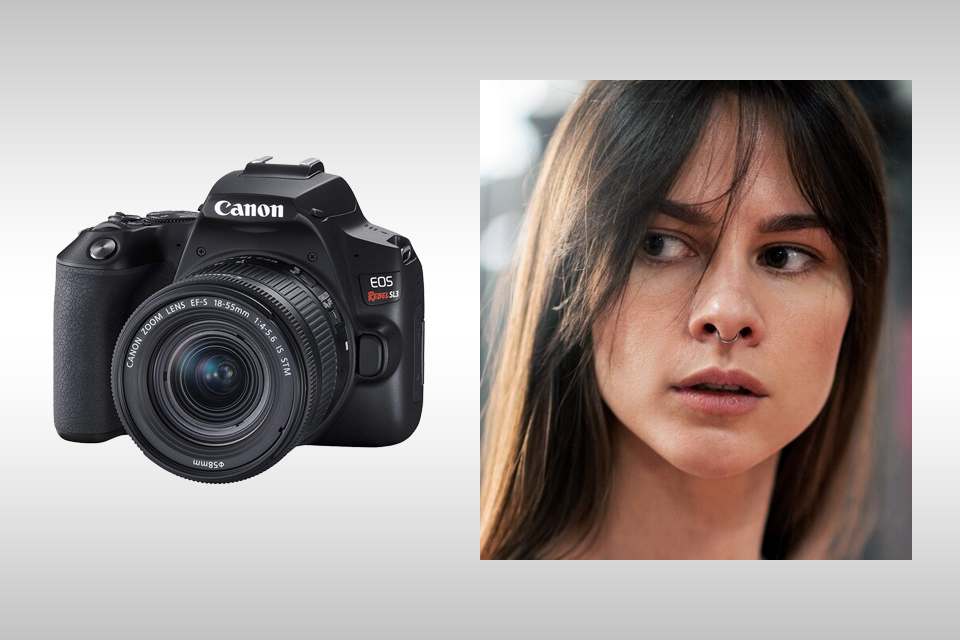
Type: DSLR | Sensor: APS-C CMOS | MP: 24.1 | Video: Up to Full HD at 60 fps | Weight: 15.8 oz | Size: 4.8 x 3.7 x 2.8 in
Ann recommended this cheap Canon camera since she uses it for teaching beginner photography. This model is user-friendly and produces excellent image quality without any complications.
“This camera is great for novices and casual shooters. The touchscreen is extremely user-friendly, and the AF is smooth, even when shooting videos.”
I immediately noticed how compact and lightweight it is for a DSLR. Compared to my usual pro setup, it’s much easier to carry around. I spent a day casually shooting with it, capturing street scenes, nature, and even portraits for my friend Mary.
The colors look natural, and the dynamic range is impressive. While low-light performance is decent, I did need to raise the ISO in darker environments. The video quality is great, and I appreciate the 4K recording, though there’s a slight crop.
Amazon: 50+ bought in the past month
B&H: 750+ sold in the past year
Adorama: 650+ sold in the past year
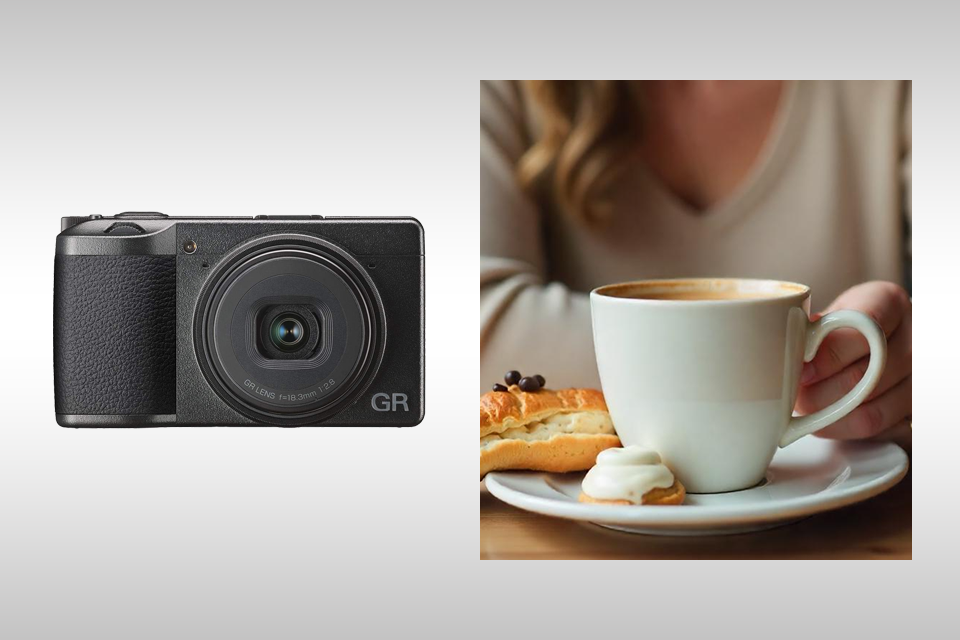
Type: Compact digital | Sensor: APS-C CMOS | MP: 24.2 | Video: Up to Full HD at 60 fps | Weight: 9.1 oz | Size: 4.6 x 2.4 x1.4 in
Kate recommended the Ricoh GR III to me, as it is her favorite camera for street photography and quick documentary-style pics. Portability and the way it handles natural lighting appeal to her most of all.
“I love the Ricoh GR III for its combination of discreet design and impressive power. The image quality is outstanding, and its compact size makes it effortless to carry everywhere.”

First of all, I was impressed by its compact and lightweight construction. This camera came in handy for my casual day out that involved grabbing coffee, walking through the city, and taking spontaneous lifestyle photos with my sister Julie. The 28mm fixed lens encouraged me to shoot more actively, moving around and paying closer attention to how I framed each shot.
This compact digital camera for everyday use produced sharp and clear pics and rendered beautiful colors. With its large APS-C sensor, it coped with its task well even in dimly lit spaces. The autofocus wasn’t the fastest, especially in darker environments. While the snap focus feature is helpful, it took some time to get used to it.
Amazon: 500+ bought in the past month
B&H: 7K+ sold in the past year
Adorama: 6K+ sold in the past year
Best Buy: 5K+ sold in the past year
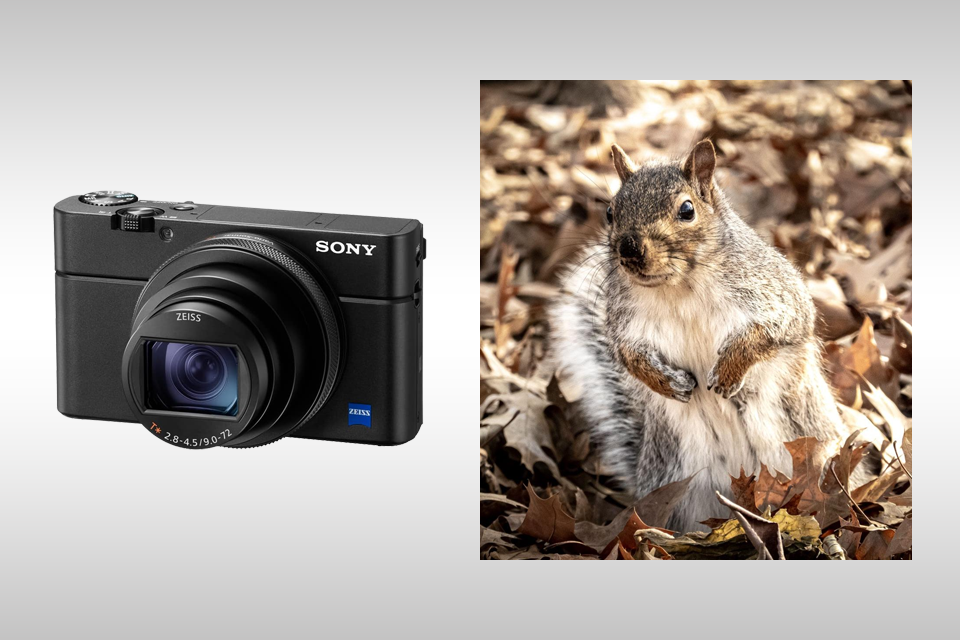
Type: Compact digital | Sensor: Exmor RS CMOS (1-inch) | MP: 20.1 | Video: Up to UHD at up to 120 fps | Weight: 10.4 oz | Size: 4.0 x2.3 x1.5 in
Robin highly recommends this camera for travel and event photography. She says it’s her go-to tool for getting top-notch shots without the hassle of carrying around heavy gear.
“This camera is my top pick for travel and events. The zoom is really versatile, and the autofocus is crazy fast. It’s like carrying a pro-level setup in a tiny package.”

Right from the start, I was struck by how high-quality and sturdy it felt. It’s compact enough to slip into a jacket pocket but still feels durable. I brought it with me on a weekend getaway in the forest, taking stunning landscapes, and even a cute squirrel portrait. The 24-200mm zoom range was a benefit, as I could switch from wide-angle shots to tight close-ups without changing lenses.
The autofocus was incredibly fast, effortlessly tracking moving subjects, and the image quality was sharp with plenty of detail. This model is a great flip screen camera for selfies and vlogging. While low-light performance was decent, I did need to adjust settings to minimize noise. The only drawback was the small grip, which felt a bit slippery, but a wrist strap easily solved that issue.
Amazon: 200+ bought in the past month
B&H: 3K+ sold in the past year
Adorama: 2K+ sold in the past year
Best Buy: 1.5K+ sold in the past year
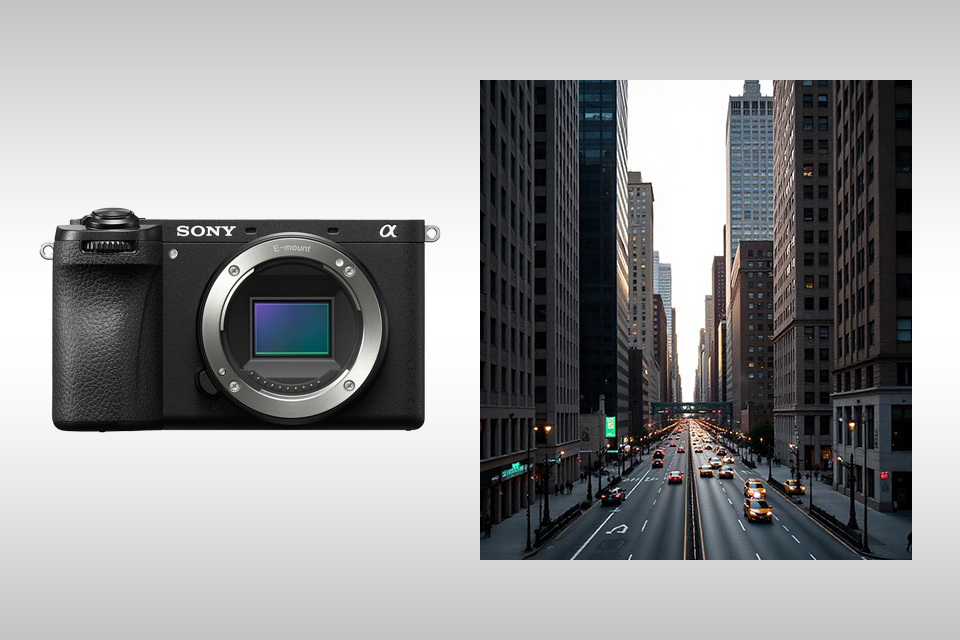
Tati recommended this Sony camera to me, praising it as her top choice for hybrid shooting that involves taking both amazing photos and professional video. I was excited to test it out, as I needed a camera that could handle both formats effortlessly.
“a6700’s autofocus is incredible, and the colors look amazing straight out of the camera. Whether I’m shooting portraits or cinematic clips, this camera never lets me down.”

I immediately noticed how sturdy yet lightweight the body felt. It’s bigger than a point-and-shoot but smaller than full-frame mirrorless cameras. Paired with the Sony 16-50mm kit lens, I tried it out for street photography, casual portraits, and vlog-style videos.
The autofocus was truly impressive. Sony’s AI-powered tracking instantly locked onto faces and even eyes, whether I was taking photos or recording video. The dynamic range was excellent, preserving details in both bright and dark areas. I also appreciated the articulating touchscreen, which made vlogging with this mirrorless camera for video much more convenient.
Amazon: 200+ bought in the past month
B&H: 3.5K+ sold in the past year
Adorama: 3K+ sold in the past year
Best Buy: 2K+ sold in the past year
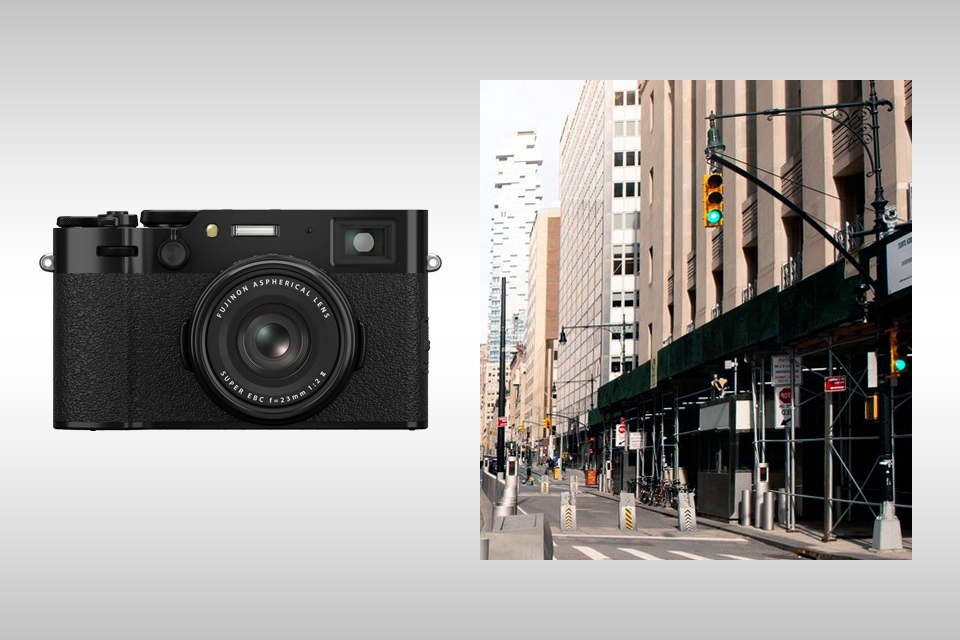
Type: Compact digital | Sensor: APS-C X-Trans CMOS | MP: 26 | Video: Up to Full HD at up to 60 fps | Weight: 16.9 oz | Size: 5.5 x 3.2 x 1.9 in
Nataly recommended this Fujifilm camera, calling it her go-to model for street photography and travel. She’s a fan of its film-like look and timeless design, so I was eager to see if it really matched the excitement around it.
“The X100 VI’s film simulations are stunning, and using the camera brings fun. It’s my favorite model for street photography, and I never leave home without it.”

The moment I held it, I understood the hype. It feels like a classic camera, with a solid build and dials that make shooting fun. I took it on a weekend city walk, capturing street scenes, café moments, and a few unplanned portraits.
The 35mm fixed lens delivers sharp images, and Fujifilm’s color rendering is just perfect: skin tones appear flawless, while the film simulations give my shots a nostalgic look straight out of the camera. The hybrid optical/electronic viewfinder is a standout feature, letting you choose between a classic, analog-style view, and a modern, digital preview.
When selecting the best everyday cameras, I took into account real-world performance, portability, and ease of use. My goal was to find a camera that delivers excellent image quality without sacrificing convenience, so I tested each model in everyday situations like city walks, family gatherings, and spontaneous street photography.
While many cameras had strong specs on paper, not all met expectations in practice, including the Panasonic Lumix FZ80D, Canon PowerShot SX740, Canon Rebel T6, Fujifilm X10, and Sigma FPL. For example, some models were too large and heavy to be truly portable, while others fell short in low-light conditions or had sluggish autofocus. I focused on these critical aspects:
Portability & ease of use. I used each camera for a full day to assess its comfort and usability over time. I also evaluated how quickly I could access it, turn it on, and capture a shot in real-world, on-the-go scenarios.





![Best Camera Glasses in {{%year}} [4K Glasses Included]](http://fixthephoto.com/blog/images/gallery/news_main__preview_20102.png)