Best Focal Length For Portraits [All Portrait Types Covered]

When you purchase through affiliate links on our site, we may earn a commission. Here’s how it works.
How We Test Focal Lengths for Portraits

I run a beginner photography course at FixThePhoto and ask my students about the factors that can influence the way people look in images. Most of them said that camera, lighting, and angles play the main role. Frankly speaking, I was surprised that very few students mentioned focal length for portraits.
what is the best focal length for portraits

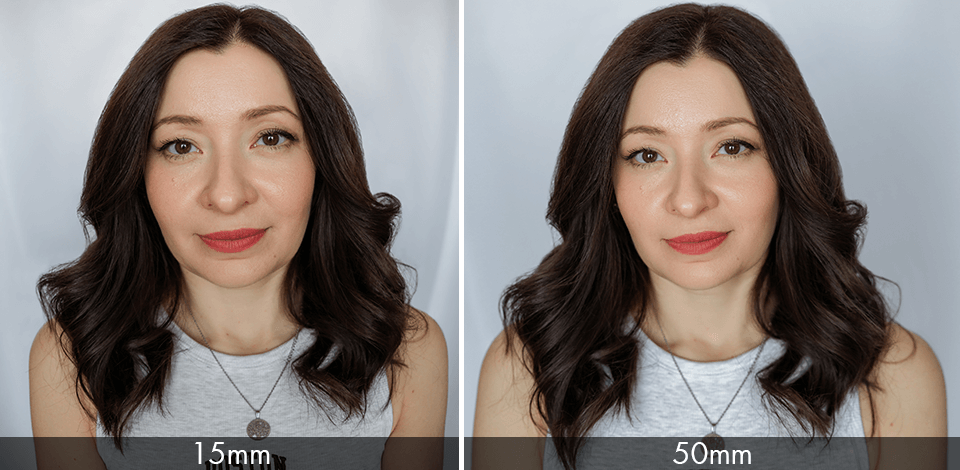
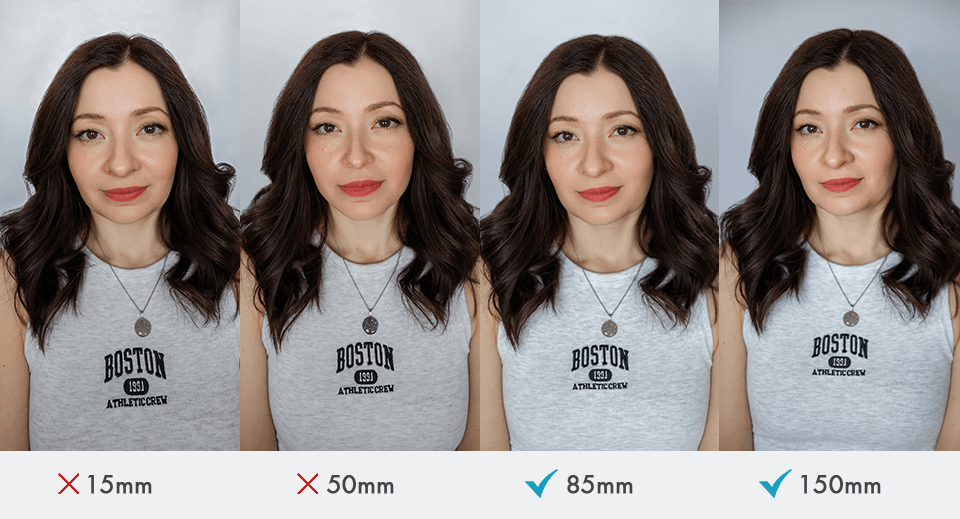
In fact, the focal length has a direct impact on the quality of photos and how models look. Unfortunately, many novice photographers underestimate its significance. With many years of experience in photography, I know that it is the focal length that affects perspective, background compression, distortion, and the general aesthetics of the picture.

For instance, if you choose a 24mm lens for close-up portraits, you will get images with exaggerated facial features that can look strange or comical. If you switch to a telephoto lens, e.g., 135mm, facial proportions will be accurate and a subject will pop against the background.

In this article, I provide general details on the best focal length for portrait photography, elaborating on recommended optics for solo, family, full-body, couple, group, and environmental portraits. I’ve also prepared information on how to pick the perfect aperture for different focal lengths and how to create an ideal setup based on your needs.
The Silent Killer of Good Portraits

best lens focal length for portraits

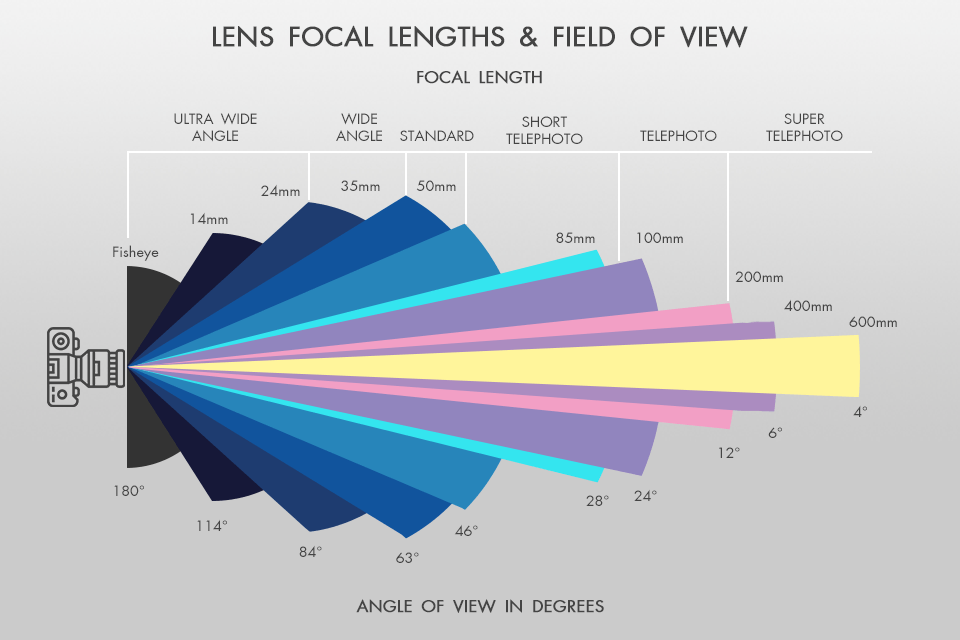
Definition: Focal length is the distance between the lens and the camera’s sensor when focused on the subject. It is measured in millimeters. It controls how much of the scene your camera sees. A shorter distance means a wider view and a longer distance means a narrower, more zoomed-in view.

If you’ve noticed portraits where the person’s face looks strange or the background is screwed up, it is likely the effect of focal length. Many people new to photography think that any lens for portraits is OK, but actually, each focal length gives a unique look.

It is paramount to understand the best focal length for portraits in different situations, as this parameter directly affects:

  • Perspective & proportions. The way facial features look in relation to each other.
  • Compression. Whether the background appears close or far to the subject.
  • Depth of field. How blurry the background and the foreground are.
  • Composition. How much of the surroundings is depicted in a photo.

To take professional-quality portraits, you need to grasp the focal lengths comparison. Take your time to choose the right one, as it can make a bigger difference than even good lighting or editing.

Choosing the Right Gear for Your Portraits

35mm focal length for portrait
70mm focal length for portrait
135mm focal length for portrait

Taking images of people is interesting and inspiring. However, to capture the true self of a person, you need to consider technical aspects. One of the most important decisions is the optical gear. Even if you pick the most expensive equipment, you may not get the best lens focal length for portraits. When shopping, you should answer the following questions:

How do you want your portrait to look? Do you want to show the person in their environment, or focus solely on them with a soft background? The answer to that question will help you pick the right focal length.

What camera type are you going to use? If you have a camera with a smaller sensor (APS-C), you need to remember the “crop factor” (around 1.5x or 1.6x). This means your lens’s focal length is multiplied. So, a 50mm lens acts like a 75mm or 80mm lens, changing your composition and how close the background appears.

Can you afford to buy a new lens? Most people can’t just buy a new lens for every type of photo. That’s why it’s essential to understand how to get the best portraits using the lenses you already own.

I don’t carry a lot of equipment. I rely on three main zoom lenses - the Sony 16-35mm f/2.8 GM, the Tamron 28-75mm f/2.8, and the Sigma 70-200mm f/2.8 DG OS HSM. They go from 16mm all the way to 200mm. With such a set of lenses, I can easily adapt to different portrait photography conditions.

I use the 28-75mm lens for most of my portraits. It’s on my camera for portraits nearly all the time. I prefer to shoot between 45mm and 55mm because this way I can get a realistic perspective and accurate facial features.

My second go-to lens is the 70-200mm. It’s perfect for taking beauty shots and close-ups, especially when I want that soft, blurry effect. The 16-35mm is the lens I use the least. I only pull it out for behind-the-scenes work or when I want to capture a wide view of the surroundings in my portraits.

To tell you the truth, I can do most of my work with just my favorite lens. The other two give me peace of mind and flexibility when I want to try some creative ideas. Now, I’d like to dwell on which focal lengths are best for various portrait styles.

16mm: Extreme, Dramatic, and Not for the Faint-Hearted

16mm focal length for environmental portrait

When you take portraits with a 16mm lens, you get a strong, almost exaggerated effect. Some people say it’s cool, but I know it is easy to overdo it and get a bad result.

I use a 16mm lens very rarely for portraits, because it’s the widest lens I’d ever dare to use. The distortion is so extreme that anything near the lens appears much larger than it actually is. Besides, the background looks stretched and unnatural.

You should be very careful. Otherwise, you’ll get photos where people look like cartoons, with oversized heads and shrunken bodies.

Pro tip: The 16mm lens distorts photos a lot, especially at the edges. To prevent people from looking stretched or warped, make sure they’re mostly in the center of your shot.

However, if you know what you’re doing, a 16mm lens can become the best camera focal length for portraits that are attention-grabbing and lively. It lets you create memorable compositions, instead of highlighting subtle details. This lens can fit the bill if you want to show things from very different viewpoints, capture a narrative, or experiment with unique shots.

best focal length for environmental portrait

Choose for:

Dramatic environmental portraits. If you’re aiming to make a person seem small and the scenery seems grand, a 16mm lens will do the job.

Action & sports portraits. If you want to capture movement or shoot from very low or high angles, this lens can come in handy.

Creative editorial work. If you want unusual, creative, or a bit dreamy images, you’d like the distortion produced by this lens.

Avoid for:

Close-up portraits. By taking pictures at a very short distance, you will distort facial features a lot.

Traditional portraits. If you want people to look naturally good and well-proportioned, you should avoid using a 16mm lens.

Tight indoor spaces with people. When you’re stuck using a 16mm lens in a tight space, remember that the edges of the photo will be distorted. People near the edges will look very oddly shaped.

Similar to a 24mm, this 16mm lens lets you focus on many items, even with wide aperture settings. If you want to make the background blurry, so that your subject stands out, you need an ultra-wide f/1.4 lens. Besides, there should be sufficient space between your subject and the background.
24mm: Wide, Bold, and Challenging

best focal length for family portrait

Personally, I think a 24mm lens is one of the widest lenses you should use when practicing portrait photography.

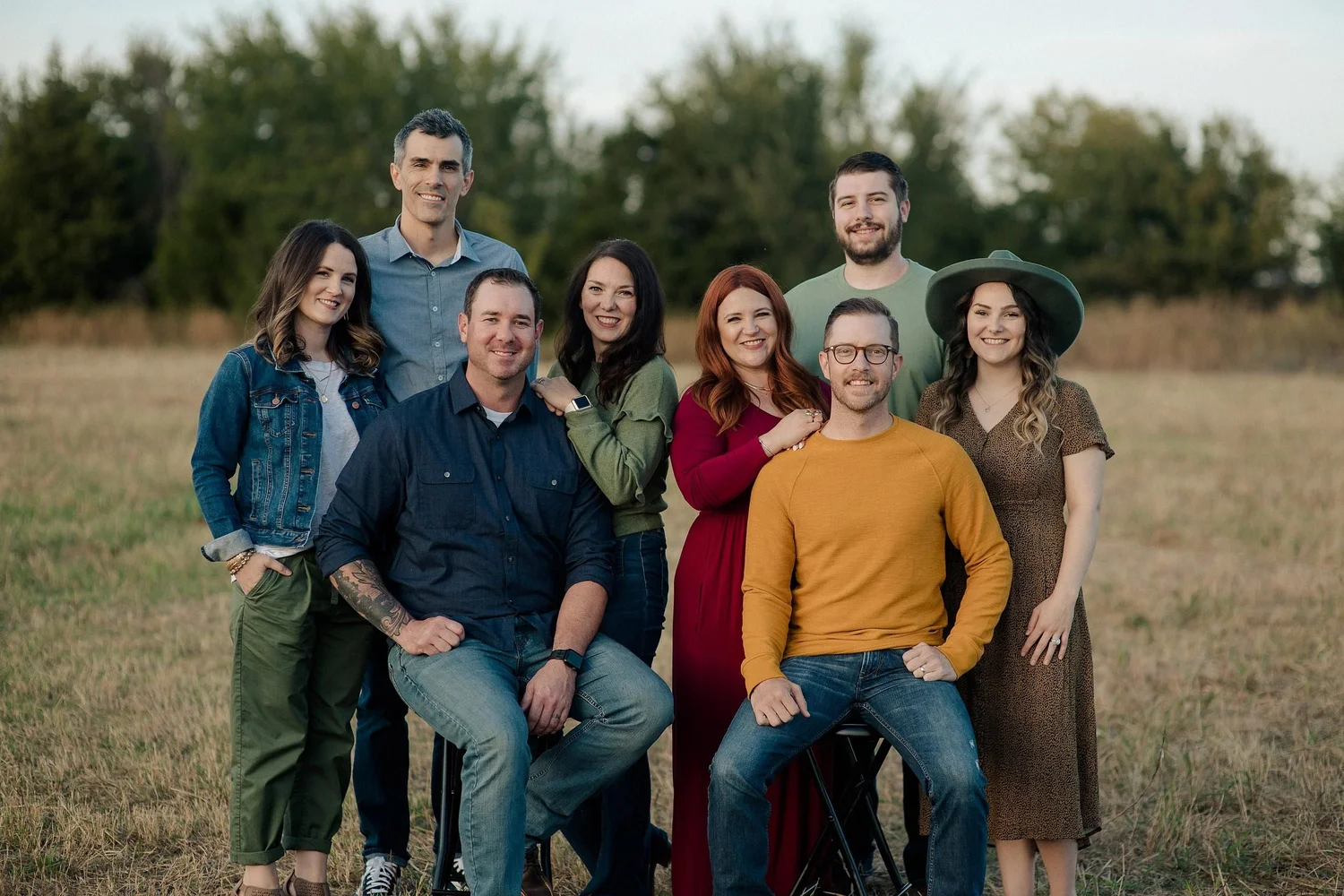
Some photographers claim this is the best focal length for family portraits, as you can get a special, storytelling kind of picture. However, it’s not easy to learn how to use it right. When you use such a wide lens, objects near the camera will always look huge. This can be confusing.

I won’t risk using this lens for close-ups. On the other hand, if you know what you’re doing, the 24mm lens can produce powerful, visually interesting images.

Pro tip: If you have to take a portrait with a 24mm lens, my portrait photography tip is to back up. By increasing the distance, you’ll lessen the distortion, and you’ll still get that wide-angle look. Another helpful trick is to make sure your subject isn’t right at the edge of the photo, as objects get stretched out the most here.

When I want to incorporate more space around my subject into the frame, I grab my 24mm lens. For instance, I can take a wide city scene, a beautiful landscape, or a portrait for business use. However, if I’m only shooting a headshot, I’d never use it.

24mm focal length for full-body portrait

Choose for:

Environmental portraits. You can use it to show the background story, and still make sure your subject stands out in the picture.

Full-body portraits. It is suitable for showing someone’s body movements and stance, and to take high-quality full-length pictures.

Editorial & commercial work. When taking fashion, lifestyle, or advertising shots, 24mm can bring a “being in the moment” vibe to your pictures.

Group portraits in tighter spaces. For indoor group photos where you don’t have much room to step away, a 24mm lens can be a real problem-solver.

Avoid for:

Close-up headshots. It is a bad idea to use a 24mm lens unless you want to have distorted facial features.

Traditional portraits. With this focal length, you can’t get soft, blurry backgrounds and the natural compression in portrait images.

Portraits where subject isolation is key. When you need a portrait where the person is clearly separated from the background, a wide-angle lens like 24mm isn’t the best option.

When using a 24mm lens, it is really difficult to create a mesmerizing, out-of-focus background. Since it captures a wide area, even when you use f/2.8, the background is usually sharp. If you want a really blurred background, you’ll need an ultra-wide aperture, such as f/1.4. Alternatively, you can move your subject further from the background.

35mm: The Perfect Balance for Environmental Portraits

35mm focal length for environmental portrait

Out of all the wide-angle lenses, a 35mm option is the one I’d recommend most for taking portraits.

Using such a lens, you can get perfect portraits without the overly distorted look that most wider lenses produce. Thus, you can demonstrate both the main subject and the environment around it in a flattering manner.

When I asked my colleagues about the best focal length for environmental portraits, many recommended this one. They say it is possible to do so much with a 35mm lens. For instance, it is possible to capture a person and the surroundings, as well as take casual, everyday photographs and documentary-style shots.

Pro tip: With a 35mm lens, you can keep the background in focus. So, instead of blurring it, think about how the background can add to your photo. Arrange your subject so that the background helps explain what’s happening.

Although 35mm is less likely to distort your image than 24mm, you still need to use it accurately. If you get too close to your subject, their facial features may appear elongated. It usually happens at the picture’s borders.
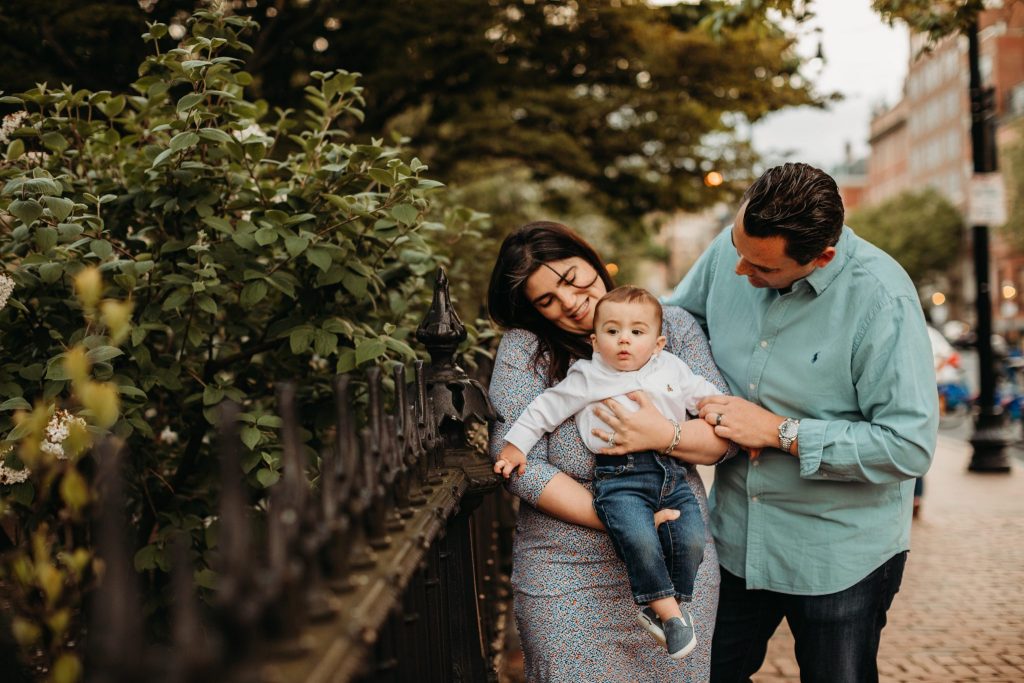
best focal length for family portrait

Choose for:

Environmental portraits. You can use it to capture people in their real-life surroundings, e.g., café, shop, office, etc.

Lifestyle & documentary photography. This focal length is good for taking photos that convey a story and are candid. It also works great for catching people in the moment.

Full-body & half-body portraits. Opt for such lenses to create an eye-pleasing view without overly compressing the background.

Candid family portraits. You can use it to get non-staged pictures of people talking and doing things together, either inside their house or outside.

Small group portraits in relaxed settings. It is perfect for casual group photos with a relaxed vibe.

Avoid for:

Tight close-ups. This length usually causes photo distortion, particularly in the corners.

Forced background blur. To get a very soft, blurred background, you’d better opt for longer lenses like 85mm or 135mm instead of a 35mm lens. If you still want 35mm length, use the widest aperture setting (f/1.4) and ensure there’s a lot of space between your subject and the background.

Highly stylized or dramatic portraits. With a 35mm lens, the focus is on showing things realistically, not on making them look stylized or artificially enhanced.

You can get some background blur with a 35mm f/1.4 lens, but it won’t be as pronounced as with longer lenses. Therefore, don’t rely on blur solely. Play with the edges of the picture, leading lines, and lighting to make the subject the centerpiece of your photo.
50mm: The “Boring” Lens That’s Actually Brilliant

best focal length for solo portrait

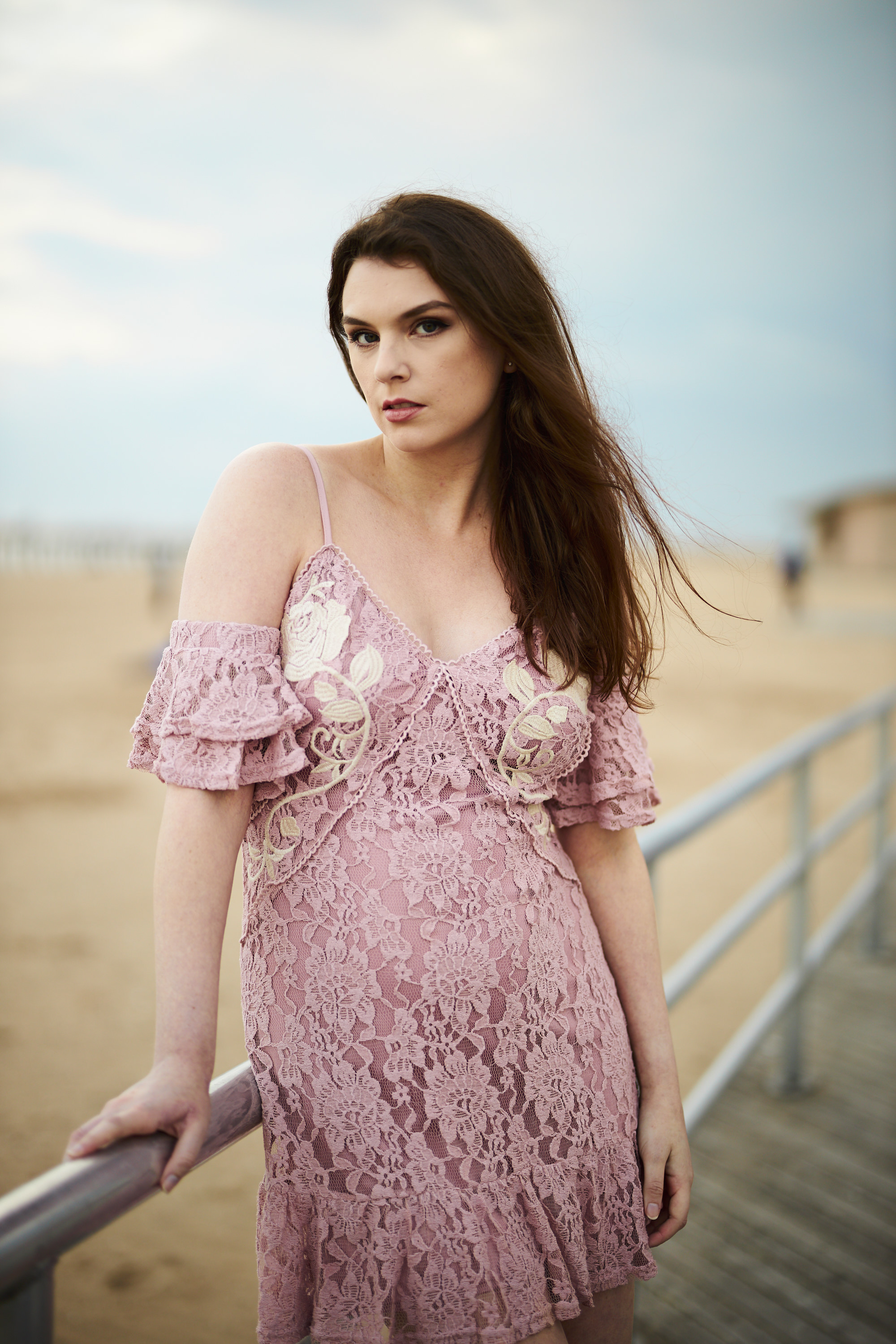
You probably doubt that a 50mm lens is the best focal length for full-body portraits. It is a general misconception. In fact, it is in the middle of two really popular lengths - a 35mm lens that shows you everything around you, and an 85mm lens that makes your subject pop with a blurry background, providing the best of these distances.

It is paramount to learn how to use 50mm lens to get the most out of it. Once done, you will marvel at the results.

Pro tip: It’s a general belief that a 50mm lens works best with the aperture wide open (like f/1.8 or f/1.4). However, you can often get even better results by using a smaller aperture (like f/2.8 or f/4). In fact, you will receive sharper images, more control over sharp parts of a frame, and a more thoughtfully composed shot.

I particularly like the 50mm lens because it gives a very realistic view of the world. It captures scenes in a way that’s very similar to how our eyes perceive them. So, I often resort to this length when I want natural, undistorted portraits. However, you shouldn’t expect the flattering "squishing" effect that an 85mm lens gives for close-up headshots.

50mm focal length for small group portrait

Choose for:

Natural, documentary-style portraits. The 50mm lens offers a “true-to-life” perspective, so you can show subjects in their natural form.

Everyday shooting. If you are searching for a versatile lens that can handle different photography genres, a 50mm lens is a reliable and excellent pick.

Classic head and shoulder portraits. It lets you show the scene realistically, beautifying it with background blur.

Intimate family portraits. Great for capturing emotional sincere connections between relatives.

Full body portraits with good proportions. It keeps your subject’s proportions accurate, while also allowing you to show a bit of the setting or environment they’re in.

Small group portraits where subjects are relatively close. It’s perfect for taking pictures of couples or small families.

Avoid for:

Shots without a strong subject. The 50mm lens provides a very natural, “what you see is what you get” perspective. This means it won’t add any special effects to your photos. Therefore, the success of your photos depends heavily on your ability to create a strong composition, use good lighting, and choose interesting subjects.

Large group portraits. When you use this lens to photograph a group, you need to step back quite a bit, thus losing the feeling of closeness and connection in the picture.

Wide, expansive environmental portraits. While it’s possible to include the background in your photos, a 50mm lens puts the main focus on the subject you’re photographing.

Action or sports portraits. For capturing fast-paced action, a 50mm lens is too narrow to get everything in the shot. Also, when shooting sports, it lacks zoom to reach distant subjects.

A 50mm lens is excellent for capturing any type of portrait, from full-length to close-ups. Moreover, a 50mm prime lens, particularly the f/1.8 model, is one of the most affordable high-quality lenses you can buy.

85mm: The King of Portraits

85mm focal length for portrait

If you ask “What is the best focal length for portraits?”, nearly every portrait photographer answers that it’s an 85mm lens.

This lens is feted for creating winsome blurry backgrounds, which is why it’s called the “bokeh king”. It separates the person from the background neatly, produces nice compression, and provides a natural, close-up view without distorting their face.

Choose for:

Headshots & close-up portraits. When you need to capture detailed, close-up portraits, whether for business or beauty purposes, an 85mm lens is the best tool for the job.

Mid-length portraits. By attaching an 85mm lens to a full-frame camera, you can take clear mid-length portraits (from the waist upwards).

APS-C camera sensors. If you wonder about the best focal length for portraits APS C, opt for an 85mm lens. It will magnify the image, acting like a longer 128mm lens. This is great for taking close-ups, but you need more space to take full-body photos.

Formal family portraits. Use it for posed family portraits when you want to focus on the people and make sure any background objects are less visible.

Small group portraits where flattering individuals is key. It’s perfect for group photos where you want to highlight each person’s face clearly and keep the background soft.

Environmental portraits where you want to isolate the subject. You can use an 85mm lens to soften the background but still show a bit of the general surroundings.

Avoid for:

Group portraits. If you’re taking a family portrait or photographing a large group, an 85mm lens can make it hard to fit everyone in the frame unless you can stand really far back. It is better to use a 50mm or 35mm lens for group shots.

Shooting at f/1.2 aperture all the time. Don’t automatically use the widest setting on your lens. If you do, small details like the tip of a nose can become blurry. To receive clearer images, I prefer f/2 or f/4.

Environmental portraits, where showing the surroundings is crucial. Since it focuses closely, you don’t see much of the surrounding area.

Full body portraits in tight spaces. If you want to take a full-body picture using an 85mm lens, you’ll need a lot of space behind you. This can be an issue indoors.

85mm best focal length for portraits

Pro tip: You’ll get amazing results with an 85mm lens if you work in a spacious area. By using f/2 or f/2.8, you can create a pleasingly soft background and have a group of people perfectly focused.

This is the lens I’d keep if I could only have one for portraits. However, getting a sharp picture at f/1.2 on a traditional DSLR camera can be very difficult. Modern mirrorless cameras with eye-tracking autofocus handle the task much better. To prevent focusing issues on a DSLR, you can focus manually or change your aperture setting.

100mm: More than Just a Macro Lens?

100mm focal length for portraits

If you mention a 100mm lens, most people will assume you’re talking about macro photography. In fact, this lens is really terrific at taking close-up shots of flowers, insects, and other objects, showing all their tiny details.

Still, thinking a 100mm lens is only for macro shots is a mistake. Though it can’t be called the best focal length for portraits full frame, it allows you to take pictures of people with a flattering perspective, a lovely blurred background, and without being too close to them.

A 100mm lens resembles an 85mm one in a way it flattens facial features, without degrading the natural look. Plus, it creates a really nice, soft background blur at f/2.8. So, you can get a beautiful, dreamy effect without purchasing a f/1/2 lens.
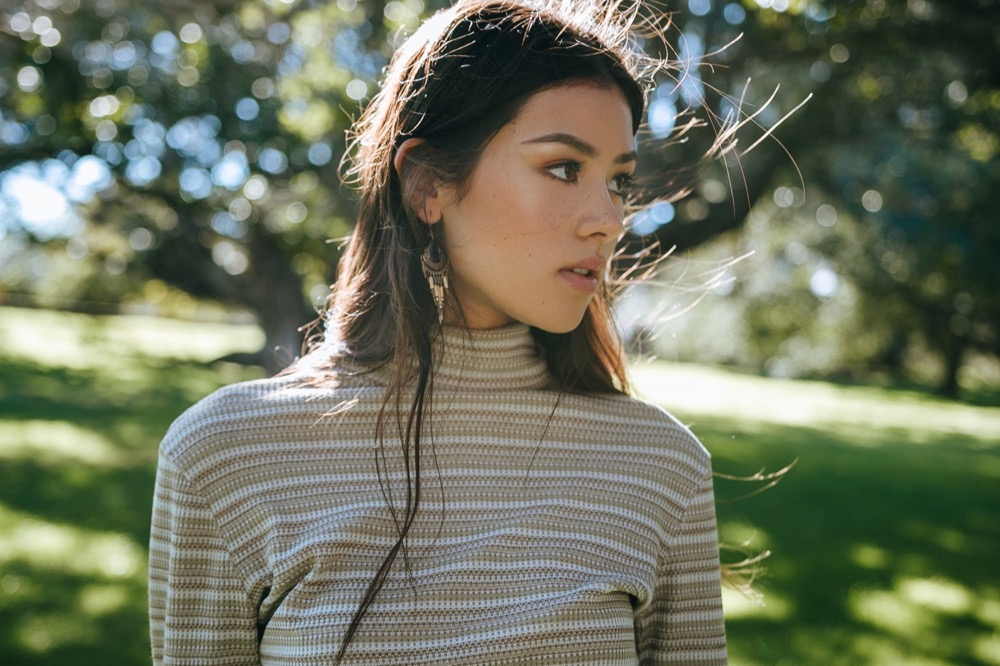
100mm focal length for solo portraits

Choose for:

Studio portraits. If you want to get detailed, high-quality photos, when shooting indoors with controlled lights, a 100mm f/2.8 macro lens is a great choice.

Close-up portraits. With this lens, you can take photos with the tiny details clearly visible.

Outdoor portraits. This lens can make your subject stand out sharply against a soft, blurred background.

Refined headshots and beauty portraits. It resembles an 85mm lens but gives you even more compression and background separation.

Formal and posed portraits of individuals and small groups. Using this lens, you can take pro-quality portraits.

Working from a distance. It provides more distance compared to an 85mm lens, which is beneficial for photographing people who are camera-shy or in situations with a lot of distractions.

Avoid for:

Group shots. It’s ideal for capturing a single person, like the 85mm lens for family portraits, but it’s not wide enough to comfortably fit more than one person in the picture.

Indoor shots. Because of its size, this lens is challenging to use in tight areas.

Candid or action portraits. This lens makes it harder to catch unexpected moments or fast-moving action because it takes more time to adjust the zoom.

One of the best things about a 100mm lens for portraits is that it gives you a comfortable working space. You don’t have to be right in someone’s face or way back across the room. When paired with a full-frame camera, it’s ideal for headshots, beauty portraits, and detailed images.

135+ mm: The Telephoto Powerhouse

135mm focal length for small group portraits

With telephoto lenses, we can create a very strong background blur, which is often used for a cinematic effect. However, the “depth of field” becomes extremely shallow, so it is very difficult to keep the subject sharp.

135mm and 200mm lenses may be a good solution if you want to take subject-isolating portraits with a professional vibe. Still, you need to remember their unique characteristics and limitations.

Choose for:

Tight headshots. Use such lenses to get detailed close-ups with natural compression.

Outdoor fashion shots. Due to the compressed perspective, you can use it to photograph people against eye-pleasing backdrops.

Event and candid portraits. A 200mm or longer lens lets you take images without getting too close and interrupting what’s happening

Formal portraits where extreme subject isolation is desired. Telephoto lenses let you focus on your subject and not the stuff behind them.

Candid portraits from a distance. With this lens, you can capture real, unposed reactions from people since they don’t see a camera directed at them.

Avoid for:

Small spaces. They may disappoint you in indoor or crowded places where you can’t move back to focus.

Focusing considerations. While making the background very blurry, it is difficult to get the focus right, particularly when using a wide aperture. That’s where eye autofocus comes in handy.

Poor communication with your subject. When you are too distant, it is tough to communicate with your subject.

Family portraits, especially groups. This isn’t the best focal length for small group portraits, as you have to stay far away from everyone and can only fit a few people in the shot.

135mm focal length for portraits

Such telephoto lenses, 135mm and more, are specialized tools. However, if you know how to use them properly, you will get incredible portraits with a model nicely separated from the background. If you often work in vast outdoor settings and want to preserve a cinematic style, you can take advantage of this lens range.

Quick Focal Length Guide for Portraits

Match lens to subject:

  • Solo portraits → 50mm, 85mm, 135mm
  • Couples & small groups → 35mm, 50mm, 85mm
  • Large groups → 24mm, 35mm (watch for distortion)

Avoid distortion:

  • Close-up portraits? → Use 85mm+ for natural compression
  • Wide lenses (24mm, 35mm) can stretch faces—use carefully

Consider the environment:

  • Indoor/tight spaces → 35mm or 50mm
  • Outdoor portraits → 85mm, 135mm for subject isolation
  • Candid/event photography → 70-200mm zoom for flexibility

For the best bokeh:

  • Longer focal lengths = better background blur
  • 85mm @ f/1.8 → Balanced blur & detail
  • 135mm @ f/2 → Soft, dreamy background

Depth of field matters:

  • Shooting aperture wide open (f/1.2) is tempting but impractical
  • Use f/2.8 or f/4 for sharper focus, especially for groups

Prime vs. zoom

  • Primes (50mm, 85mm, 135mm) → Sharper, better bokeh
  • Zooms (24-70mm, 70-200mm) → More flexibility

Best Focal Length and Aperture for Portraits: Why Both Matter

To get great portrait photos, you need to consider not only focal length but also aperture and depth of field. Both focal length and aperture for portraits control the brightness of your image, the level of background blur, and the overall sharpness of your subject.

The aperture defines how much light enters the lens. A wide aperture (lower f-stop) lets in a lot of light, creating a shallow depth of field, which means a blurry background. A narrow aperture (higher f-stop) lets in less light and creates a deep depth of field, keeping more of the image sharp.

It is very important to understand the relationship between aperture and focal length. Below, you can see my approach to using these settings for various portraits:

f/8 or higher is ideal for images of 7+ people to keep everyone in focus.

f/4 works best for small group portraits (around 4 people) to preserve sharpness across the group.

f/2 – f/3.2 is suitable for couple portraits, allowing you to keep both the models and the background sharp.

f/2 – f/2.8 is great for solo portraits when facial features are accurate and the background is a bit blurred.

Why aperture choice matters. Some photographers love using the widest opening, e.g., f/1.2, just because they can. But those settings are hard to work with. The area that’s in focus is very small, so even the slightest movement can make your picture blurry. I rarely go below f/2, unless I’m trying to make the photo look dreamy.

For group photos, use f/4 or f/8 to make sure everyone is in focus. This setting is suitable even if models aren’t perfectly aligned. When photographing one person, choose f/2.8 to get a blurry background and keep the person’s facial features accurate.

Choose the right aperture according to the focal length. An 85mm lens at f/2.8 makes the background beautifully blurry, so your subject pops. But a 35mm lens at f/2.8 may not blur the background enough. Experiment with camera setting for portraits and zoom levels, but always think about your subject and general composition.

How We Tested Focal Lengths for Portraits

Instead of just guessing what focal length is best for portraits, my FixThePhoto team and I decided to do some meticulous testing. We went to different places and photographed actual people using various lenses.

I used different portrait lenses from reputable brands. I wanted to see how each lens affected facial features, isolated subjects, changed background, and generally impacted the scene. My testing was divided into 3 main stages:

Studio portraits. I took photos in a studio with controlled lighting to evaluate subject distortion, background blur, and depth of field.

Outdoor natural light portraits. I went outdoors to evaluate lens performance in different lighting conditions and see how well each model handled bokeh, subject isolation, and natural light rendering.

On-location lifestyle portraits. I tested how practical and flexible different lenses were by photographing couples, individuals, and small groups in different environments, such as cities and forests.

Key findings from my testing:
  • 35mm. Works great for environmental portraits but causes distortions when you are close to the subject. Use it for storytelling-style shots rather than close-up headshots.
  • 50mm. A wonderful option for natural-looking portraits with nicely blurred backgrounds and sharp foregrounds. Choose this length for tight-space shooting.
  • 85mm. My favorite lens for portraits because of its nice subject isolation, flattering compression, and beautiful background blur.
  • 105mm+. Terrific choice for close-up headshots with mesmerizing compression if you have enough shooting space.

Tata Rossi

Tech Trends Journalist

Tata Rossi is a photographer-advisor, key contributor at FixThePhoto, sharing her expertise about photography and 55% of photos you see at our blog are taken by her. She is a Bachelor of Fine Arts in Photography from the Massachusetts College of Art and Design. She is the main so-called teacher in our team, conducting courses on photography and editing for beginners and anyone interested.

Read Tata's full bio

Tetiana Kostylieva

Photo & Video Insights Blogger

Tetiana Kostylieva is the content creator, who takes photos and videos for almost all FixThePhoto blog articles. Her career started in 2013 as a caricature artist at events. Now, she leads our editorial team, testing new ideas and ensuring the content is helpful and engaging. She likes vintage cameras and, in all articles, she always compares them with modern ones showing that it isn’t obligatory to invest in brand-new equipment to produce amazing results.

Read Tetiana's full bio

adobe special offer adobe special offer