Handling large amounts of client documents, contracts, invoices, references, and project updates showed me how important good document management software is for keeping work organized and efficient. In my daily workflow, these tools help me store everything in one place, quickly access important files, keep track of document changes, and make collaboration with clients and teammates much easier.
Regular cloud storage no longer worked well for my workflow because I kept running into messy folders, duplicate documents, missing file versions, and delays when working with a team. To find a better solution, I tested more than 20 tools. I compared how easy they were to organize, share, secure, and manage in everyday work. I also talked with my colleagues at FixThePhoto to learn which tools perform best for creative teams and projects with a large number of files.
| Tool | AI-powered features | Document security | Free plan/trial |
|---|---|---|---|

|
AI-powered editing, smart form detection, and document summarization tools
|
Strong security with encryption, password protection, and secure cloud storage
|
✔️
|

|
AI search via Microsoft Copilot, smart content recommendations
|
Enterprise-level security, role-based permissions, and compliance controls
|
✔️
|

|
Intelligent document processing and automatic data extraction
|
Advanced security, encrypted storage, and detailed audit logs
|
✔️
|

|
Smart search, AI writing help, and automatic suggestions
|
Strong cloud protection, access controls, and encryption
|
✔️
|

|
AI-powered classification and metadata tagging
|
Secure access management, encryption, and compliance-ready storage
|
✔️
|

|
Basic automation and smart file organization
|
Standard encryption and role-based access controls
|
✔️
|

|
AI auto-tagging for documents and images
|
Safe cloud storage with detailed control
|
✔️
|

|
Limited AI functionality, mainly workflow automation
|
Protected cloud storage with controlled user permissions.
|
✔️
|

|
AI-based file analysis and automatic data labeling
|
Business-level protection with GDPR, HIPAA, and SOC2 standards
|
✔️
|

|
AI-assisted document creation and workflow recommendations
|
Secure e-signatures, encrypted file transfers, and audit tracking
|
✔️
|

|
AI-powered search and smart legal document analysis
|
Military-grade protection and strict compliance standards
|
✔️
|
I chose the best document management software based on how smoothly each platform handled everyday tasks, not just the number of available features. I looked at how simple it was to sort files, locate documents quickly, keep track of updates, and work with teammates without slowing down the workflow. I also paid close attention to privacy and protection features, including user permissions, secure storage, and support for handling confidential client information.
I also considered situations where files could be accidentally deleted or overwritten, so I compared how different platforms handled backups, file restoration, and recovery features similar to those found in free data recovery software.
I also checked how well each platform connected with tools I already use, such as cloud storage services and office apps. Another important factor was automation and whether the software could handle both small personal projects and larger team workflows without becoming difficult to manage. In the end, I compared pricing, speed, and overall usability to make sure the software was not only feature-rich but also practical for real everyday work.
Working with huge amounts of client paperwork showed me how much time gets wasted when files are scattered across emails, shared drives, and random computer folders. Using document management software made everything easier to track, quickly accessible, and neatly arranged inside one organized workspace.
Key issues solved:
Price: 7-day free trial or from $14.99/mo.
Compatibility: Windows, macOS
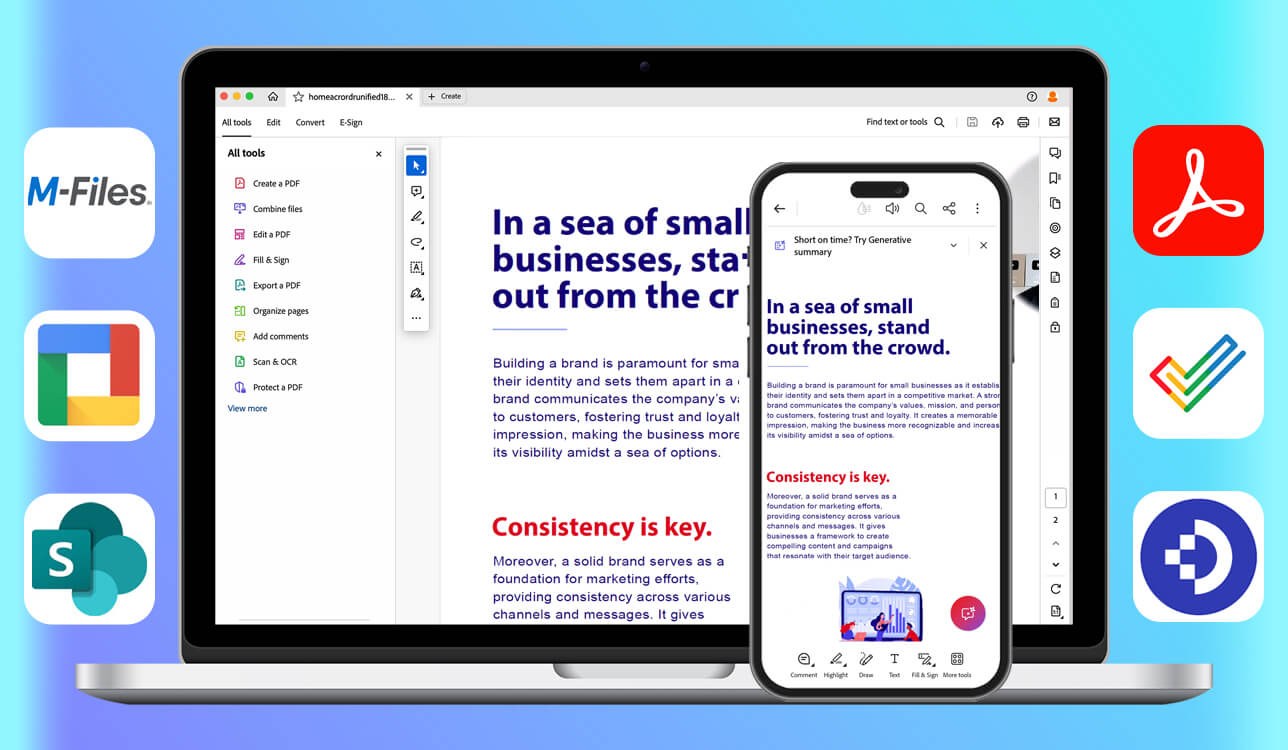
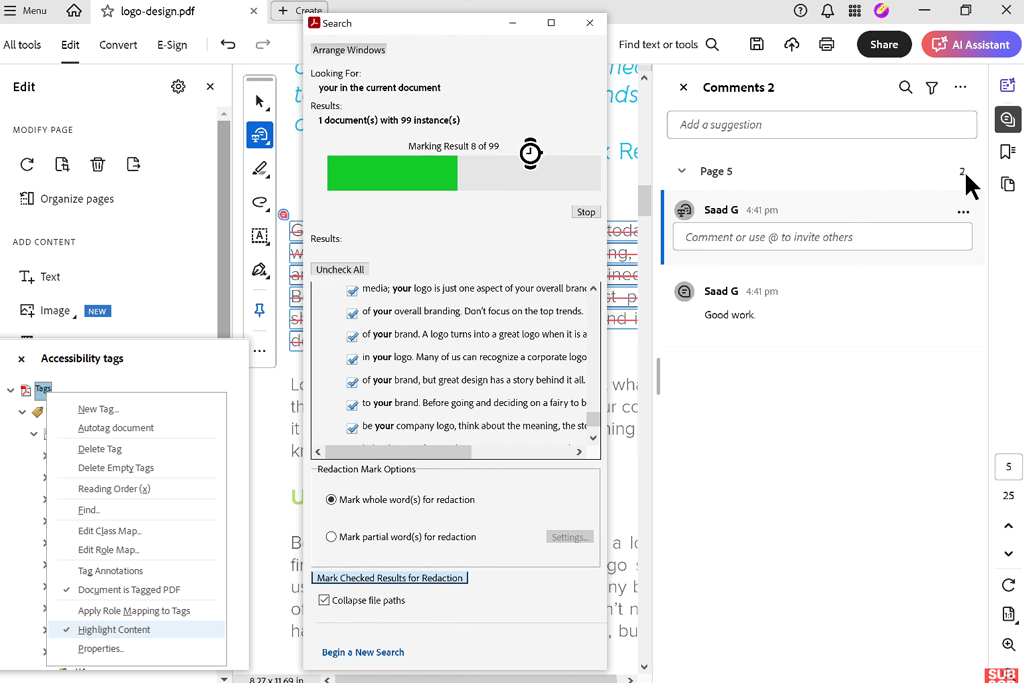
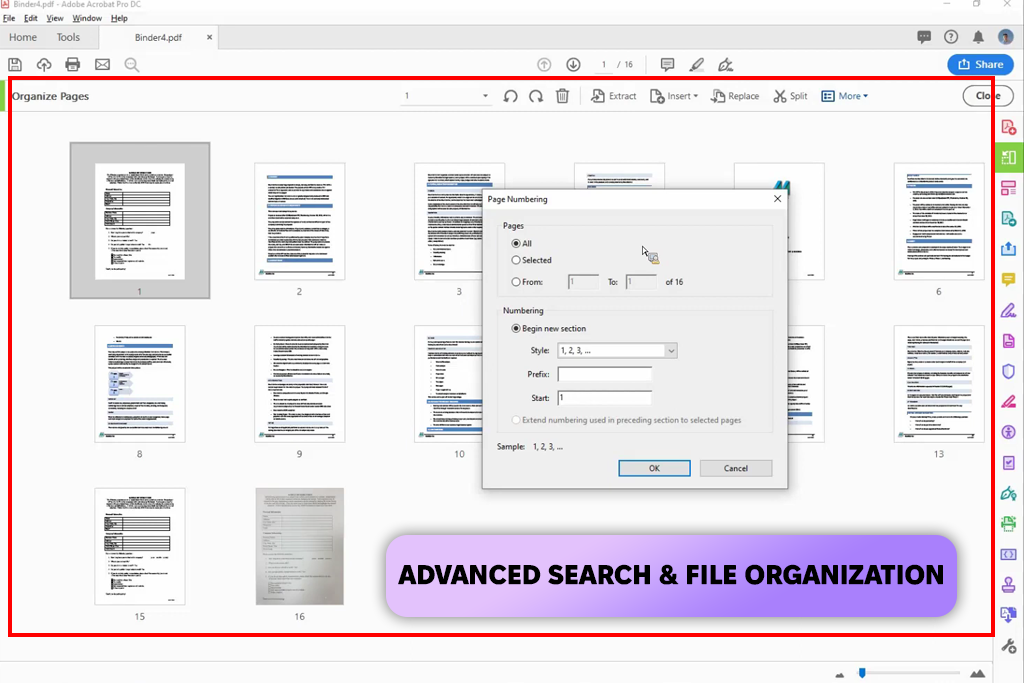
I started using Adobe Acrobat Pro not just to edit PDFs, but also as a complete system to manage my documents. I use it to organize contracts, client files, approvals, and shared project documents. What I liked best is how it keeps everything in one central place. Instead of looking through lots of folders, I can quickly find files using the smart search tool, see older versions of a document, and open my files from different devices using cloud storage.
This document management system became especially useful for teamwork because it allowed me to handle almost the entire workflow in one place. I could share documents, review edits, leave comments, manage access rights, and collect electronic signatures without constantly switching between different platforms. I also liked the AI tools, which helped summarize long files and quickly identify important information. The main drawback I noticed was that the software could become quite demanding on system resources, especially when opening multiple large PDFs or working on several documents at once.
“For me, Acrobat Pro is an all-in-one document workspace. It keeps editing, organizing, sharing, and signing files in one place.”

Price: 30-day free trial or from $4.40/mo.
Compatibility: Web
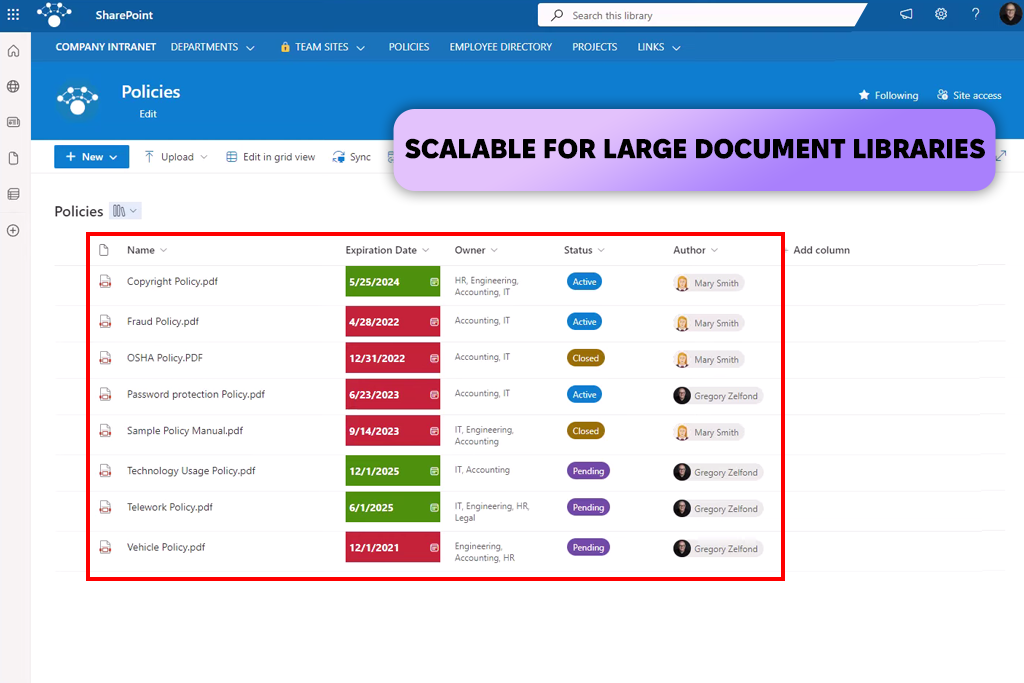
When I needed a reliable way to manage large numbers of shared documents and team projects, I decided to test Microsoft SharePoint. What I liked most was how easily it connected with other Microsoft 365 tools like Word, Excel, Teams, and Outlook. I could work on documents with teammates at the same time, keep files organized, manage approvals, and access everything from one place.
Instead of switching between multiple apps, the entire workflow felt much more connected and easier to manage. It also worked well as online collaboration software for remote teams, making document sharing and teamwork much smoother.
That said, I found that this document management platform works best for teams that need a structured way to manage documents. It offers a lot of control over file access, approvals, and workflows, but getting everything organized takes some effort upfront. The interface can feel a bit overwhelming at first, and for smaller teams with simple needs, it may offer more functionality than necessary. However, once everything is set up, it becomes much easier to keep documents organized and collaboration running smoothly.
Price: 30-day free trial or from $25/mo.
Compatibility: Web
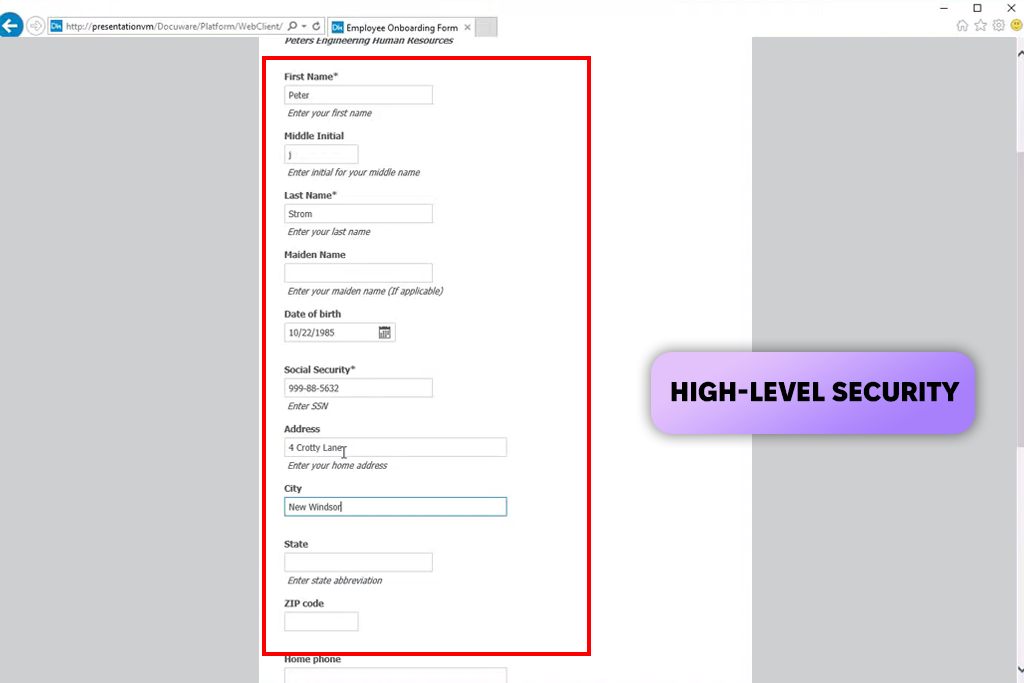
DocuWare is a very well-organized system for managing workflows that involve a lot of documents. Its automation tools really stood out to me - they made handling approvals, invoices, and repetitive tasks much simpler. Helpful features like version tracking, automatic reminders, and digital approvals cut down on daily document work and saved me significant time during hectic projects. I also appreciated the central document storage. Files were labeled in a smart way, so I could find them within seconds, even when searching through huge archives.
When I tested the online document management software, working with my teammates from different locations went smoothly, thanks to secure file transfers and access controls that kept private documents safe. The system also includes powerful search tools and solid security, all running on Microsoft Azure. On the downside, getting everything set up can cost a lot and take a long time - particularly for smaller companies. Also, I noticed that working with very large document collections sometimes made the system run a bit slower.
“It's not a good fit for small or simple jobs, but for heavy-duty document management work, it works very effectively.”

Price: 14-day free trial or from $8/mo.
Compatibility: Web
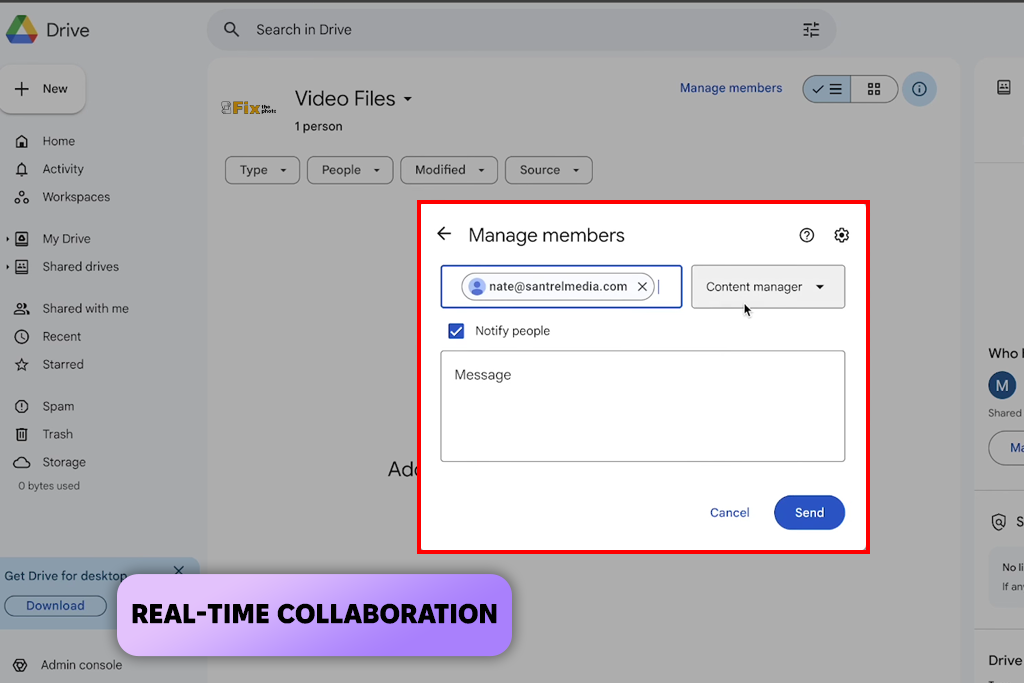
I used Google Workspace to store contracts, manage shared files, track document updates, and collaborate with others in real time. Google Drive made it easy to access files from any device, while Docs and Sheets helped keep projects organized without extra software. What I liked most were the real-time collaboration and automatic version history features. Multiple people could work on the same document at once, while every change was saved automatically, making it easy to review edits and avoid duplicate copies.
The permission settings made it safe to share documents with others. Because the platform comes with Docs, Sheets, and Slides, I also see it as one of the most useful free Office Suites for teams and people working on their own. That said, when I tested it with larger collections of documents, keeping folders organized became tricky. Also, the platform doesn't have the more advanced automation tools that you get with document management software designed for bigger companies.
Price: 14-day free trial or from $65/mo.
Compatibility: Web, Windows, macOS
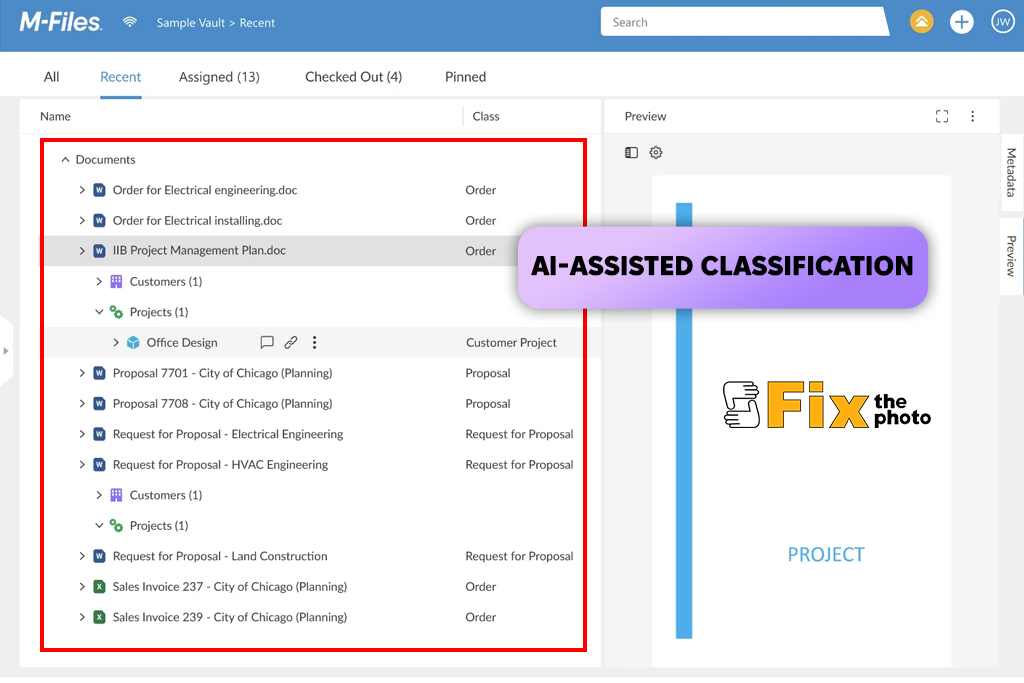
M-Files is one of the most unique tools I've tried. Instead of using regular folders to store files, it organizes everything using metadata - things like tags, categories, and file types. This made finding documents much quicker when working on big projects. I also appreciated the AI-powered tools that automatically sorted files and cut down on manual effort.
Testing M-Files showed me how well it handles large creative libraries. In fact, I think it would work great as digital asset management software for photographers who deal with thousands of images, contracts, and client files. The automated workflows, version tracking, and powerful search made a real difference in keeping things organized. That said, it's not the easiest system to pick up quickly, working without traditional folders feels strange at first, and the setup is more involved than with simpler document management tools.
“I like M-Files because it organizes documents by content, not folders, making files much easier to find.”

Price: Free (3 projects) or from $4/mo.
Compatibility: Windows, macOS
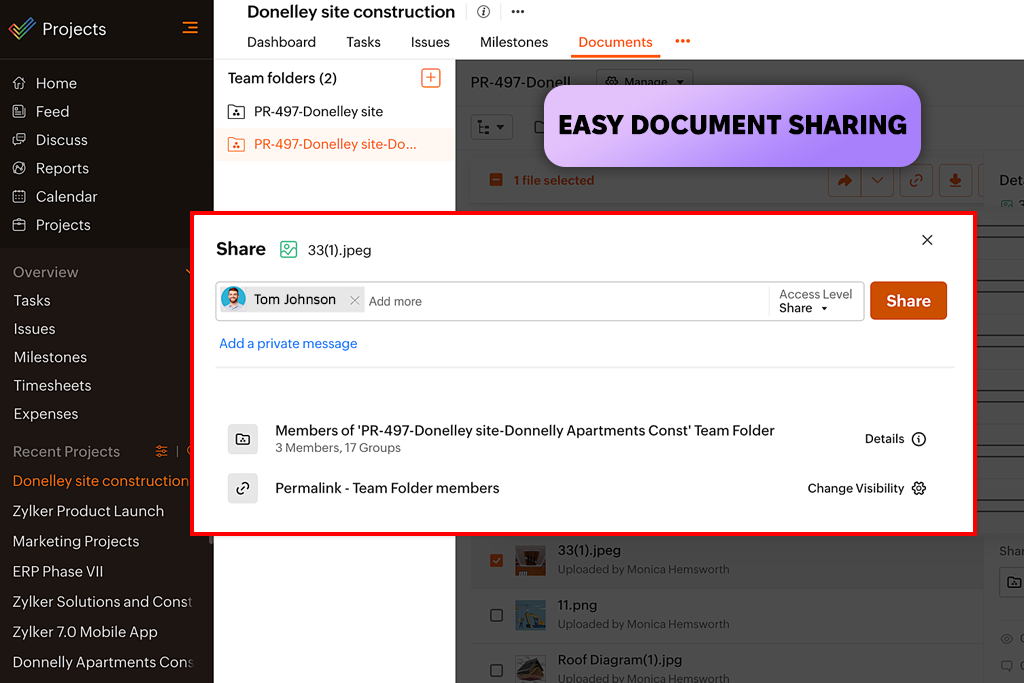
Zoho Projects keeps projects and documents together in one workspace. In my tests, it helped me organize reports, contracts, and other files right alongside their related tasks. This made everything more streamlined, cut down on version mix-ups, and made teamwork easier.
This platform also has the basic document management features you'd expect, like tracking changes, searching for files, controlling who sees what, and sharing through the cloud. Using it with Zoho WorkDrive made it much easier to keep team folders organized and helped different departments work together smoothly. However, on larger projects, the interface of this free personal document management software felt a bit crowded with too many buttons and options, and the search feature isn't very advanced.
Price: 30-day free trial or from $29/mo.
Compatibility: Web
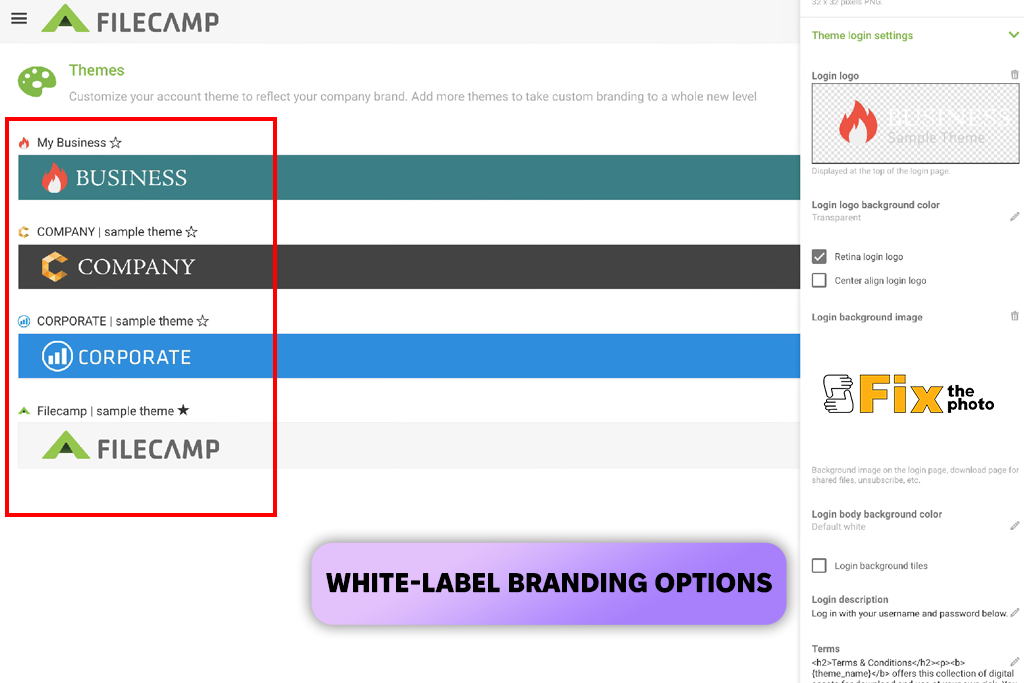
Filecamp is a cloud document management software that makes it easy to keep files accessible, well-organized, and under control without a complicated setup. It's a lightweight system where everything lives online, offering quick file previews and straightforward sharing options - all of which help keep your documents neatly stored in one place.
When it comes to managing documents, FileCamp really shines in two areas: controlling who has access to what, and managing feedback loops. Features like detailed permission settings, file commenting, approval workflows, and cloud storage make it much easier to track versions and decide who can view or edit files. That said, compared to more advanced document management systems, it still falls short when it comes to deeper automation.
“For sharing files with clients and keeping documents organized, Filecamp keeps things simple and easy to manage without adding unnecessary complexity.”

Price: 14-day free trial or from $49/mo.
Compatibility: Web
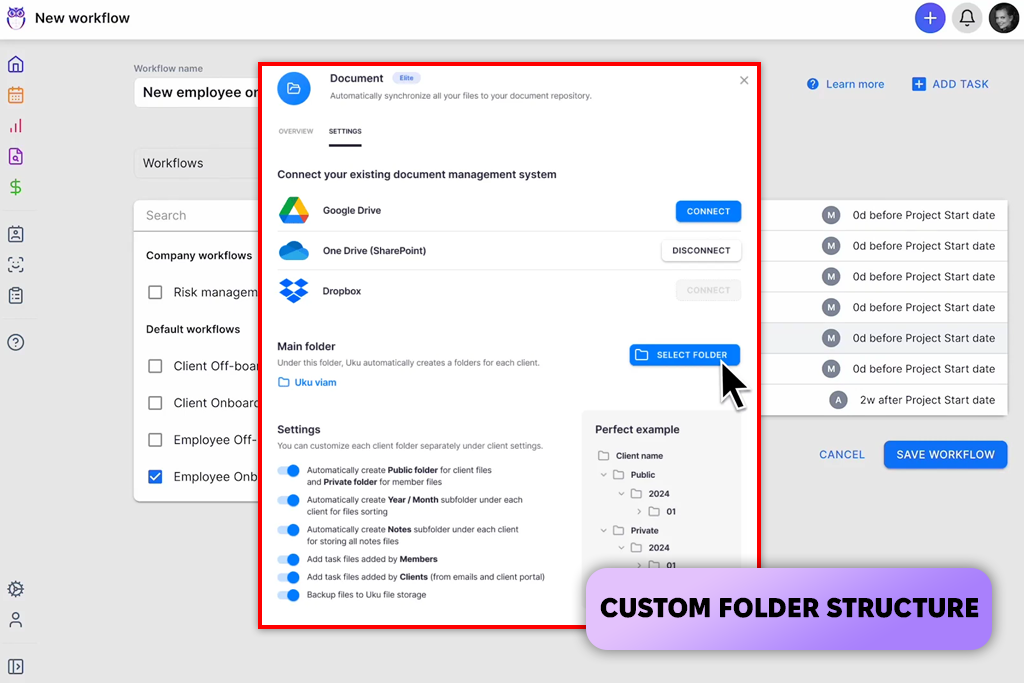
Uku stood out to me because it keeps documents closely connected to the work they belong to. Instead of storing files separately, it links them directly to clients, tasks, and projects, making them much easier to find later. I also liked how the system automatically organizes files by client and date, which helps keep everything tidy and reduces the time spent managing folders manually.
Uku serves as a solid document management tool that bridges cloud storage platforms with daily workflows. It connects seamlessly to Google Drive, OneDrive, SharePoint, and Dropbox, all while offering a single central access point. You can open files directly without downloading them, rely on automated backups through Azure servers, and set up folders that auto-generate based on clients. That said, Uku isn't ideal for complex enterprise needs, as customization options are limited. Also, teams looking for greater flexibility might feel the system imposes too much structure.
Price: 14-day free trial or from $21/mo.
Compatibility: Windows, macOS
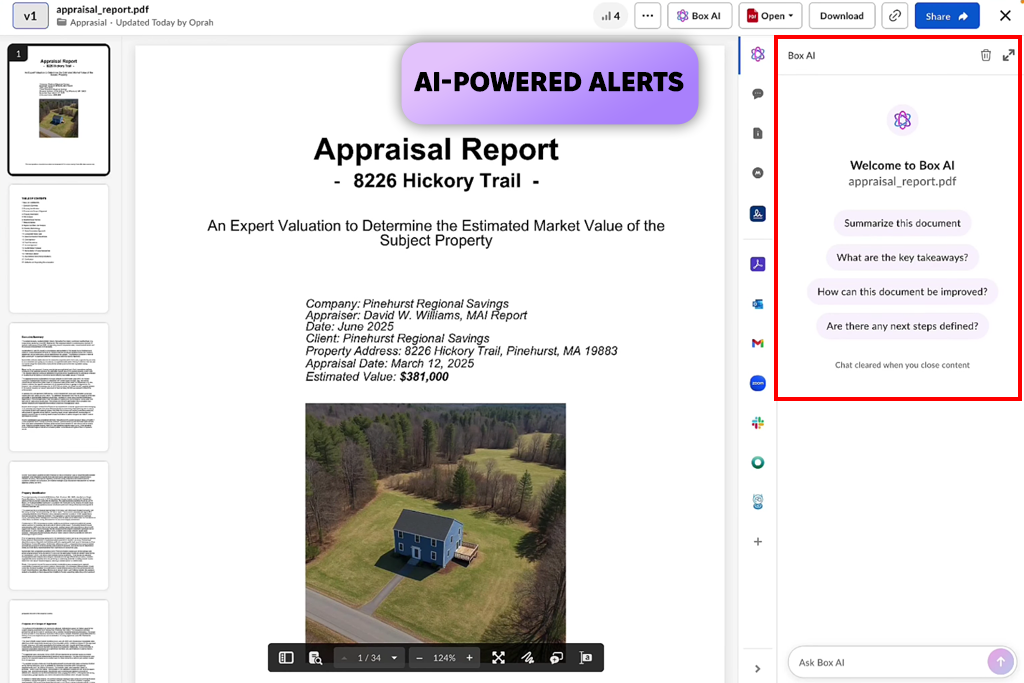
When I tried out Box, I realized pretty quickly that it's built more for big teams and companies than just storing files in the cloud. The smart, AI-powered organization tools stood out, especially when handling large batches of files that need order, rule-following, and lasting oversight. In actual use, it did a solid job with agreements, reports, and team records, while making everything easy to find and neatly labeled. Box also connects directly to over 1,500 other apps, like Microsoft 365 and Google Workspace.
The most helpful part of Box was how it uses AI to make handling lots of documents easier. Take this example: I uploaded a bunch of financial reports and later found them again just by searching metadata - no need to click through endless folders. It also offers safe lifecycle management, which comes in handy for things like keeping HR records or storing client contracts under rules like GDPR or HIPAA. On the flip side, compared to simpler document tools, Box's interface can feel bulky and too much to handle, especially for people who just want basic storage and sharing.
“Box is reliable for protecting files, though it can feel a little bulky for routine work.”

Price: Free (5 documents/month) or from $35/mo.
Compatibility: Web
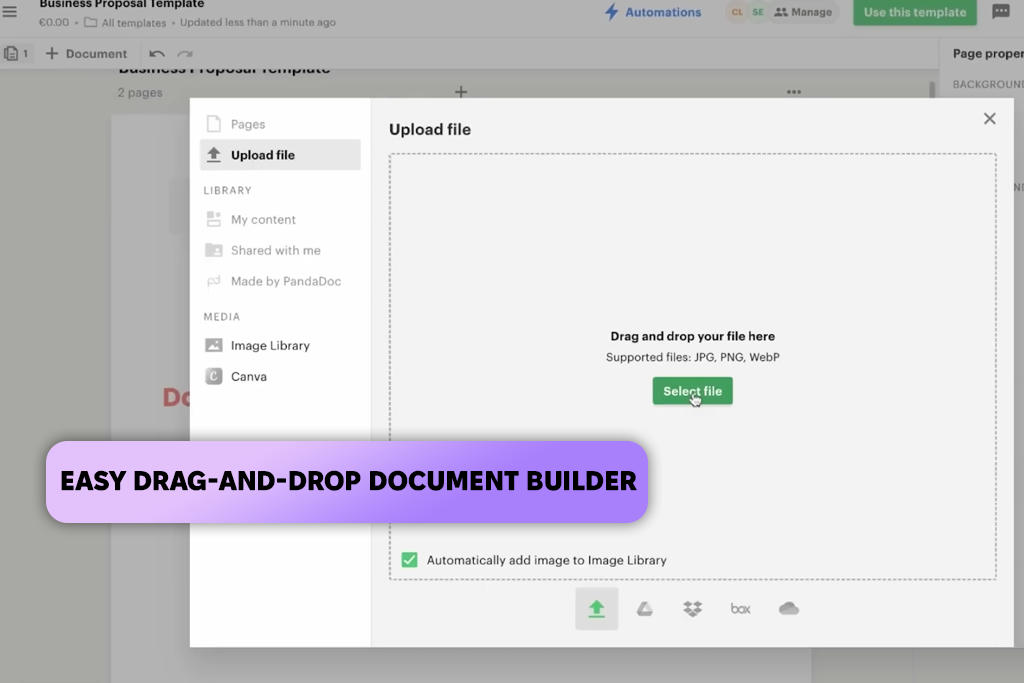
PandaDoc is built around handling contracts, proposals, approvals, and electronic signatures, not for storing huge numbers of files. When I tested it, what stood out was how easy it made creating branded documents using templates and seeing exactly when someone opened or signed a file. It's also a solid choice for freelancers and smaller teams looking for a free e-signature software.
Features like electronic signatures with audit trails, centralized searchable document storage, and real-time collaboration tools help keep documents organized and easy to manage. However, compared to document management platforms built for large enterprises, it is less suited for handling huge document libraries or highly detailed folder structures. I also noticed that larger files could sometimes take longer to load.
Price: Free trial or from $50/mo.
Compatibility: Web
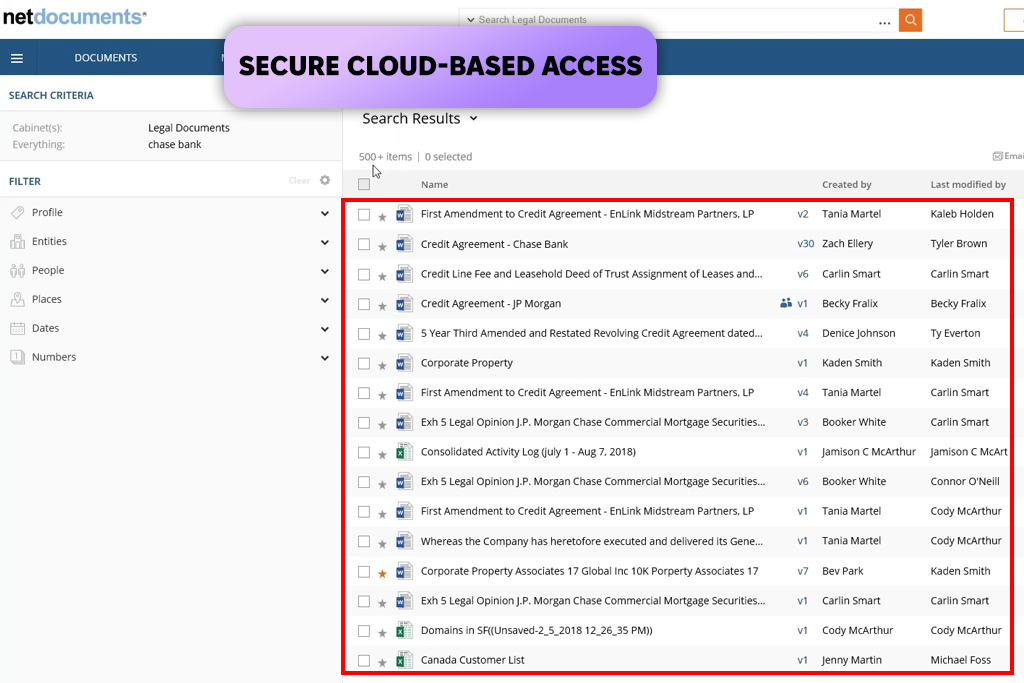
NetDocuments is built for handling sensitive business documents and client files with a strong focus on security. This online document management software clearly targets industries like legal, finance, healthcare, and government - sectors where compliance and restricted access are essential. I also found the matter-based workspace layout very helpful. It makes organizing large sets of client-related documents far more efficient.
NetDocuments comes with advanced security and compliance controls, full-text OCR search, and Microsoft 365 integration. During my tests, these tools proved very helpful for managing complicated document workflows. Because everything runs in the cloud, you can safely access and share files from anywhere using the client portal. That said, this platform isn't as easy to pick up as simpler document tools - it has a steeper learning curve and clearly targets larger organizations. Smaller teams might also find the pricing difficult to justify.
“NetDocuments handles complex business needs very well, though the platform isn't something you'll master right away.”
Companies often turn to document management systems for a few key reasons: cutting down on manual tasks, making teamwork easier, keeping track of file versions, and protecting private information. Take Adobe Acrobat Pro and DocuWare, for instance - they can handle things like approvals, reminders, and workflows automatically.
Look for cloud storage, version history, fast search tools, user permissions, workflow automation, collaboration features, and reliable backups. Many modern platforms also include AI-powered search and automatic file organization.
Yes, most modern cloud document management software includes encryption, access permissions, backups, and compliance tools. Solutions like NetDocuments and Box focus heavily on security standards like GDPR, HIPAA, and SOC 2 compliance.
For teamwork, platforms with live editing and commenting features are usually the best choice. Google Workspace is great for working on documents together in real time, while PandaDoc is especially useful for approvals, contracts, and electronic signatures.
Yes. Many platforms can automate routine tasks such as approvals, file routing, reminders, backups, and document organization. This helps save time, improve consistency, and reduce the risk of missing important files or working with outdated documents.
Many modern platforms include built-in e-signature tools. For example, PandaDoc focuses heavily on contracts and digital signing workflows, while Adobe Acrobat Pro also includes secure signature tools and approval tracking.
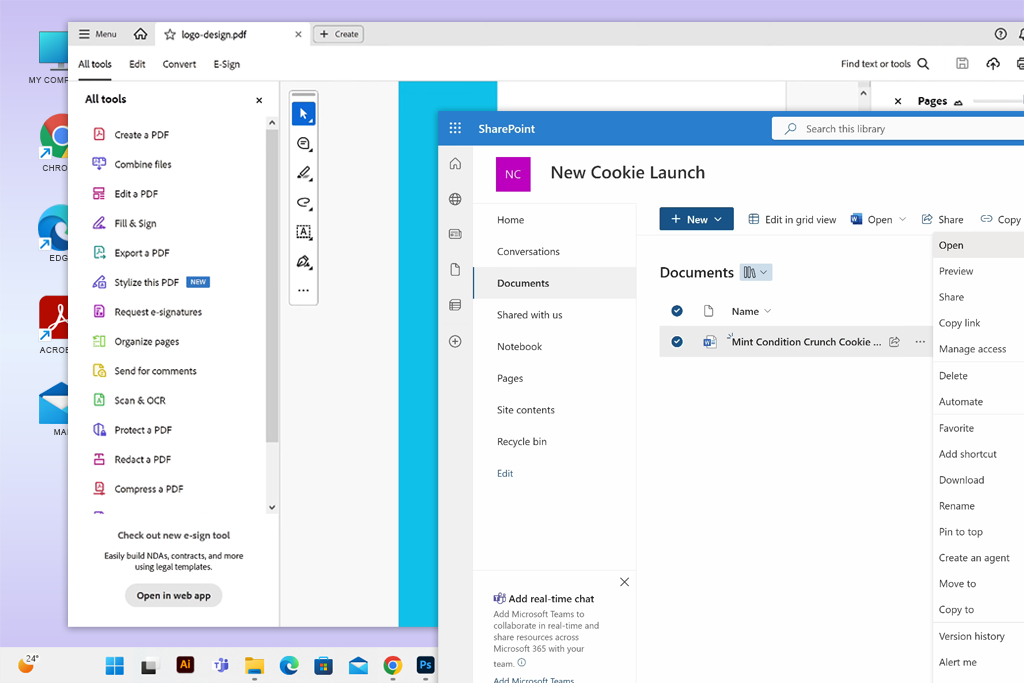
For this guide, I tested a wide range of document management systems. I had help from my colleagues from FixThePhoto, Kate, and Ann. Together, we looked at both big-name enterprise platforms and smaller tools built around daily workflows. The goal was to see how each one performs in real work situations - handling large numbers of files, managing approvals, working with contracts, and supporting team projects.
Many of the platforms we tested didn't make the final recommendations. Some were designed for very specific industries, others required too much setup, came with a higher price tag, or felt less practical for day-to-day document handling.
Beyond the software featured above, we explored solutions such as Pagination, DocHub, Neuxpower, Dropbox Business, HubSpot, Revver, Laserfiche, iManage, Egnyte, SmartVault, FileHold, Templafy, TruPeer, OnlyOffice Workspace, LogicalDOC, Axero, Avokaado, MasterControl, MacroView, Dokmee, and OnlyOffice. Although several stood out in certain areas, they didn't offer the same mix of ease of use, flexibility, performance, and overall experience as the tools that made our final list.
Here is our document management software testing process:
Once I finished testing all these platforms, one thing became clear: there's no single best document management system. It really comes down to what your team needs - how you work, how many people are involved, how you collaborate, and what kind of security you require. Some tools shine at handling big-company rules and automating tasks. Others keep things simple, focus on teamwork in the cloud, or make approvals easy. In the end, the biggest difference came from tools that streamlined everyday tasks instead of adding more steps.