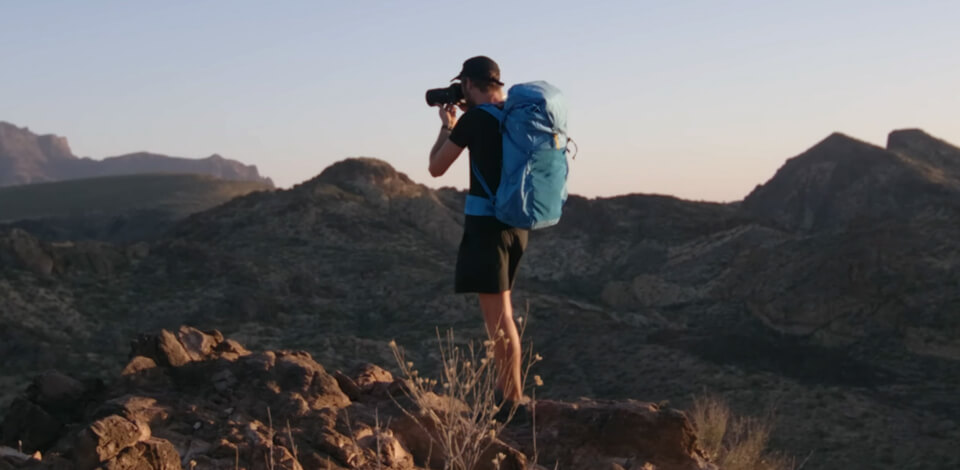
A good camera bag for hiking isn’t just for carrying your camera. It’s made to handle rough and long hikes and changing weather. Compared to regular camera bags, hiking camera bags are designed to be comfortable, strong, and easy to use, so your camera stays safe and is always within reach when you want to take a perfect picture.
As a travel photographer, I’ve tried many camera bags while hiking in different places. My team at FixThePhoto and I recently went on a photography trip to the Colorado mountains, where we tested 40+ hiking camera bags to see which one was the most suitable.
 ★★★★★ (5/5)
After trying several options, I discovered that the CADeN Camera Backpack is the best hiking camera bag available. It’s lightweight, strong, and well-designed, making it a great balance of comfort, quality, and cost.
When I was testing camera bags for hiking, I focused on important things like how the weight is spread out, if the bag can handle bad weather, how much stuff it can hold, and how comfortable it is to carry. That’s because when you’re far out in the mountains, having the right bag can make a big difference.
I messed up on my first hiking trip with my camera. I thought, why buy a special hiking bag when I already have a camera backpack? So, I used my regular one and started hiking. However, after just an hour, the straps hurt my shoulders, the bag moved around too much, and my camera didn’t feel secure.
When I got to my first photo spot, my back hurt, and all my stuff was mixed up inside the bag. Then, the worst happened: while climbing some rocks, my bag slipped off my shoulder. I tried to grab it but almost fell, and my camera hit the rocks hard.
The lens hood got smashed, but it could’ve been worse. That’s when I learned: regular camera bags aren’t good for hiking- they’re risky. Now, I only use hiking camera bags, and I’d never go back.
Amazon: 1K+ bought past month
Newegg: 13K+ bought past month
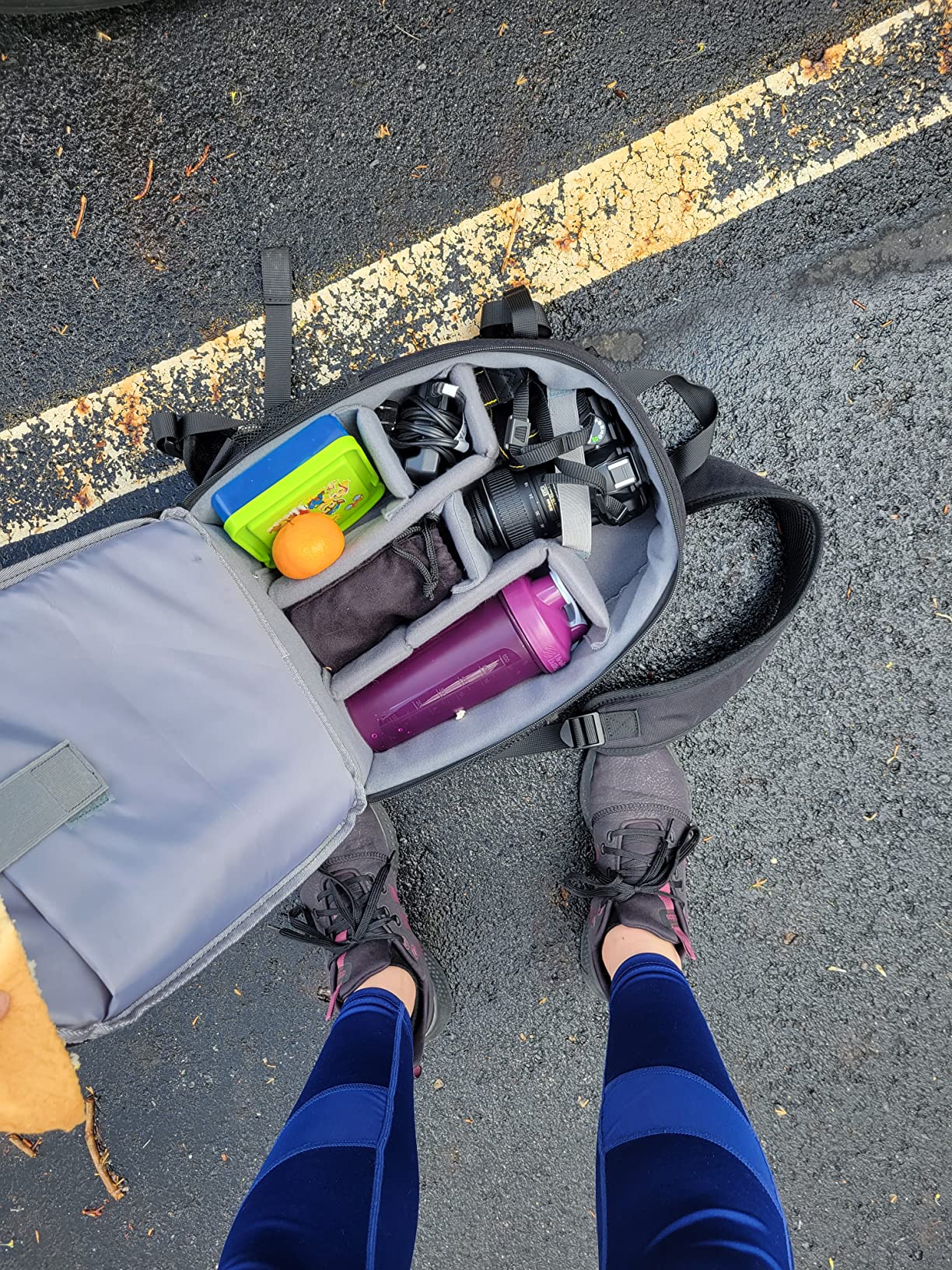
When our team picked the best hiking camera bags, we all agreed the CADeN Camera Backpack should be number one. It’s tough to find another bag that protects your gear and is so comfortable for such a low price. While hiking in the Colorado mountains, I wore it all day, and it felt comfy even on long routes.
The padded parts inside kept my camera and lenses safe, and it’s so light it didn’t feel heavy to carry. I could move the padded sections around to fit my camera, some extra lenses, and even a small drone. The two water bottle holders on the sides were handy for long hikes. Plus, the tripod strap was great for keeping my tripod steady when I wanted to take pictures of the view.
“Sure, there are fancier bags with more space, but this one’s comfortable, good quality, and doesn’t cost much.”

The only downside is that it doesn’t have many little pockets inside. I had to toss my SD cards and batteries in the big compartment, which wasn’t perfect. Still, for a simple camera backpack, it does the job well, proving that don’t need to spend a ton to get a reliable hiking camera bag.
Amazon: 2K+ bought past month
EBay: 25K+ bought past month

I’ve used the BAGSMART Camera Backpack for a while now, and it’s held up through lots of hikes and miles on the trails. It’s rare to find a hiking camera bag that looks good, works great, and doesn’t cost too much. The padded straps and thick back padding make it comfy to wear for hours, and the little sections inside keep my camera gear and other stuff organized.
The side pocket is awesome, ensuring easy access to my camera without digging through the whole bag. The top part stretches to hold extra things, and there’s a spot for my laptop so I can edit photos on the go. Even though it doesn’t have a waist strap, I didn’t mind it on shorter hikes as the weight still felt okay.
It’s not as tough as the really expensive brands, but for regular outdoor trips, it does the job well. If you want a nice-looking, useful hiking camera bag that’s not pricey, this one’s a good choice.
Amazon: 900+ bought past month
Walmart: 11K+ bought past month

I got the MOSISO Camera Sling Bag for casual trips at first, but I tried it out for shorter hikes too. Sometimes a big backpack is too much, especially when I need to get my gear quickly. This hike camera bag is small but still holds my camera, an extra lens, and some little things.
The way it goes across my body is great: I can swing it around and grab my camera easily, which is perfect on narrow footpaths. The zippered pockets are useful to keep my SD cards and batteries safe, and there’s room for my Z Fc camera with a zoom lens. The loops on the outside are nice for hooking on a tripod or water bottle.
However, although the padded parts inside are great for my DSLPs, they don’t fit my mirrorless camera that well, leaving some space. Also, I’d like rubber feet on the bottom, so it doesn’t get dirty on the ground. Still, for an inexpensive camera sling bag, it’s better than I expected.
My coworker Tati, who’s hiked tons of places across the US, told me this bag was good, and I trusted her. She was spot on- it’s great for carrying a small setup without extra size.
“It’s my second time buying this camera bag for hiking. It fits my Nikon D7500 with an 18-300mm lens, a spare battery, and memory cards just right, which is perfect for short hikes.”

The flipside opening is awesome. On a steep trail, I could swing it around and get my camera without taking it off, which saved me time on tricky trails. The rain cover kept my gear dry when it started drizzling, and the hidden tripod spot was a nice surprise.
It holds my camera and a couple of lenses fine, but if you’ve got more gear, I think it’d be too small. If you enjoy short hikes with fewer things, this little bag is tough and has cool features. But if you usually take multiple lenses with bulkier cameras, this camera bag for hiking might not be the perfect option.

I didn’t think anyone on our team would have such an expensive backpack, but our videographer, Tata, really looks after her expensive camera gear, especially when she’s filming in the mountains.
“Yep, this premium hiking camera bag is quite pricey, but my gear is costly too, and I don’t want it to get destroyed when I’m hiking.”

The first time I saw her use it, we were way out in the wild, and Tata pulled out her cameras super easily. She had two big DSLRs, a bunch of lenses, and even a flash- all neat and tidy in special spots she could change around. The bag has waterproof zippers and tough fabric, which kept everything safe, even when the weather got rough.
The compression-molded back and straps were way more comfortable than I assumed for such a big bag. It can also expand from 35L to a huge 42L, so it’s good for trips that last a few days. However, it’s so expensive that I didn’t rank it higher. I think this camera bag for hiking is only worth it if you’ve got the premium gear you want to keep safe on tough trails.
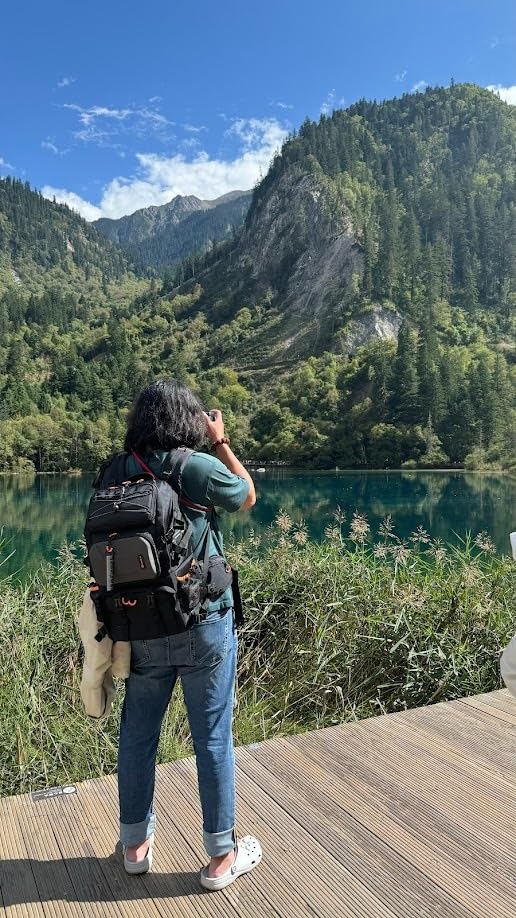
The TARION Pro was made specifically for hiking, so it makes sense that adventure photographers love it. At first, I wasn’t sure about it because the hiking camera bag looked small, and I didn’t think it could hold all my camera gear. But when I started packing, I was surprised. My camera with an 18-300mm lens, extra lenses, and even my flash all fit inside nicely.
This backpack with a camera holster is also comfortable and strong. The back support is amazing, and even after hours of hiking, my shoulders didn’t feel sore. Plus, it comes with a rain cover, so it’s completely waterproof, which is perfect for when the weather suddenly changes in the mountains.
Before, I used to carry my camera in a regular hiking bag, wrapped in a hoodie for protection. But now, with the TARION Pro, I finally have a backpack that’s great for both hiking and carrying my camera safely. The only downside is that it doesn’t have wheels or a strap to attach to luggage, which makes airport travel a bit more challenging.
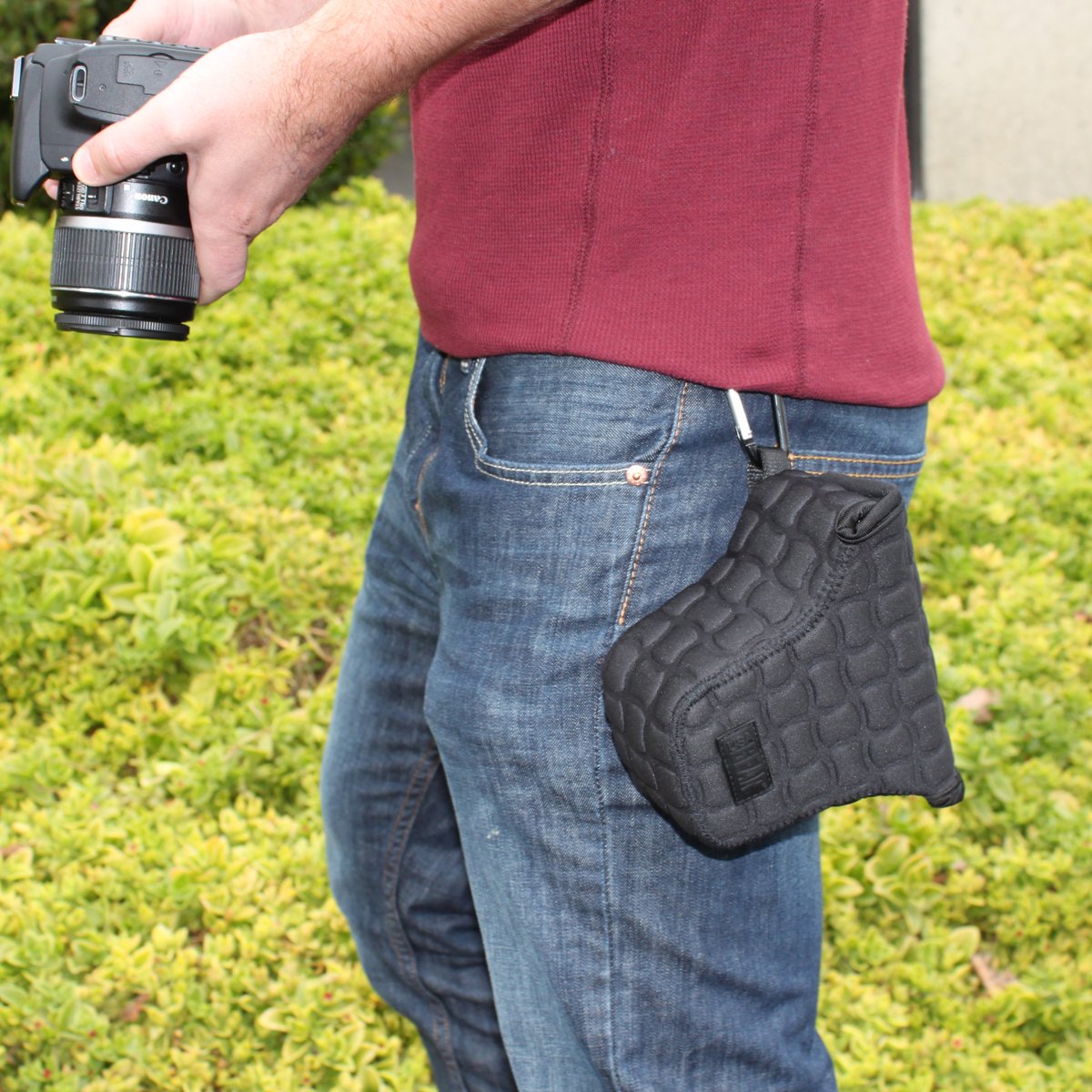
Our editor-in-chief always takes her USA GEAR FlexARMOR on trips. It’s not a regular camera bag- it’s a simple, lightweight case that keeps the camera safe. Whether she’s flying to another country or going on a short hike, she can just toss her camera into her backpack without worrying about scratches or small bumps.
I tested this case with different cameras and liked how it stretched to fit most mirrorless and DSLR cameras with a lens attached. It’s a great choice for people who want to travel light and don’t need a big hiking camera bag.
However, this case isn’t the best for long hikes. It’s perfect for short walks or city trips, but if you’re going deep into the mountains and need extra lenses, batteries, and accessories, it won’t work well. There’s no space for spare batteries, and even though the carabiner clip is useful, there are no shoulder or belt straps, so you’ll have to carry it using your camera’s strap.
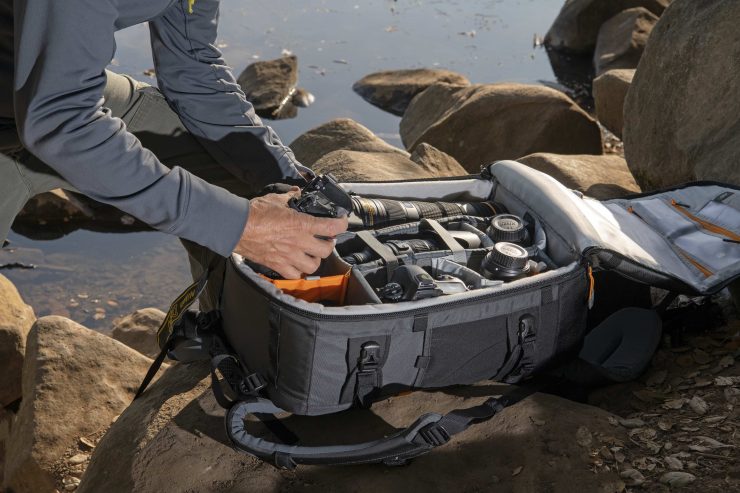
We first got the Lowepro RLX 450 AW II for flying since it fits as a carry-on bag and has wheels, making it great for long trips. But we were wondering: could it handle a hiking adventure? So, we took it to the mountains to test it out.
This bag can hold a lot. I packed a camera with a 70-200mm lens, a few extra lenses, a tripod, a laptop, and accessories, and everything stayed neat thanks to the MaxFit dividers. When it suddenly started raining, the built-in rain cover saved my gear.
But once I started hiking, I realized this camera roller bag was meant for travel, not long hikes. Even with padded straps and a waist belt, it was just too big and heavy for a long hike. So, if you need a camera bag for flights and short hikes, this is a good choice. Just don’t expect to carry it up a mountain without getting tired.
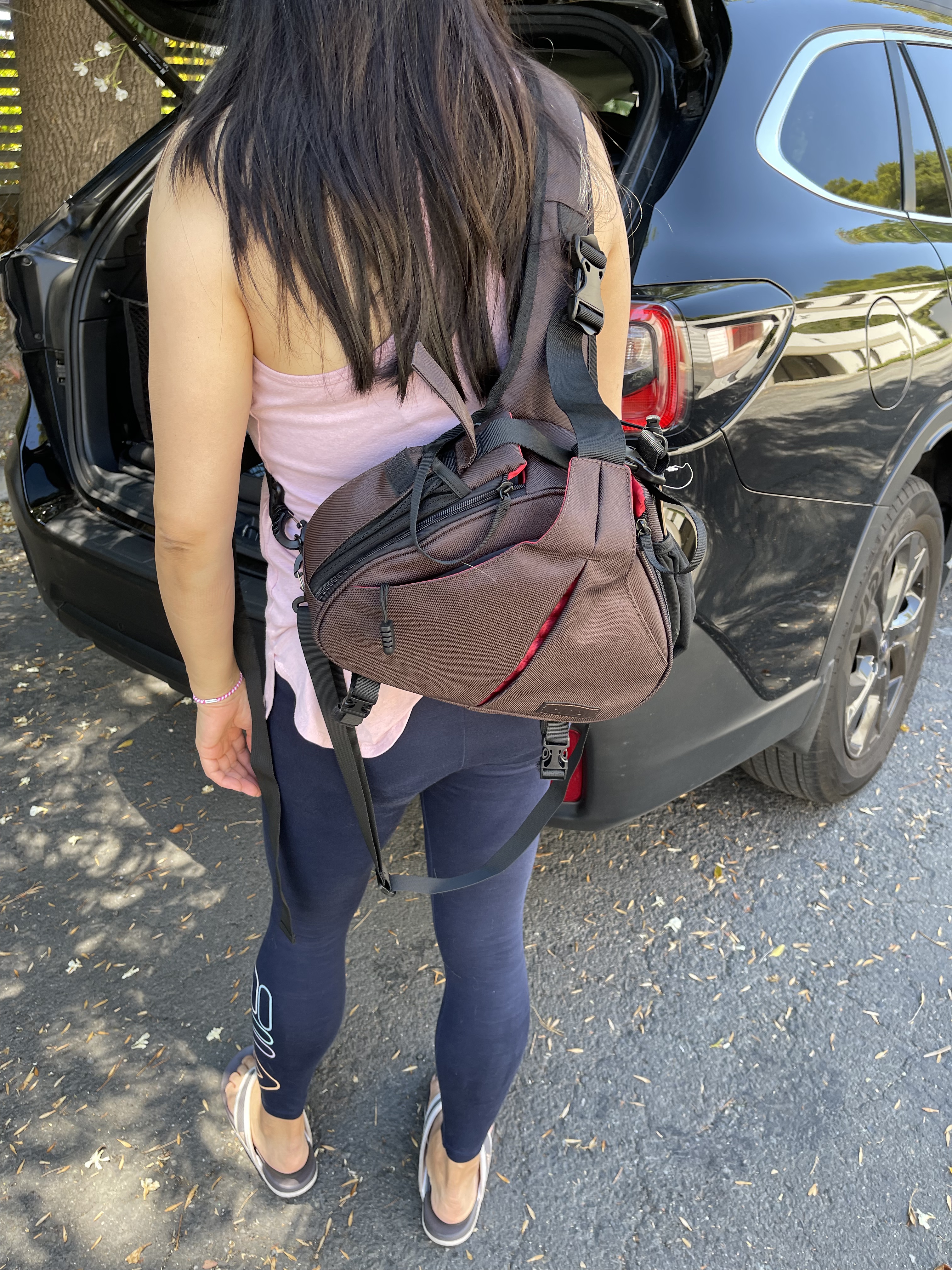
I didn’t think I’d love this bag so much, but after using it for a week, it’s now one of my favorites for quick hikes. It’s small, light, and easy to carry, making it perfect when I don’t need to bring all my camera gear.
This sling bag has just enough space for my camera with a lens attached, a second lens, a spare battery, and a charger. The rain cover is really useful, keeping my camera safe when the weather suddenly changes. However, be careful with the zippers! If the bag is too full, it can slide open. Once, my extra lens almost fell out while I was on the move, so now I always secure the zippers before heading out.
Even with that small issue, the CADeN Sling is one of the easiest hiking camera bags to use. I can quickly swing it to the front to grab my camera, and it even fits under my baby’s stroller when I’m out with my family. If you want a fast and simple camera bag for adventures, this one is a great choice.
To find the best camera bag for hiking, we tested them in real-life situations, not in a studio. My colleagues at FixThePhoto team and I packed each bag with a full hiking photography setup, including a DSLR camera, multiple lenses, a tripod, extra batteries, a water bottle, and snacks. Then, we went on hikes in the mountains, where faced bad weather to see how the bags handled tough conditions.
During testing, I focused on a few important things: comfort, space, strength, and how well they protect against bad weather. A good hiking camera bag should be comfortable to carry, have padded straps, and have enough room for all your gear without being too big. I also checked if the bag kept the camera safe from bumps, rain, and dust because accidents can happen outdoors.
After testing for weeks, we could tell which hiking camera bag was the best. Some had smart designs and were comfortable to wear, but others didn’t do well because they were too heavy or difficult to get to your camera gear quickly.