Converting video to text became a major slowdown in our workflow at FixThePhoto. As we created more explainer videos, client reels, interviews, and tutorials, our need grew beyond just subtitles, so I realized we needed a good video to text converter. We required clean, organized text that could be used for blog articles, scripts, SEO content, and team documentation.
I thought it would be straightforward. However, most free video to text converters I tried fell short. AI tools would produce choppy text, leave out important words, skip punctuation, and miss the meaning entirely. Some gave fast but messy results, while others were accurate but too slow or costly for our actual deadlines.
This gap is why I started testing video-to-text tools more carefully. I looked at different kinds: AI platforms, free online converters, and professional transcription software. My focus was on what truly works for creative and business projects, not just what seems impressive in a demo.
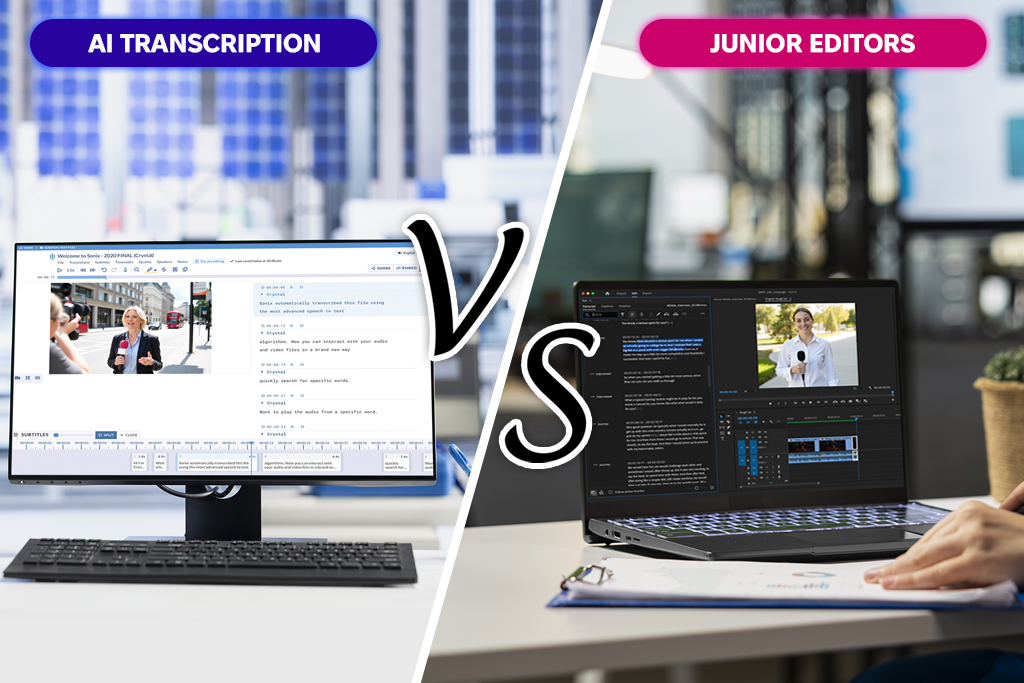
During testing 30+ video to text converters #how-we-test-video-to-text-converters (How We Tested Video to Text Converters), one trend became very clear: AI video to text сonverters are now commonly used for basic editorial tasks. They’re not just being tested anymore - they’ve become a standard part of the workflow.
Jobs that once took hours of careful, manual transcription can now be finished in just minutes. Today’s AI tools accurately manage timing, identify different speakers, add proper punctuation, and spot important terms, making them practical for everyday professional use.
This change stands out even more when AI tools are compared with older desktop programs, such as the best free video converters for Windows, which used to be the main option for manually handling and getting video files ready. What this changes in practice:
For content teams, this change helps them work faster and get more done. For people new to the field who start in assistant or transcription jobs, it’s a red flag: AI isn’t taking over creative work - it’s taking over repetitive tasks.
The test results are clear: using AI to turn video into text isn’t just an extra tool anymore. It has already become a standard, built-in part of how modern content is made, even if some teams don’t fully admit it yet.
|
Converter
|
Accuracy
|
Speed
|
Ease of use
|
AI features
|
Free
|
|
5/5
|
Fast
|
Pro
|
AI, captions
|
✔️
|
|
|
4.5/5
|
Fast
|
Easy
|
AI notes
|
✔️
|
|
|
5/5
|
Fast
|
Medium
|
Multi-lang AI
|
❌
|
|
|
4/5
|
Fast
|
Medium
|
Text-based editing
|
✔️
|
|
|
4/5
|
Instant
|
Easy
|
OCR
|
❌
|
|
|
3.5/5
|
Fast
|
Easy
|
Visual AI
|
✔️
|
|
|
4/5
|
Fast
|
Easy
|
Online AI
|
✔️
|
Price: Included in Adobe Premiere Pro
Availability: Windows, macOS
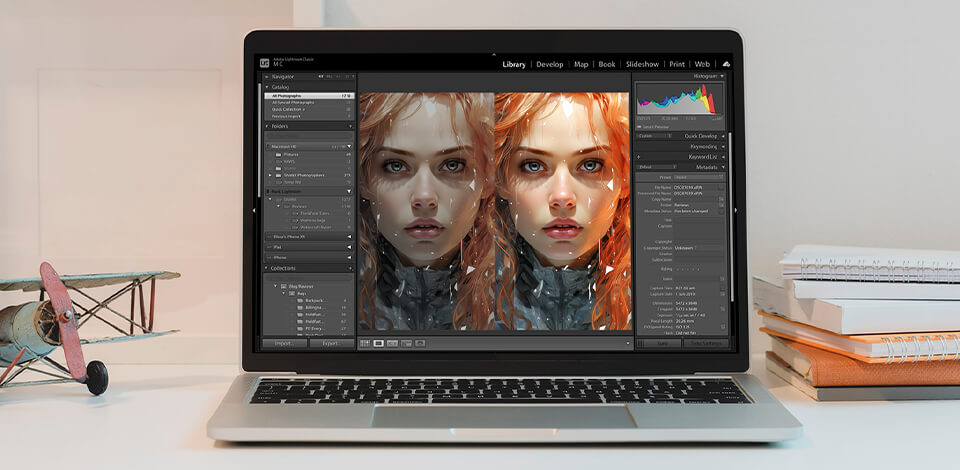
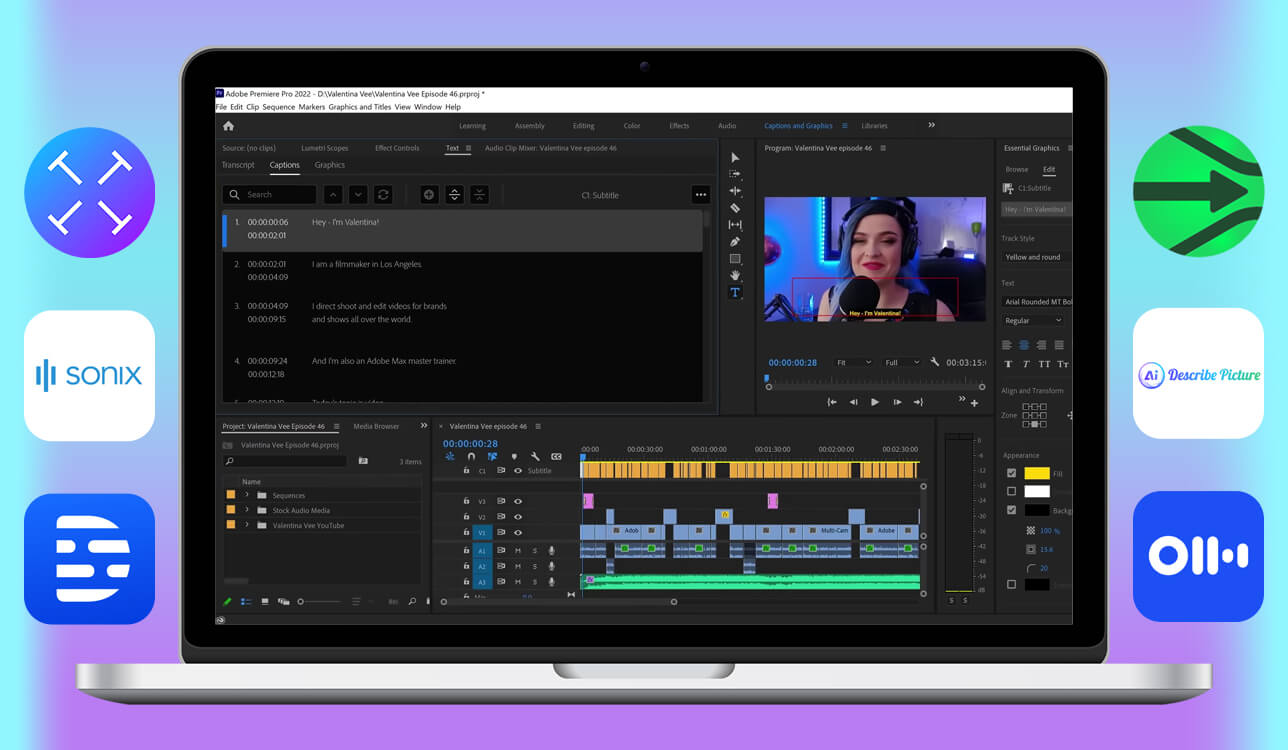
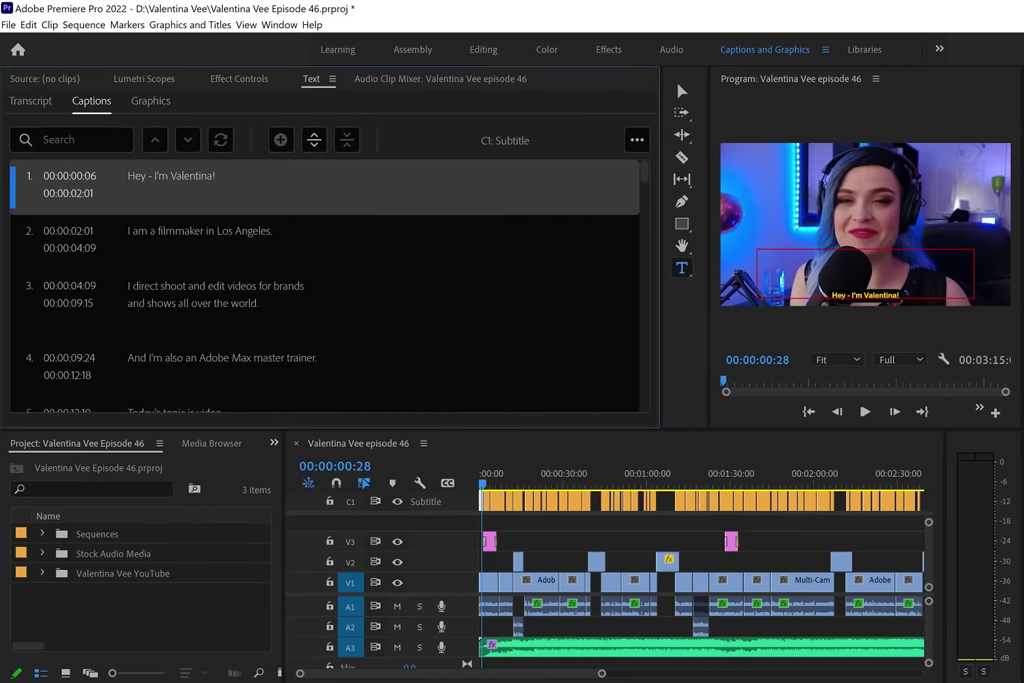
Adobe Premiere Pro is the tool I use when video editing and transcription need to happen in the same workflow. Rather than exporting audio or sending files to third-party tools, I create text directly in the timeline, which saves a significant amount of production time.
During testing, I used video to text converter with various videos - tutorials, interviews, and client explainers. It managed long recordings without issue, automatically added timecodes, and delivered clear, well-organized transcripts that were straightforward to adapt into subtitles, scripts, or SEO content.
This solution covers everything needed for serious video editing. Instead of acting like a basic conversion tool, it brings editing and transcription together in one workspace, with text creation built naturally into the final production steps.
“When I need accurate editing and dependable transcription at the same time, Adobe Premiere Pro allows me to do it all in one workspace without interrupting my workflow”

Price: Free & paid plans
Availability: Web, iOS, Android
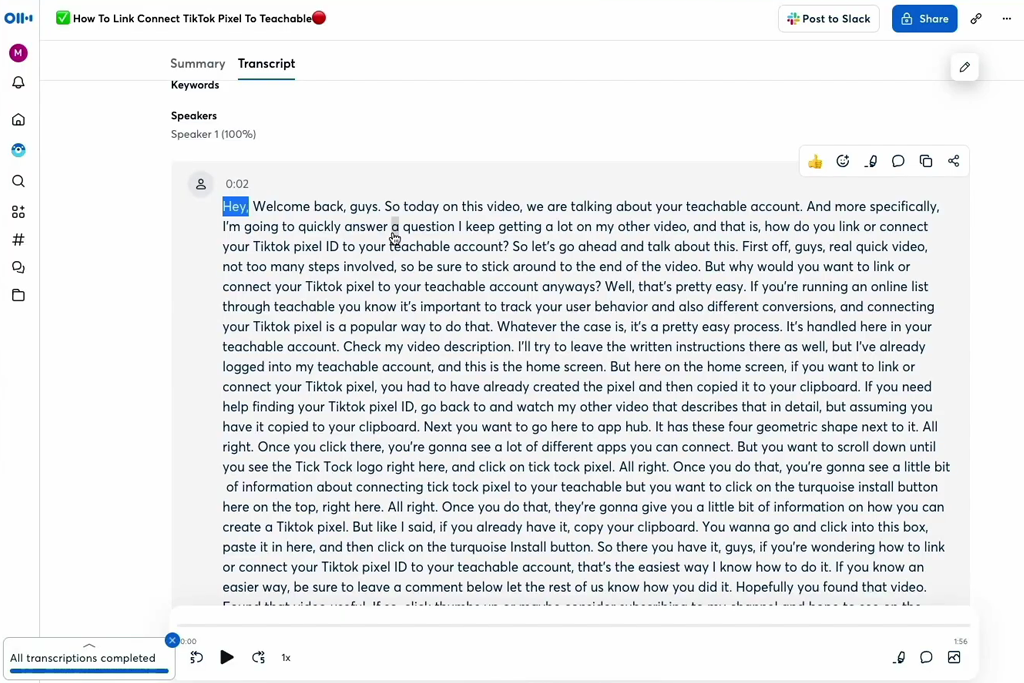
I mainly tested Otter AI with interviews, recorded meetings, and internal conversations where speed is more important than detailed formatting. The setup is quick, and transcription begins almost right after uploading a file or recording audio. It feels similar to using file converter software for fast, simple tasks with no extra steps.
In real use, the tool creates clear text with speaker names and solid punctuation. For short videos, notes, or rough scripts, the output is easy to use and needs very little editing. It performs best when the audio is clean, and speakers are easy to hear.
Price: Paid
Availability: Web
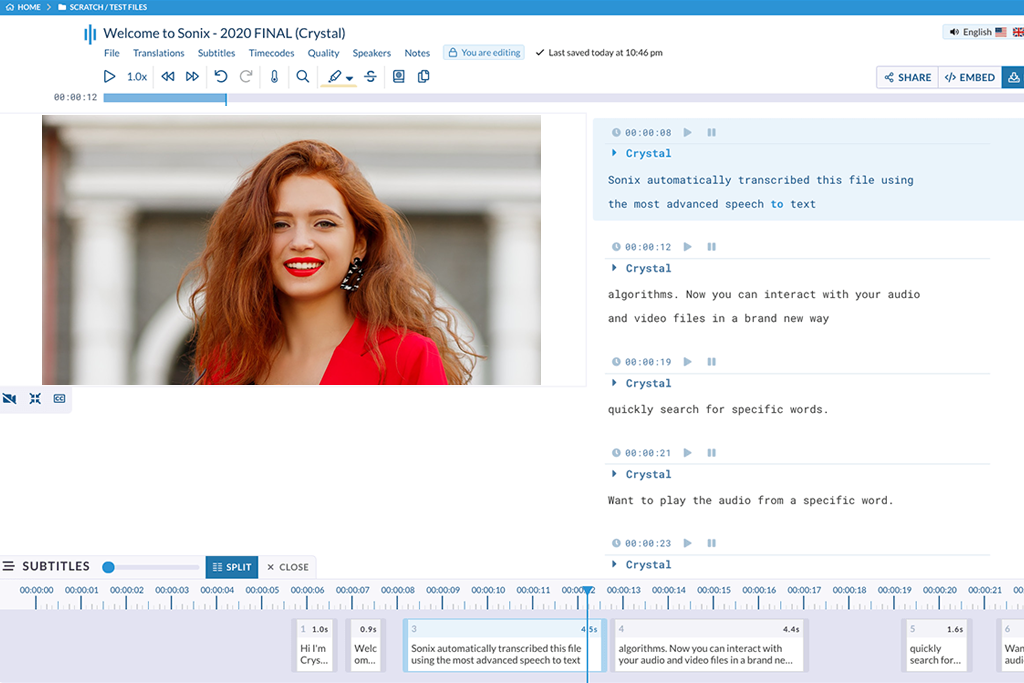
For projects like long interviews and explainer videos, where accuracy is essential, I relied on Sonix. Its transcripts stand out from most AI tools, with smoother sentence flow and a better sense of pauses and natural phrasing.
The text was nearly ready to use, requiring minimal edits before being added to articles, subtitles, or documentation. Timecodes and export options also make it easy to integrate into professional workflows and collaborative projects.
That said, the pricing may feel high if you only need transcription now and then. Sonix makes the most sense for teams or creators who use transcription often and want reliable, high-quality results.
Price: Free and paid plans
Availability: Web, Windows, macOS
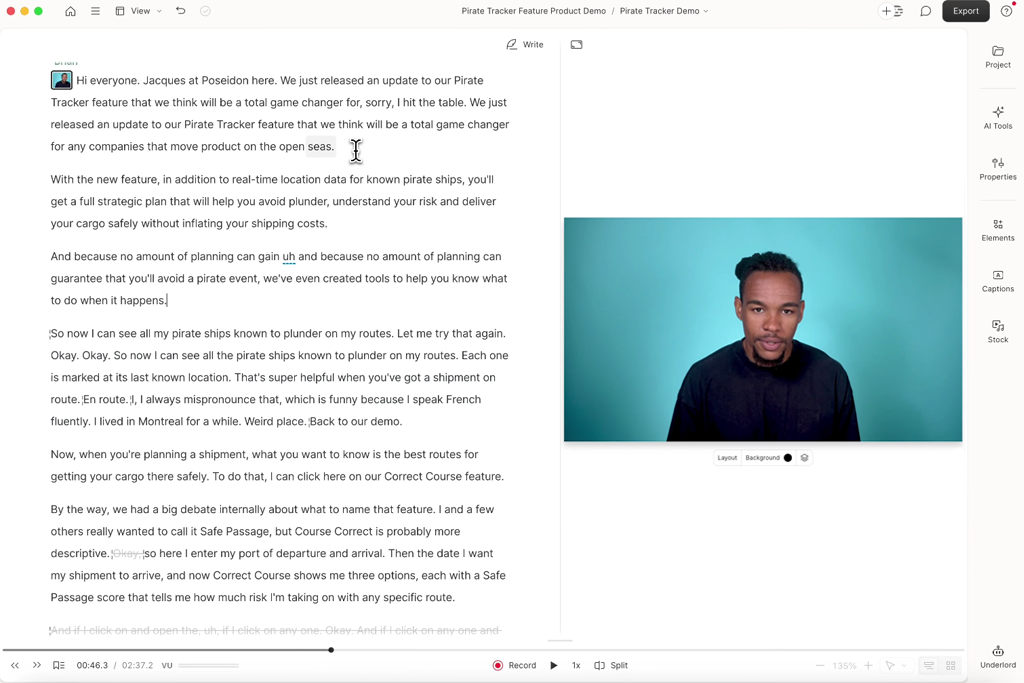
I tested Descript to see how well it turns videos like tutorials and explainers into text. It’s different from a note-taking app - it’s made for transcription. You upload a video, and it quickly produces organized text with timestamps. It works as a full, all-in-one tool on your computer, much like the best free video converters for Mac.
What makes it different is the text-based editing workflow. You change the video by editing the text transcript. This works great for podcasts, interviews, and how-to videos. The transcription itself was strong, with proper sentences and each speaker clearly separated.
Descript is better suited for turning video into text than general-purpose apps. It’s not the simplest video to words converter, but for creators who need both transcription and basic video editing in one place, it’s a useful and versatile choice.
“Descript is most effective when you use the transcript while you edit the video, not just as a final step to get text.”

Price: Paid
Availability: macOS
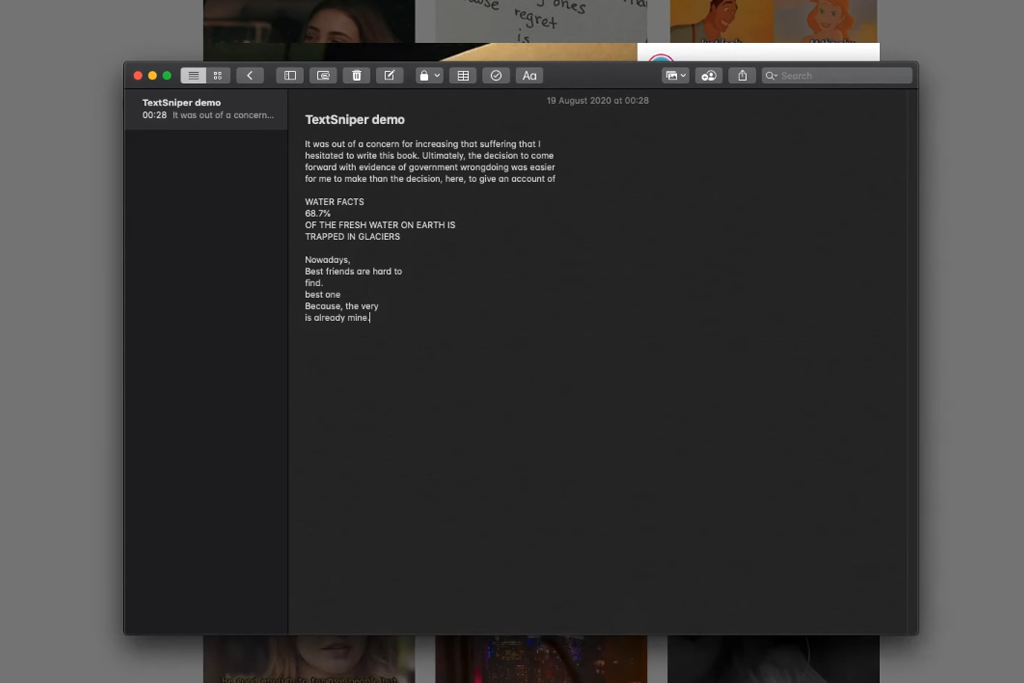
I tried TextSniper as a backup option for extracting text from paused video screens, slides, and subtitles that are embedded in videos. For basic OCR use, it works great, as text capture is quick and stays accurate, even when the font is difficult to read.
TextSniper is most useful when you need to capture text straight from your screen without uploading anything or using online tools. Because it works offline, it’s handy for quick captures, references, and single-use text grabs while reviewing video.
TextSniper is a handy tool that can pull text from any image on your screen. It works well alongside video-to-text apps when you need to quickly and accurately grab text that’s displayed in a video.
Price: Free
Availability: Web
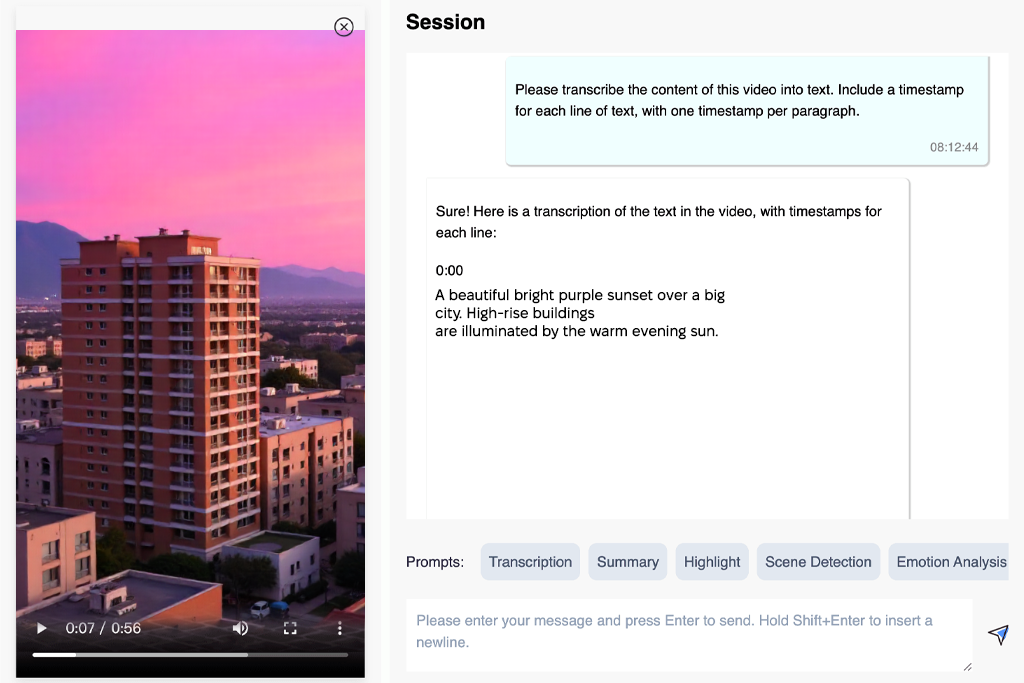
I tried DescribePicture for creating text from video content. Unlike tools that transcribe speech, this one looks at what’s visible on screen and writes short, AI-made descriptions of the scene.
The result is effective as a brief summary or caption that points out important visual details. This makes DescribePicture helpful for fast scene descriptions, accessibility purposes, or creative summaries when what you see matters more than what is said.
DescribePicture works best for creating text from visuals, not for standard video transcription. It’s useful when you need descriptions of what appears in video frames without using audio or speech analysis.
Price: Free
Availability: Web
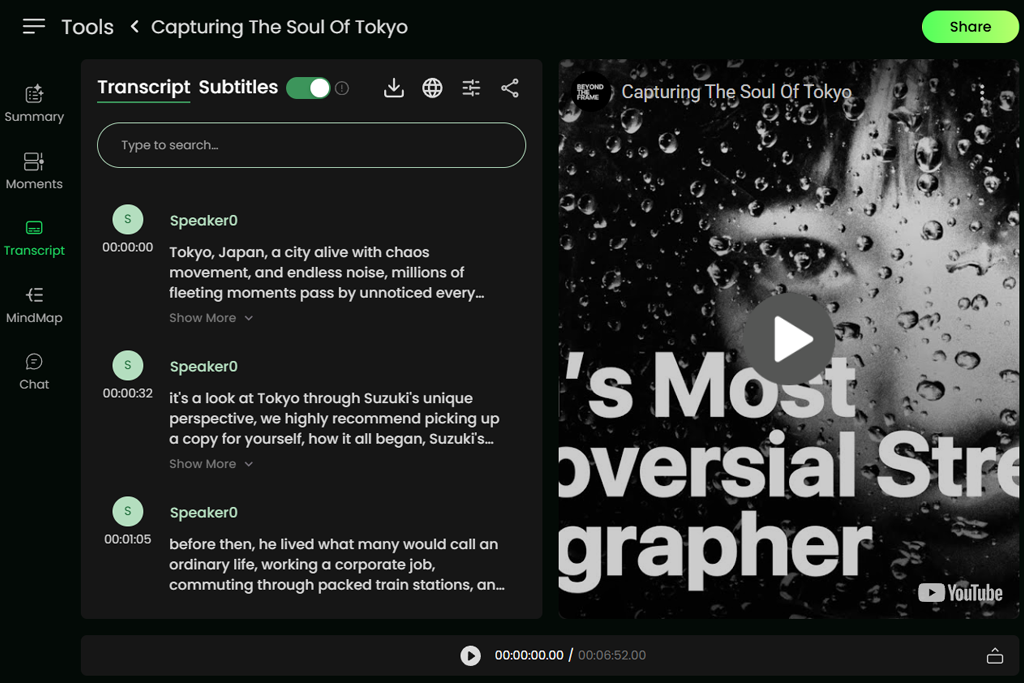
I used WayinVideo as a browser-based video to transcript option when speed was more important than advanced features. Video uploads are quick, and the clean, simple interface makes it easy to start transcribing with no setup required.
WayinVideo performs best with short videos and clear speech, producing readable text fairly quickly. It’s a handy choice for rough drafts, previews, or simple text pulls when you want something fast and easy to use right in the browser.
Overall, WayinVideo is a handy choice for simple, fast video-to-text work. It’s most helpful when you need a quick result without downloading a program or dealing with complicated setup.
“WayinVideo is fine for quick, short jobs, but the results aren’t reliable enough for professional use. Stick to brief clips and always review the text before using it.”

The FixThePhoto team and I tested video to text converters under real working conditions. We used the same kinds of videos we get from clients and produce ourselves. We wanted to see how each tool actually performs in professional use.
The goal was to test each option in reality, not in perfect demos, and find out whether the transcripts can be reused without a lot of manual fixing.
We judged each tool on how accurately it captured normal conversation, timing, and the overall flow across various video styles. A key focus was whether the generated text could be easily repurposed for subtitles, blog posts, scripts, or internal notes without extensive editing.
Only the video to text converters that delivered reliable, ready-to-use transcripts and fit smoothly into actual creative work made our final list. We ranked apps lower if they often misunderstood speech, needed too much manual fixing, or didn’t work well in typical situations - no matter how advanced their AI or features claimed to be.
A video to text converter is a tool that listens to the audio in a video and turns the spoken words into written text. It’s often used to create transcripts, subtitles, scripts, notes, and SEO-friendly content.
Yes, modern AI video to text tools can be very accurate when the audio is clear. Clean sound, low background noise, and fewer speakers usually lead to better results, with only small edits needed afterward.
Yes, many tools offer free video-to-text transcription with some limits. Free plans usually cap video length, reduce export options, or lower accuracy, so they work best for short clips rather than long or complex projects.
Yes, many video-to-text tools run directly in your browser and don’t require installation. They’re great for quick jobs, but desktop apps are usually more stable and better suited for long videos or professional work.
No, converting video to text doesn’t affect the video file. The tool only listens to the audio and creates a separate text transcript without changing the original video.
Subtitles are text shown on the video and synced to timing, while transcription is a full written record of everything said. Transcripts are usually longer and are often used for scripts, articles, or documentation.
Online video-to-text tools are generally safe if they’re reputable, but for sensitive content, offline or professional software is the safer choice.