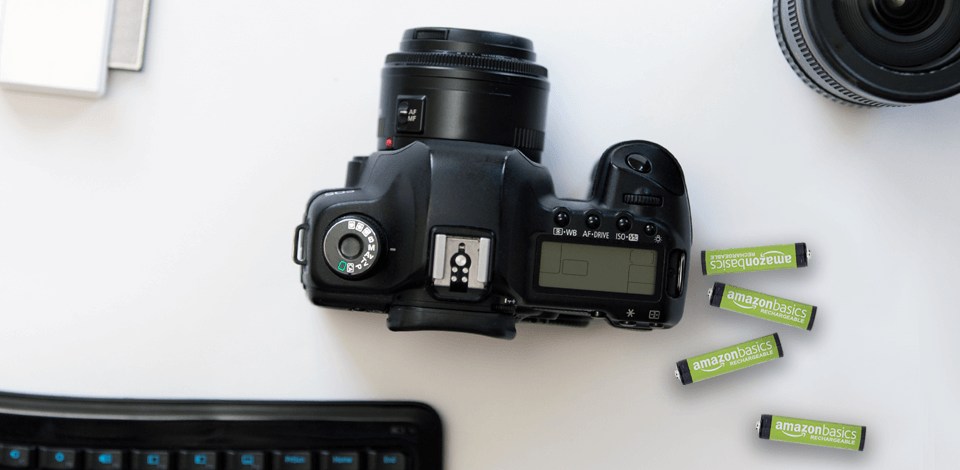
As a photographer, I always aim to be ready for anything during a shoot, so I’ve got rechargeable AA batteries in my bag at all times. One time, during an important photo session with a client, my external flash died in the middle of the process. That’s when I realized disposable batteries just weren’t reliable enough for my needs.
After that, I switched to rechargeable AA batteries. Not only do they save money over time, but they also keep my gear ready to go. Now, knowing I can rely on these batteries in any situation gives me peace of mind and confidence during every shoot.
After testing 50+ rechargeable AA batteries, I can confidently say that they have several clear advantages over disposable ones. They offer a longer lifespan, help cut down on long-term battery expenses, and are more environmentally friendly. Let’s explore the key differences between these two types of batteries:
Lifespan. Rechargeable batteries can handle hundreds, sometimes even thousands, of charge and discharge cycles, significantly extending their lifespan. In contrast, disposable batteries need to be replaced after a single use. This is especially important for devices with hidden cameras, where a reliable power source is often needed for extended periods.
Efficiency. Rechargeable batteries are typically more efficient since they can be recharged repeatedly. This eliminates the constant expense of buying new disposable batteries and reduces the risk of devices failing due to dead batteries.
Environmental impact. Rechargeable batteries cut down on waste by being reusable. In contrast, disposable batteries, which contain a lot of materials and chemicals, harm the environment more, particularly if they’re not recycled correctly.
| Rechargeable AA | Disposable AA | |
|---|---|---|
|
Lifespan
|
500-1000 charge/discharge cycle
|
Single-use
|
|
Capacity
|
Typically 1500 mAh to 2500 mAh
|
1000-1500 мАh
|
|
Cost per cycle
|
Lower as they can be recharged
|
Higher due to constant replacement
|
|
Environmental impact
|
Reduced impact if recycled properly
|
High impact due to waste volume
|
|
Convenience
|
Requires a battery charger
|
No additional devices needed
|
|
Risk of overheating
|
Low, with proper use
|
Higher with prolonged use
|
|
Cost-effectiveness
|
More cost-effective in the long run
|
More expensive due to frequent replacement
|
Amazon: 1K+ bought in the past month
BONAI: 16K+ sold in the past year
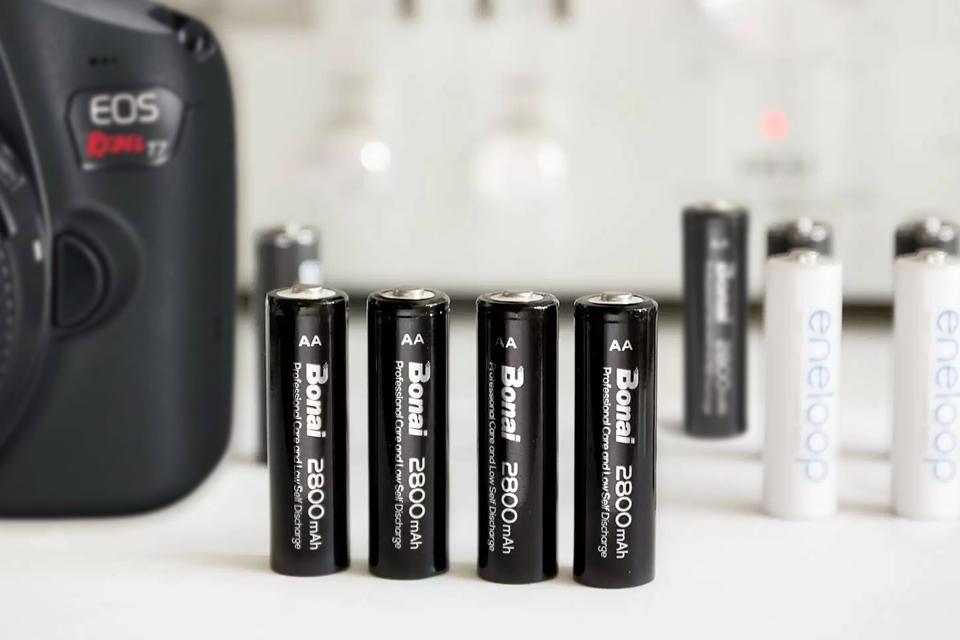
After testing the BONAI 2800mAh rechargeable AA batteries, I can say they’re a solid choice for saving money and reducing waste. These Ni-MH batteries work well in power-consuming devices like cameras, game controllers, and flashlights.
An impressive lifespan is one of the greatest benefits for me as a photographer. BONAI states these batteries can be recharged up to 1200 times, and after many cycles, I haven’t noticed any performance issues. They also keep their charge well, even after weeks of storage. On top of that, they come pre-charged, so you can start using them right away without any hassle.
Another feature I want to highlight is their low self-discharge technology, which lets the batteries keep up to 80% of their charge even after three years in storage. This makes them a great option for emergency backup power. In my tests, they worked well in various temperatures and handled power-hungry devices like camera flashes and gaming consoles without any issues.
“These batteries last significantly longer than regular AAs, and I appreciate not having to constantly buy disposable ones. I highly recommend them to anyone looking for reliable rechargeable power units.”

Charging takes a bit longer than lower-capacity batteries, but you get much longer use per charge. If you need dependable rechargeable battery devices with high power consumption, the BONAI 2800mAh is a great choice.
Amazon: 200+ bought in the past month
EBL: 2.7K+ sold in the past year
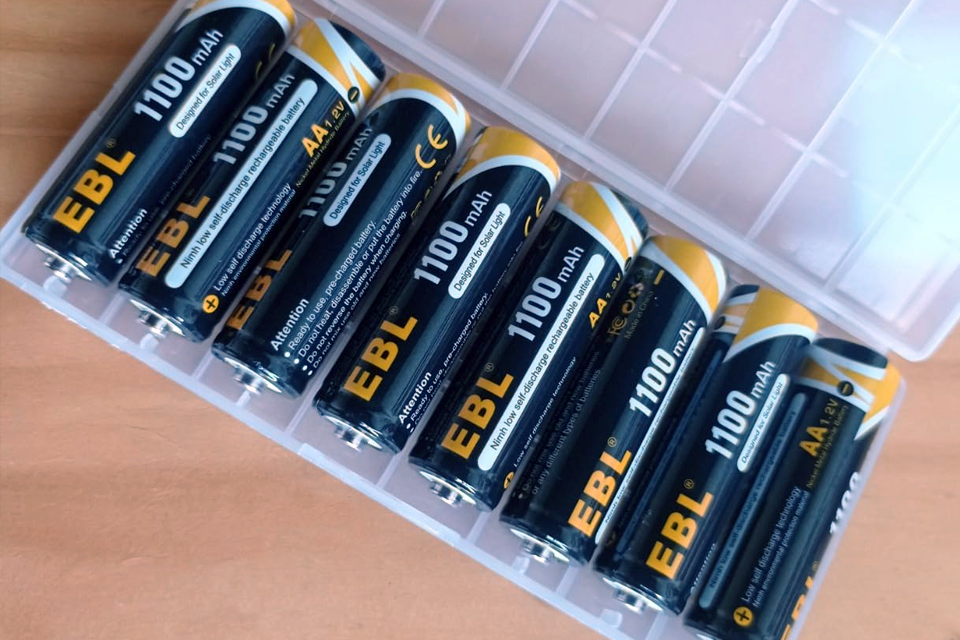
After testing the EBL 1100mAh, I can say that this is a great choice for anyone looking for an affordable and eco-friendly solution for everyday devices. As a photographer, I often use various small electronic gadgets like remote flash triggers, camera remote controls, etc., and these batteries are perfect for such needs.
What impressed me most about these rechargeable AA batteries is their reliability. They work consistently in low- to medium-drain devices, and since they can be recharged up to 1000 times, I’ve saved a lot of money by not having to buy disposable batteries as often. What’s also great is that these batteries maintain their charge even after weeks of storage.
“These batteries have been a great addition to my everyday devices. They hold their charge for a long time and significantly cut down the cost of buying disposable units”

Although charging takes a bit longer than lower-capacity batteries, you can use it for many hours without a recharge. For photographers seeking a dependable power source for low- to medium-drain devices, the EBL 1100mAh is a great option.
Amazon: 100+ bought in the past month
Artman: 1.4K+ sold in the past year
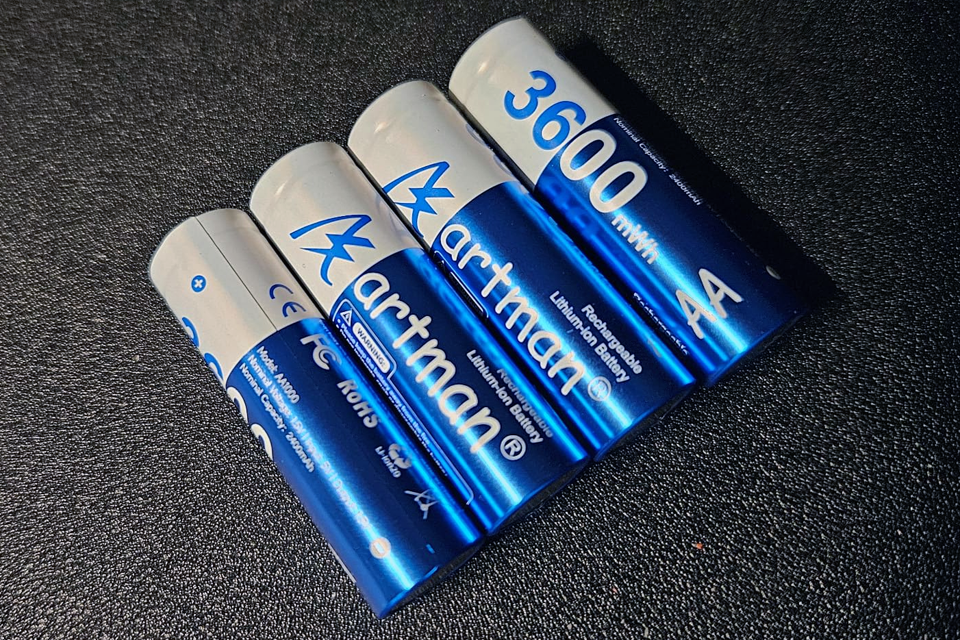
After trying out the Artman 3600mAh, I can confidently say these units are a powerhouse for photographers with high-energy devices. I’ve used them in cameras, flashes, and portable lights, and they’ve delivered outstanding performance, offering reliable power for extended periods without the need for constant replacements.
What appeals to me most of all is the impressive capacity of these AA rechargeable batteries for a camera. Each charge lasts almost twice as long as regular batteries, and I’ve noticed it’s enough for a full photoshoot or even longer, which is super handy for on-the-go work. Flashes and cameras stay powered for hours without needing frequent battery swaps.
As one of the best batteries for blink cameras, they can be recharged up to 1200 times. This is a huge cost-saver since I no longer spend money on disposable batteries, reducing expenses in the long run. After several charging cycles, I haven’t noticed any significant drop in performance, and the batteries continue to work just as reliably as they did at the very beginning.
“For my high-power devices, these batteries have become indispensable. They offer steady, long-lasting power, which is vital for professional photography.”

The only thing to keep in mind is that they take longer to charge compared to lower-capacity batteries. If you need a battery ready to go quickly, this might not be the most convenient option. Additionally, these batteries are slightly larger than standard ones, so they may not fit in some compact devices.
Amazon: 10K+ bought in the past month
eBay: 110K+ sold in the past year
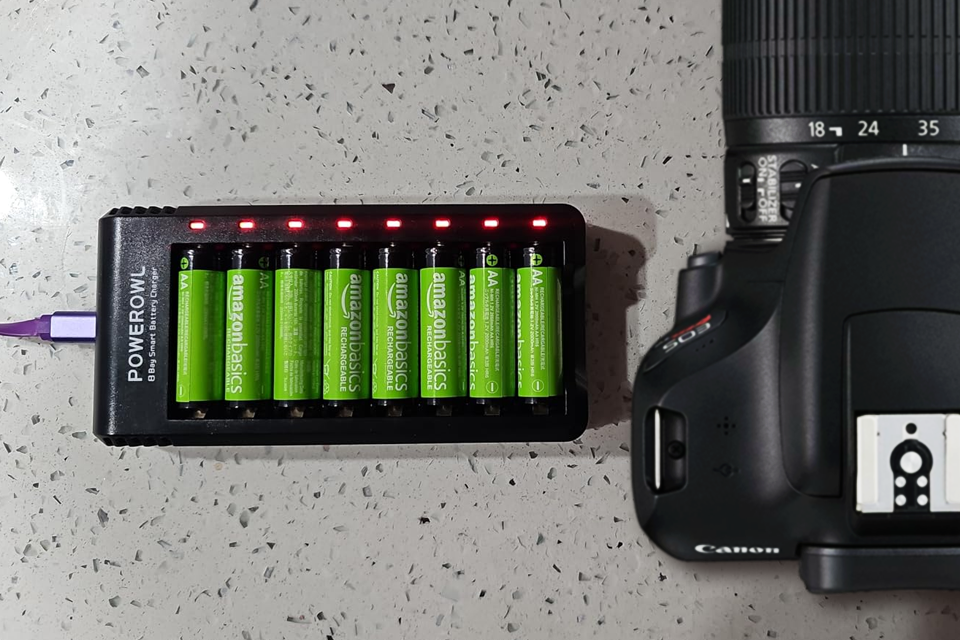
As a photographer, I rely on rechargeable AA batteries not only for my camera but also for accessories such as lighting remotes and portable flashlights. For these types of devices, the Amazon Basics 2000mAh batteries are an excellent option. They deliver reliable performance and keep their charge effective in low-drain gadgets, making them ideal for uninterrupted work.
What I liked most about these power units is their simplicity and reliability. After several charging cycles, their performance hasn’t dropped, and I can still rely on them for long shoots or low-power devices. They charge fast and are ready to go without any trouble.
“For low-power devices, the Amazon Basics 2000mAh is a solid choice, but if you’re dealing with long shoots or high-energy accessories, batteries with a higher capacity are the way to go.”

These batteries, however, aren’t ideal for high-energy photo or video gear, such as external flashes or portable studio lights. Devices like these require more power, and these batteries just don’t offer the needed runtime.
Amazon: 6K+ bought in the past month
Best Buy: 80K+ sold in the past year
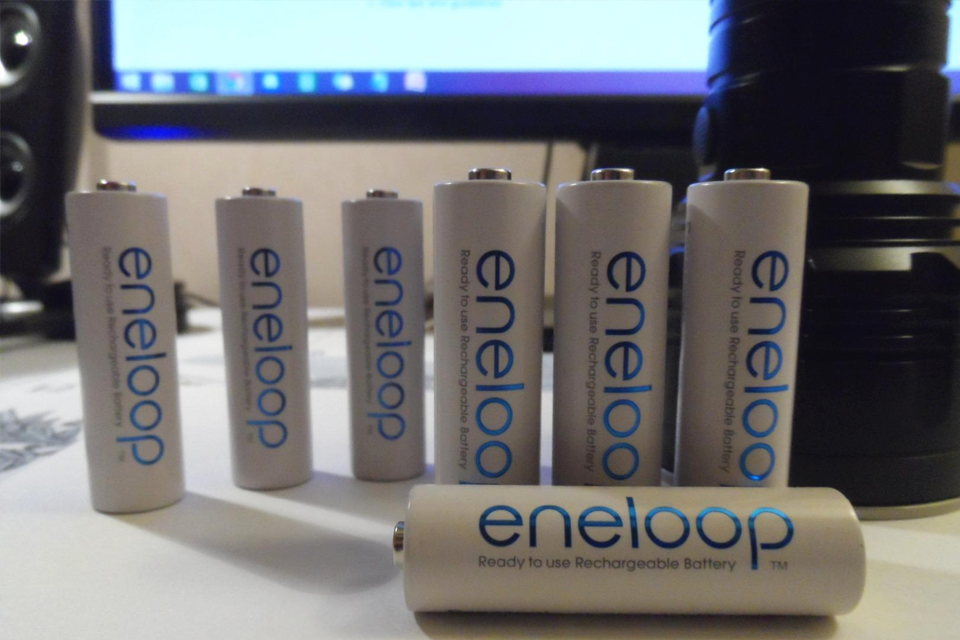
These AA rechargeable batteries satisfy almost all my daily needs like photography. Besides, they are compatible with the most popular universal camera battery chargers. I’ve used them in remotes, wireless mice, flashlights, and even as backup batteries for portable chargers. They have stable performance and don’t drain too quickly.
What’s really impressive is how they keep their charge, even after being stored for a long time. If I don’t use them daily, they are still usable, and after weeks, they work well without losing much power.
For medium- and low-power devices, their capacity is more than enough. They’re a great match for gadgets that don’t need a lot of energy.
“These rechargeable batteries are a dependable option for everyday use, but for demanding shoots or high-energy devices, I recommend choosing batteries with a larger capacity.”

However, for my cameras or flashes, which demand more power for long sessions, these batteries don’t last a full day. I usually rely on them as backups, but for primary use with high-energy devices, it’s better to go with batteries that have a higher capacity.
Amazon: 1K+ bought in the past month
eBay: 13K+ sold in the past year
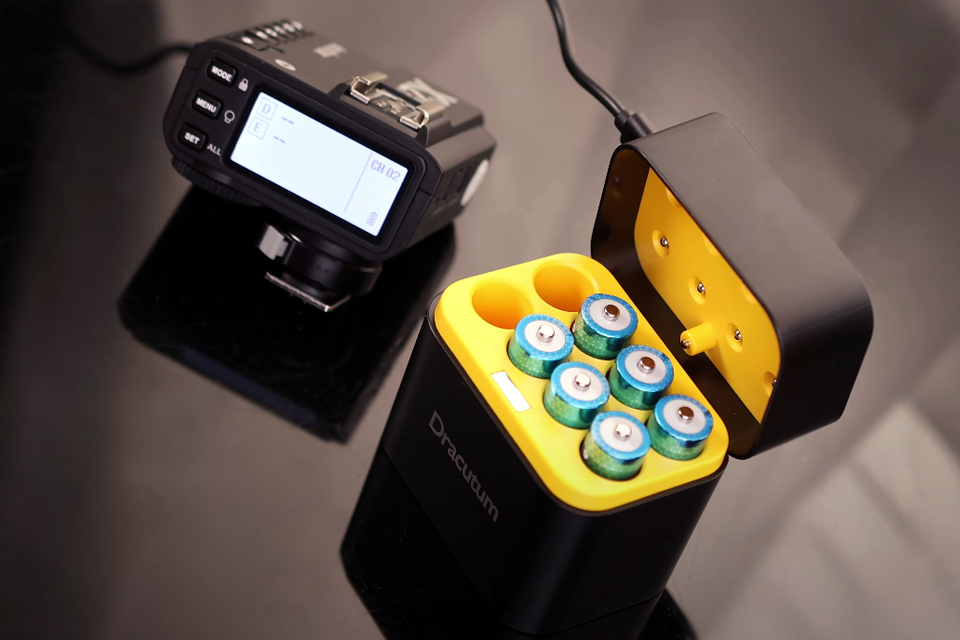
During long shoots with frequent flash use, these AA rechargeable batteries worked perfectly. They kept my DSLR camera running smoothly without any issues, and I didn’t see a big drop in charge even after hours of use.
Their quick charging is another great feature. With a few of these batteries, I could take pics during busy photo sessions without any interruption. They also last longer than regular batteries, so I didn’t have to stop often to recharge.
“For high-power devices and demanding conditions, the Dracutum 3600mAh is a solid option, offering steady performance.”

These batteries might feel a bit heavy for lightweight devices because of their high capacity. If your devices don’t need so much power, they might be too much, and you had better opt for units with a smaller capacity. But for high-energy gear like flashes and professional cameras, the Dracutum 3600mAh is a perfect fit.
Amazon: 2K+ bought in the past month
eBay: 25K+ sold in the past year
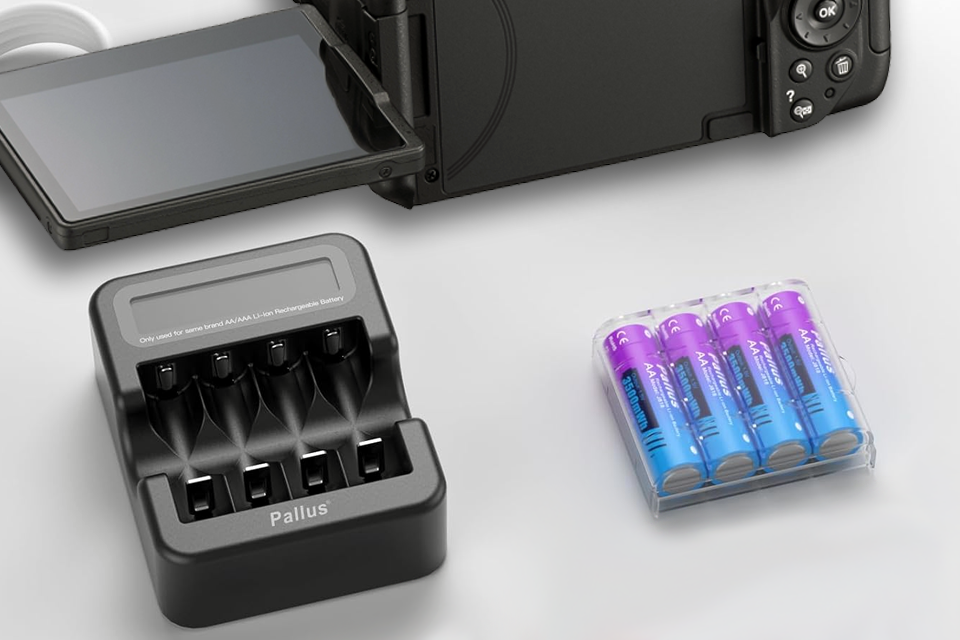
These 1.5 volt AA rechargeable batteries have been a great addition to my kit. Why? I’ve used them during long shoots that required heavy use of camera flashes and cameras, and they performed exceptionally well. The 3500mAh capacity ensures consistent performance over a longer period, so I don’t have to worry about frequent replacements.
What impressed me the most was their fast charging capability. I could quickly recharge them and get back to work, which is essential during demanding photo sessions. They also maintain their charge effectively, even after numerous cycles, without any noticeable drop in performance.
“These batteries are a fantastic choice for shoots that require intensive use of high-power devices. They’re dependable, charge quickly, and offer impressive capacity.”

The only downside is that these batteries are a bit heavier than regular ones. This might be noticeable when using lightweight equipment or during long shoots where every gram makes a difference. However, for power-hungry devices like flashes or professional cameras, the added weight isn’t a concern.
To test the reliability and efficiency of lithium rechargeable AA batteries, FixThePhoto team and I ran a series of real-world tests. My main goal was to find out if these batteries could hold up during intense shooting sessions without needing a recharge. This is especially important for long photoshoots or when working on the go.