I always feel amazed by how Chinese photography pulls viewers in. These artists often mix old and new, quiet emotion and strong messages, in a way that really sticks with you. Their work has pushed me to think deeper about my own images. As a photographer and retoucher at FixThePhoto, I can say that cultural richness and storytelling in Chinese photography inspire me time and again.
Photography arrived in China in the mid-1800s, introduced by Western missionaries and explorers. What began as a borrowed idea soon took on a life of its own. By the early 20th century, Chinese photographers were opening their own studios, and during the Cultural Revolution, the camera became a mouthpiece for political messages. These days, Chinese photography has a unique voice, blending traditional art with modern life.
Chinese photography is full of layers. Traditions sit side by side with modern life, stillness meets energy, and private moments touch on bigger ideas. Many artists skip the flashy stuff and focus on atmosphere instead. They choose soft colors, thoughtful framing, and visual hints to attract viewers with their photos.

Yang Yongliang brings the past and present into the same frame. Though rooted in classical Chinese art and calligraphy, he uses modern tools like Photoshop and drones to recreate the soft, poetic feel of Song Dynasty scrolls. Only now, instead of natural peaks and valleys, his landscapes are made from concrete, steel, and glass.
It amazes me how Yang blends the man-made with the timeless. His cityscapes look like traditional scrolls at first glance. But look twice, and you’ll spot the cranes, wires, and towers. That contrast keeps your eyes wandering. It’s not just pretty, but packed with meaning. His work feels like a deep reflection on today’s world, using the calm language of the past to express the chaos of the present. No wonder many consider him to be one of the best Chinese photographers Instagram.
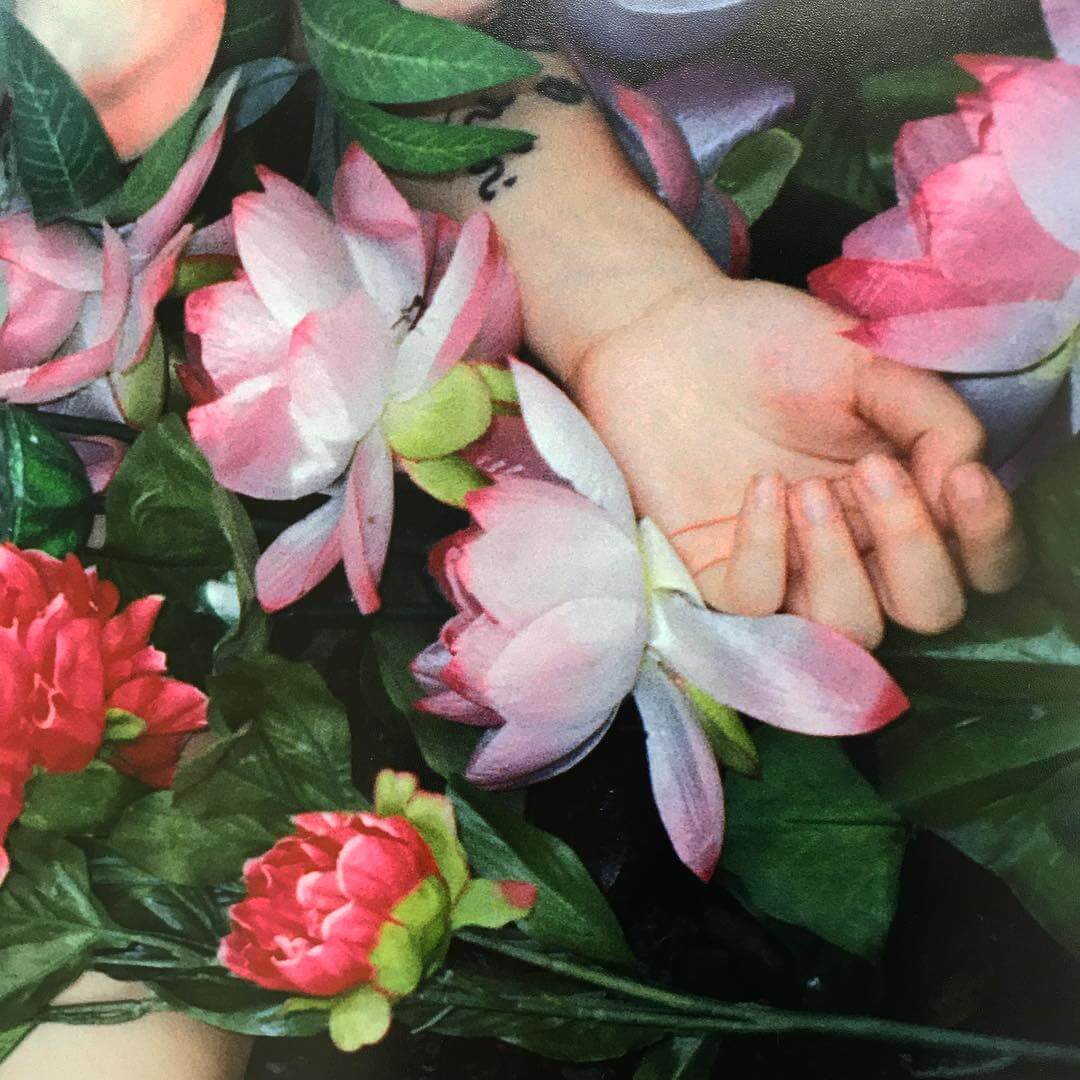
Luo Yang photographs people in rare, honest moments when they stop pretending and simply are. Her portraits often feel like whispered truths, quiet and raw. Sometimes she turns the lens on herself, other times on others, but always with the same goal - to show something genuine. Her work is less about how we look, and more about who we really are.
What grabs me most about her photography is the clear and raw emotions. She uses thoughtful framing, soft color tones, and quiet tension to create space where her subjects can just be. In her recent nude photography exhibition at Fotografiska Berlin, she exceeded all expectations. Her portraits remind us that being vulnerable isn’t about being exposed, but about taking control.
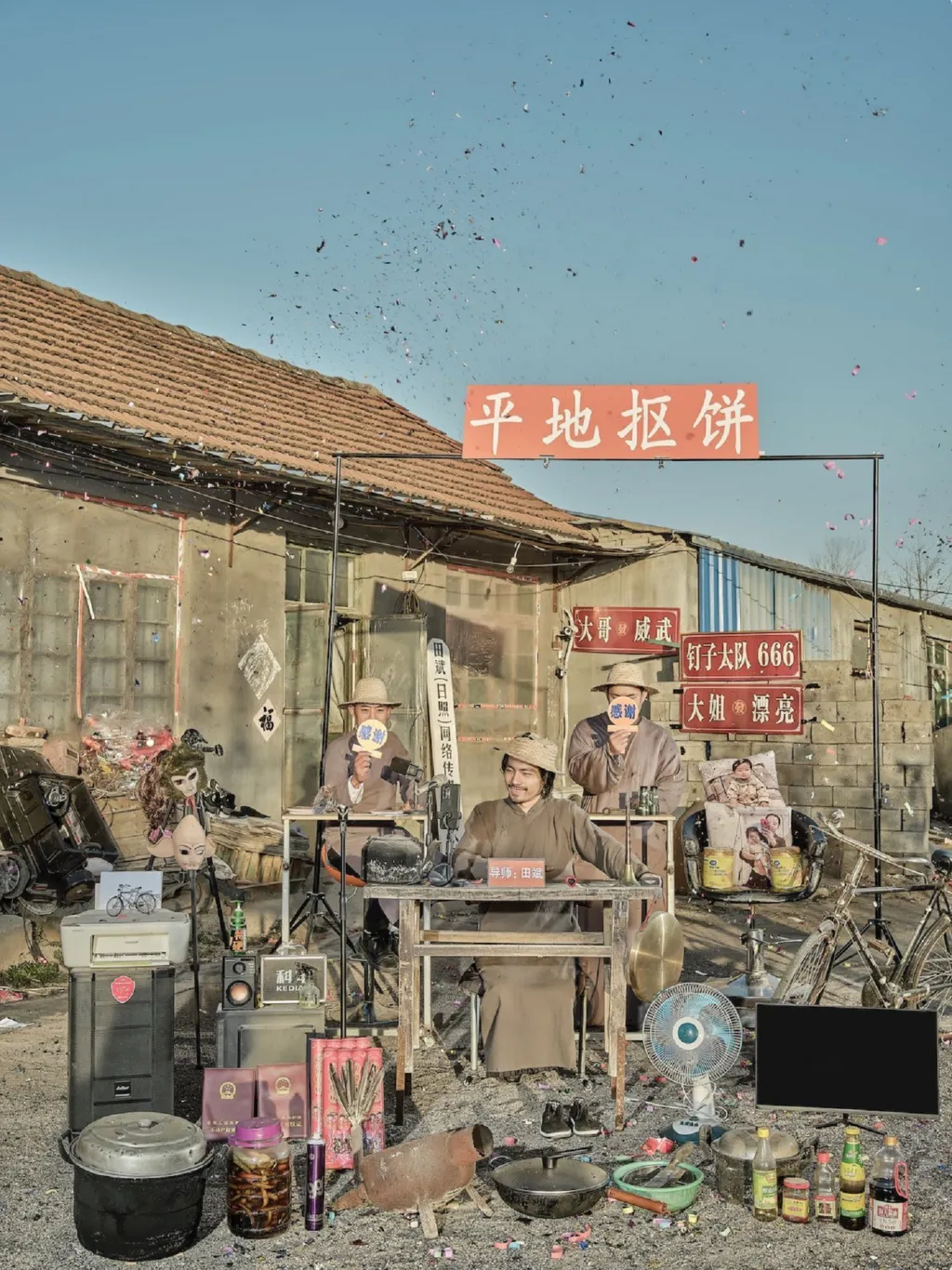
Huang Qingjun is best known for his Family Stuff series. The collection shows Chinese families posing outside their homes with all their possessions laid out, from teapots to plastic stools. Each photo feels like a mix of family portrait, museum exhibit, and social snapshot. He captured not just faces, but the changes sweeping through China as it modernizes and opens up to the world.
Huang Qingjun brings everyday home life into the open. He shows the quiet struggle between who we are and how the world around us changes. His photos are carefully arranged but deeply honest. Each object tells a story not just about status, but survival and adjustment. For two decades, he’s built a wide-angle portrait of modern China by photographing families in every corner, including big cities and rural villages.

Jingna Zhang creates dreamy, artistic images and fashion photos that combine the elegance of East Asia with the soft romance of Western painting. She was born in Singapore, but now works in New York and Seattle, bringing together her love for anime and classical art. You can see her images in Vogue China, Harper’s Bazaar, and Elle.
The Motherland Chronicles made her the most popular Chinese photographer dwelling on the topics of womanhood, identity, and longing for the past. Her career is just as fascinating. She was a national athlete in Singapore, started an esports company, worked as an art director for worldwide brands, and is now launching Cara - a platform to defend creatives against excessive use of AI.
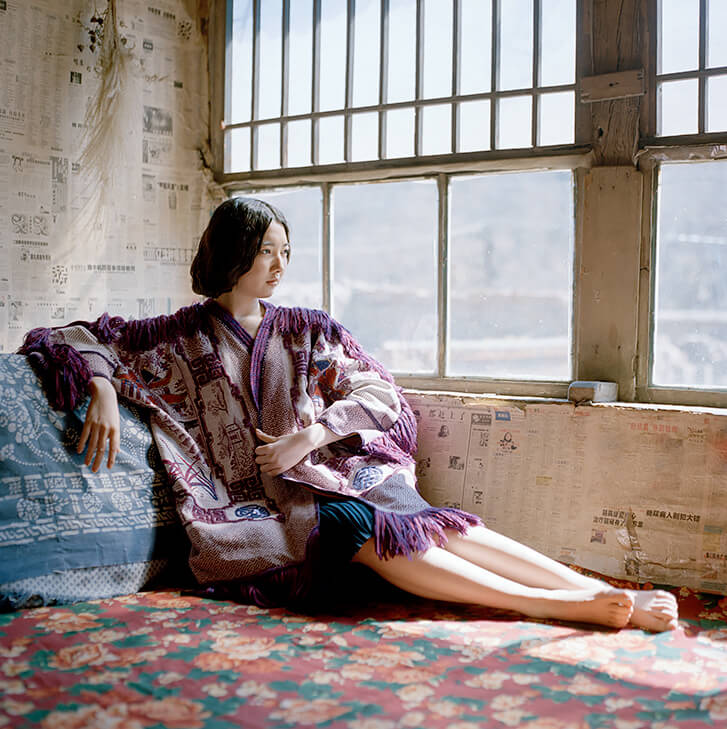
Shuwei Liu began as an engineer, but chose to follow his heart into photography, design, and writing. His images are truly emotional. Some of them display childhood as a shadowy, emotional terrain. Others, namely, the "Visible Darkness" project, explore possible blindness.
This artist knows how to handle delicate subjects with care. In fact, he has managed to capture the haze of childhood, the distant quality of blue, and the connections between body and world. His photos were exhibited in the State Hermitage Museum and Three Shadows Photography Centre. His work gathers honors quietly, never shouting for the spotlight.
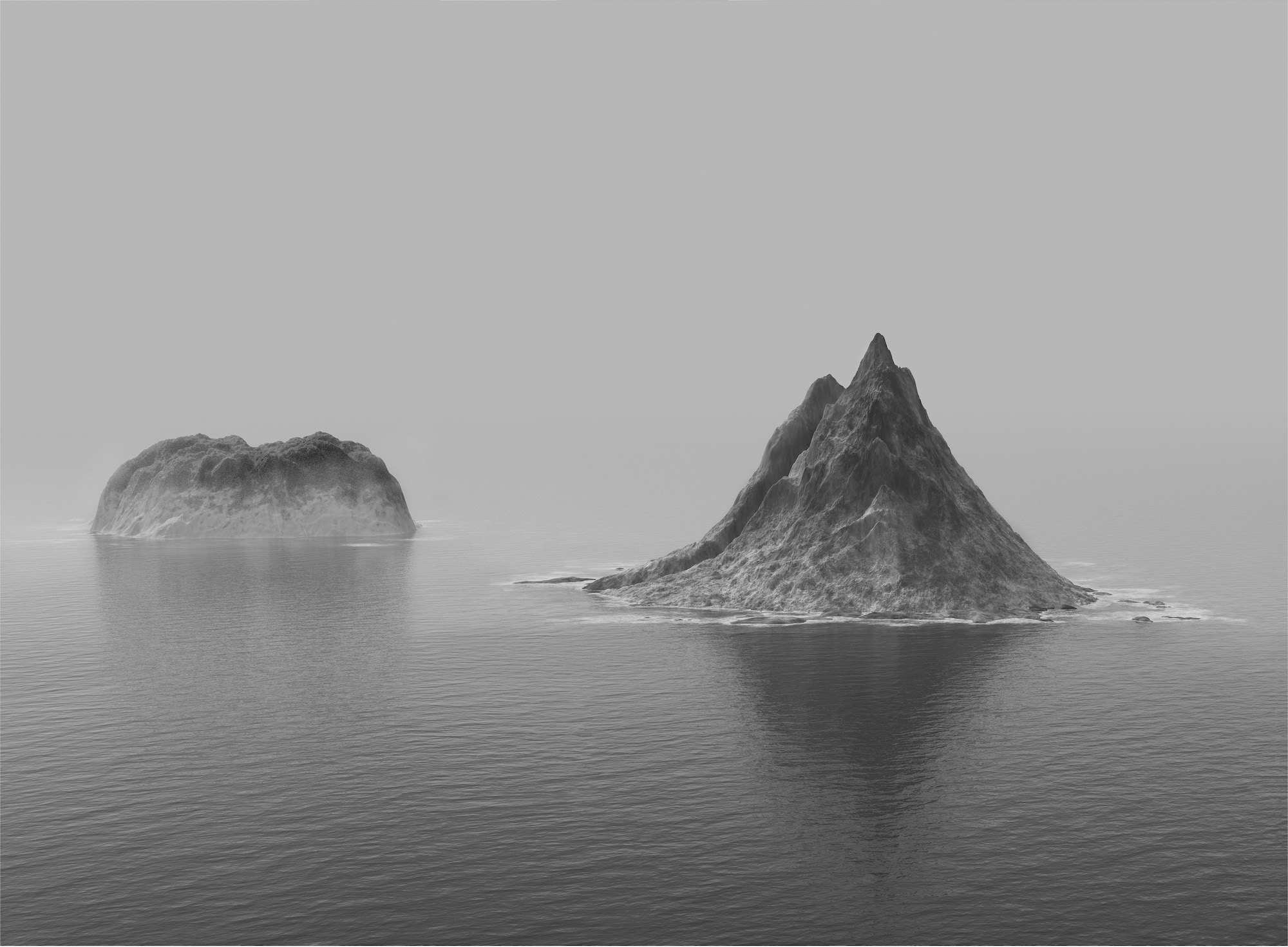
At the crossroads of photography and painting, Shao Wenhuan transforms an average landscape photo into a dreamy piece. His photos often feel more like updated versions of classic Chinese paintings, but created with a camera. Taking his time, he uses nature as a canvas to explore time, emptiness, and presence.
Shao teaches at the China Academy of Art in Hangzhou and has displayed his photos all over the world, including Milan and Lucerne. His images are part of many respected collections like the Uli Sigg Collection. Despite all the fame, he likes taking peaceful, gentle pictures that make you marvel at the beauty around.
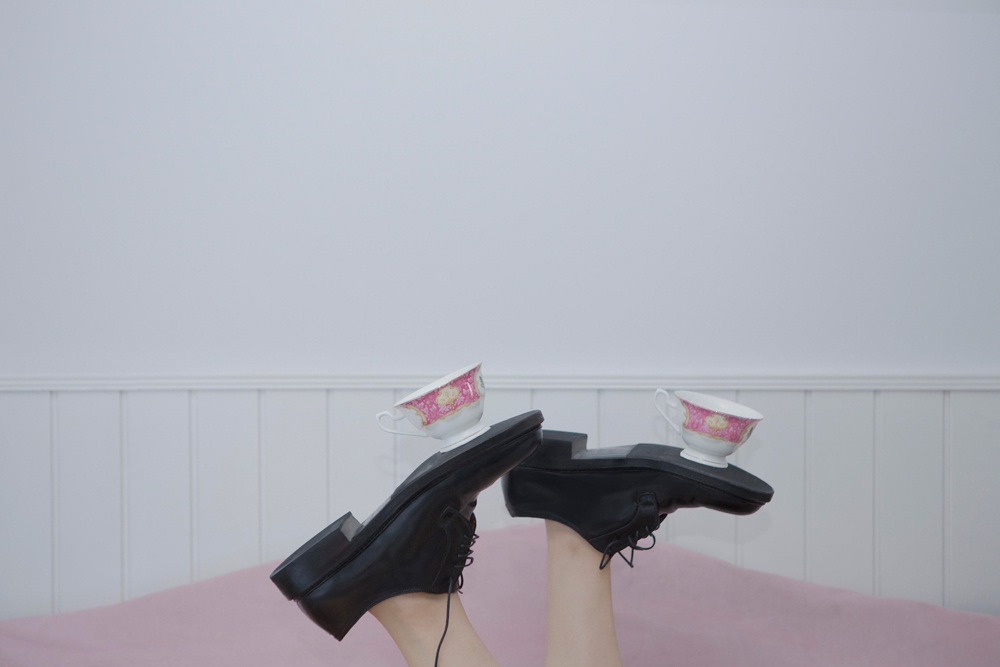
At first, Guo Yingguang worked as a photojournalist, but she soon looked deeper into society’s quiet corners. Her project “The Bliss of Conformity” shows the dull emotions inside arranged marriages. By mixing photography with printmaking, she captures distance and fragile silence that couples experience.
Guo stands out from other Chinese photographers with her talent in blending softness with a bold edge. Her pictures look peaceful, but beneath the surface, there’s always a crack. Since this female photographer is both watching and living her story, the images evoke quiet but powerful emotions.

Though Jiang Yuxin’s photos look simple, they carry big messages. They are dedicated to identity, language, and the struggles of migration. Using photos, text, and art shows, Jiang helps us see the hidden forces that guide how we live day by day.
One of Jiang’s most notable series is called “Five Events and Some Observations on Identity”. She tries to explore what it’s like to live between cultures. Being a Chinese immigrant in London, she knows it full well. Her work doesn’t tie up all the loose ends or offer just one story. Instead, Jiang welcomes the mixed feelings of fitting in and feeling left out, being seen and staying quiet.

When you look at Siu Wai Hang's photography, you may notice it feels a bit unstable, even a little tricky. That's no accident. He works out of Hong Kong, a place with a lot of political weight tied to mainland China. Siu cleverly uses his camera as a quiet act of defiance.
Siu Wai Hang's artwork is constantly evolving and rarely settles into a single style. He uses all sorts of unique approaches, e.g., printing portraits on fragile paper receipts, capturing landscapes obscured by smog, or featuring flipboards that eerily display military checkpoints. It seems you can practically touch the surfaces.
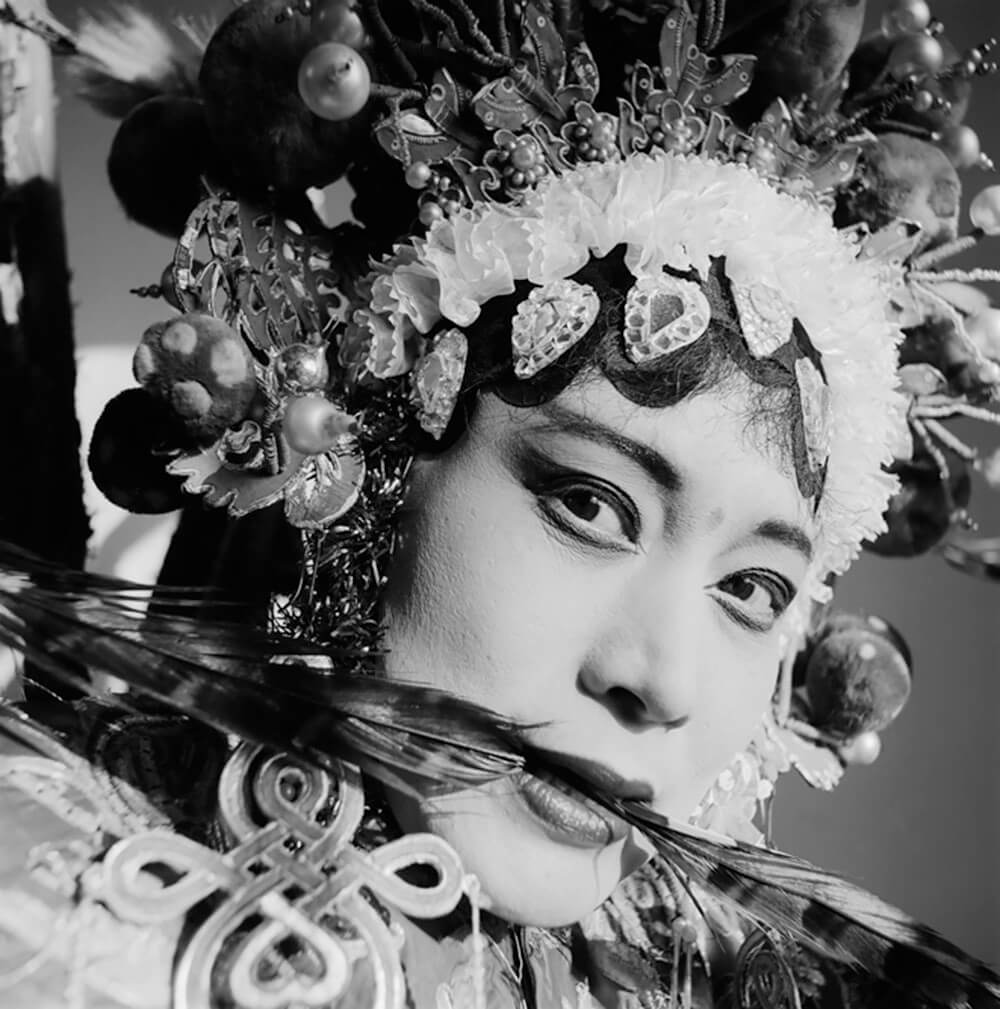
Liu Zheng is a remarkable representative of black and white Chinese photographers. He takes a hard look at Chinese society, focusing on people like miners, migrants, opera performers, and others stuck in old traditions. His grainy, intimate black-and-white images feel like both a record of reality and a lament for what's lost. When he does use color, his photos often have a strange artificial nostalgia vibe.
I personally admire Liu Zheng's steady resolve. Initially, he trained in optical engineering and not fine arts. However, he created his distinct visual style through years of watching and learning, not from artistic theories. His photography doesn't demand immediate notice. Instead, it stays in your mind, challenges your perspective, and makes sure that the faces of those alive today are never erased by the past.

Chen Jiagang turns old industrial sites into powerful photo stories. His pictures show huge, decaying buildings that once held big dreams. In these silent spaces, he places lone, graceful people, usually women, who seem both lost and strong at the same time.
Before picking up the camera, Chen was building skyscrapers and city plans. He was even praised by the UN for his work. Now, he’s switched gears. He photographs abandoned buildings and broken dreams. That role reversal adds a poetic touch to his images.





![Standard Business Card Size & Dimensions [Expert Guide]](http://fixthephoto.com/blog/images/gallery/news_main__preview_27806.jpg)