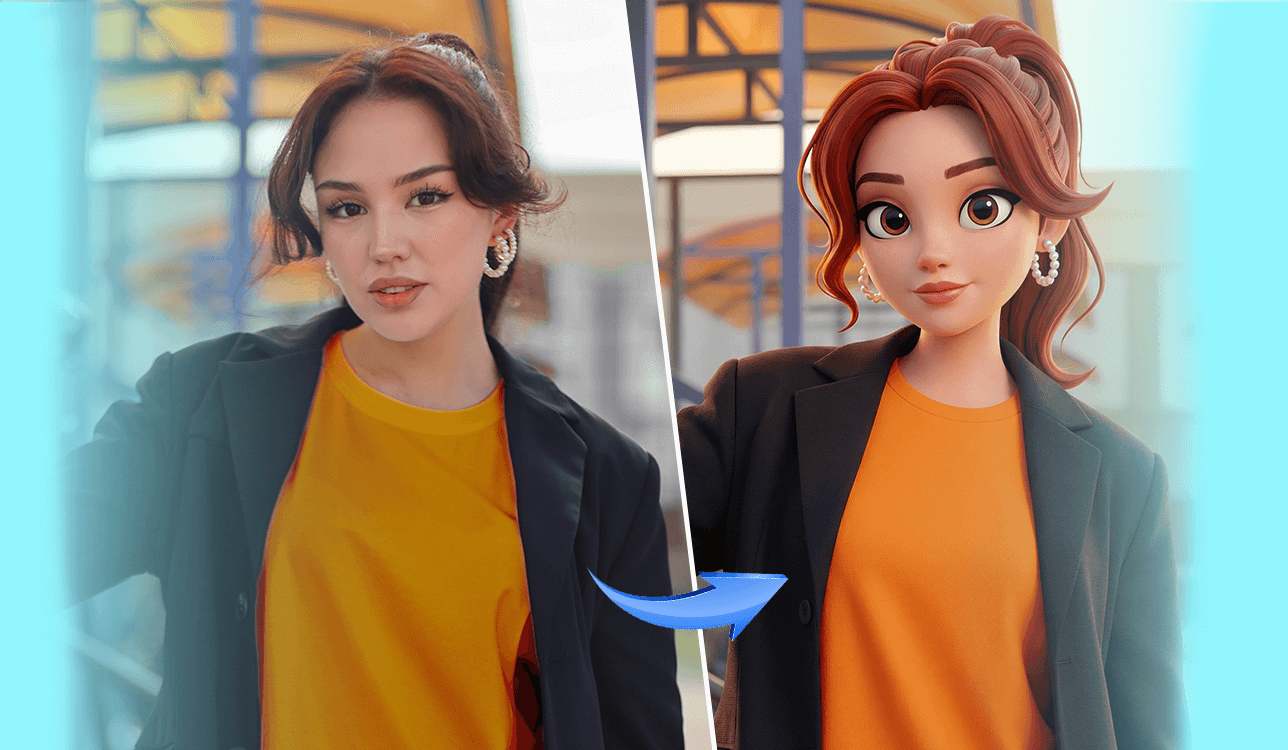
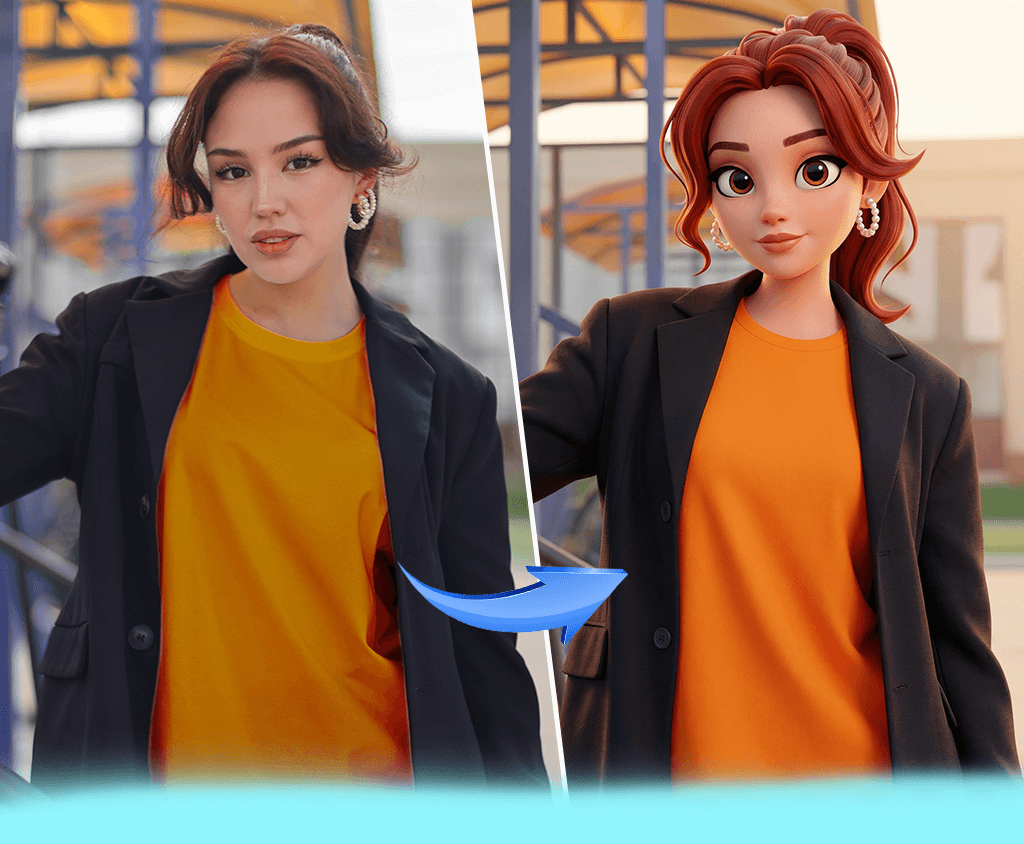


I always passed over avatar maker apps. But then I started wondering: can you make a good one with just AI on your phone? I don't always want to use my real picture online - many people don't. So, I wanted to see if an AI avatar could look polished, unique, and not like it had a silly filter on it.
When I began testing the apps, I quickly found a major issue: most of them produce a generic look that doesn't really look like you. Your features become a template, the colors seem artificial, and the result feels mass-produced.
So, I tested over 20 tools to identify the ones that truly deliver on quality, personality, and clean, high-resolution avatars. My recommendations below are for apps that help you create an avatar resembling the real you, not just another generic clone.
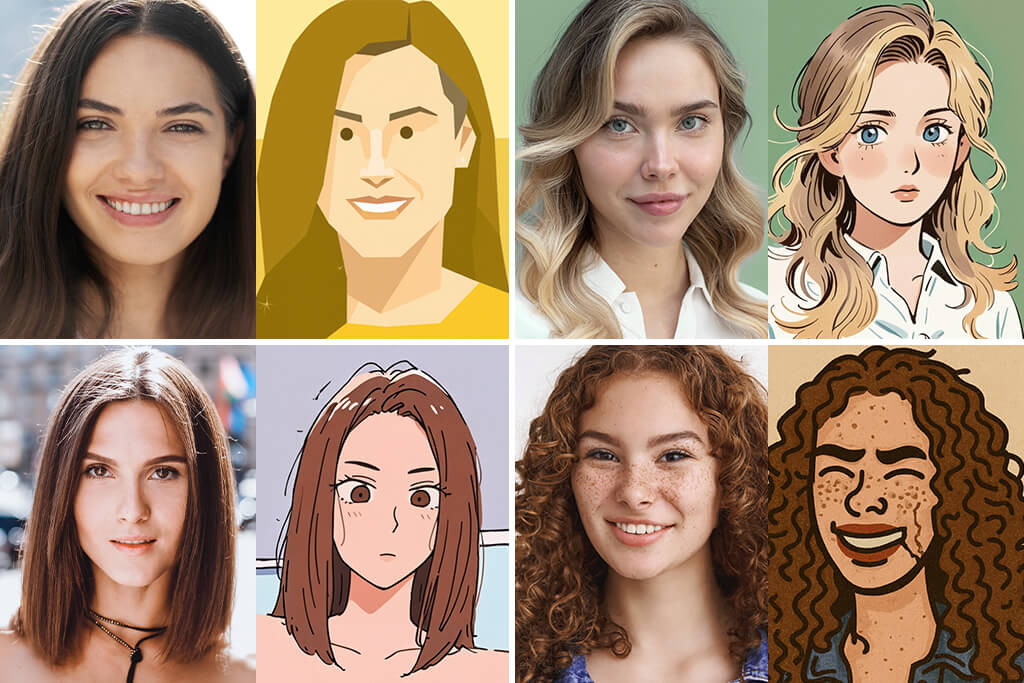
When I set out to look for the best avatar maker apps, I expected imaginative, AI-driven creativity. Instead, most of what I found were apps that just layer filters onto a selfie and market it as “avatar creation.” According to Forbes, many of these tools push stylized, polished avatars while downplaying or entirely overlooking problems such as distorted self-image, identity manipulation, and broader ethical implications.
Here are some fast clues that an avatar app may be exaggerating its intelligence:
OS: Web, iOS, Android
Price: free version or from $4.99/month
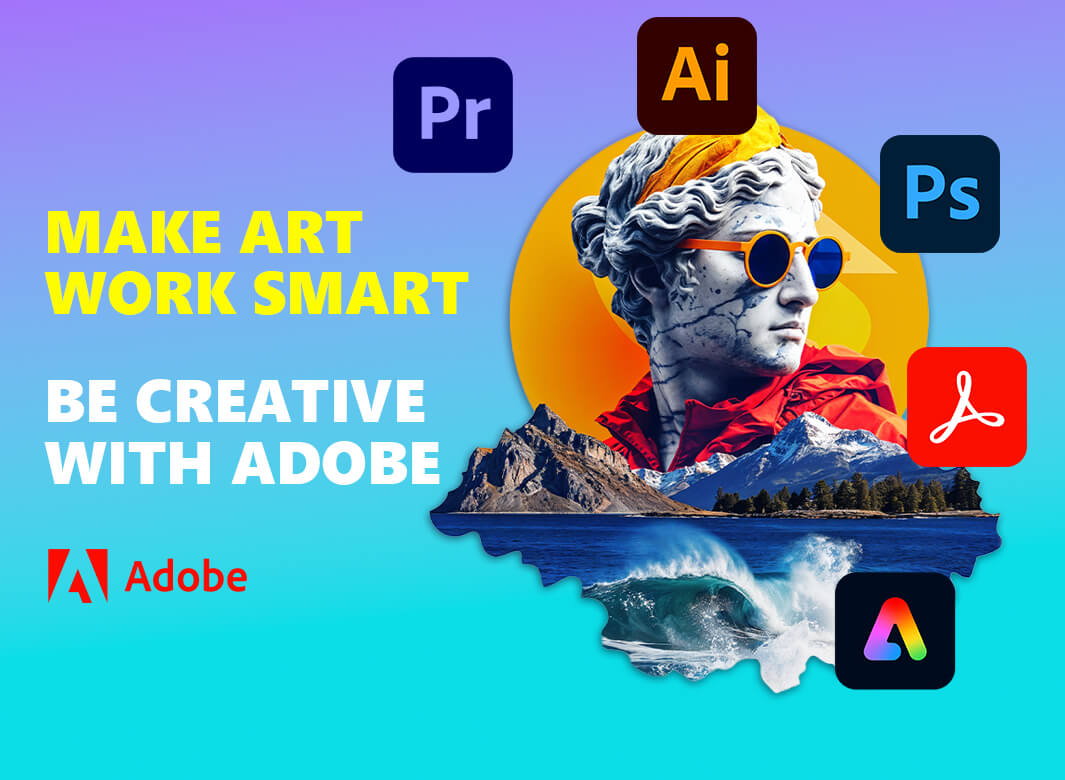
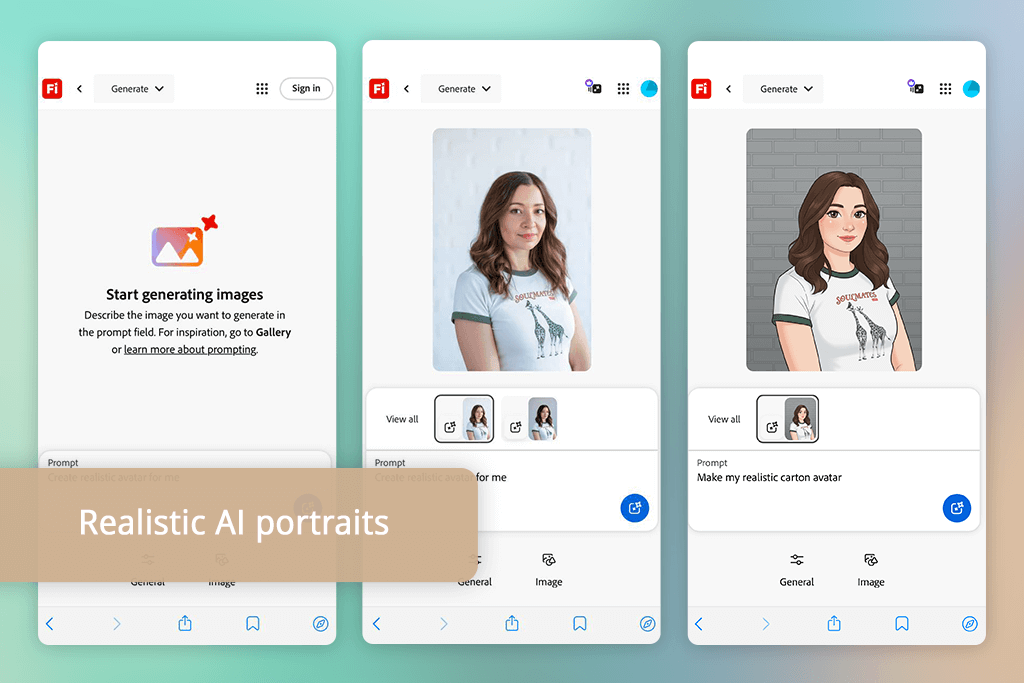
I tried a lot of avatar apps, but Adobe Firefly stood out right away because it doesn’t spit out random cartoon faces - it can make a realistic AI avatar that still looks like you. Firefly does a good job reading your facial features, so the results don’t look generic, warped, or like simple filters.
What I like most about Firefly is how much freedom it gives you. You can adjust things like facial details, expressions, lighting, backgrounds, clothing, and even type in ideas such as “cinematic portrait,” “anime-style avatar,” or “digital painting.” It’s the only tool I tried that doesn’t trap you in fixed layouts - you just tell it what you want, and the AI creates it.
Another big plus is the image quality. Firefly lets you export in high resolution, so your avatars stay crisp for things like profile branding, YouTube banners, resumes, or even professional projects. If you’re bored with apps that make blurry, plastic-looking faces or the same cartoon style over and over, Firefly feels like a real upgrade.
“Choose a bright, clear portrait - Firefly produces its most accurate avatars when the photo is straightforward and well-lit.”


OS: Android, iOS
Price: free version or from $4.99/month
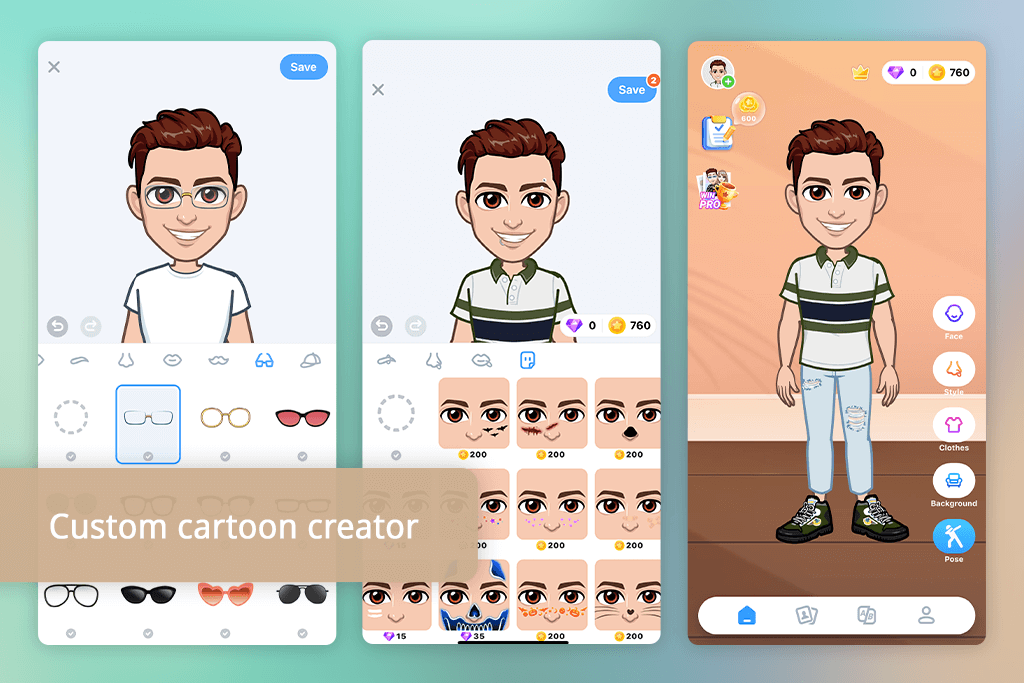
Avatoon is a widely used avatar creator app, catering to users who prefer a playful, social-media-ready aesthetic over realism. Unlike more AI-intensive tools such as Adobe Firefly, it emphasizes hands-on customization, allowing full manual adjustment of facial features, including shape, eyes, nose, and eyebrows, as well as hairstyle and clothing, to craft an avatar that closely matches one’s own appearance.
It's like simple avatar makers online, such as South Park avatar creator, but it offers far more detailed options. The best part is that it doesn't rely on random AI results - you can adjust every single part yourself, so you're in full control.
The app also comes with preset poses and stickers similar to emojis, making it ideal for placing avatars in TikTok covers, YouTube thumbnails, Instagram Stories, and as chat stickers. Based on testing, Avatoon is most effective for creating vibrant, colorful avatars with a distinct character style - full of personality while still looking like you.
While many customization options are available for free, certain assets, such as premium hairstyles and outfits, are locked behind a subscription. The free version works well for creating a personal avatar, but users looking to build a fully animated avatar for purposes like branding or content creation will likely need the paid plan.
OS: Android, iOS, Web
Price: free version or from $12.99/month
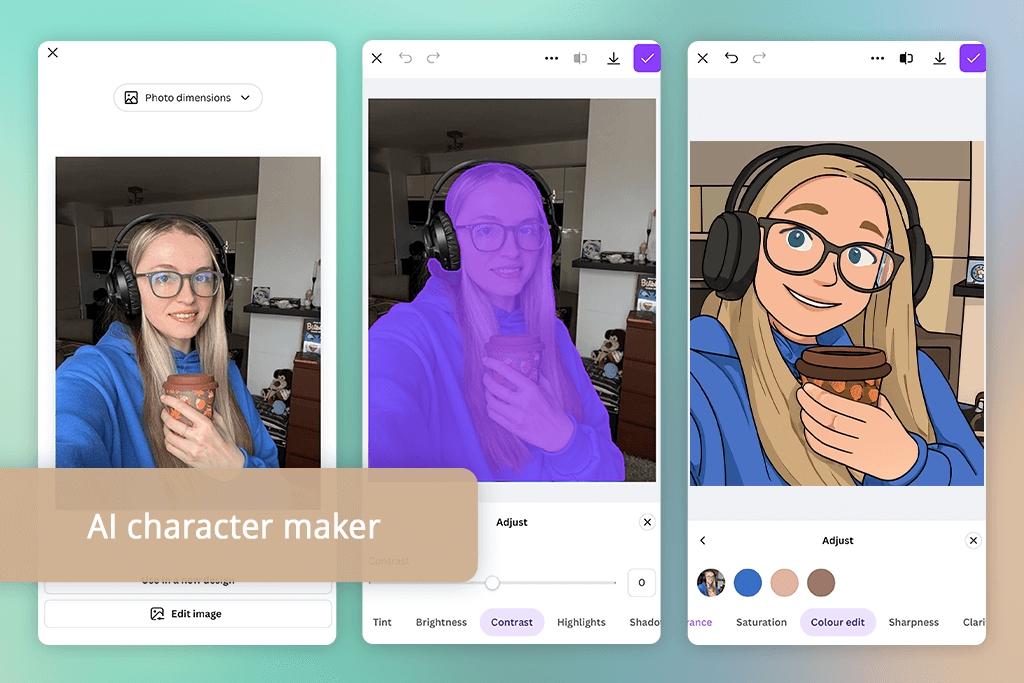
Canva isn’t a typical avatar maker app, but its AI Avatar Maker and huge collection of templates make it great for creating avatars for branding, YouTube, TikTok, and social media. I used it to make both realistic and cartoon avatars by uploading a selfie and adding AI styles right in Canva’s editor.
The editing tools are easy to use: you can change skin tone, face shape, hair color, and pick from many styles like anime, 3D, digital art, or pastel. Canva photo editor also lets you control how your avatar looks by adding backgrounds, overlays, lighting, and text, helping the final image look clean and professional.
The only downsides are that free accounts have a limit on AI generations, and you need Canva's paid plan to download your avatar with a clear, no-background look. But if you already use Canva for making content, this avatar feature fits right into your usual work.
OS: Android, iOS, Web
Price: Free
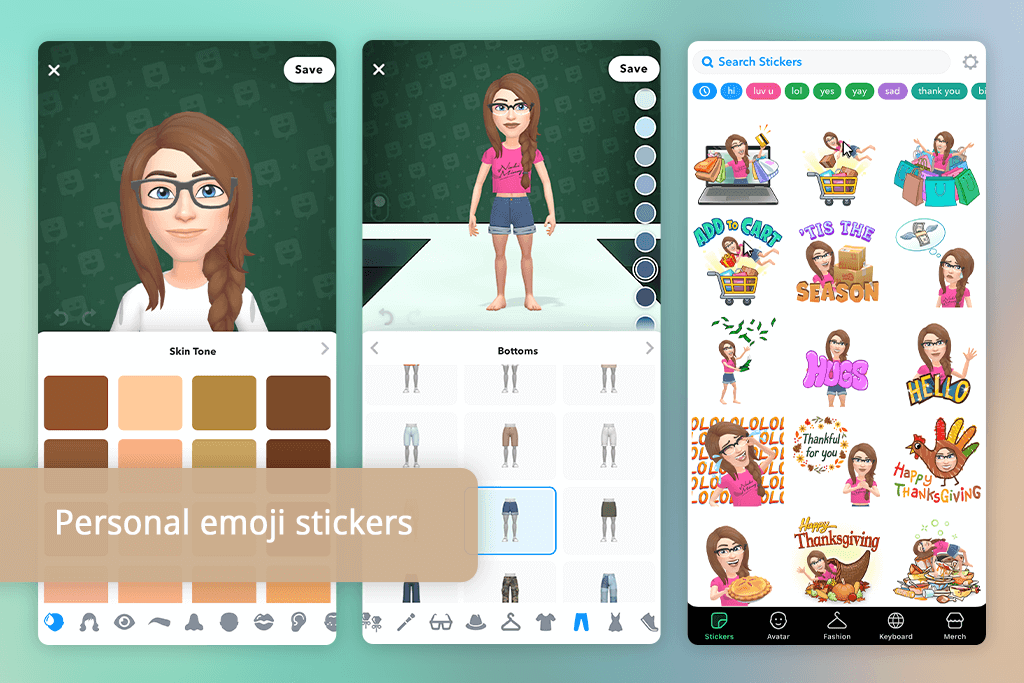
Bitmoji remains one of the best-known avatar creator apps because of its cartoon look and huge collection of stickers. It isn't made to look real, but it's perfect if you want a fun cartoon version of yourself to use in messages, social posts, or email signatures.
This cartoon avatar app allows you to personalize your avatar's face, clothes, and hair, and it keeps that same look across hundreds of different stickers, poses, and reactions. My favorite part is how well it works with other apps - Bitmoji connects smoothly with Snapchat, Gmail, iMessage, WhatsApp, and Chrome, so your avatar can be used almost anywhere.
It’s not the best app for photographers or professional branding. But if you want a personal, cartoon avatar that feels like you and can show how you're feeling, it still works better than almost any other app.
“Fine-tune the eyebrow style and eye shape - these features have the biggest impact on making a Bitmoji resemble the real person.”

OS: Android, iOS
Price: free version or from $9.99/month
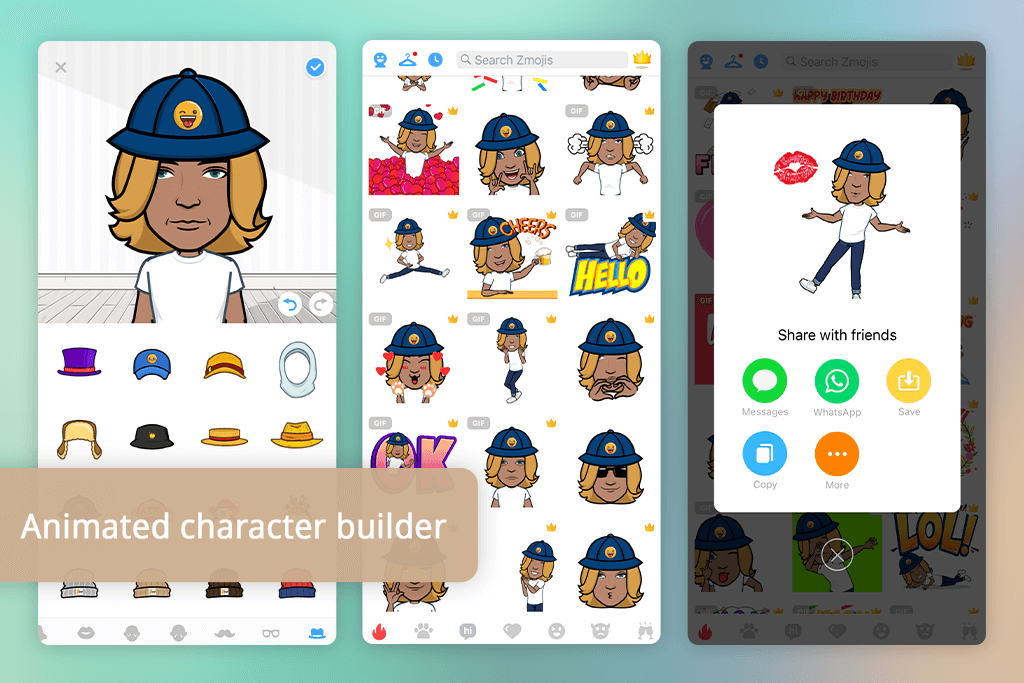
Zmoji is a cartoon avatar app much like Bitmoji, but it gives you more ways to personalize it. You begin with a selfie and can then adjust small parts of your face - like your jawline, nose, lips, and hair - so your avatar looks more like you.
Unlike most cartoon pictures apps that only use fixed filters, Zmoji lets you fine-tune your avatar, making it look closer to the real person. Compared to other cartoon avatar tools, Zmoji has a more mature, stylish feel instead of a silly or childish look.
A handy feature in Zmoji is its animated avatars - you can create short videos where your character speaks or shows emotions. These are perfect for TikTok intros, Instagram Reels, or YouTube branding. The downside is that the free version doesn’t offer much and often encourages you to buy upgrades.
OS: Android, iOS
Price: Free, VIP from $6.99/month
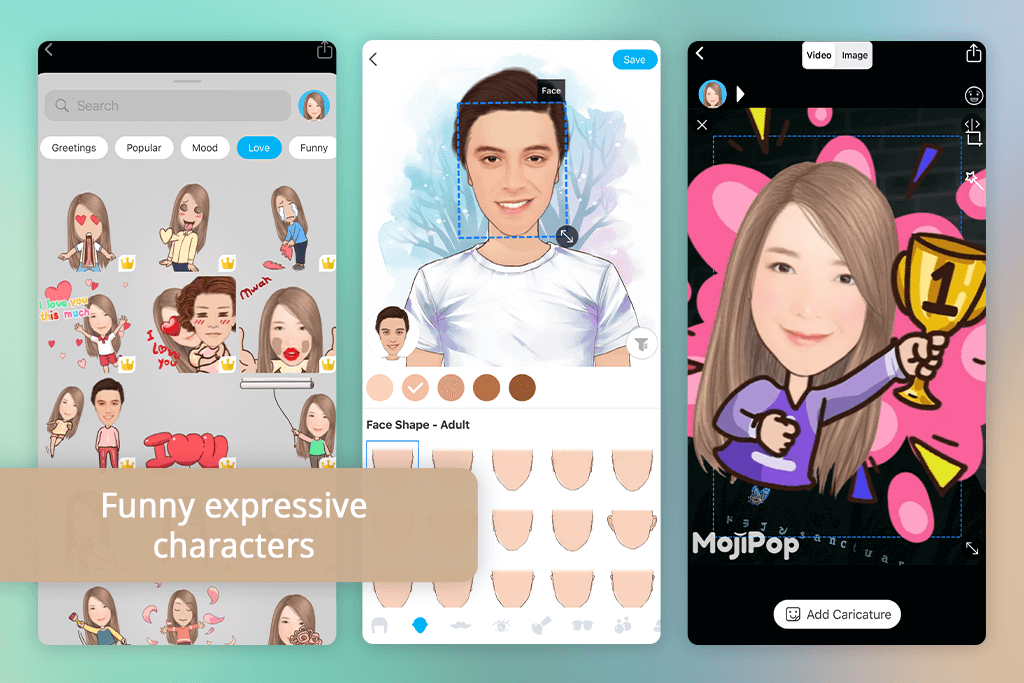
MojiPop is a cartoon avatar app that changes your selfie into a fun comic-book character. What makes it special is its huge set of animated stickers and scenes where your avatar is the star - doing things like dancing, driving a car, reacting to texts, or working on a laptop.
Unlike a typical image cartoonizer that only converts photos into static cartoons, MojiPop brings avatars to life with motion and personality, making it especially fun for people who want to add emotion to chat conversations or social media stories.
While testing it, I noticed MojiPop cares more about making your avatar expressive than about making it look exactly like you. You can still change the eyes, face shape, eyebrows, and hair, but the style is purposely bold and exaggerated - it's meant to be funny and full of personality. It’s not the right tool for professional branding, but it's perfect for playful content, meme videos, and animated reactions.
The biggest downside is ads in the free version - they appear too often and slow down the workflow. Some of the better animated templates are also locked behind VIP access, but even the free version has enough variety for everyday use.

OS: iOS
Price: Free, in-app purchases
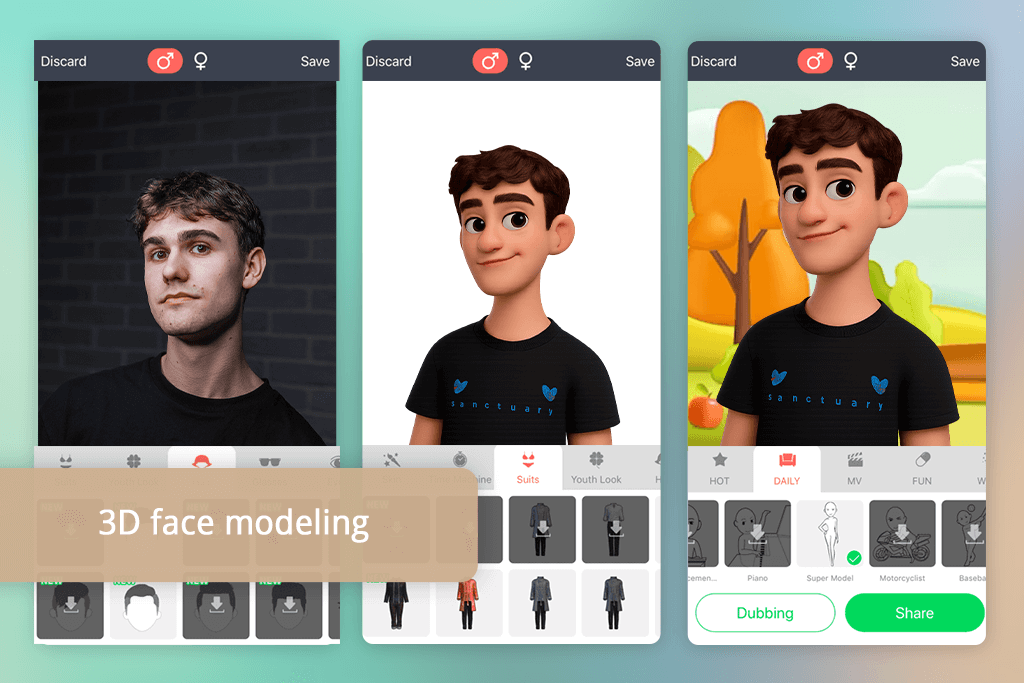
Myidol is a popular older 3D avatar creator app that became famous for turning a selfie into a realistic animated version of you. Even after many years, it's still a strong choice because of its detailed 3D style and the ability to customize the entire body. You can change the face shape, skin color, and hairstyle, and even make short videos where your character dances, sings, or talks.
In my tests, Myidol made face shapes that matched mine better than most other 3D avatar apps. The editing tools are very detailed, especially for adjusting small parts like the eye shape, cheekbones, and jawline. After your avatar is finished, you can put it in different virtual scenes, record it performing, and even create videos where it lip-syncs using AI. It’s an excellent choice for creators who want something more real-looking than basic cartoons.
The app seems to be slightly outdated in some areas, and the design feels a bit older compared to newer apps. Also, some parts of the app are still only in Chinese, which might be confusing when you first start. But once you get the hang of it, Myidol remains one of the top free apps for making 3D avatars.
OS: Android, iOS, Web
Price: Free, in-app purchases
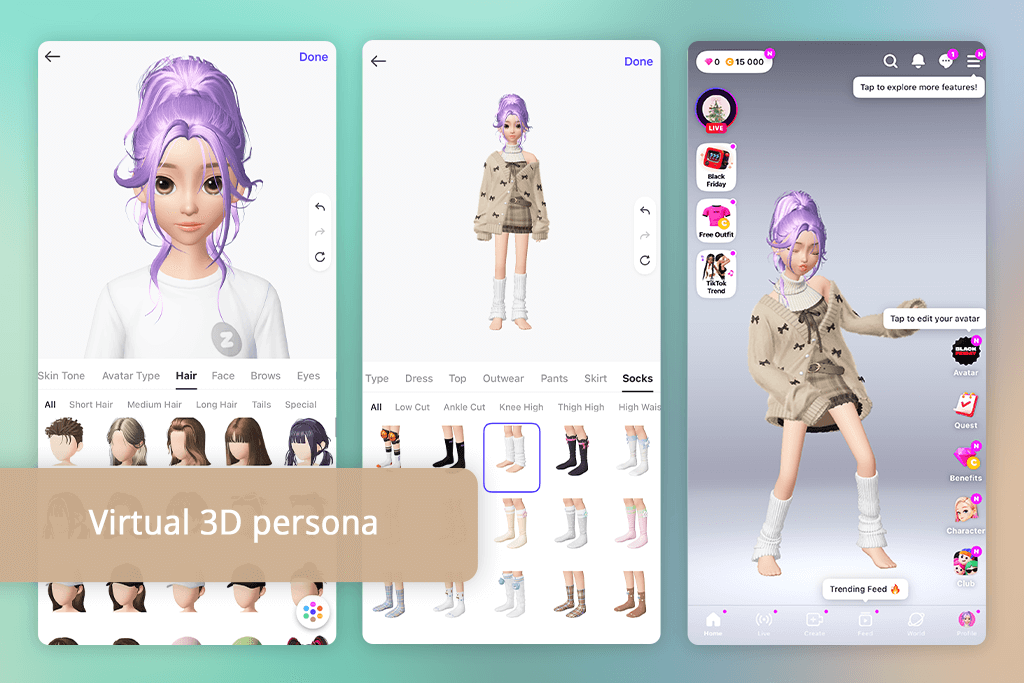
ZEPETO is an advanced 3D avatar maker app with its own social world. Instead of just making profile pictures, it lets you create a 3D version of yourself and explore virtual spaces. You can join groups, chat with others, and even record videos with your avatar. It feels like a mix of The Sims, TikTok, and an avatar maker.
What stood out to me most while testing was how much you can adjust. You can change very small details of the face, like the angle of the eyes, the shape of the nose bridge, how full the lips are, and even the eyelids. This makes it possible to create a 3D avatar that truly resembles you. ZEPETO also offers millions of clothing items, accessories, and poses, which are perfect for experimenting with online style, making creative posts, or building a social media personality.
The app has great features, but it can get pricey if you buy premium clothes and skins. It also needs a good internet connection, and older phones may run slowly. Even so, if you want lots of customization and strong 3D avatar tools, ZEPETO is still one of the best free avatar apps for Android.
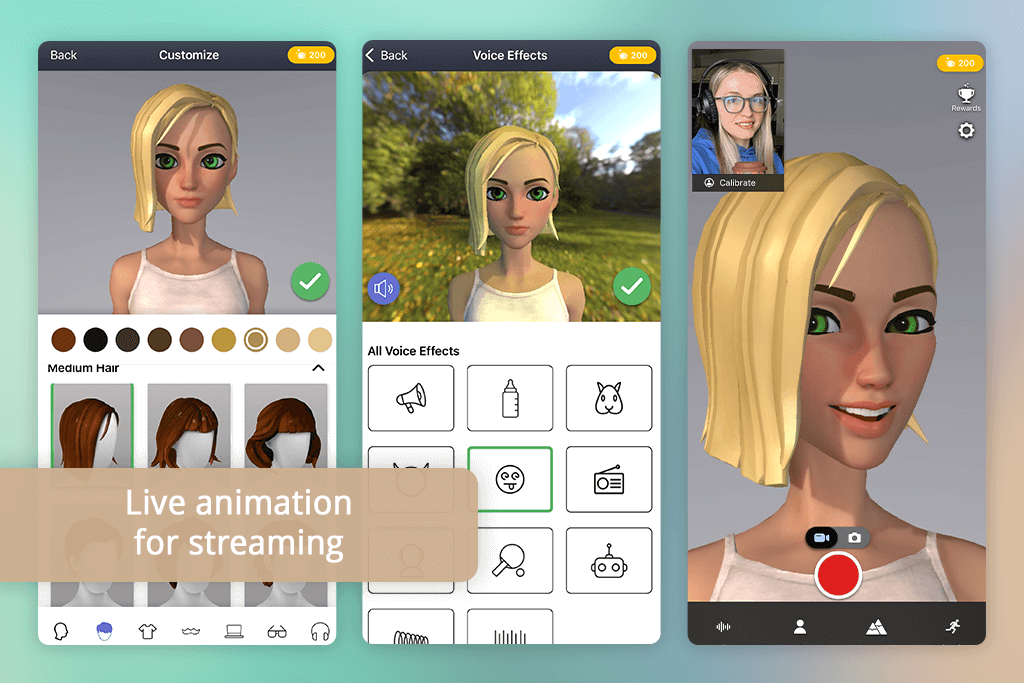
OS: Windows, iOS
Price: Free, Pro from $19.99/month
Animaze is a professional avatar making app for live streams, video calls, and creating content. It uses real-time face tracking to bring your avatar to life as you talk, making it ideal for use on platforms like Twitch, YouTube, Zoom, or for VTuber videos. Unlike simpler cartoon avatar apps, it works with detailed 3D characters and even allows you to bring in avatars you've made elsewhere.
During testing, I was impressed by how closely the app tracked my face. The eye movements, lip-syncing, and head turns all looked very smooth and lifelike. You can pick from avatars that look human, animal, anime-style, or like video game characters. It also works right away with OBS Studio and Discord, so it's simple to set up and use for live streams.
However, Animaze does need some time to get set up properly, and it works best when you have good lighting and a clear webcam. It's not a quick mobile app for fun - it's really meant for dedicated creators building a digital identity. The iPhone version is fine for trying it out, but the PC version offers a lot more features.
To test and rate each avatar creator app, we spent over a week trying out more than 25 options on iOS, Android, and the web. We tested them in real situations - making avatars for social media pages, gaming accounts, YouTube videos, and professional profiles.
We rated each app based on these points:
Accuracy: how closely the avatar matches the real person
Customization: how much you can change things like the face, eyes, hair, and clothes
AI Quality: whether the results look realistic or just like basic filters
Export Quality: how clear and sharp the final avatar image is
Ease of Use: how fast, simple, and smooth the app feels
Value: whether the free features and pricing are fair
The FixThePhoto team also evaluated several more advanced avatar apps that were ultimately not included in their top nine recommendations. Among those considered were ToonMe, Ready Player Me, Character.AI Faces, Live Portrait Maker, and Dollify. While these apps offered some appealing features, they were left out of the final list due to issues such as inconsistent results, low-quality image exports, or an inability to produce avatars that truly looked like the person they were based on.
To keep the comparison fair, we tested every app using the same sample photos: a well-lit, frontal selfie with a normal expression. We tried both the free and paid versions of each app to see if upgrading was really worthwhile. In a few cases, paying did make a noticeable difference, but for many apps, the extra features weren’t really worth paying for.
Currently, Adobe Firefly offers the highest quality and control for creating realistic AI avatars. For a cartoon-style avatar, Avatoon and Zmoji are the top picks.
Yes, though many free versions add watermarks or limit the image quality. Bitmoji, ZEPETO, and Canva stand out because their free plans provide useful features right away without pressuring you to upgrade immediately.
The safest options are apps from well-known companies with clear privacy rules. Adobe Firefly, Canva, and ZEPETO are trustworthy because they do not sell or misuse the photos you upload.
Yes, you can achieve this with apps that allow manual facial editing, not just filters. Avatoon, Myidol, and Firefly let you adjust specific details such as face shape, jawline, and eye spacing to create a closer likeness.
Canva is most useful because you can take your avatar and turn it into logos, YouTube banners, story covers, and profile photos all in one place, without needing other apps.
Yes. Animaze lets you create real-time talking avatars for streaming, while ZEPETO lets you animate avatars inside virtual scenes and videos.
Use a clear front-facing photo in natural lighting without filters. Don’t use group pictures, blurry shots, or selfies with sunglasses, as these make the AI less accurate.



![Best Photo Collage & Layer Apps [{{%year}} Edition]](http://fixthephoto.com/blog/images/gallery/news_main__preview_1056.png)
![8 Best Meme Maker Apps in 2025 [iOS & Android]](http://fixthephoto.com/blog/images/gallery/news_main__preview_2551.jpg)