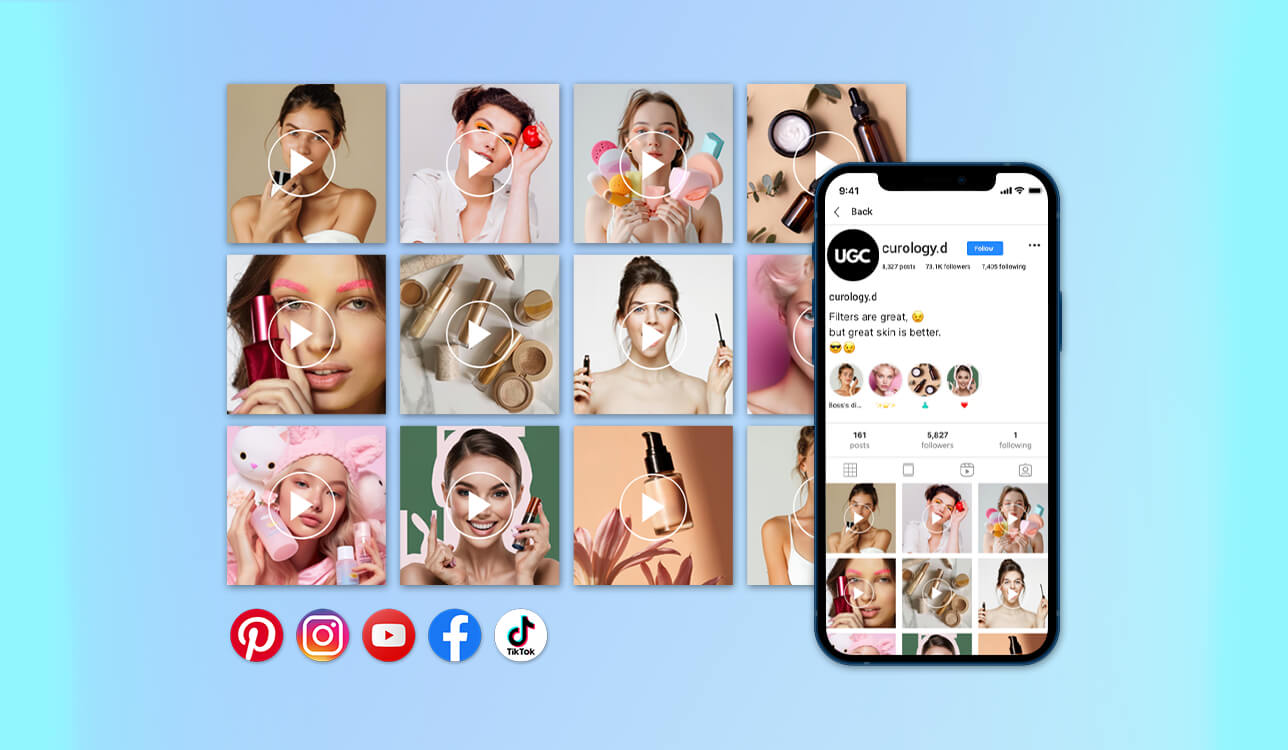
In 2025, many brands recognized the potential of UGC video content and started to use it for marketing purposes. Asking people to create videos telling how they use products in real life turned out to be a surprisingly efficient idea. This approach contributed to the development of a large ecosystem comprising content creators, brands, advertising agencies, buyers, and social media platforms.
The new type of digital storytelling focuses on authenticity. UGC videos are unique and more relatable than polished video ads shot by professionals. When comparing them to traditional forms of advertising, I would say that they are much more preferable for the modern audience that prioritizes honest feedback.
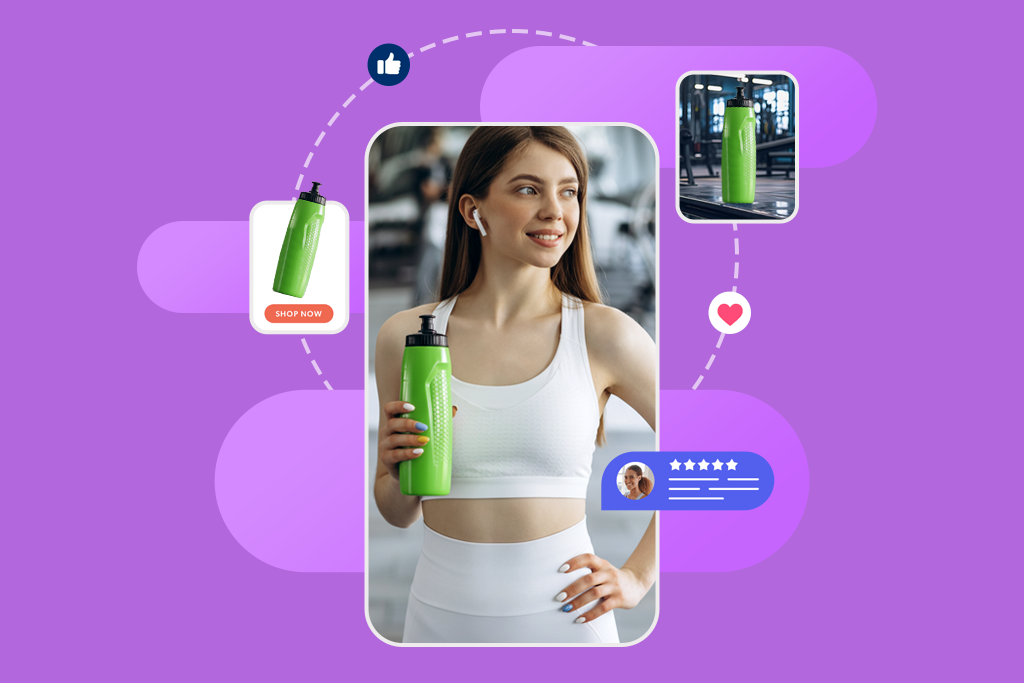
I started to create UGC video content almost by accident. I did not intend to create something like this and did not know much about the impact of such content on the emerging marketing strategies. I decided to shoot a video of myself unboxing a small kitchen gadget I purchased after watching TikTok and Instagram clips.
I captured the video in handheld mode, so it was shaky. I did not use a professional lighting setup and posted it unedited. Despite this, it generated more views in just two days than other videos published on my account. People kept asking me to provide a link and posted a lot of comments. Then, I was even contacted by a brand that was interested in licensing my footage for their future UGC video ads.
At some point, I decided to Google “UGC video ads meaning” because I wanted to find an explanation for this phenomenon. I discovered that viewers did not want to watch videos that looked like commercials, as lack of polish is exactly what makes UGC credible.
Researchers support this conclusion with actual data. The industry survey conducted by VisualContenting discovered that 79% of buyers state that UGC impacts their purchase decisions.
If you decided to learn more about American consumer psychology, you will discover that 92% of buyers trust recommendations of their peers more than professionally-created ads. This stats explains why my content became viral so quickly.
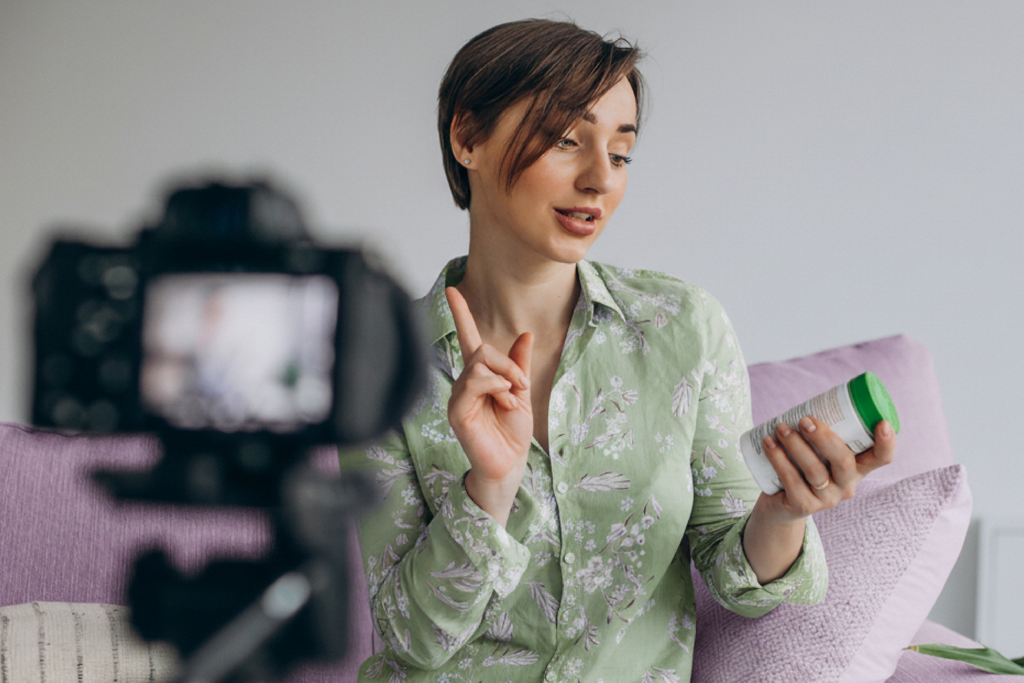
Two years ago, I did not even know anything about UGC videos or UGC video content. When I first heard about it, I thought that these terms described casual content created by influencers. However, after launching several UGC campaigns and learning how brands use such content to expand their outreach, I realized that UGC videos are much more powerful than simple selfie testimonials.
A user-generated content video is typically filmed by a person who purchased a product or a creator who uses only a smartphone. There is no need to use professional lighting, complex scripts, or professional video editing software for Windows or Mac. Such videos show a real person unboxing and testing a product or reacting to it. The power of social proof rests upon peer recommendations and genuine feedback. UGC content has higher credibility, which allows brands to build trust faster.
Social media sites like TikTok, Instagram Reels, and YouTube Shorts are designed for UGC style videos, as their algorithms promote casual content better. If you publish a 4K studio ad, viewers are likely to see it as sponsored content.
However, a UGC video shot in handheld mode is perceived as more genuine and, thus, worthy of attention. This is why the performance of UGC videos on social media is better than the performance of traditional video ads. Viewers trust such videos more and engage with them better.
It might be challenging to achieve an authentic feel when you create such videos. Some brands give too much creative freedom to creators and do not provide clear guidelines, so they get content that does not help them reach their goals. I have seen many campaigns that flopped because creators failed to understand how a product should be positioned, misrepresented instructions, and created serious compliance issues that had to be addressed by the legal team.
In some cases, creators produced beautifully shot content that did not meet campaign goals. While these videos were authentic, they failed to deliver the desired results. The success of UGC video marketing campaigns depends on one’s ability to produce relatable content following certain guidelines.
Many modern marketing campaigns involve the usage of user-generated content because it allows one to maintain the right brand messaging and provides information about consumer experiences. UGC makes it easier for brands to establish a connection with the audience and raise brand awareness about a brand at every stage of the buyer journey.
Such content motivates potential customers to purchase a product and become avid supporters of a brand. UGC exists in many forms. Below, we will consider its two main types, namely, organic and paid UGC.
Organic UGC content is created by people who support a brand and are willing to spend their time to provide their feedback. It is not created by freelance professionals or videography companies.
Such content is authentic, which makes it more efficient than paid ads. Its usage facilitates building social proof, trust, and engagement. It also demonstrates that products provided by a brand have real value.
Online reviews and written testimonials are considered to be one of the most impactful forms of UGC. They allow potential buyers to discover how a product can be used to solve a problem or how much people actually enjoy using it. For instance, when a professional photographer praises certain equipment produced by a certain brand without being paid to do it, it allows buyers to make an informed decision about purchasing it.
Brands use these authentic testimonials when creating graphics, social media posts, or email campaigns. According to researchers, almost 79% of consumers state they trust online reviews as much as recommendations provided by the people they know. This is why this form of UGC has such a strong impact.
Many brands use UGC photos to show how their products can be used in real life. People often post pictures of themselves having a cup of coffee, trying out new fitness gear, or working on DIY projects. Such pictures make brands seem more appealing and easy to relate to.
Many teams encourage the usage of niche or branded hashtags to make it easier to find, track, and reshare pictures across different platforms. Instagram campaigns like #ShotOniPhone or popular seasonal hashtags used by Starbucks clients demonstrate how photo UGC drives higher engagement and contributes to building a community of supporters.
Video is often seen as the most impactful type of UGC. Social media and YouTube creators create engaging “haul” videos, UGC video guides, first impressions, and daily routines. Besides, they implement other movie ideas to make at home and sometimes even advertise multiple products. Snippets of such videos are often shared on TikTok, Reels, or Shorts to advertise a product in a relatable way.
Videos are best suited for conveying an emotion. They are more dynamic and have a strong storytelling component. Due to this, they have a higher engagement rate and are associated with higher conversions than static forms of content. According to stats, UGC videos on YouTube get up to 10× more views than professional advertising content produced by brands.

Even brief mentions in tags, comments, or reports can have a positive effect. Many brands share their fans’ Instagram Stories or retweet their messages on X to build a solid credibility. Such interactions often have a stronger impact than traditional campaigns and help maintain community momentum.
Many bloggers and content creators review products or casually mention them when discussing related topics. A brief mention in a large article can be repurposed when promoting a product on social media, publishing testimonials, or launching email campaigns. UGC from blogs functions as social proof and makes blog posts easier to discover on search engines through backlinks or content with relevant keywords.
Many newly-established brands started to consider paid UGC ads in situations where the possibilities of creating organic content are limited. What makes such strategies different from influencer marketing products is that they do not require creators to be a celebrity or have a large following to become successful. Brands pay the creators to incentivize them to spend time shooting UGC content.
One can hire UGC creators on popular platforms like Fiverr or Upwork, as well as use other freelance services for businesses. Besides, there are many agencies that specialize in UGC production. Such videos can be shared across social media, email, landing pages, or in paid campaigns.
The most important thing is to maintain transparency. If you order paid UGC video campaigns, you should provide information about them to comply with platform rules. For instance, Instagram requires users to add tags like #ad or #sponsored to label paid ads. One should disclose the commercial nature of such content to maintain credibility and avoid compliance issues.
Paid UGC ads still remain quite effective, as they enable brands to build credibility without waiting for organic videos to appear. Unlike some organic videos, they typically meet campaign objectives, have the right product messaging, and contribute to establishing a recognizable brand identity.
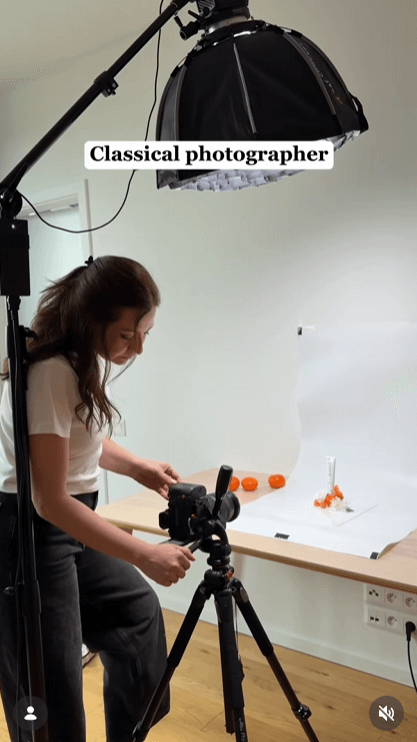
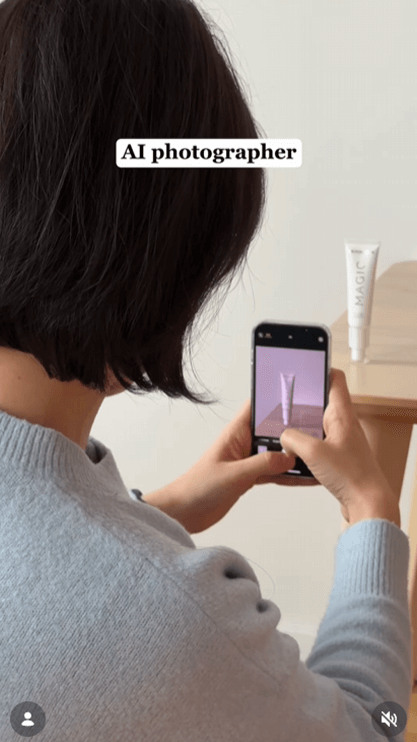
The impressive performance of UGC can be attributed to psychology and social media algorithms. When a viewer sees a video capturing a daily routine, an honest reaction, or a relatable testimonial, they perceive it as information as if it were told by a friend. When they see a professional ad, they naturally become more guarded. UGC is so efficient because it diminishes the cost of attention and boosts credibility.
Brands were quick to recognize that UGC video ads regularly outperform branded videos. TikTok conducted research, which demonstrated that UGC videos have higher watch-through rates because they align with viewers' expectations.
Meta’s Lookalike Audiences are associated with higher conversion rates when they are paired with UGC assets rather than professional ads. I often speak with performance marketers, and all of them agree that UGC is a more cost-effective and relatable form of advertising.
However, one should not consider UGC as something opposite to traditional ad formats. They simply serve different purposes. Professional content establishes a consistent brand tone, visual language, and values. UGC allows brands to increase their sales, as such videos are provided by real consumers and provide comprehensive information about a product. This is why many major brands now focus on UGC video campaigns and use such content alongside traditional video ads.
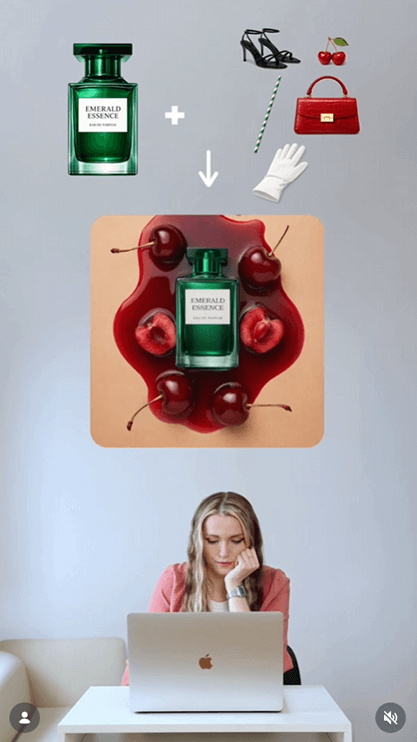
Many researchers positively assess the usage of UGC video for marketing purposes. According to the research conducted by analytics firms, UGC-driven campaigns can:
This data was widely discussed by marketing professionals and supported by the stats published by Meta, TikTok, and other platforms. Besides, there are plenty of agency case studies that can be found on a U.S. Google search. However, when looking at numbers alone, one can overlook the fact that UGC can function as a powerful conversion engine only when this content is used correctly. However, the usage of such videos may lead to reputation losses when a campaign is poorly executed.
You can find plenty of such stories on the Internet. When McDonald's launched its #McDStories campaign or when Starbucks launched the #SpreadTheCheer campaign, they became hijacked by dissatisfied customers sharing their negative feedback. The hashtag quickly attracted users who were negative about the brands. These cases show that UGC is all about client participation, and it can be both positive and negative.
These days, the main problem faced by marketing professionals lies in using the authentic feel of UGC to create compelling stories about a brand. Viral UGC video ads often have the effect of structured spontaneity. They can be narrated in a candid tone, but the main brand message should be clear.
In 2026, every professional understands that UGC video content has a measurable impact on a brand’s online visibility. In-depth industry studies, marketing research, and recent market data demonstrate that videos created by regular people generate more engagement, foster trust, boost conversions, and contribute to a higher revenue than traditional marketing content. Let’s consider how such videos changed the strategies used by top brands.
When GoPro decided to use UGC videos to promote the brand on social media, this decision fully transformed the perception of the brand. The company decided against wasting millions on soulless corporate ads. Instead, it invited the community to share their real-life experiences with others. People started posting videos of surfing, hikes, skydives, and family outings. Viewers positively reacted to these stories, as they found many of them easy to relate to.
Industry data confirms that people watch UGC videos 10× more often than professional content on YouTube. User generated video content is associated with higher engagement than traditional ads. What made such campaigns especially efficient is that there are a lot of things you can do with a GoPro.
The approach adopted by GoPro became quite successful. Their UGC content generated a lot of views and contributed to the rapid growth of a global “brand community” that actively supported the brand’s products. UGC videos weren’t focused on advertising the camera, but they highlighted the ultimate thrill of experiences people who were using the camera were living through.
Nike often uses UGC content video campaigns these days. The brand started to focus less on professional athletes and decided to share experienced of fitness enthusiasts. The company uses videos of runners, gym-goers, dancers, and walkers who share stories about their personal routines and the progress they achieved. These videos quickly become popular on TikTok, Instagram Reels, and YouTube Shorts, which allows the brand to increase its outreach and engagement.
Why was this approach so successful? According to recent research, UGC videos allow brands to increase engagement by up to 50%, making them more appealing than traditional content.
While Nike’s approach did not result in a spike in conversions, it made it easier for potential clients to relate to the brand. Nowadays, almost 84% of clients trust user content more than professional video ads. This is why brands need to establish a strong connection with their audience.
Starbucks is known for its popular seasonal drinks, such as its Pumpkin Spice Latte. They became promoted with the help of UGC long before the company decided to change its approach to marketing. In autumn, Starbucks clients often publish UGC content to share their cozy experiences and provide feedback on their first tastes. These clips generate a lot of buzz on social media, making them one of the best UGC video examples.
The popularity of such content is confirmed by stats. Around 79% of people admit that user-generated content has a significant impact on their purchasing decisions. Starbucks uses this knowledge to its advantage and generates a lot of hype. Such a result would be difficult to achieve with the help of traditional campaigns. People want to watch videos about their peers using a product and enjoying it in real life. It allows them to understand whether they want to share these experiences.
Starbucks does not need to invest a lot of money into its marketing campaigns or focus on branded content, because the brand has a supportive community behind it. High engagement levels allow the brand promote its seasonal products using UGC videos for social media.
Airbnb discovered an innovative way of using a UGC video strategy in its marketing campaigns. It decided to utilize videos shot by travelers instead of using only professional photography or scripted campaigns. It allows clients to learn more about the place they are going to book and see other people’s genuine reactions to the facilities and views.
By relying on social proof, the company managed to increase the number of bookings. According to researchers, using UGC on product and listing pages can potentially boost conversion rates by up to 200%.
The stats demonstrate that people are two times more likely to pay attention to the videos in which someone shares their genuine feedback than consume professional content shot in a studio. It proves that UGC video content can help brands boost engagement and increase conversions to improve their marketing efforts.
When Apple launched its Shot on iPhone campaign, it quickly became one of the best examples of using UGC videos for brands to promote products in an appealing way. The company chooses premium-level photos and videos shot by regular users and publishes them on billboards, ads, and social media channels.
The stats confirmed the effectiveness of this approach. Many researchers emphasized that brands using UGC often manage to increase engagement rates by up to 28% higher. The platforms that feature UGC often attract more viewers than the sites that publish curated professional content.
Apple’s strategy demonstrated that authenticity and relatability make content more valuable in the eyes of potential clients.
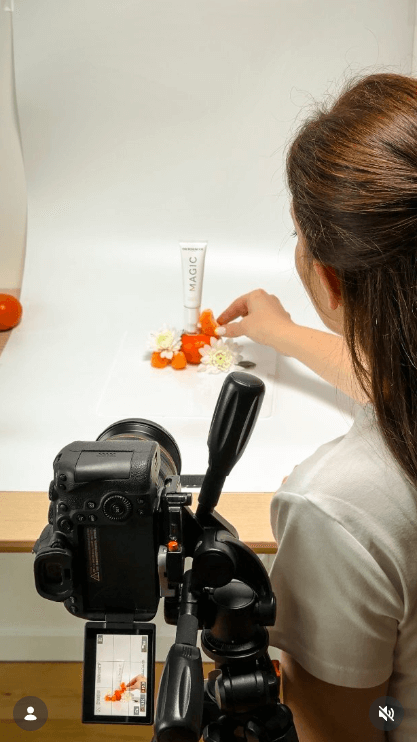
For creators, UGC videos became a useful tool for promoting brands. Unlike influencers, UGC creators do not need to have a lot of followers. I’ve met successful creators with fewer than 1,000 followers who shot UGC videos for social media platforms that are used by brands in paid ad campaigns. Their main task is to show how a particular project can be used.
Nowadays, many brands ask creators to produce several variations of a creative concept. They request versions with an organic tone, first impressions, calls-to-action, and product demonstrations. Even though the differences between these versions may seem subtle, they significantly affect the performance of paid ads.
UGC-style ads sound more organic, which makes them popular among ad buyers. According to the report published by a U.S.-based performance marketing agency in 2024, UGC ads outperform studio ads when it comes to CPA (cost-per-acquisition) in more than 70% of tests. It makes UGC video campaigns a smart option for those who want to increase their ROI.

The first 2–3 seconds are extremely important, as they determine whether a viewer will watch a video till the end. When shooting a UGC creator video, start from something easy to relate to. It should pique curiosity or provoke a reaction. For instance, you can start your video by saying something like “I have never thought this could work…” or “Here’s what happened after I tried doing it…”. Such hooks keep viewers engaged.
Learning how to keep their attention is crucial to creating viral videos for TikTok, Instagram Reels, and YouTube Shorts. A weak opening guarantee that even the most interesting content will have a few views.
What many viral UGC have in common is that they use visual proof. Show how to use a product in a real context instead of discussing it. For instance, you can demonstrate your skincare routine, focus on product testing, or shoot a video about unboxing. It will allow you to build credibility and present a product in a more realistic way. Such videos inspire more trust than polished studio content.
These days, many people watch videos in muted mode. This is why it’s better to use visual cues, captions, gestures, and product close-ups to bring your message across. Use text overlays instead of lower thirds with a lot of graphics, as they look less like ads. Use apps like TikTok’s video editor, CapCut, or InShot to add text quickly.
Don’t strive for cinematic perfection. Focus on authenticity instead. Natural light is often more suitable for UGC than a professional setup, while some camera shake is tolerated. The main thing is to achieve the right balance. It should be easy to understand what product you are promoting, but it’s better to avoid polished shots if you want your content to be perceived as authentic.
Scripted messages always sound unnatural. It’s better to provide prompts that will help creators understand what you want from them without limiting their creativity. For instance, instead of using the message like “This product transformed my skin,” use a prompt with a subtle suggestion like“Show how your skin changed over two weeks and share one surprise.” Such prompts allow creators to create unique content and use the main campaign points. In each video, one should show a product, explain its main benefits, and use the required disclaimers.
It’s better to avoid direct selling in UGC videos published on social media, as such methods may seem unnatural. Use soft, relatable CTAs to avoid coming across as manipulative. You can add lines like this: “Here’s the link I used,” or “I found this product cheaper here.” It will allow you to encourage a viewer to take a look at a listing without forcing them to do it. When posting videos on TikTok, Instagram Reels, and Shorts, you will see that these CTAs bring better results than direct brand promotion.
The best duration for UGC is around 12-30 seconds. Short-form content allows creators to grab and maintain viewer attention to improve completion rates, which video streaming platforms incentivize when creating their algorithms. Long-form videos are suitable for in-depth reviews and demonstrations. However, they have lower engagement. Short-form content is more suitable for increasing conversions, as it ignites a viewer’s curiosity and is more relatable.
Do not focus solely on one clip if you want to achieve better performance. Shoot footage from multiple angles, use hooks, and experiment with various storytelling formats. For instance, you can shoot a skeptical reaction video, tell about a transformation in another one, shoot a tutorial, and create clips with peer recommendations.
This approach will allow you to experiment with different formats and achieve better outcomes. It’s more efficient to test and optimize your strategy instead of publishing a single polished video. Brands often test different media strategies to see which one will allow them to achieve higher ROI.
Allow creators express their creativity fully, but provide some recommendations that will allow them to maintain brand style consistency. Make sure to indicate key requirements. For instance, the product should be fully visible. There should be safety disclaimers, FTC disclosures, and certain hashtags. It will allow you to ensure compliance without hindering creativity. By providing early feedback, you can avoid misalignment and expensive revisions.
It’s recommended to continue tracking important metrics even after launching UGC campaigns. Focus on such metrics as watch time, completion rate, CTR, and conversion rate. This information will help you improve prompts, choose the suitable video length, decide on the CTA style, and become more creative.
By performing iteration, you can achieve better performance and keep your content authentic. It allows you to ensure that your UGC video will meet audience expectations and your brand goals.
| Platform | Best For | Video Length | Audience | Key Features |
|---|---|---|---|---|
|
TikTok
|
Viral challenges, quick tutorials, product demos
|
15 seconds – 10 minutes
|
Gen Z & Millennials (16–34)
|
Algorithm promotes authentic, relatable content; increased engagement rates; trending audio & effects; best choice for viral UGC campaigns.
|
|
Instagram
|
Before/after content, unboxing, lifestyle integration
|
15 seconds – 60 minutes
|
Millennials & Gen X (25–44)
|
Stories, Reels, IGTV, shopping integration; visual-first; hashtags contribute to higher discoverability; UGC performs nicely in carousel & story formats.
|
|
YouTube
|
Product reviews, tutorials, and detailed demos
|
No limit (typically 2–20 min)
|
Broad reach
|
Search-friendly; monetization options; long-form storytelling; UGC reviews and tutorials motivate buyers to purchase a product; high SEO value.
|
|
Facebook
|
ommunity-driven content, live demos, testimonials
|
30 seconds – 10 minutes
|
Gen X & Millennials (25–54)
|
Groups and Pages facilitate building niche communities; Facebook Live increases engagement; native video autoplay increases reach for UGC.
|
|
Pinterest
|
DIY, tutorials, lifestyle inspiration
|
10 seconds – 5 minutes
|
Predominantly Millennial women
|
Pins and idea boards contribute to higher discoverability; UGC tutorials and product images meet search intent; top choice for evergreen content.
|
|
Snapchat
|
Quick reactions, behind-the-scenes, product demos
|
5–60 seconds
|
Gen Z (13–24)
|
Ephemeral content creates a sense of urgency; AR lenses and filters boost engagement; UGC has a native and personal feel.
|
|
LinkedIn
|
Professional testimonials, case studies, B2B demos
|
30 seconds – 5 minutes
|
Professionals & B2B audiences
|
UGC is suitable for B2B storytelling, staff-generated content, thought leadership, and brand authority building.
|
Notes:





![7 Best Free AI Video Transcribers [Reviewed & Tested]](http://fixthephoto.com/blog/images/gallery/news_main__preview_28496.jpg)