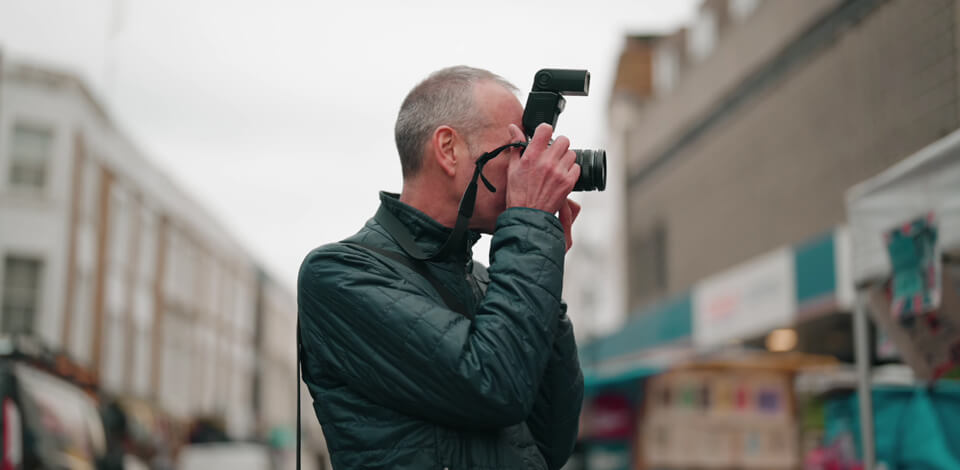
When I first tried to find the best camera for photojournalism work, I thought it would be easy. But I soon learned it wasn't just about buying a well-known camera. My job means I take photos of many different things – like quick protests in dark streets and close-up photos in bright sunshine. I needed a camera that could handle real life's surprises: something quick, dependable, and good in many situations.
My old Canon 5D just couldn’t satisfy my needs anymore. It couldn't focus fast enough when people moved quickly. In darker places, my photos looked grainy and soft. The battery life was a big problem too; it died too fast. I couldn't miss important moments because my camera stopped working before I completed my job.
 Canon R5 ★★★★★ (5/5)
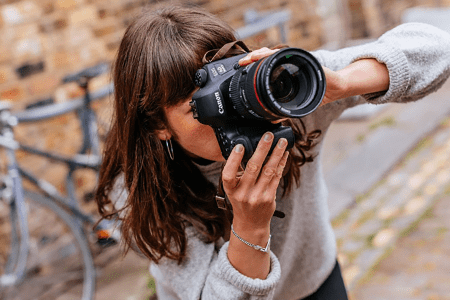
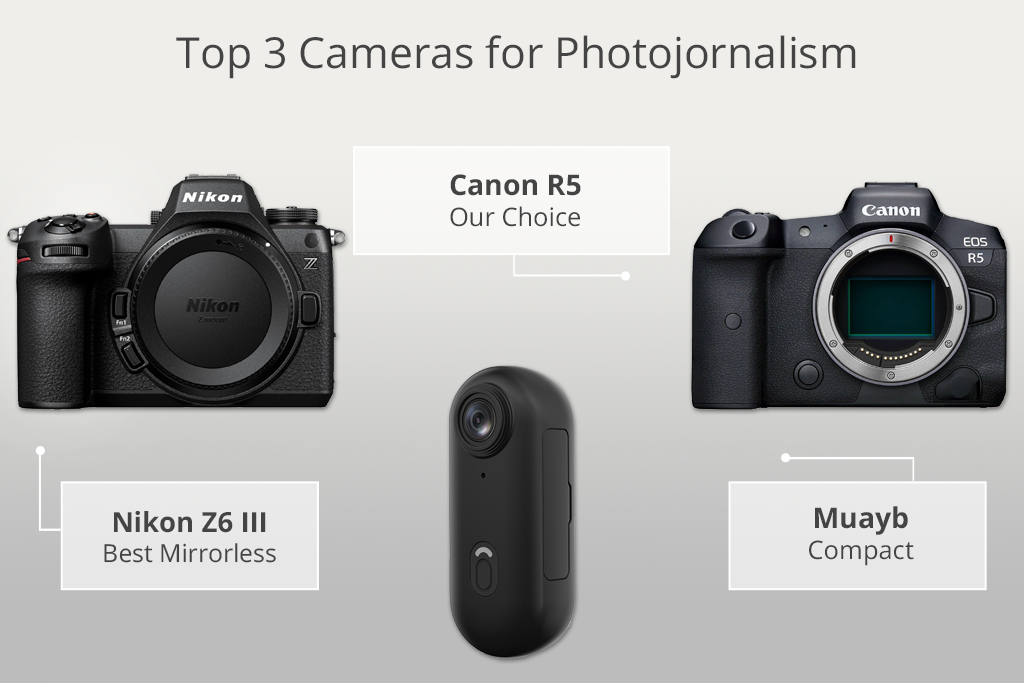
This camera is probably one of the best cameras for journalism because it has very fast autofocus, a sharp 45-megapixel sensor, and works exceptionally well in low light. It also takes quick, continuous shots and has dependable image stabilization. These features make it ideal for capturing clear, detailed photos of fast, unpredictable news events.
So, I made a checklist of what really mattered to me: fast and accurate autofocus, excellent low-light performance, durability for all-weather conditions, strong battery life, and silent shooting options for more discreet moments. High-resolution was a plus, but not as important as speed and reliability.
I chose to try out popular camera models suggested on journalism forums. I also asked my colleagues from the FixThePhoto team for advice. They agreed to help me test the cameras. This worked well because we already had a planned joint project: a multi-day shoot at a sports competition. That project was perfect for our camera testing.
Image quality is important, but not for the reason most people think. You don't need a camera with the highest megapixel count. Actually, many top photojournalists now like smaller mirrorless cameras better. These are lighter and easier to handle, but still take great pictures.
What really counts is that the camera works well in all kinds of light – bright sun or almost dark. It needs to handle bright and dark areas well (dynamic range) and work cleanly at high light sensitivity (ISO handling). This ensures your photos look good no matter when or where you shoot.
A size and weight of a camera are extremely important. History proves that street photographers and war reporters consistently choose gear that's light, unnoticeable, and easy to carry. If your camera is too big or heavy, you might not have it with you when news breaks.
Durability is a must as well. Weather sealing keeps your camera safe from dust, rain, or heavy rain – this is very important for outdoor work, especially in unpredictable weather. Whether you're covering events like protests, sports, or wildlife, tough gear means you won't have to stop taking photos.
Today's photojournalists also need Wi-Fi and Bluetooth. This isn't just helpful, it's crucial for sending photos quickly to editors when time is short, or even posting urgent news right from the field. Many cameras for photography work smoothly with apps, letting you control the camera remotely and share photos instantly.
Having dual card slots makes things safer. You can either double your storage space, save backup copies instantly, or keep photos and videos separate. This lowers the chance of losing important pictures while working on a job.
A quiet shutter is more important than you might think. The best photojournalism shows real, natural moments. A loud shutter sound can ruin the scene or make people notice you. A silent shutter lets you stay unnoticed, so people focus only on the story – not on you taking the picture.
On a forum, I saw advice to buy a film camera for photojournalism because they're supposedly more reliable and predictable when you need to capture important moments quickly. But personally (and my colleagues agree with me), I believe that when shooting on film, you should always back yourself up with a digital camera. Film can react very unpredictably. Plus, it's too expensive for a genre like photojournalism.
Main downsides of film cameras for photojournalism
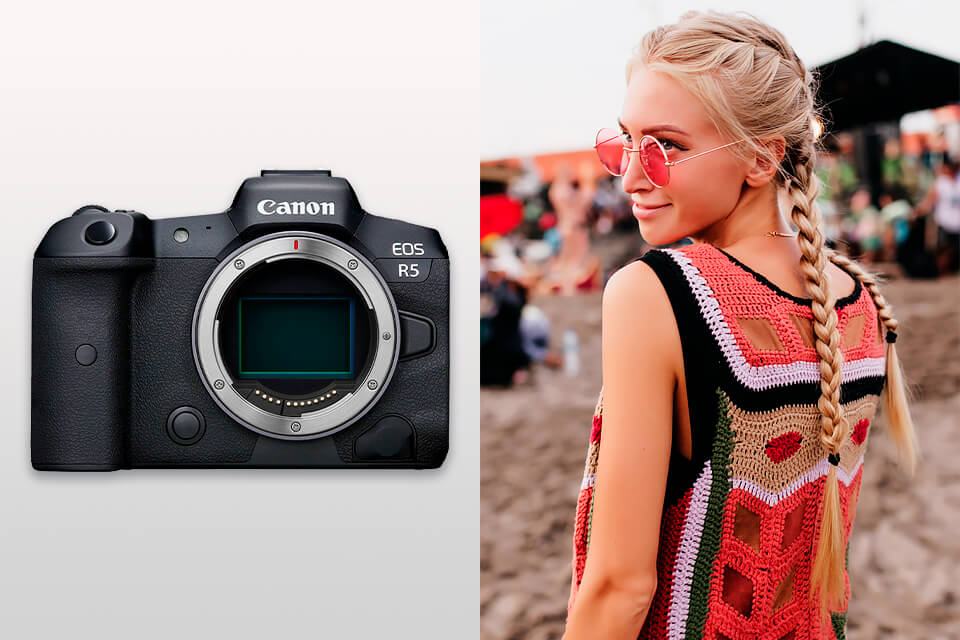
Right away, I noticed how quick and easy the Canon R5 is to use. While photographing a fast basketball game, I loved how it could take photos quickly one after another – 12 shots per second with the regular shutter, and up to 20 shots per second with the quiet shutter.
This speed makes a huge difference for capturing key moments – like dunks, blocks, and the crowd's reactions. I captured every important moment perfectly.
“I used this Canon camera for photojournalism at a few fast events, and honestly, it felt almost unfair. The autofocus is incredible, and photos stay super sharp even in challenging light. It's a bit heavy, but totally worth it for the quality you get.”

The autofocus on this Canon camera is truly special. Its advanced Dual Pixel AF system uses 1,053 focus points to follow athletes perfectly – even when the action gets messy and fast.
I was really impressed by the Eye Control AF – shifting focus just by looking where I wanted sharpness felt like magic, and it actually worked great. The tracking kept focus on players perfectly, even in bad lighting, fast movement, or when referees blocked part of the view.
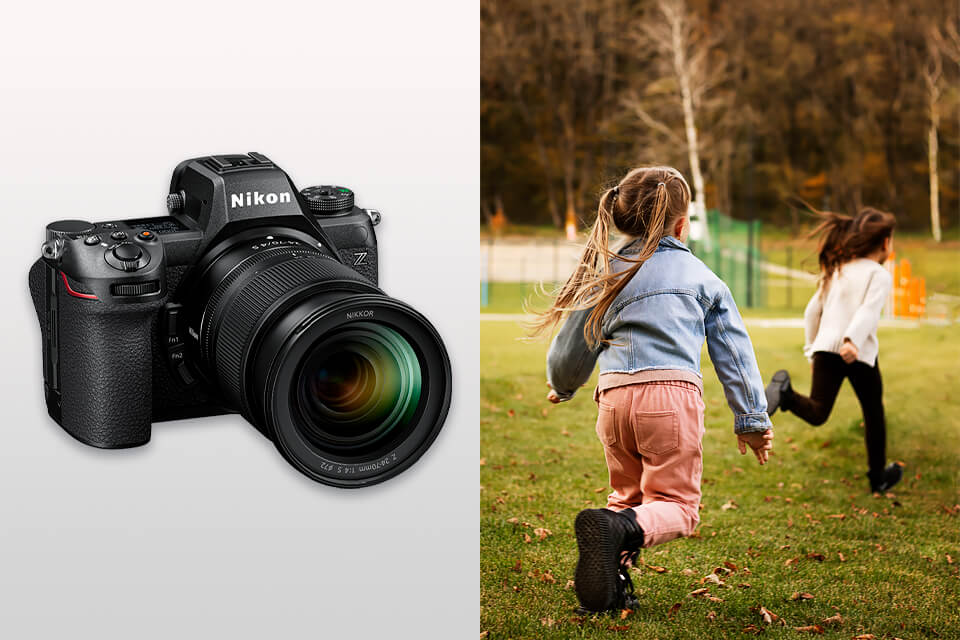
Taking pics of fast volleyball games was the perfect way to test Nikon's highly praised autofocus. Its multi-subject detection AF (taken from their top cameras) worked perfectly.
Even in bad gym lighting, I could clearly focus on subjects – like players jumping mid-air or fans reacting in the background. Its autofocus works in near darkness (-10EV), so I rarely struggled with low-light focusing. This makes it an excellent mirrorless camera for beginners.
“I was surprised by how much I liked it. It worked perfectly even during messy moments. The electronic viewfinder (EVF) is very bright and sharp, which made a big difference for outdoor shooting.”

Shooting 120 frames per second with the silent shutter might seem like overkill, but it let me perfectly capture extremely brief moments – like a ball in mid-air or intense facial expressions – without distortion. The EXPEED 7 processor of this mirrorless camera for photojournalism managed these rapid bursts smoothly, and viewing photos felt instant because of the camera’s fast internal speed.
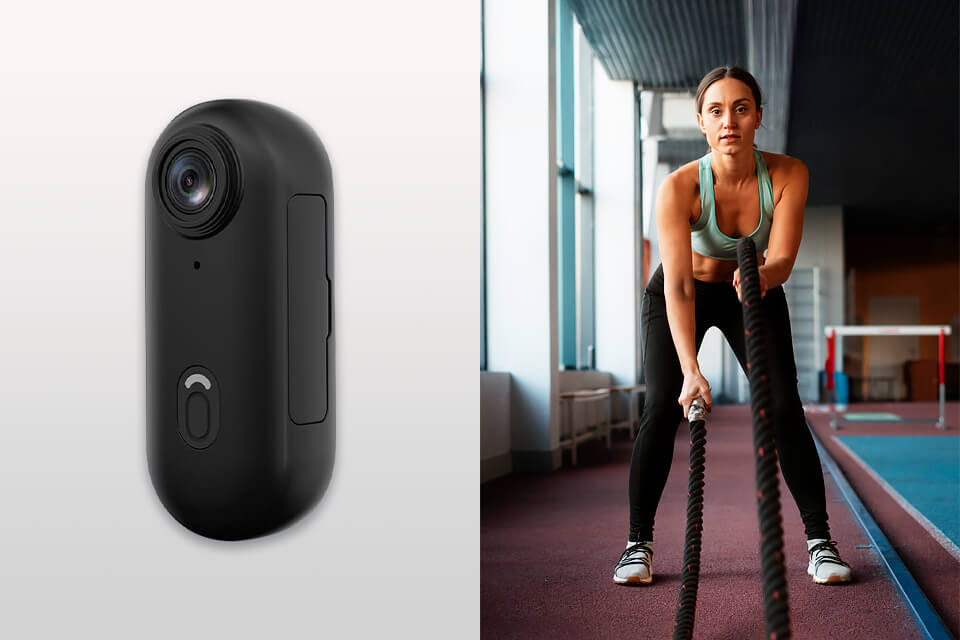

To be honest, the Muayb isn't like most “professional cameras” used in photojournalism. It's very small, sticks to surfaces with magnets, can be worn, and looks more like a camera for vlogging, bike rides, or secret filming than for serious news work. Still, I was curious. I wanted to find out if something this small could actually work well at a live sports event.
“Okay, this camera isn't the usual one for photojournalism, but I tried it anyway. It's really small and fun to use – easy to clip on and ignore. Great for behind-the-scenes footage or first-person views, but definitely not for important news stories.”

The best thing about this body camera is easy to see: it’s super light and hard to notice. It weighs almost nothing. I clipped it to my coat and bike helmet, and even stuck it to metal track rails using magnets. This let me get pictures from cool spots – something you can’t do with big, heavy cameras.
It filmed smoothly without shaking, and its tough outer case protected it from dust or water splashes. Since it's very affordable, this is definitely one of the best cameras for photojournalism for students.
The video looked pretty good for such a tiny camera. The 1080p HD quality was clear enough for short social media clips and behind-the-scenes shots. But of course, it’s not as clear or detailed as big professional cameras.
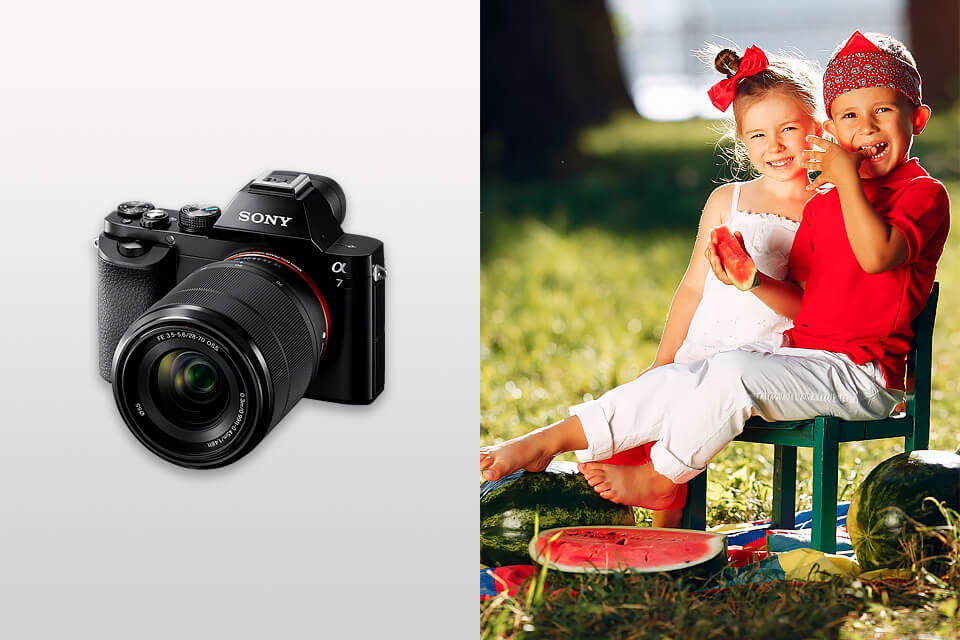
My first thoughts on this Sony camera: it feels strong, comfortable to hold, and well-balanced. The weather protection gives peace of mind since dust or light rain can happen anytime at outdoor events. The battery life (using the NP-FZ100) is much better than older Sony cameras. I took almost 700 photos through most of a day without worrying about changing batteries.
"A reliable workhorse. The battery lasts long, focuses fast, and takes beautiful photos. I loved how small and comfortable it was during all-day shoots.”

For sports, the autofocus really stood out. With its 693 fast-action focus points and 425 precision points, I could easily track athletes moving at high speed. It handled unpredictable movements perfectly, kept subjects in sharp focus, and nailed eye-tracking – something I didn’t think would help in sports, but it made individuals stand out in chaotic situations.
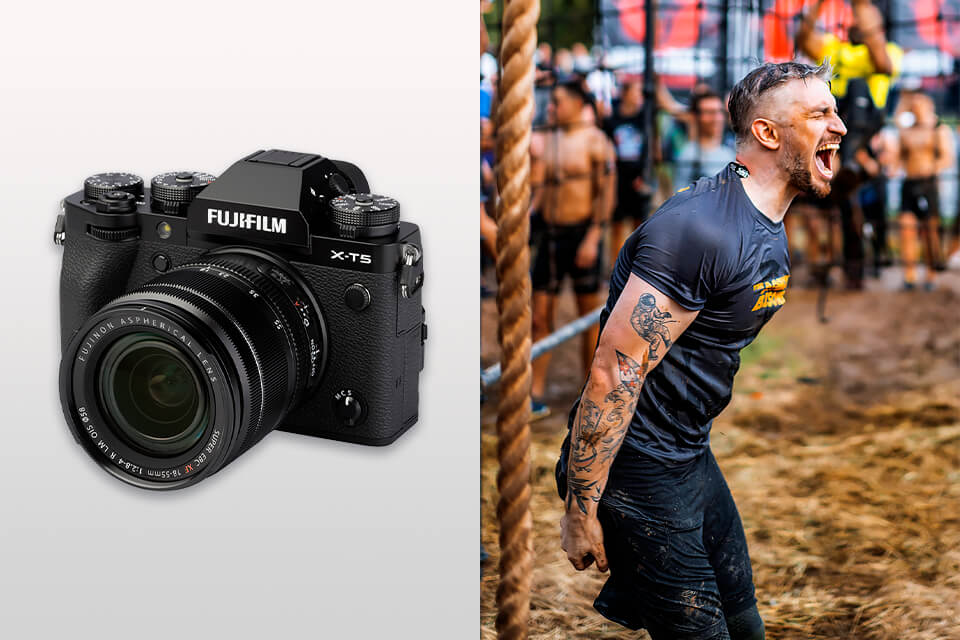
Thanks to the powerful camera and lens stabilization working together, my handheld shots stayed sharp. This was true even when the light dropped in the late afternoon, forcing me to use slower shutter speeds. I especially valued being able to shoot from awkward or unstable positions – this flexibility makes it an ideal camera for sports photography.
“I really like the colors right from the camera – no editing needed! It's light and easy to take anywhere. The dials give it a nice, old-school feel that I enjoy. The focus is quick, good for sports, and the video looks better than I expected!”

The camera's 40MP APS-C X-Trans CMOS 5 HR BSI sensor produced fantastic image quality. Pictures were sharp, detailed, and had gorgeous colors straight out of the camera (thanks to Fuji's famous colors!). This digital camera for photojournalism handled tricky mixed lighting (like stadium shadows and bright sun) really well, and the photos were flexible to edit afterward.
Thanks to its blazing electronic shutter speed (up to 1/180,000 sec), I captured split-second moments perfectly crisp and distortion-free.
Together with Vadym Antypenko, Robin Owens, and Eva Williams, we tested cameras in action: live sports, street scenes, and fast-moving events. Speed, adaptability, and reliability were crucial.
While testing cameras, Vadym checked the technical side: autofocus speed, burst shooting, and how many photos the camera could take quickly during fast action. Robin checked how well the cameras handled tough lighting. He often shot late into the evening to see how high we could set the ISO without losing too much image quality.
Eva, who notices small things and tells stories well, tested how easy the cameras were to use in busy, chaotic places. She checked: how natural the buttons/dials felt, how fast you could change settings, if the wireless connection worked reliably for sending photos while out shooting.
We avoided posed shots. Everything was real-time: athletes finishing races, charged press interactions, and spontaneous street storytelling.
Following every test, we discussed our findings and evaluated how each camera - Canon, Nikon, Sony, Fujifilm, and even the ultra-compact Muayb - handled the demanding, unpredictable situations photojournalists encounter daily.