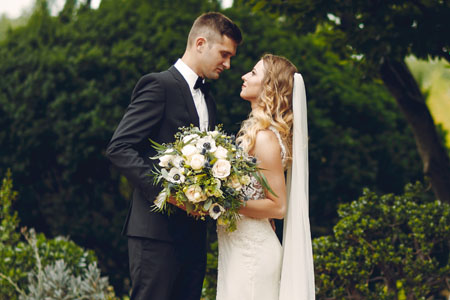
As a wedding photographer who lives and works in Minnesota, I like shooting special moments, but the income isn’t stable, so I have to work hard to find ways to get passive income for photographers.
It depends on the season, as weddings are mostly organized in summer. When it gets cold, my reservations drop significantly, and the off-season feels endless. Passive income significantly alleviates the stress experienced during slower months, allows for reinvestment of capital into my business, and provides an opportunity for relaxation during vacations.
Although not every aspect has been straightforward, I have acquired a wealth of knowledge. I attempted to create photography courses, sold prints, presets, and guides, and conducted workshops. Additionally, I established affiliate links and authored blog posts discussing my preferred equipment and software.
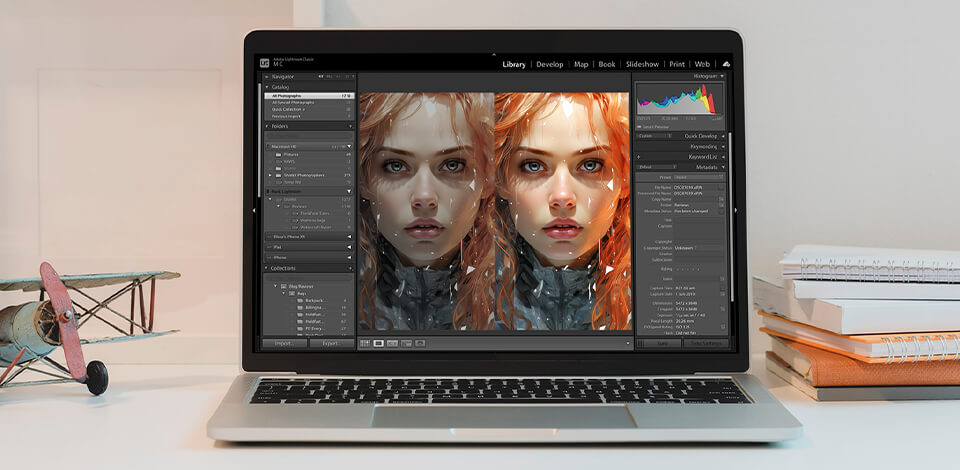
My journey for passive income streams for photographers started when I joined the team behind the Fix The Photo Body Editor&Tune app. At this stage of my professional life, I realized the potential of digital tools, AI, and web platforms to generate revenue without continual active participation. This app combines sophisticated AI technologies with manual refinements from professional retouchers.
As an editor, I guarantee high-quality adjustments to satisfy my client’s requirements. From skin smoothing to more complex edits like reducing forehead size, my task is to balance AI precision with the artistic touch of manual editing.
How does it help passive income? I teamed up with this app for affiliate marketing, so I get cash every time I refer someone. Sharing it on my blog and social media has helped boost my income, too.



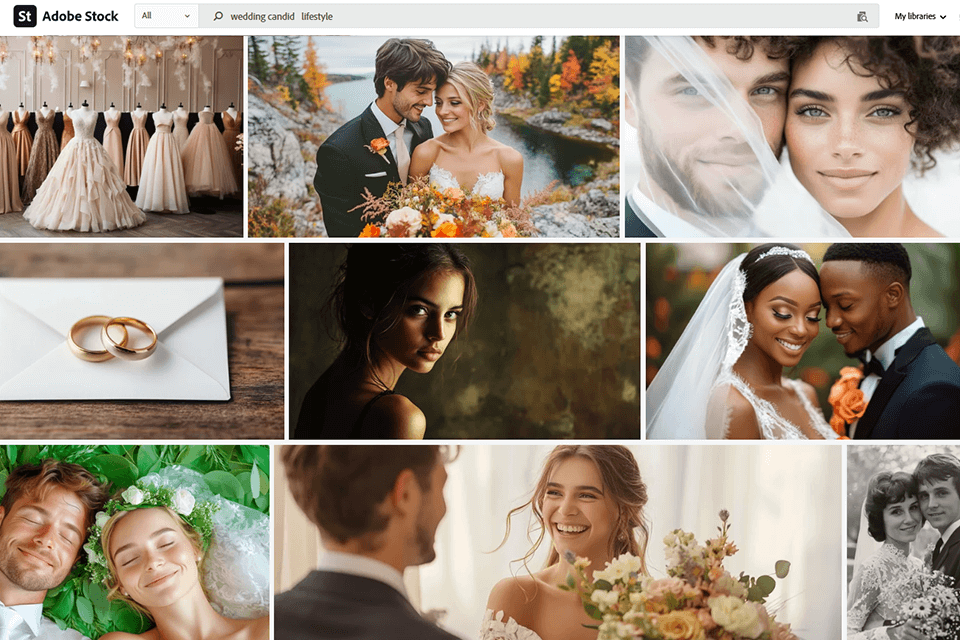
When the number of weddings decreased significantly, I decided to make money with stock photos. I imported my favorite wedding pics and other pics to such platforms as Shutterstock and Adobe Stock. And I noticed that candid and genuine shots are quite popular among buyers.
At first, I only managed to earn a little money – around $50 to $100 a month. But the income was gradually increasing as I uploaded more pics and got more skills at writing keywords to help people find my images. Now with over 1,000 photos on different platforms, I earn about $600 to $1,000 monthly. I noticed that the most popular shot on each site is the first dance of the bride and groom.
Cooperate with as many stock photography sites as possible to boost your reach. I recommend the following platforms:
Pay attention that before it becomes passive income for photographers, you’ll need to spend much time preparing, editing, and uploading images.
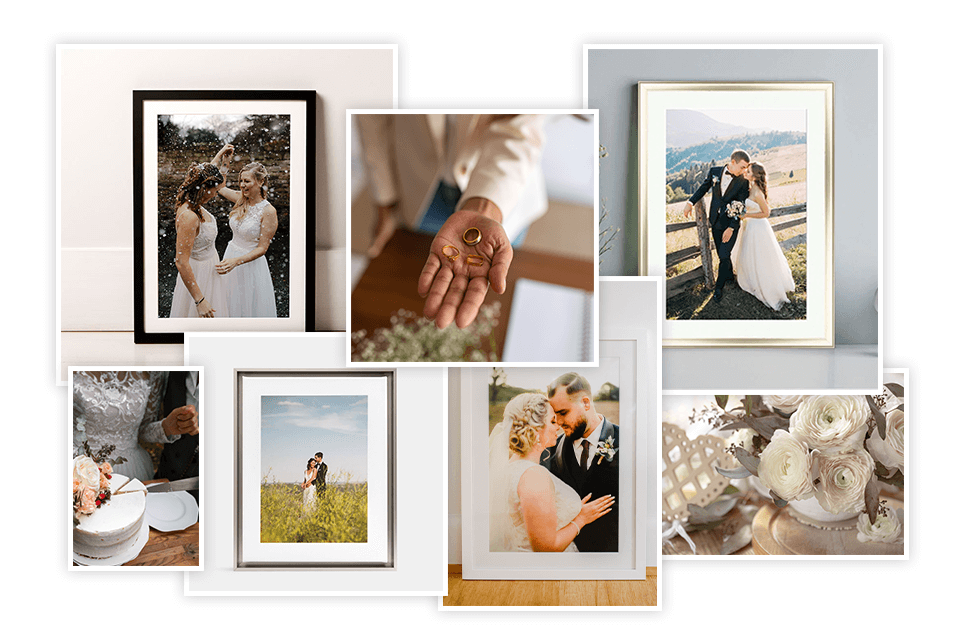
I came up with this passive income idea for photographers, when one of my Instagram followers asked me to purchase a print of one of my photos. To realize this, I researched Etsy and Fine Art America, tested pricing, and experimented with various formats like canvas and framed prints.
By offering a rich variety of materials, I could attract more buyers. Currently, I distribute my photos on such sites as Gelato and Fine Art America. Other decent companies to consider are Redbubble, Zazzle, Society6 as they take care of the production, packaging, and shipping.
Advertising my prints on Instagram was a good decision as my audience was already interested in my photography. So, I managed to create a personal connection and increase sales by sharing behind-the-scenes content. Now, selling prints has become a steady passive income stream, thanks to which I have more time for creating art, while my previous works continue to bring in money.
Pro tip: It is better to offer a limited editing of prints to make them seem exclusive. This can drive demand and let you sell those prints for a higher price.
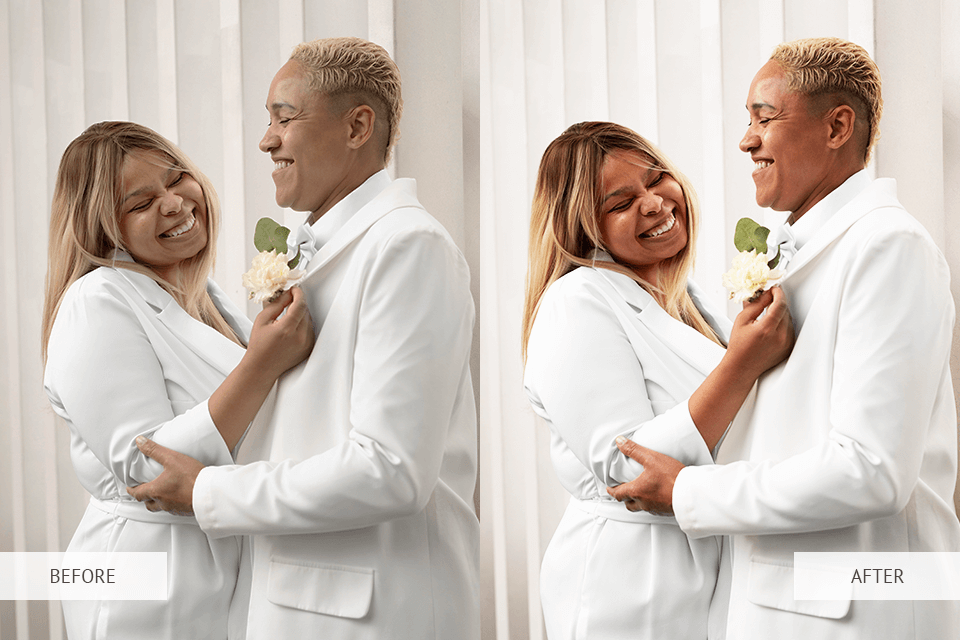
When my career as a photographer had just begun, I bought Lightroom presets to edit my shots easier and faster. They sped up my workflow considerably, so I decided to create my own package since I already developed an original editing style for weddings, engagements, and portraits.
To sell them, I created a simple e-commerce shop and start a photography business with Shopify, to accept payments with ease. Once my small business started to bear fruit, I decided to expand it by offering my items on Etsy and Creative Market.
At first, my income was quite humble and was just several hundred dollars a month. But I generated more preset collections and enhanced my marketing by presenting before-and-after examples on my page, and this boosted my sales considerably.
Pro tip: Once your products have been published on platforms like Etsy or your personal website, automate your sales process. You can also communicate with clients and encourage them to return to your shop through email marketing.
After realizing that many of the tools I used in my workflow, like Adobe Lightroom and Photoshop had affiliate programs, I decided that such a passive income for wedding photographers would be more than beneficial.
When editing wedding photos, I often use Adobe software, so I was already familiar with the products. After joining Adobe’s affiliate program, I started to describe all the pros and cons of their tools in my blog, Instagram posts, and email newsletters

I wrote several publications per week describing the most efficient ways of using Adobe products to edit wedding images, offering tutorials on certain editing techniques, and reviews of new features.
I provided affiliate links in these articles, attracting my readers to Adobe’s website. If someone followed my link and bought a subscription, I got a commission. My income ranged from $100 to $300 per month.
When the wedding season is over, I take on more editing jobs to fill my schedule and stabilize my income stream. When summer comes and more and more couples organize weddings, I begin to devote less time to editing to focus on my photoshoots. The right balance is crucial in this case.
Outsourcing is a lifesaver when things get busy and I cannot cope with the scope of work. On one occasion, I faced consecutive weddings and an extensive workload of editing assignments simultaneously.
To maintain efficiency and ensure that no obligations were neglected, I collaborated with a professional editing team. This is why I partnered a professional editors to meet the deadlines without sacrificing the quality of my job. In such a way, I could make my clients happy and manage my workflow with greater efficiency.
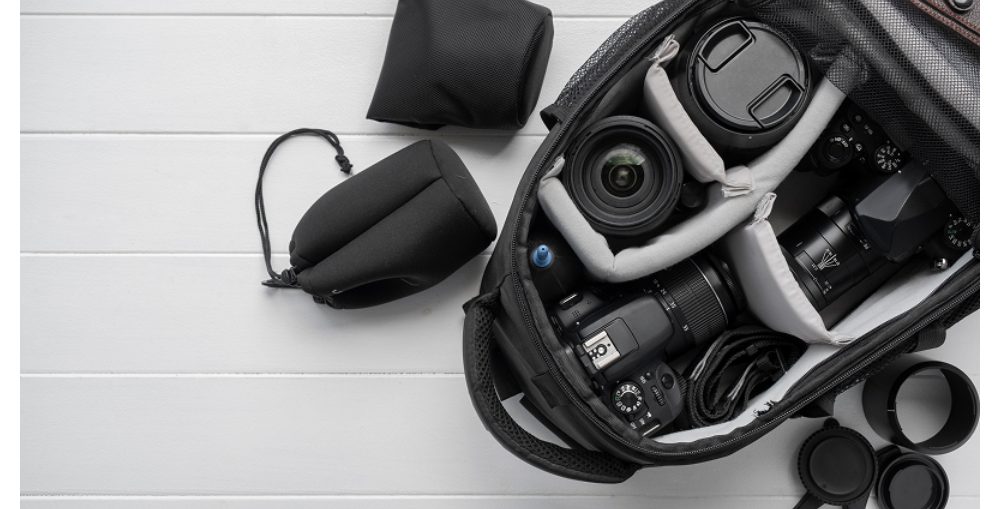
Over the years, I’ve spent much time on high-quality shooting equipment. While some gear is important for my shoots, most of it is stored in my cabinet during the off-season. This is why I decided to lease my equipment on such rental services as Lensrentals and KitSplit, offering high-demand items like lenses and camera bodies.
As a rule, during wedding season or holidays, there is no end to the renters. Depending on the item, I’ve managed to get from $30 to $150 per rental. For example, the rent of a 70-200mm lens earned me $50 per weekend. Thanks to my second camera body, I got $100 per week.
Sharing experience through free online photography courses is a great way to get passive income. I picked Teachable, as it is extremely user-friendly and allows uploading videos, tasks, and other materials hassle-free. Based on my research, Udemy and Skillshare are decent options as well.
My first course delves into pro-level photography techniques like posing, lighting setups for weddings, and Photoshop editing. I also provided extra materials such as worksheets, Photoshop actions, and an individual consultation for students. This passive income idea for photographers worked really well, and the revenue was growing every month.

One of the most frequent inquiries among my Instagram followers is “How to look naturally in front of the camera”. This is why I decided to create a kind of tutorial to help others and earn extra money.
I start selling my posing guide in a simple and printable PDF format. It describes the most flattering poses for couples, brides, grooms, and bridal parties. I provided tips for directing couples and groups in various settings, as well as some pieces of advice to help them feel at ease and behave naturally.
After selling several copies, I asked my clients for testimonials. Once I received their positive feedback, I posted it on my website and Instagram page to prove my expertise and win the trust of potential buyers.
Pro tip: The guides should be clear and actionable. Photographers and models wouldn’t be happy to look through multiple pages in search of the necessary info, as the tutorials should be clear and easy to follow. The ability to download guides in multiple formats would be beneficial as well.
I managed to turn my photography blog into a reliable passive income stream through ads, affiliate links, sponsored posts, and selling such e-products as e-books and presets.
I devoted most time to developing content for novice photographers, clients, and wedding vendors. In these materials, I described my most challenging photoshoots, funny moments I captured, etc. Such personal stories helped me build more intimate relationships with my audience.
Pro tip: Offering a freebie like a mini guide or a free preset in exchange for email addresses will be a smart decision. Use this email to share new blog posts, advertise products, and engage new clients.
Selling works in a unique digital format is one of the most effective ways to get extra money. After investigating platforms like OpenSea, Foundation, and Rarible, I found that my artistic vision and style perfectly match them. I created a collection of high-quality and attractive images and minted them as NFT photography and started selling them.
Setting competitive prices was a smart move to attract first-time buyers. Many NFT platforms pay a percentage (usually 5-10%) to creators from each resale, providing them with a steady income stream.
For example, one of my ring shots sold for $200 initially, and after resale, I got an additional $20 royalty. Over time, as your work becomes more popular, the royalties can grow, generating passive income effortlessly.
Passive income is the revenue obtained from minimal active involvement after the initial effort. By selling photos online, selling prints or wall art, digital products, licensing their work, creating online courses, or monetizing YouTube channels or blogs focused on photography, photographers can earn additional income passively.
If your images are licensed, the businesses, brands, and media outlets will have to purchase the right to use them, ensuring a steady flow of income for photographers. It is possible to license pics directly or benefit from such platforms as Getty Images or 500px for exposure. Make certain the licensing agreements are clear to you and claim rights to your work.
The time you’ll need to start earning passively greatly depends on your initial effort and the method. For example, importing stock photos or selling presets will allow you to get passive income within several weeks, while getting the audience of courses or blogs may take months.
The most frequent mistakes are disregarding market demand (e.g. importing overly niche or poor-quality stock photos), setting too high or low prices, ignoring marketing efforts, and trying to establish multiple passive income streams at once.
Of course, you can try to get extra money selling stock photos, prints, and digital products while running a YouTube channel or blog or offering courses. The amount of revenue greatly depends on the diversity of the income sources.