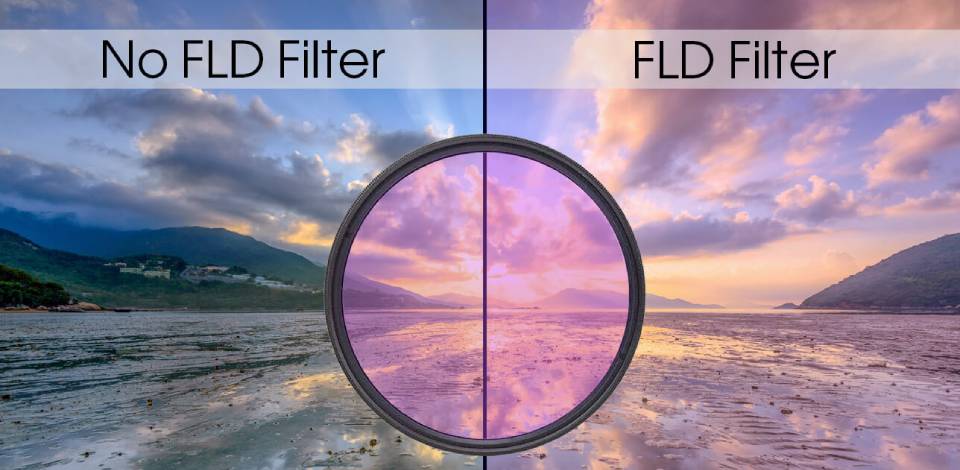
An FLD lens filter was made to help photographers fix color problems when using daylight film under fluorescent lights. Back in the days of film photography, this filter was super helpful for taking indoor photos because it made the colors look more natural. Even though we mostly use digital cameras now, some photographers still like using the FLD lens filter.
I work at FixThePhoto and have used lots of different filters. The FLD filter caught my attention because it’s both useful and fun to experiment with. In this article, I’ll explain what an FLD filter does, how it works, and whether it’s still a good idea to use one with today’s cameras.
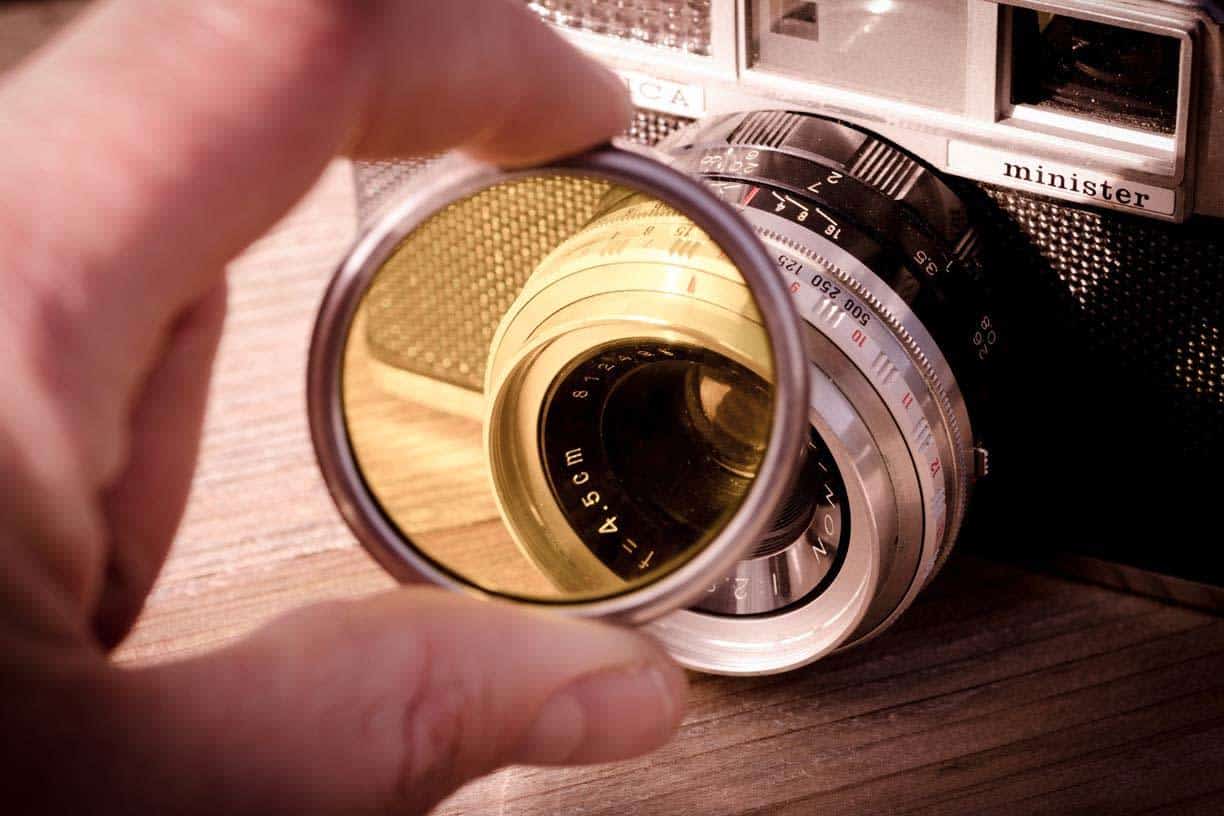
FLD stands for Fluorescent Light Daylight. This filter was made to fix the strange colors that happened when people used daylight film under fluorescent lights.
Fluorescent lights give off a greenish color, and daylight film wasn’t made to handle that. So, pictures often looked weird with a green tint, and it was hard to fix in the era of film photography.
The FLD lens filter adds a little bit of magenta to cancel out the green color. This helped make photos look more natural, especially for indoor photos taken under office or industrial lights.
I remember trying it once with old Fujifilm film when shooting inside, and it made a small but clear difference, especially in how skin tone looked. Back then, using this filter wasn’t about making creative choices; it was necessary to get good colors.
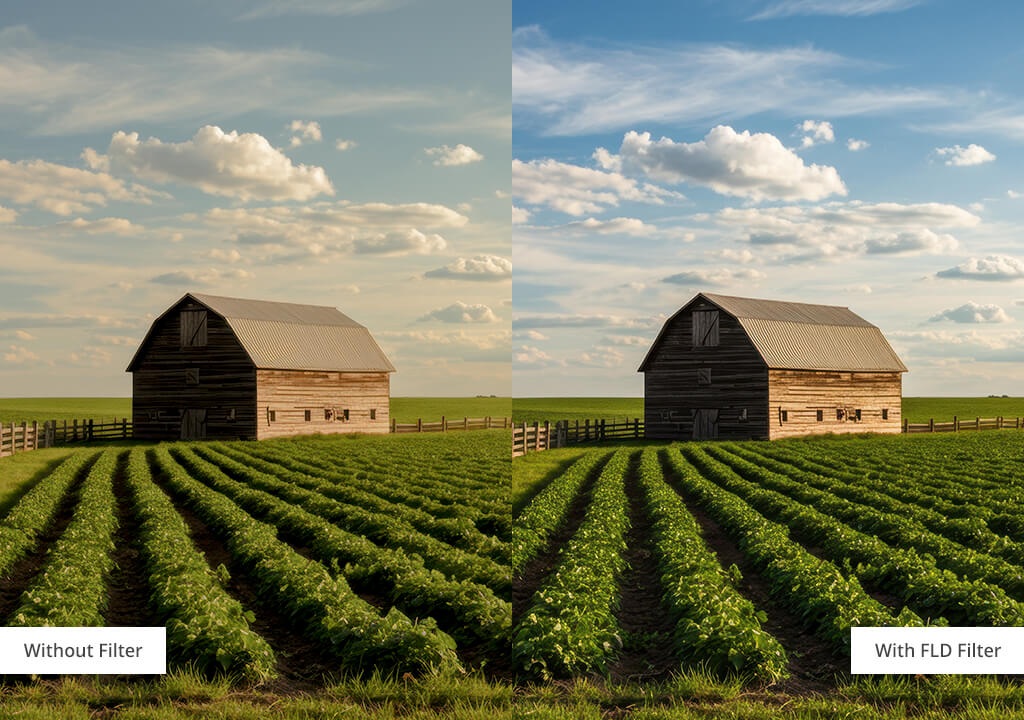
Nowadays, some photographers use the FLD filter differently. Instead of fixing colors, they use it to add color effects on purpose. Fashion photographers and people who like to try new styles use the FLD filter lens to give photos a special look.
The magenta color can make pictures feel old-fashioned, which works well for portraits. I’ve even seen FLD filters used in music videos and magazine photos to copy the look of vintage TV lighting.
I don’t think this new way of using the FLD filter is just a trend that will go away soon. Today, since people can change colors easily using Lightroom or Photoshop, using a real filter on the camera makes the photo process more unpredictable.
Many artists like this because it helps them create unique pictures. This is a great reminder that some of the best photos happen when we don’t rely only on editing but let the tools we use shape the final image.
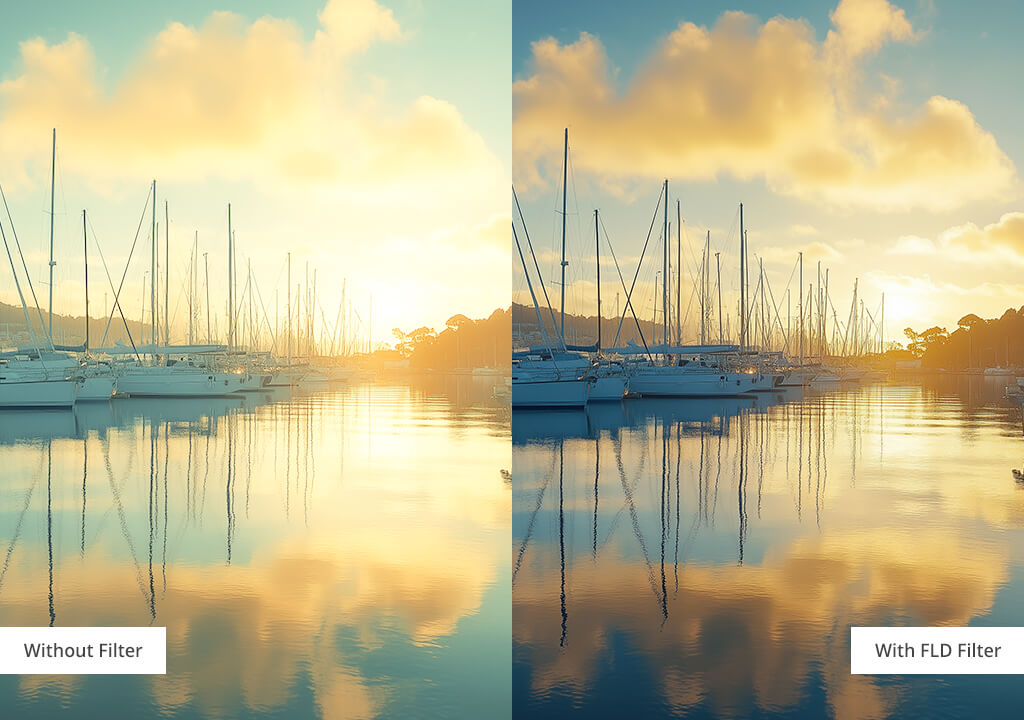
Digital cameras have strong white balance controls, and you can also adjust the white balance in Photoshop after the shoot if needed. However, the FLD filter lens is still useful sometimes. It can help a lot, especially if you’re shooting on film or like to experiment with colors.
Shooting film under fluorescent lights. If you use daylight film indoors with fluorescent lights, the FLD filter is one of the easiest ways to fix the green color right on the camera. Film doesn’t let you change the white balance after you take a picture, unlike digital photos.
So, having the right filter on your lens can save your photos. I’ve lost a few rolls of film because of bad indoor lighting, and an FLD lens filter would have fixed that.
Creative effects in digital photography. Some photographers use FLD filters on digital cameras to add a little magenta color or to soften the green tones. This works well for urban photos taken at night or for unique portrait styles. I used an FLD filter during a city shoot at sunset, and it gave the photos a soft, old-fashioned feeling that would have been harder to achieve with editing later.
Certain lighting situations. Even today, some fluorescent lights (especially older tube lights) can make colors look bizarre. If you’re shooting in a place with these lights and want a quick and steady color fix (especially on a film set or if you don’t want to spend time editing later), an FLD filter can help. It’s small and light, so I suggest keeping one in your camera bag just in case.
Today’s digital cameras have white balance settings that mostly take the place of old color-correcting filters like the FLD lens filter. You can change the color temperature by hand, pick from different presets, or let the camera adjust it automatically to fix the color when you’re under fluorescent lights.
Usually, this works pretty well – especially if you’re shooting in RAW format and plan to adjust the colors later on your computer.
But sometimes, using a physical filter like an FLD still helps. One good thing about the FLD filter is that it fixes the colors right away when you take the picture. This can save time later if you’re shooting in JPEG or need to work fast.
I’ve noticed that some old fluorescent lights still confuse even expensive cameras, making skin tones look strange, no matter how you set the white balance. In those cases, putting on an FLD lens filter can fix the problem quickly.
From what I’ve seen, this is more important for film photographers, since they can’t change the colors after the photo is taken, like you can with digital.
When I shoot with 35mm film under unpredictable light, I bring an FLD filter just in case. It’s not because I can’t fix the colors later, but because I want the colors to be as correct as possible right when I take the picture. For digital photography, I mostly use the FLD lens filter for creative shoots.
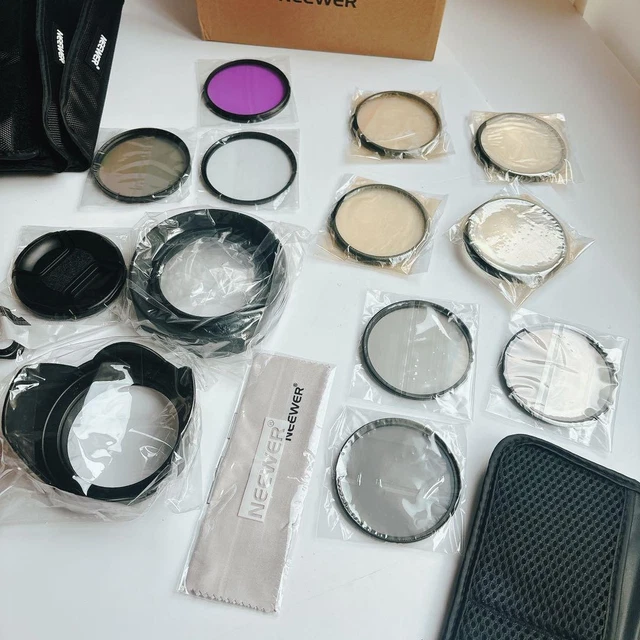
The FLD filter used to be a common tool for fixing strange colors caused by fluorescent lights. But now, there are other ways to do this, depending on how you take photos.
If you’re using film, there are special CC (Color Compensating) filters that can help adjust specific color tones. These are useful under all kinds of artificial lights, not just fluorescent ones. They’re often used in studios or more professional film setups.
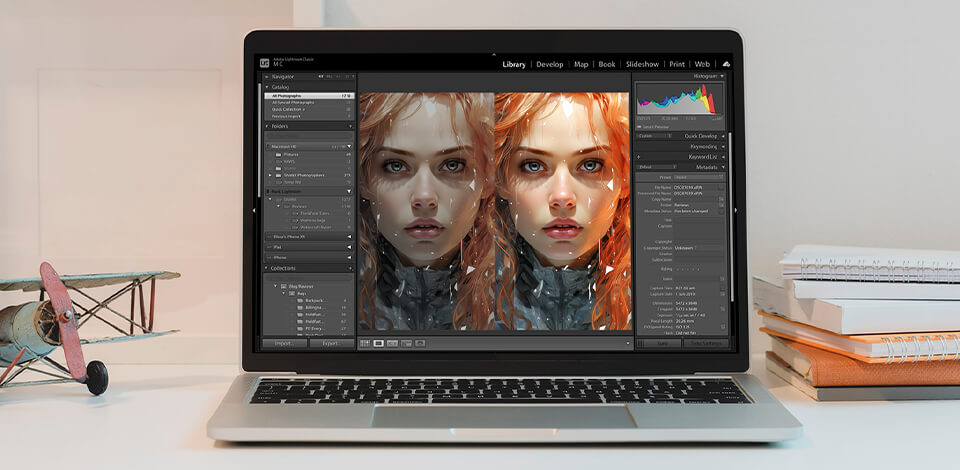
For digital photography, most people use white balance settings or photo editing software instead. Lightroom or Capture One are great software that let you fix color problems more precisely than any filter. You can even fix colors in only certain parts of the picture instead of the whole photo. I prefer editing, especially when there are many different types of lighting in one scene.
Some people confuse FLD lens filters with other types, like ND filters or polarizers. But those do different jobs. Neutral Density filter makes the picture darker for long exposures, and polarizers handle reflections and contrast.
If you’re using filters for creative purposes instead of fixing color, you might want to explore tinted and gradient filters that give you more control over how the photo looks. These can do more than an FLD filter when it comes to style and mood.
Yes. The FLD lens filter will be especially useful if your video camera doesn’t let you change white balance settings much, or if you’re using older equipment. An FLD filter helps fix greenish colors or flickering that’s hard to edit out later. I once used one on an old MiniDV camcorder, and the skin tones looked way better right away.
Putting several filters on your lens at once (like FLD + UV or ND) can sometimes hurt your image quality. You might see reflections, lower sharpness, or dark edges around the photo. This is more common with wide-angle lenses. I recommend using good-quality filters and always testing the setup before important shoots.
You can get close. If you move the tint toward magenta and make the photo a bit cooler, it can look similar to an FLD filter. But the exact look is hard to match. That’s why some people still prefer the real filter: it’s quicker and more consistent.
Many newer fluorescent lights (especially LEDs) emit more balanced colors. But old types of lights, which you still find in schools and some offices, can still cause green tones in your photos. I always check the lighting before a film shoot to decide if I should bring the FLD filter.
On most modern cameras, no. The filter is lightly colored and doesn’t block much light, so your camera should still focus and measure light correctly. In darker places, it might change the exposure just a little, but I’ve never had focus issues with it, even on older DSLRs.