When I was just starting as a wedding photographer, I didn’t think much about ethics in photography. During one wedding, I took a picture of a special moment between the bride and her father, who she hadn’t spoken to in a long time. Later, she asked me not to share that photo. That moment taught me something important: even if you mean well, taking or sharing a photo can hurt someone’s feelings.
Today, with photo editing being so easy and pictures being shared everywhere, it’s important to be careful and respectful. I believe photography isn’t just about snapping pictures; it’s about telling stories in a kind and honest way.
As part of the FixThePhoto team, full of photographers and retouchers, I’ve seen how much pictures can affect people and society. In a time when we see images everywhere and they can be changed with just a few clicks, following ethical principles and being respectful with our work matters more than ever.
Ethics in Photography: Exist or Not?

Ethics in photography means knowing the difference between right and wrong when capturing and sharing photos. It’s about using good judgment and thinking about how your photos affect others. What people think is okay or not is subjective and depends on their background and culture.
Nowadays, with digital cameras and editing software being popular and user-friendly, it’s easy to change photos. Editing is common, but changing a picture too much to trick people or show something that didn’t happen can damage trust.
Today’s photographers need to think carefully about photography ethics and make sure their pictures stay authentic, even if they want them to look creative or captivating.
Implementing ethical practices:
- Informed consent. If you want to take someone’s photo, especially in personal or emotional situations, you should always ask first.
- Transparency. Let people know how much you’ve changed or edited your photos.
- Show respect. Don’t share photos that could make someone feel bad or embarrassed.
- Cultural sensitivity. If you’re taking pictures in a place with different cultural norms, be careful and respectful of what is okay and what isn’t.
- Keep learning. Ethics in photography can change, so it’s important to stay up to date about what’s right.
I picked these basic ideas to follow, no matter what kind of photography you do. Ethical considerations in photography can be different depending on the photo’s purpose, but that doesn’t mean we ignore the law.
The law often says it’s okay to take pictures in public, but being ethical means going beyond the rules. Photographers should be extra careful when photographing vulnerable people, in private moments, or dealing with sensitive topics. Here are some legal ideas that help guide ethical photography:
- First Amendment protections. You have the right to express yourself, but that doesn’t mean it’s always kind or respectful to do so.
- State-specific right of publicity laws. In some places, you need a model release before you use an individual’s photo for certain things.
- Privacy laws. Even in public, people might have a “reasonable expectation of privacy”. For example, taking a photo through someone’s window is both illegal and unethical.
- Defamation and false light laws. You should never change or label a photo in a way that falsely makes someone look bad or shows something that isn’t true.
Examples of Ethical Issues in Photography
In every type of photography, I often run into moments where I need to think carefully, not just act fast. These moments need more than just snapping a picture; they need good judgment, empathy, and a sense of responsibility.
Whether I’m asking someone if I can take their photo, being open about how much I edited a picture, or choosing not to share a powerful image because it might hurt someone’s feelings, the choices I make say more about who I am than any expensive camera ever could.
At the same time, laws also help guide what’s right and wrong in photography. Here are some ethics in photography examples I’ve dealt with, and how I handled them in a way that was both responsible and aligned with laws.
Informed consent vs. public access and space rights. It’s legal to take photos of people in public without asking in many places. That’s part of the freedom of speech protected by the First Amendment except in cases where there is an expectation of privacy.
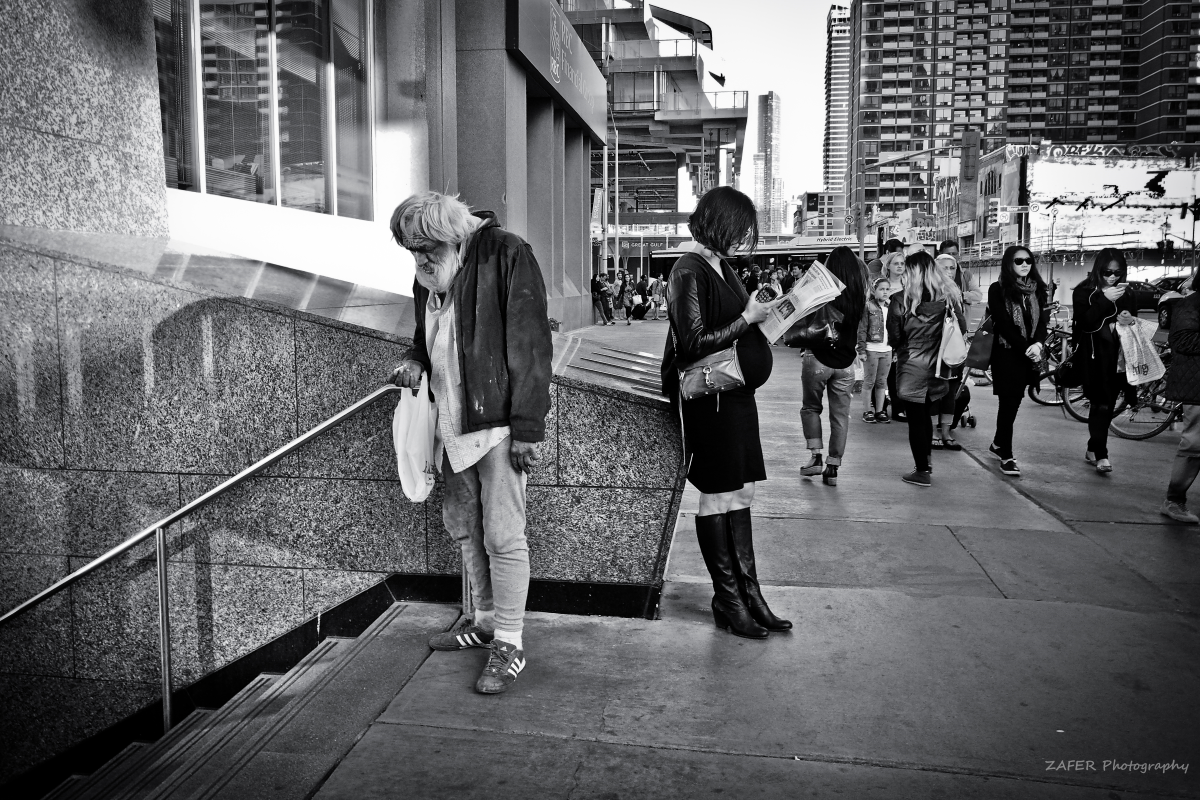
But just because it’s allowed doesn’t always mean it’s an ethical thing to do, especially when taking photos of people going through tough times, like trauma, homelessness, or pain.
My rule is to ask for permission if the person is clearly the main subject of the photo, especially if they seem vulnerable, like kids, older people, or people living on the street. Even though I don’t have to ask by law, doing so shows kindness and respect. It helps keep their trust and dignity.
Misrepresentation through cropping or context. Sometimes, changing the way a photo is cropped or adding a caption can give the wrong idea about what’s happening in the image. This can be a serious problem, especially in news or documentary photography.
Historical fact: When Hurricane Katrina happened, lots of photos focused only on stealing and chaos. These pictures didn’t show the full story, like how many people helped each other and stayed strong through it all.
I make sure my photos and captions show the full picture. I don’t allow editing or writing that changes the truth. When reviewing work, I often ask, “Is this showing the truth?” I try to share all sides of the story, not just the sad or dramatic parts.
Unrespecting privacy in semi-public spaces. This is the reason for ethical issues in medical photography: places like hospitals, shelters, schools, or churches may be open to the public, but they still come with stricter rules about privacy.
When I take photos in hospitals or other medical places, I follow HIPAA or the Health Insurance Portability and Accountability Act. This law helps protect patients’ privacy. I suggest talking to the hospital or organization first to make sure I have permission to take photos and know what rules I have to follow.
Harming your subjects by sharing their photo is an ethical issue in documentary and medical photography. Even if a person gives you consent, things like their face, a tattoo, or a scar might still make them easy to recognize.
That is a violation of HIPAA’s Privacy rules, especially if the photo is shared online. The same goes for pictures of refugees, activists, or survivors. In conflict zones, showing someone’s face can even put their life in danger.
I always think ahead: could sharing this photo put someone in danger? If the answer is yes, I blur or hide their face or don’t publish the photo at all. I’ve learned how to cover people’s identities using editing tools, cropping, or masking. I also make sure the photo’s metadata is removed before I share it using a metadata editor.
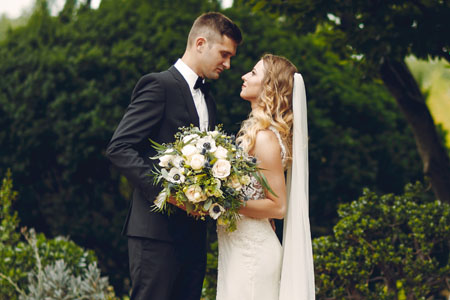
Some ethical issues in wedding photography could be due to a lack of informed consent for the use of images when couples don’t know their wedding pictures might be posted on the photographer’s website or social media.
In the U.S., the law says photographers can’t use photos of people in ads or promotions without consent for commercial purposes. The Federal Trade Commission (FTC) also says that everything shown in advertising must be truthful, and that includes how photographers show off their work.
Always make sure the contract explains exactly how the pictures might be used. In states like California and New York, people have strong rights to control how their image is used. So, I always ask for clear written permission before posting or using any photo where someone can be recognized.
Commercial use without model release and misuse of images a common fashion photography ethical issue. Even though it’s legal to take photos of people in public, using those photos for ads or products without their permission can lead to lawsuits.
Some models find their photos used in ways they didn’t agree to, like in ads they didn’t approve, photos edited to look “sexy,” or even in political campaigns.
In the U.S., people have a legal right to control how their photo is used (called the “Right of Publicity”). That means I never use a photo for an ad, a product, or a brand without getting a signed model release first.
I make sure every model knows exactly how their image will be used, and it’s all written down. I treat fashion photos with the same care as news or documentary photos. Using pictures in news or art is usually okay, but if I take the photos for commercial use, I get the proper permission.
When & How to Ask for Consent to Get It
Even though it’s legal to take pictures of people in public places, being a respectful photographer means thinking about how those people might feel. For example, when taking photos of people who are struggling, like those without homes (especially in city or urban photography, it’s important to be thoughtful.
You don’t always need written permission unless you’re using the photo for business or advertising. However, getting clear verbal consent and explaining how the photo will be used is still very important. Here are some common photography ethical problems I’ve seen and how I suggest dealing with them:
Photographing children. Kids often make great photo subjects because their emotions show clearly on camera. But they’re also more protected by laws and deserve extra care. Even if it’s legal to photograph a child in a public place, sharing or selling that photo without a parent’s permission can cause legal problems.
Always ask a parent or guardian for permission when the child is the main subject of the photo. Even if the law doesn’t always require it, I believe it’s the right thing to do. If the photo will be used publicly or for something like advertising, I make sure a parent signs a model release form that clearly says it’s okay.
Exploiting sensitive moments. Taking pictures of someone who is crying, scared, or going through a hard time might be legal, but it can also be hurtful. Some street photographers have been criticized for sharing sad or personal moments without asking.
I follow a simple rule: “Would I feel okay if that were me in the photo?” If the answer is no, then I either ask the person for permission or don’t share the photo at all. I believe photographers should care about how others feel, not just about getting a powerful shot.
Guest privacy violations. Sometimes at weddings, guests don’t want their picture taken or shared online. They might be caught during private or emotional moments, like crying or arguing, that they wouldn’t want others to see.
I always try to be discreet when taking candid photos in wedding photography. After the wedding, I go through the photos with the couple. If there are pictures that seem too personal or awkward, I give them the chance to remove those before anything is posted or shared.
Informed consent. Taking pictures of people in hospitals or during medical treatments must be done with great respect. Patients might be under anesthesia, in surgery, or recovering. There have been legal cases where photos were shared in books or classes without asking the patients first. This breaks privacy laws and HIPAA.
Ask for written permission using simple and clear language that explains exactly where the photo might appear (in a class, in a book, online, etc.). Verbal permission isn’t enough in these cases; written consent is required by law to protect the patient’s privacy.
Non-Compliance with Ethics Consequences
Breaking the rules of ethics in photography can lead to legal issues. In the U.S., there are several important laws that protect people’s rights and explain what photographers can and can’t do, such as the First Amendment, Defamation, False Light, and state-specific rights of Publicity and Privacy Laws.
The First Amendment protects free speech and freedom of the press, which includes photography. That means you usually have the right to take photos in public or for artistic or news purposes. However, that protection has limits. For example, if you use a street photo in an ad that makes it look like the person in the picture is a criminal, you could get sued.
Legal consequence: You can’t use the First Amendment protection if the photo lies about someone or hurts their reputation. It doesn’t protect you if your image causes harm, breaks privacy laws, or is used in a rude or inappropriate way.
Defamation (or libel for photos) happens when a photo is shared in a way that wrongly harms someone’s reputation. This can happen if a picture is used with a false or misleading caption. For example, showing someone in a photo and writing that they’re engaged in criminal activity when it’s not true.
Legal consequence: The person in the photo can sue. You might have to pay for the damage you caused to their reputation, and you could also be required to remove or correct the photo.
False light means showing someone in a misleading or offensive way, even if you don’t say anything that’s exactly false. For example, using someone’s photo in an article about drug addiction, abuse, or political extremism, even though they’re not involved in any of that.
Legal consequence: The person can take legal action for invasion of privacy. You might have to pay damages and take down the image, just like with defamation.
Right of publicity is the law that lets people control how their name, face, or voice is used for business purposes. Some states, like California, New York, Indiana, and Tennessee, have strong versions of this law. If you use someone’s photo in an ad or for selling something without permission, they can sue.
Legal consequence: civil lawsuits where you might have to pay a fine, give back the money you earned, stop using the image, or lose your rights to use it in the future.
Invasion of privacy includes taking images in private places like homes or hospital rooms. There are four main types of privacy violations:
- Intrusion upon seclusion. Taking someone’s photo in a private space without consent.
- Public disclosure of private facts. Sharing personal information that isn’t anyone else’s business.
- Misappropriation of name or likeness. Similar to the right of publicity.
- False light. As above.
Legal consequence: depending on the state, you could face a lawsuit, be ordered by a judge to stop sharing the image, have to pay penalties and damages, criminal penalties (rare), loss of license, or DMCA.
How to Stay Compliant: My Expert Tips
As someone who works with a team of professional photographers who take pictures for many different purposes, like studio work, documentaries, street scenes, weddings, and product photography, I’ve learned that being good with a camera isn’t enough.
The most meaningful photos come from being responsible. Ethics in photography are like the rules that give the images their heart. They help make sure we respect the people we photograph and the people who look at our photos.
With AI editing, fake news, and photos going viral online, it’s our honesty that makes us stand out. Ethics in photography doesn’t stop creativity- it actually helps us do better work and keeps people’s trust. We have special power: to show the truth, shape how people see the world, and document history. Let’s use that power wisely by being honest and respectful.
1. Keep Clear Intent and Context
Documentary photography is not just about taking a good picture; it’s also about doing the right thing. Documentary photographers don’t just watch things happen- they help explain them. But they must never fake or change events to create a stronger story. Their job is to tell the full truth and show respect for the people in their pictures.
Famous case: In 1982, National Geographic moved the pyramids closer together on a magazine cover to fit the layout. People lost trust in them after that for years. You can fix color or brightness in a photo, but don’t change the story. Big news outlets like Reuters and The New York Times ban edited photos in their news stories.
Untruthful representation, like cutting something out, adding something in, or cropping the image to hide something, can confuse and trick the viewer. It breaks audience trust and breaches journalistic and photography ethics. Ethical photographers show the full picture, not just one side.
This is what I often tell beginner photographers:
Don’t use random or stock photos in ways that could give the wrong idea or hurt someone’s image.
Follow the rules from NPPA or the National Press Photographers Association Code of Ethics. You can adjust things like brightness or contrast for clarity, but never change a photo to mislead people.
Don’t crop, edit, or describe a photo in a way that hides what happened. Don’t pose or set up scenes unless you clearly say it was staged.
Be clear about the situation in the photo. Don’t only show chaos or sadness, but also show strength, hope, and full stories. If you change something or direct a scene, disclose it.
2. Get Written Model Releases
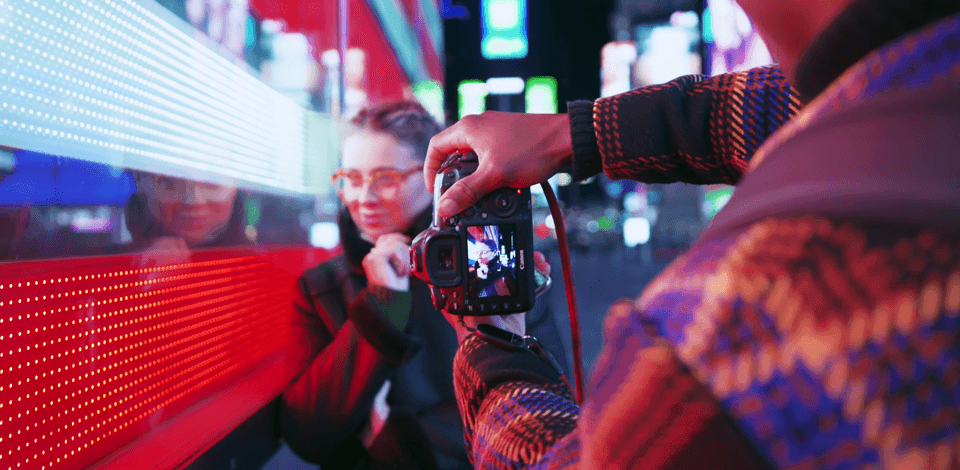
Street photography shows natural moments and is full of surprises, which is why people love it, but it also brings up photography ethics questions. Taking pictures of people in public is allowed, but you still need to think about how your photo might affect them. Being creative is great, but you also need to treat people with respect.
Using a photo in ads, on a website, or in a brochure without asking can lead to lawsuits. A thoughtful street photographer should always ask: “Am I sharing this person’s story, or just taking something from them?”:
Always get a signed model release form if you’re using photos of people in ads, websites, or branded content. Learn about your state’s Right of Publicity laws.
If the photo is for teaching or learning, that’s different from advertising. Make this clear in your contracts and get a separate permission form if the photo will be used for promotional projects.
Be careful in places like hospitals, shelters, schools, and religious places. These aren’t private homes, but people still expect privacy there. Always follow the rules of the place you’re photographing. You’re allowed to take pictures in public, but not everywhere is the same.
3. Be Cautious with Heavily Edited Images
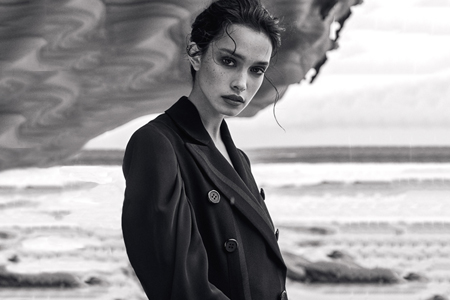
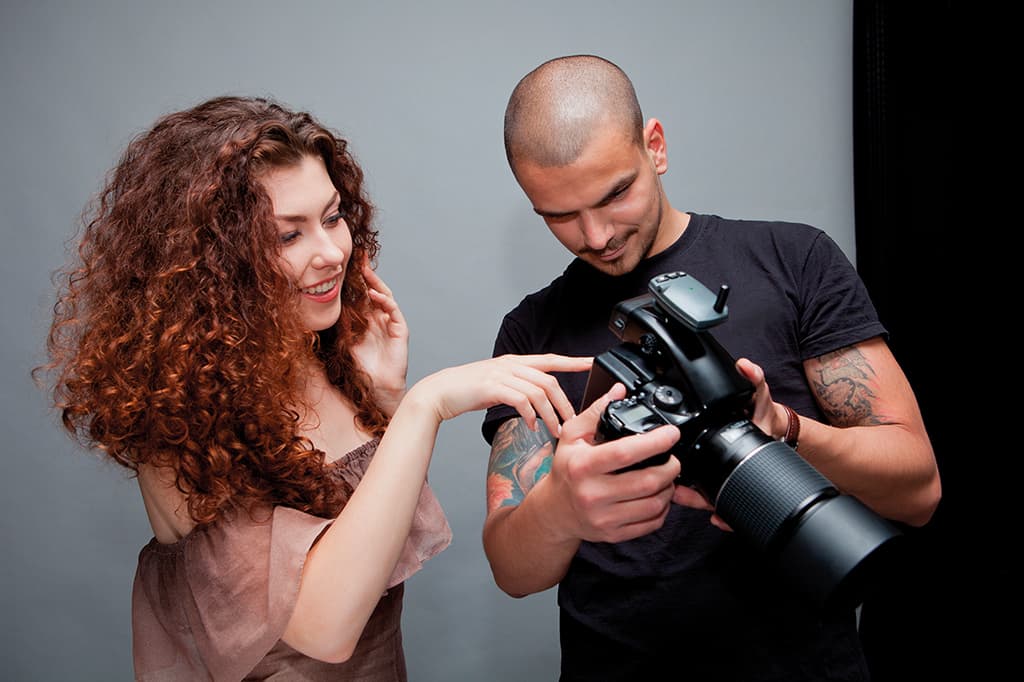
Fashion photography does more than just sell clothes: it helps shape what people think is beautiful, normal, or desirable. It influences how we see ourselves and others. Because of this, fashion photographers have a lot of power. The choices they make can affect not only the models in the photos but also the people who see them.
Even though fashion doesn’t have as many strict rules as journalism does, fashion photographers and editors still have a moral responsibility. They should be careful and fair when it comes to body image, diversity, consent, and photo editing.
Legal context: In some states, misleading photo editing in ads can lead to legal trouble. France and Israel have “Photoshopping Laws,” and debates about such laws are ongoing.
Over-editing images, like changing body shape, facial features, or adding unrealistic Photoshop filters, can create impossible beauty standards and hurt people’s self-esteem.
Looking for Ethical Photo Retouching?
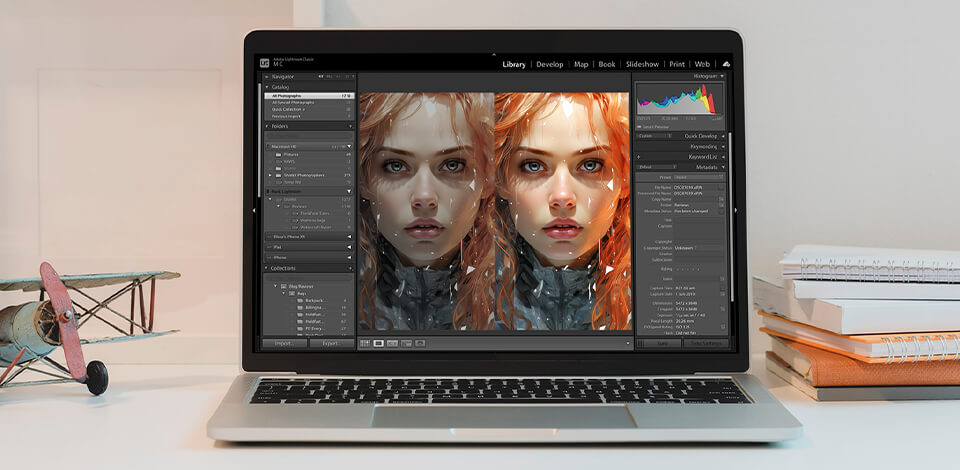
Real memories should be edited with care, not changed to look fake. The FixThePhoto team focuses on respectful corrections that keep your true look. Our professionals can make small changes like fixing lighting or cleaning up the background, always with your permission and keeping your style in mind.
Ethical fashion photographer promotes diversity, body positivity, and environmental responsibility:
Be honest – small edits like fixing lighting or removing small blemishes are okay.
Don’t use heavy filters or AI tools that make people look fake. Keep it natural to honor the model’s look.
If you make big changes to someone’s body in a photo that will be used in ads or promotions, you should disclose that.
4. Do Not Neglect Cultural or Religious Sensitivities
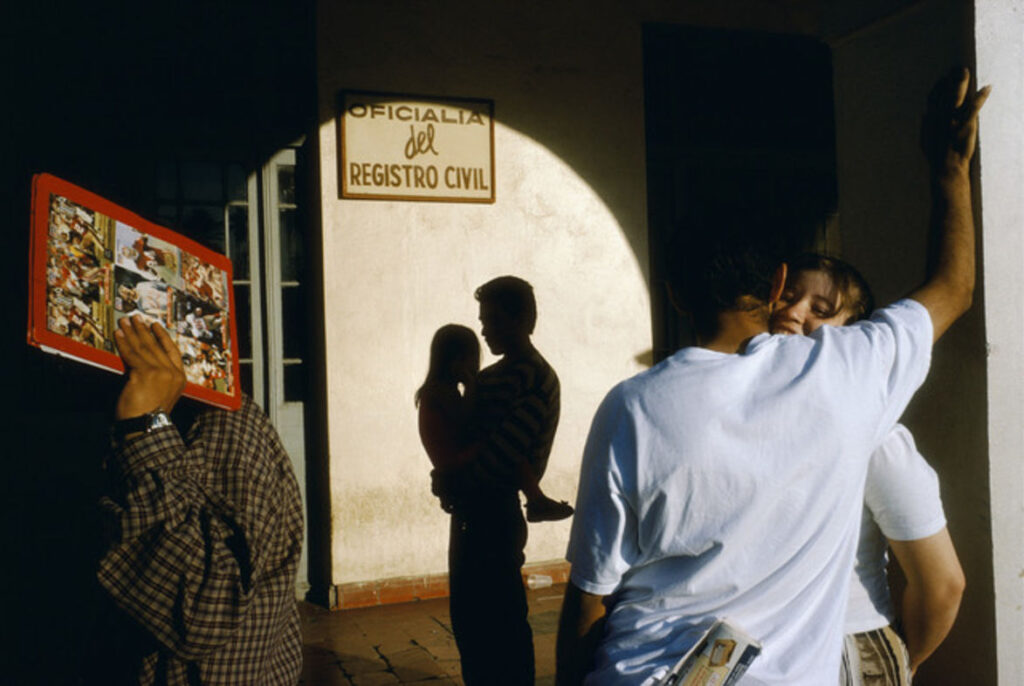
In wedding photography, things move quickly, and emotions are high. It’s easy for photographers to forget about ethical rules when they’re trying to keep up with the events. However, not paying attention to people’s cultural or religious traditions can cause serious problems.
Not following rules about photographing certain ceremonies or ignoring cultural traditions can deeply offend people and lead to strong negative reactions from the community. Taking photos of a cultural outfit or symbol without understanding what it means can make people upset or offended, too. Some photographers have even been boycotted or criticized online for being disrespectful.
Even though the main job of a wedding photographer is to capture special moments, they also have a bigger job: to do it in a respectful and careful way.
If you don’t know the culture well, work with someone who does or ask for advice before the wedding.
Check in writing if there are any photo rules (like parts of the ceremony where pictures aren’t allowed).
Even better, work with creators from the culture you’re photographing, and don’t forget to give them credit








![App to Remove Flyaway Hair Online [FREE]](http://fixthephoto.com/blog/images/gallery/news_main__preview_27699.png)