CyberLink has released PowerDVD 16, and it now does more than just play videos: it's made to be a full entertainment center. You can watch ultra-HD 4K videos, cast movies to your devices, and enjoy better picture and sound with its upgraded TrueTheater technology. Whether you're using a computer, TV, or phone, PowerDVD 16 helps you enjoy movies and shows in a smoother and more fun way.
As part of the FixThePhoto team, I got to test PowerDVD 16 along with my coworker Ann. We tried it using different types of videos: high-bitrate files, Blu-ray movie backups, and streaming videos from our shared media folder. We wanted to see if PowerDVD 16 could play today's video formats without problems and whether its special TrueTheater features made videos look and sound better.
Before this, I used PowerDVD 12 for a long time. It worked okay, but it had some problems. It didn't support every file type, the controls were hard to use, and it didn't play Ultra HD videos smoothly. Streaming videos from home servers was also sometimes unreliable. Plus, the layout didn't change well to fit different screen sizes, which made it harder to use for work meetings or client presentations.
|
File name:
|
powerdvd_16_windows (cyberlink.com)
|
|
File size:
|
17.1MB
|
|
File name:
|
powerdvd_16_mac (cyberlink.com)
|
|
File size:
|
18.3MB
|
|
File name:
|
powerdvd_16_linux (cyberlink.com)
|
|
File size:
|
17.8MB
|
|
File name:
|
powerdvd_16_apple_tv (cyberlink.com)
|
|
File size:
|
19MB
|
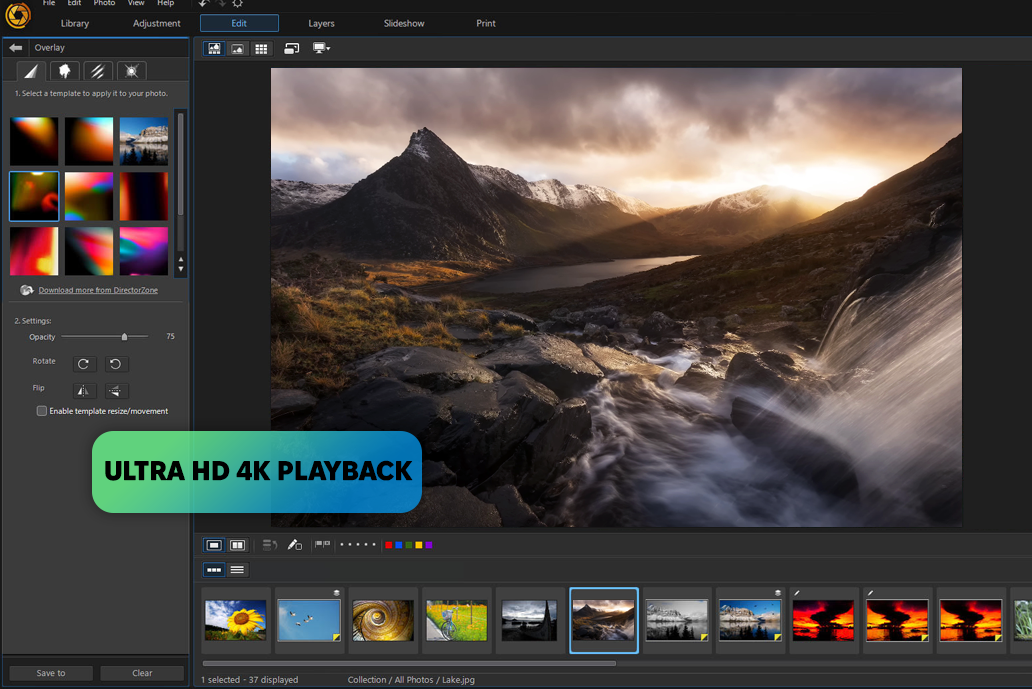
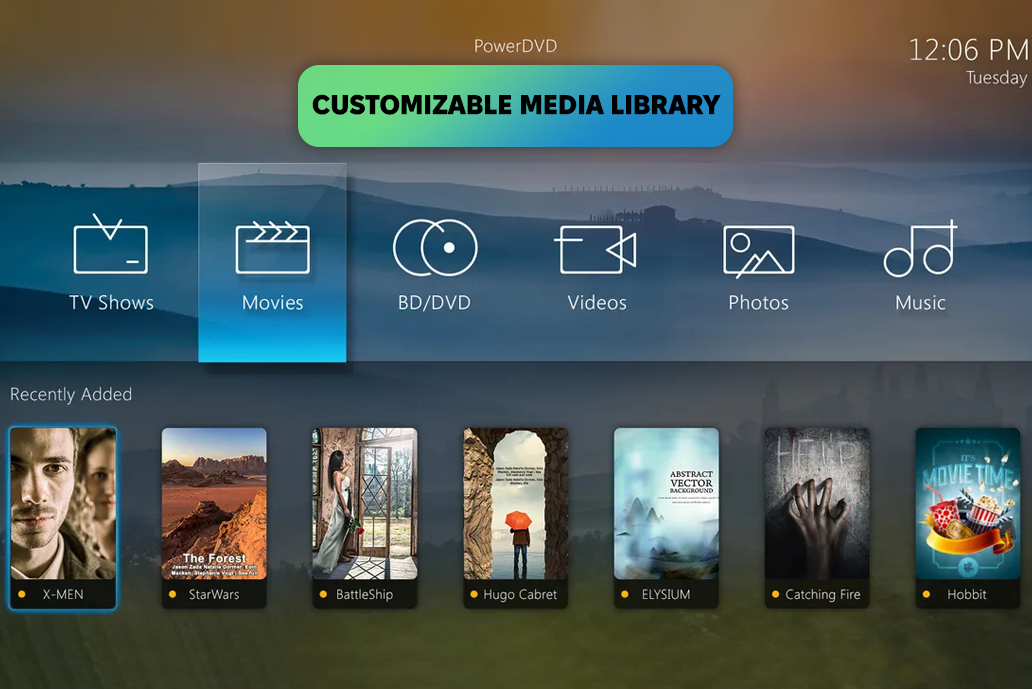
After thoroughly testing PowerDVD 16, one thing I would love to see improved is the interface customization. While I was able to adjust some elements, there are still too many small icons and nested menus that slow me down when I’m in a hurry. A simplified “quick access” mode with only the most frequently used tools would make navigation much faster.
Another area that could use a bit of work is the update process. I had a few instances where the download and installation took longer than expected, and one patch even triggered the “Incompatible graphics driver” error message before I could relaunch the program. If the updates were smaller and installed silently in the background, it would be far less disruptive to my workflow.
Lastly, I would appreciate if future versions of PowerDVD had more cloud integration options. While I enjoyed the multi-device syncing, I still had to manually transfer some files from Dropbox and Google Drive. Being able to connect these services directly inside the media library would save me valuable time, especially when working on projects with teammates.
Before I chose PowerDVD, I tried out some PowerDVD alternatives to see if they were better. VLC Media Player was the first one I tried. It's free and works with almost every kind of video file. It's great for simple use; however, it doesn't improve videos’ look or sound the way PowerDVD's TrueTheater feature does.
Then I tested MPC-HC (Media Player Classic – Home Cinema). It's fast, lightweight, and it's good for playing videos quickly. But the developers haven't updated it much lately, so it lacks modern features like casting to a TV or organizing a big media library. Compared to PowerDVD 16, MPC-HC feels a bit old and is best for users who want a very simple player.
I also used Kodi for a while. While I liked how you could change the UI and add extra tools for streaming shows, this program takes more time to set up, and I had trouble playing some files. PowerDVD 16, on the other hand, worked right away and didn't need any extra steps to play my videos.
PotPlayer was another video player I tried. It worked fast and had lots of advanced settings. However, I had to spend a lot of time adjusting codecs and filters, which made it harder to just watch a video or show it to someone when in a hurry. PowerDVD 16 made that part easier because it's ready to go out of the box.
Finally, I tried Plex, which is great if you want to stream videos to different devices at home. It's good for building a personal movie library you can access remotely, but Plex didn't play 4K videos or Blu-ray backups as smoothly as PowerDVD 16. Since I work with high-quality videos and need strong playback, PowerDVD was the better choice for me.