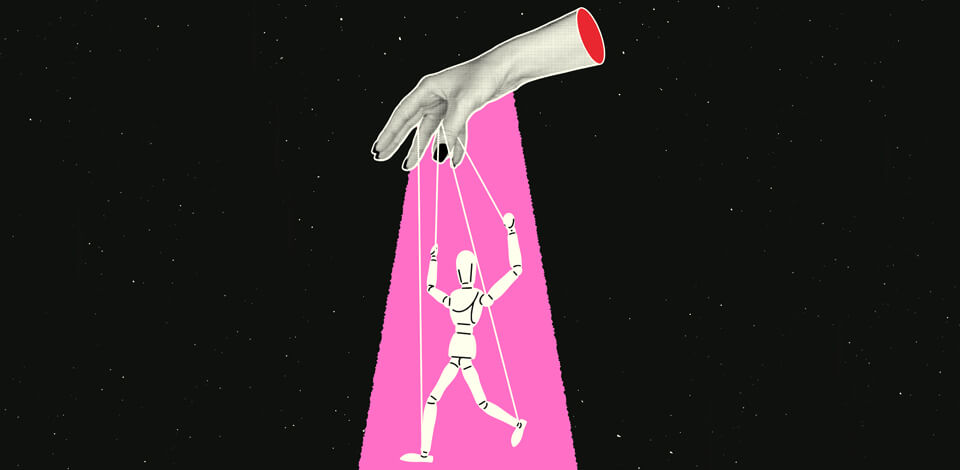
Today's world is full of media and information, making visual storytelling more important and powerful than ever. One of the strongest forms is conceptual illustration. Like photography in this style, it’s not just a nice image - it’s a purposeful image built on ideas. It turns complex themes, topics, and feelings into one strong, conceptual illustration.
What is conceptual illustration? How is it different from other art styles? And why do so many fields like books, tech, marketing, and news need it?
Simply put, images in conceptual style show ideas through artwork. It mixes creativity, symbolic meanings, and clear visuals to create images that make you understand and think.
Other common names include:
Regardless of what it's called, the goal remains identical: turn complex or abstract ideas into visuals that people immediately understand and relate to.
Imagine a drawing that shows an idea, sometimes simple, often with deeper meanings. These pictures might explore social problems, human emotions, or future possibilities. Their goal is to make you stop and think more deeply about the message.
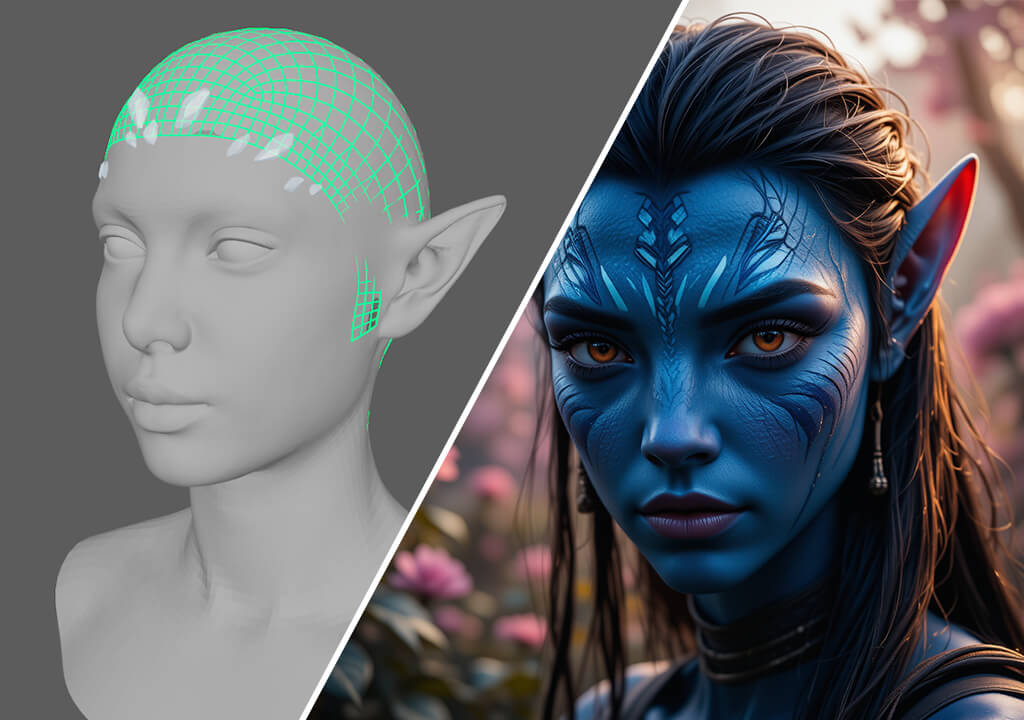
In art and design, conceptual drawing is the starting point for images that express big ideas. It’s not about perfect details or realism. The focus is on meaning and symbolism.
Conceptual art can be simple and symbolic, or packed with details. What matters most? The idea comes first, and the design follows - never the opposite.
This means conceptual illustrators act more like idea explainers (using images) than regular artists. Their job isn't just making pretty pictures, but to combine deep ideas, transforming them into one strong picture that tells a whole story.
According to Market Report Analytics, the global market for illustration design is growing quickly. It's worth about $5 billion in 2026 and is expected to reach $9.5 billion by 2033, thanks to a steady 7% yearly growth rate. This demand comes from digital marketing, online learning, entertainment, and publishing/news industries that all need eye-catching visuals.
People often use "concept art" and "illustration" like they mean the same thing, but they actually have very different jobs. Knowing how they differ is crucial when working with conceptual illustration.
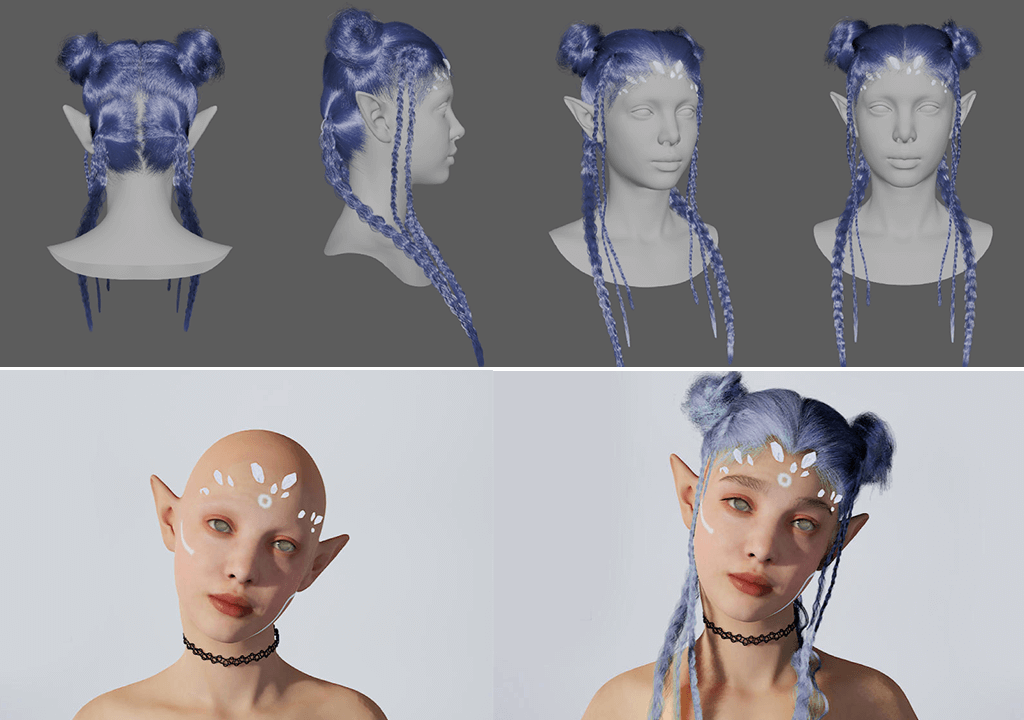
Concept art focuses on ideas. It's the first drawings (rough or refined) that show how a character, place, or object could look before it's finished. Think of it as early sketches. For example, artists might draw 10 superhero costumes or 5 spaceship designs to help teams or clients picture the idea before creating the final version.
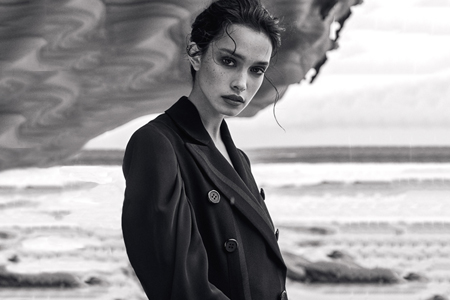
Conceptual photography is equally an art form that carries important meanings. It involves creating photos on purpose to express a specific idea, message, or theme.
Much like conceptual illustration, it’s not just about aesthetics – it’s about visual storytelling and metaphor. The image is often planned meticulously to convey abstract concepts such as emotion, philosophy, or social commentary.
Like conceptual illustration, it’s not only about good looks; it tells stories and uses symbols. Each photo is carefully planned to show big ideas like emotions, life’s meaning, or society’s problems.

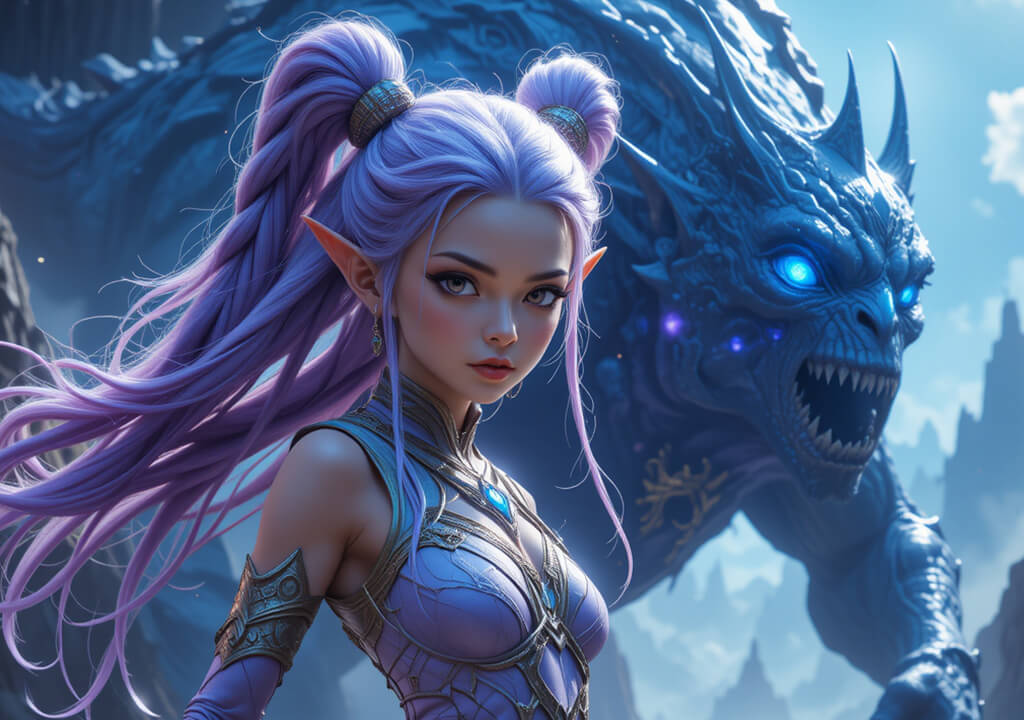
Illustration tells a story through a finished image. It combines characters, objects, and backgrounds into one complete picture. If concept art is the plan, illustration is the final result. For example, a battle scene between a hero and villain isn't just an idea; it’s a full story with meaning.
Here are the key differences between these two visual storytelling methods:
| Aspect | Concept Art | Concept Illustration |
|---|---|---|
|
Purpose
|
Visualizes rough ideas
|
Presents finished stories
|
|
Stage in Production
|
Pre-production or planning phase
|
Typically serves as the finished artwork
|
|
Detail Level
|
Often appears as early versions (sketches, drafts)
|
Full of detail and polished
|
|
Focus
|
Designing usable characters, objects, and places
|
Making viewers feel something and tell a clear story
|
|
Constraints
|
Must think about how it works in real life
|
Total creative freedom – can break real-world rules
|
|
Output
|
Various views (e.g., front, back, side) or design forms
|
One finished picture that tells a whole story or idea
|
|
Used By
|
Film, animation, video game developers, product designers
|
Publishers, advertising, editorial, comic books
|
|
Artistic Requirements
|
Solving visual problems with extreme flexibility
|
Creating beautiful images that tell clear stories
|
|
Examples
|
Character turnarounds, weapon or vehicle blueprints
|
Magazine covers, book illustrations, posters
|
|
Who Creates It
|
Concept artists
|
Illustrators
|
Making a great drawing or illustration that visually represents a concept doesn't mean just drawing randomly. It requires careful planning, deep topic knowledge, and knowing the potential viewers.
Here’s an algorithm many concept illustrators use to create their work:
Only truly skilled artists can make complex illustration ideas clear and creative, while combining different themes into one powerful image.
If you want to see a great conceptual illustration example, check these artists whose pictures show important ideas.

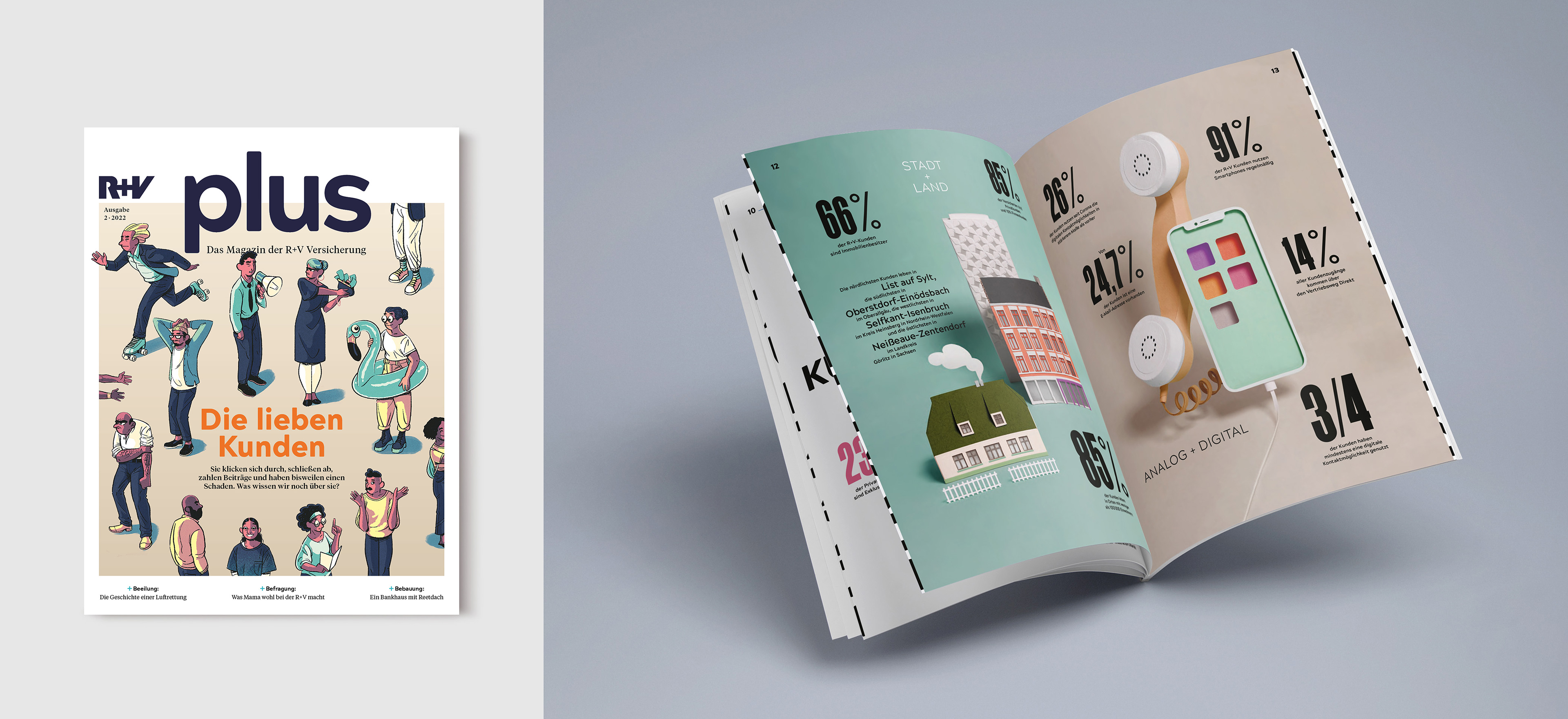
Sofia is famous for her vibrant colors and magazine-style art. She's created work for big names like Fast Company and Renault. Her illustrations mix cozy feelings with big ideas, making deep thoughts feel friendly and easy to connect with.

Davide creates artwork for top clients like The New York Times and GQ. His style, which involves modern and vintage elements, uses powerful symbols. When illustrating climate change or political issues, he turns complex news into striking, thoughtful images.
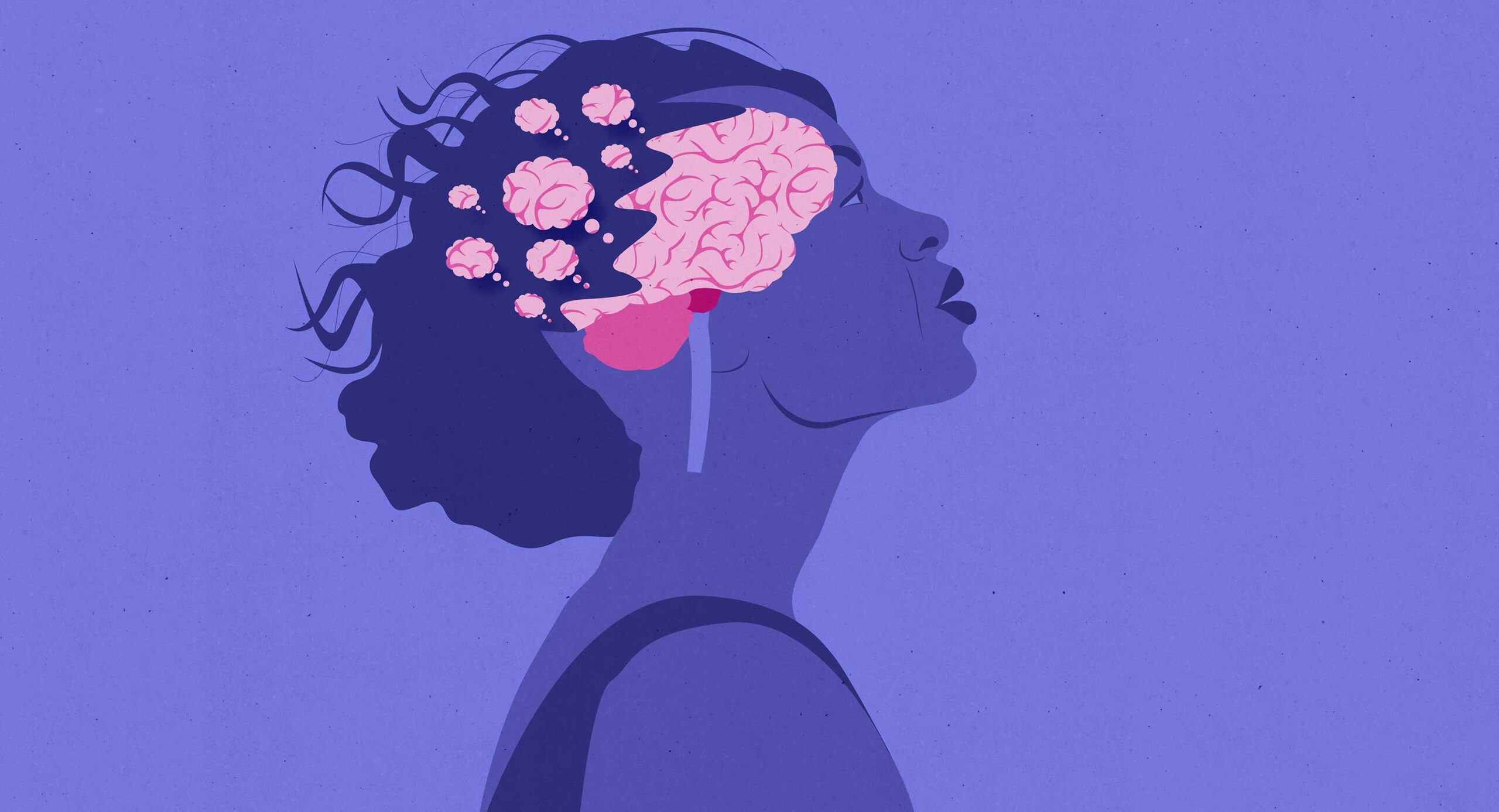
Kotryna is an expert at clever jokes and symbols. Her art explains tricky social issues through smart design. Top publishers like The Washington Post and Smithsonian use her work to make hard topics easier to understand and funny, too!

Malika's eye-catching style uses simple designs and strong colors, making her art popular with top publishers like The New Yorker and Penguin Books. Her work expresses deep ideas about feelings and society through clever use of shapes and empty space.

She's a deep-thinking artist near Brussels who mixes graffiti, words, and humor to question common ideas. Her bold black-and-white pictures carry hidden meanings.
| Industry/Area | Purpose | Example |
|---|---|---|
|
Editorial
|
To visually interpret and respond to current affairs and social concerns
|
Burnout shown as a melting candle
|
|
Advertising & Branding
|
To excite feelings and create brand identity
|
Showing a brand's main belief using a metaphor
|
|
Technology (SaaS)
|
To explain non-standard digital services or systems
|
Cloud storage shown as an overflowing filing cabinet
|
|
Publishing
|
To show the story’s main idea
|
A book about time travel using a shattered hourglass as its symbol
|
|
Healthcare & Education
|
To make tricky or technical topics easy to understand.
|
Mental health pictured as a messy maze slowly untangling
|
|
Finance & Business
|
To explain abstract financial data or trends in a simple way
|
Inflation shown as an overfilled balloon about to burst
|
Concept art comes in many styles and types of graphic design and approaches. Whether you're just starting out or you've been doing this for years, learning about the main types of creative pictures can help you get fresh ideas and make your art stronger.
Fireart Studio’s trend report says popular art styles are fun and grab your attention. Look for hand-drawn textures, pictures full of personality, and subtle animations in magazines, ads, and brand stories.





![Add People to Photos Online [FREE]](http://fixthephoto.com/blog/images/gallery/news_main__preview_27786.png)

![DnD Character Art Creator Online [FREE]](http://fixthephoto.com/blog/images/gallery/news_main__preview_25928.png)
![Remove Date Stamp from Photo Online [FREE]](http://fixthephoto.com/blog/images/gallery/news_main__preview_27825.png)