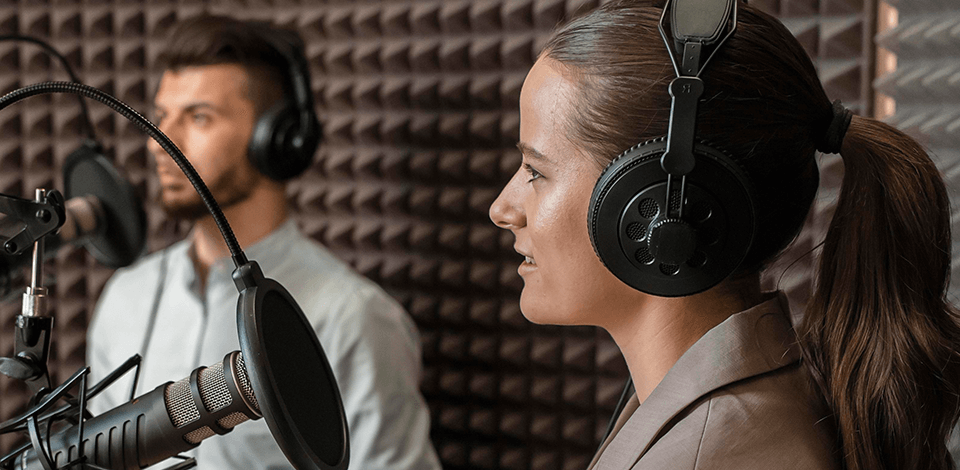
When I started to record projects at FixThePhoto, I did not focus on the quality of the headphones for podcasting at first. I would use any pair I was able to find and start recording audio or creating episodes. However, as I often had to spend hours editing interviews, I realized that regular headphones were hardly suitable for the task.
The mids sounded muffled, while bass levels were unimpressive, and I experienced discomfort when wearing these headphones for too long. This is when I realized that I needed to find the best podcast headset for my projects.
I wanted to discover all-in-one podcasting headphones to hear a clean sound when editing my audio. Besides, I was looking for options with decent noise isolation that were comfortable to wear during prolonged sessions. I asked my teammates to send their recommendations and analyzed users’ reviews to create a list of the best models.
As a result, I tested 30+ podcast headphones for editing, listening, and real-time monitoring.
Amazon: 50+ bought in the past month
Adorama: 800+ sold in the past year
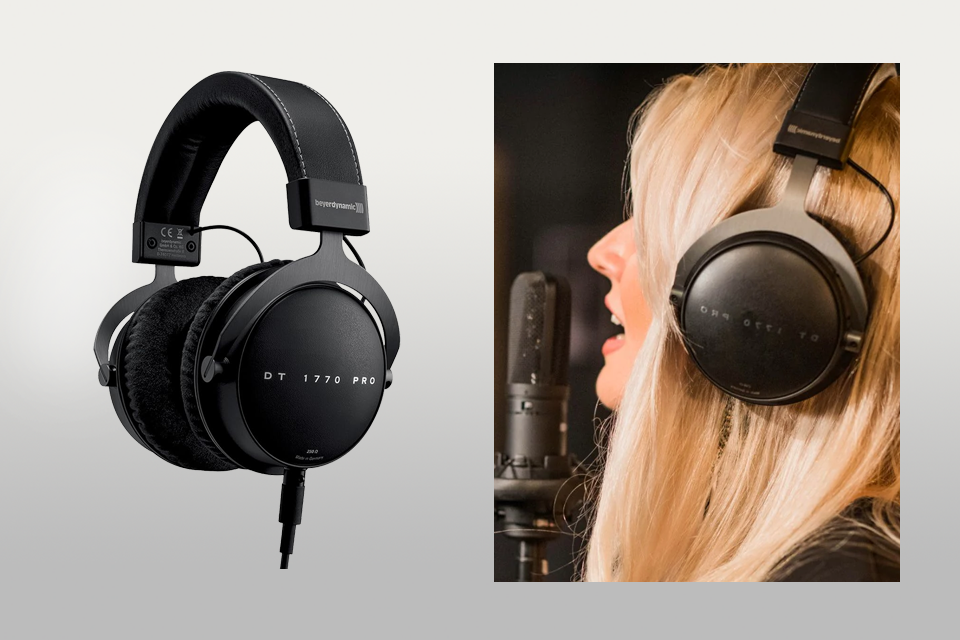
Type: Over-ear | Enclosure: Closed-back | Wireless: No | Transducer: Dynamic | Noise cancelling: No | Mic: No
My colleague Tetiana was the first to tell me about the Beyerdynamic DT 1770 PRO, calling them the best podcast headset. She was impressed by their sound quality and believed that this pair was perfect for podcasts.
When I started to use the DT 1770 PRO, I was pleased with the sound clarity. I enjoyed the high level of detail, as it allowed me to capture nuanced voice recordings. These headphones made it possible for me to hear even breath between words and barely noticeable background noise.
What makes this pair the best headset for podcasting is that it has impressive noise isolation. It allows me to use it to monitor audio when working in noisy spaces. I even noticed that they made it easier for me to edit interviews with overlapping dialogue because every voice was separated.
These headphones for ear health are fitted with memory foam ear pads. It makes them more comfortable to wear even after hours of editing.
Amazon: 50+ bought in the past month
B&H: 1.5K+ sold in the past year

Type: Over-ear | Enclosure: Closed-back | Wireless: Yes | Transducer: Dynamic | Noise cancelling: Yes | Mic: Yes
I wanted to test the Bose QuietComfort 35 II as I had heard a lot of positive things about these noise cancelling headphones under $200. I appreciated its lightweight build and comfortable plush ear cups. When editing my podcast for long hours, I was pleased that the headphones did not cause any discomfort.
These headphones for podcast creators have a bit warm sound profile. Due to this, voices sound nice without being exaggerated. When editing a storytelling podcast, I was pleased by the midrange, as it emphasized the voices and the background ambiance. The active noise cancellation is also quite impressive. It blocks everything effectively, ensuring no office is in the recording.
Nevertheless, their sound is not as accurate as the one reproduced by the DT 1770 PRO. If you want to create engaging content and are looking for a comfortable headphone for podcast creators with impressive noise cancellation and wireless connectivity support, the Bose QuietComfort 35 II is an excellent choice for regular use at home or other locations.
Amazon: 1K+ bought in the past month
B&H: 14K+ sold in the past year
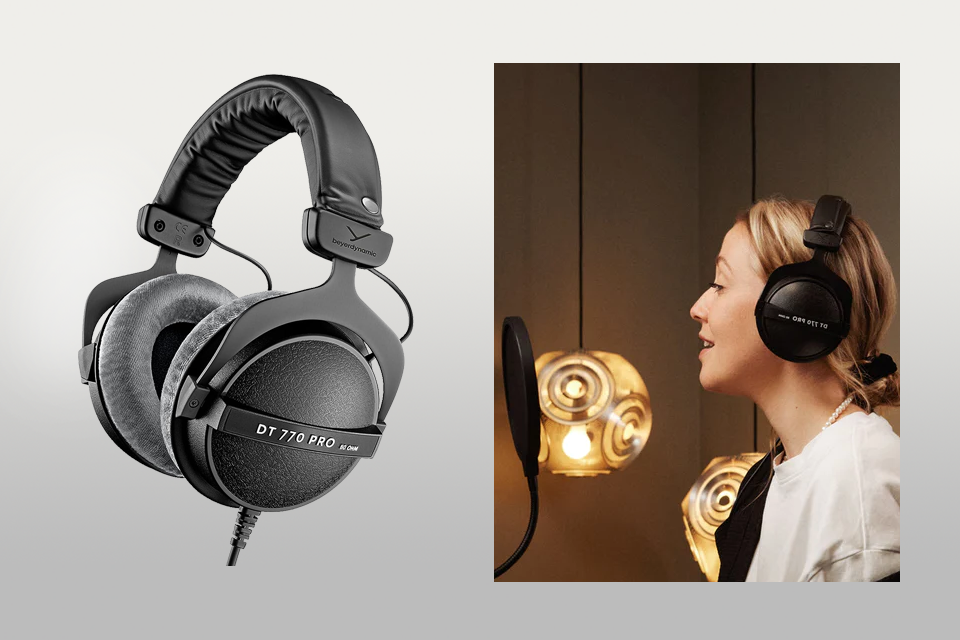
Type: Over-ear | Enclosure: Closed-back | Wireless: No | Transducer: Dynamic | Noise cancelling: No | Mic: No
Tetiana has been using the Beyerdynamic DT 770 PRO for a long time before replacing these headphones with the DT 1770 PRO. The first thing that impressed me was that it handled voices perfectly. They were clear, with a bit of adjusted bass response, which added some warmth without suppressing the mids and highs. Due to this, my voice recordings sounded natural, perfect for podcasting.
The closed-back design accounts for improved noise isolation. It makes these podcast headphones invaluable for monitoring audio in a busy coffee shop. This model is quite comfortable due to its velour ear pads. After using it for a few hours, it remained nice and soft. Tetiana also emphasized that it was challenging to find headphones that could be compared in terms of comfort.
If you are a podcaster and want to find a pro-level pair of headphones with impressive isolation and well-balanced sound, the beyerdynamic DT 770 PRO is an excellent headphones for music production to consider.
Amazon: 3K+ bought in the past month
B&H: 40K+ sold in the past year
Adorama: 36K+ sold in the past year
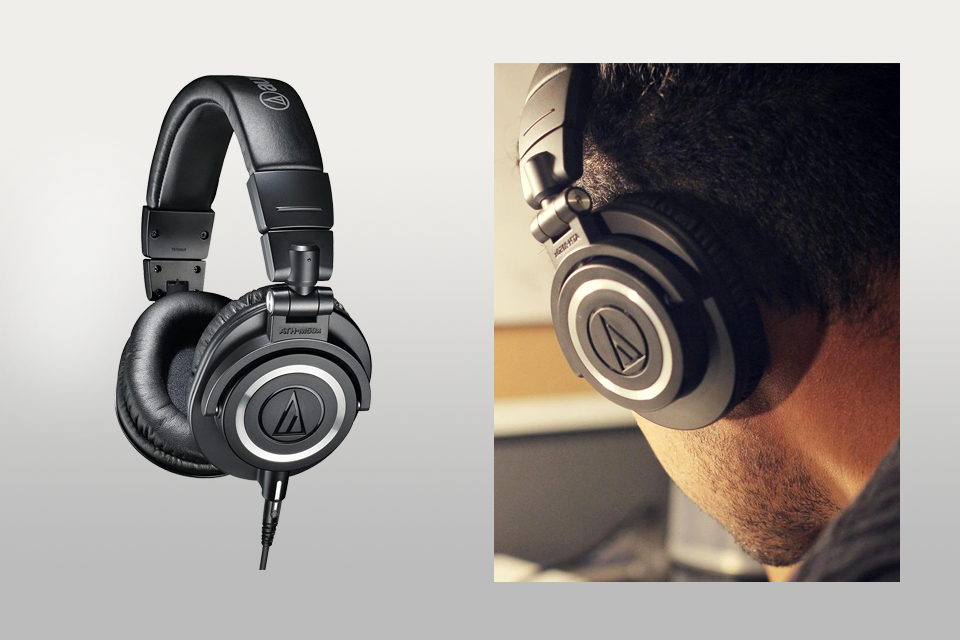
Type: Over-ear | Enclosure: Closed-back | Wireless: No | Transducer: Dynamic | Noise cancelling: No | Mic: No
The Audio-Technica ATH-M50x is preferred by many audio enthusiasts. I was impressed by the positive Amazon reviews and decided to give it a try. Even though this model is hardly suitable for those who are looking for the best podcast headphones under $100, it can easily beat many models sold in the same price bracket.
When I decided to check whether they suit my podcasting needs, I liked that this podcast headset produces clear sound. This model has a balanced profile. It emphasizes the low end to make voices sound richer without suppressing the mids and highs. This pair also doubles as headphones for video editing.
The ATH-M50x does not feel too tight, which makes it quite comfortable. While the ear pads are soft, they are not as nice to touch as the plush velour pads in the Beyerdynamic headphones. Thanks to the detachable cable, this pair is convenient to use. I was able to use a shorter cable when working on the go and switch to a longer one when working in the studio.
Whether you want to find a reliable option for editing podcasts at home or studio, the Audio-Technica ATH-M50x is a superb choice. This model deservedly remains popular among podcasters worldwide.
Amazon: 100+ bought in the past month
B&H: 2K+ sold in the past year
Adorama: 1.5K+ sold in the past year
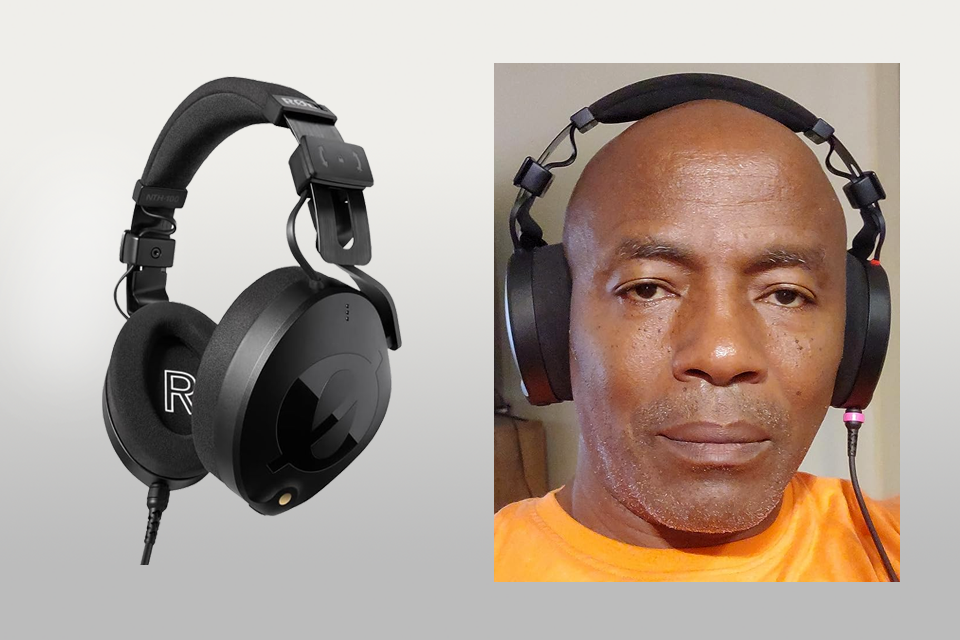
Type: Over-ear | Enclosure: Closed-back | Wireless: No | Transducer: Dynamic | Noise cancelling: No | Mic: No
The RØDE NTH-100 is recommended by Amazon as a pair of excellent headphones under 300 dollars, suitable for professional use. The first thing that impressed me about these headphones with mic for podcast creators is that they are fitted with cooling gel ear cushions. While I was editing my podcast for three hours, they did not get warm.
The NTH-100 has a neutral sound profile, making it best suited for podcasting. They reproduce rich nuances without adding coloring. When editing a podcast featuring multiple speakers, I was pleased to discover that each voice was easy to hear even when they overlapped. It made it easier to balance levels and adjust EQ settings.
Even though they don’t support active noise cancellation, the snug ear cups are perfect for passive isolation during indoor recording sessions. They do not weigh much, making them suitable for podcasters who are looking for reliable headphones.
If you enjoy recording podcasts and want to find stylish headphones that are comfortable to wear and support accurate sound reproduction, the RØDE NTH-100 is a superb choice. They might not be as popular as Beyerdynamic or Bose models, but they deserve their dedicated following.
Amazon: 6K+ bought in the past month
B&H: 90K+ sold in the past year
Adorama: 82K+ sold in the past year
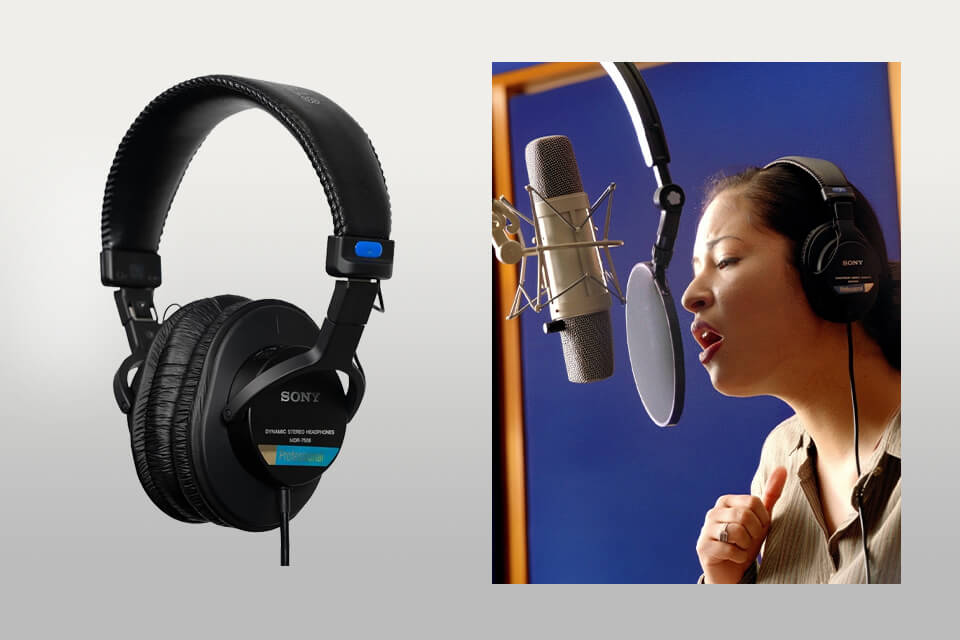
Type: Over-ear | Enclosure: Closed-back | Wireless: No | Transducer: Dynamic | Noise cancelling: No | Mic: No
The Sony MDR-7506 is a pair of handy headphones under 200 dollars that is often recommended on Reddit forums.
When I started to use them, I realized why so many people prefer to use this model instead of a regular podcast mic and headphones. They capture clear voices and have a neutral sound profile that doesn’t add any excessive coloration. This feature was handy when I needed to adjust EQ settings when working on a podcast episode with multiple guests.
The key advantage of the MDR-7506 is that it emphasizes imperfections in recordings. When editing the audio, I was able to hear clicks and pops, as they weren’t glossed over. In terms of comfort, they are quite convenient to use. The ear pads are quite soft but warm up after long sessions. Besides, they are a bit too tight to my liking.
If you are a podcaster who wants to find reliable headphones with high-accuracy sound reproduction, the Sony MDR-7506 is a great option to consider. This budget pair is made of durable materials and allows creatives to capture great recordings that are easy to edit.
Amazon: 1K+ bought in the past month
B&H: 9K+ sold in the past year
Adorama: 8K+ sold in the past year
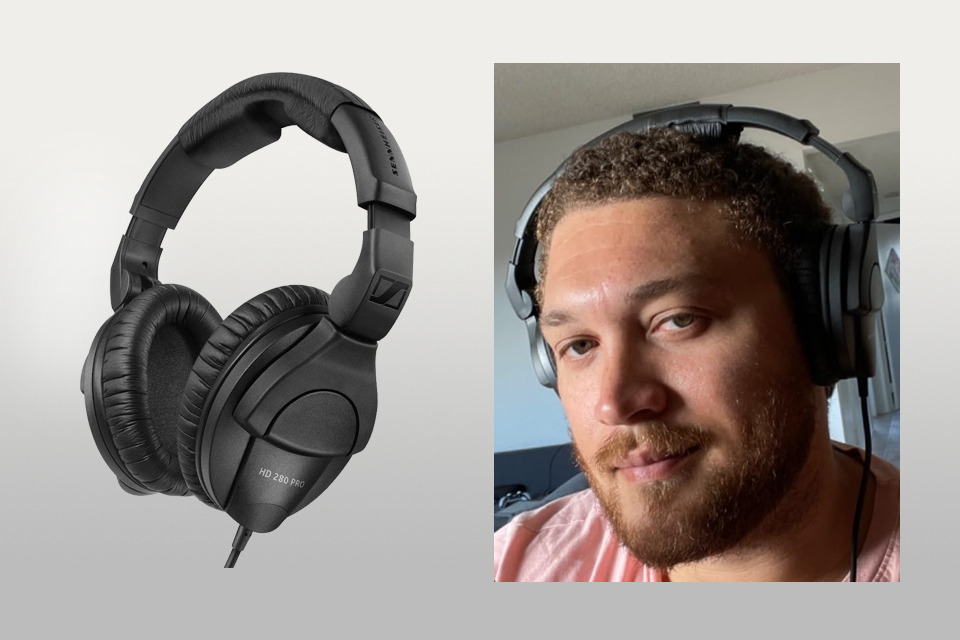
Type: Over-ear | Enclosure: Closed-back | Wireless: No | Transducer: Dynamic | Noise cancelling: No | Mic: No
Tetiana told me that she used this podcasting headset as a backup for many years when working on remote podcasts and travel gigs. These headphones have a foldable design, which allows me to take them with me anywhere.
After I started to use these headphones, I discovered that they had impressive noise isolation. Even though they do not support active noise cancellation like the Bose QuietComfort 35 II, they have a comfortable, closed-back design, which stops ambient noise.
In terms of sound, the HD 280 Pro has a flat, neutral profile, making it perfect for those who need to edit podcasts. This model does not exaggerate the lows or highs, so I was able to hear the sound as it was recorded. This neutrality was useful when I was adjusting EQ settings for a guest’s recording captured in a noisy room.
When I tested whether these headphones were comfortable, I had mixed feelings. The ear cups fit perfectly and create an immersive effect. However, after a few hours of wearing them, I experienced some pressure around my ears. It wasn’t too distracting, but I believe this model is more suitable for those who are looking for a gaming headset for small heads.
Amazon: 3K+ bought in the past month
B&H: 50K+ sold in the past year
Adorama: 42K+ sold in the past year
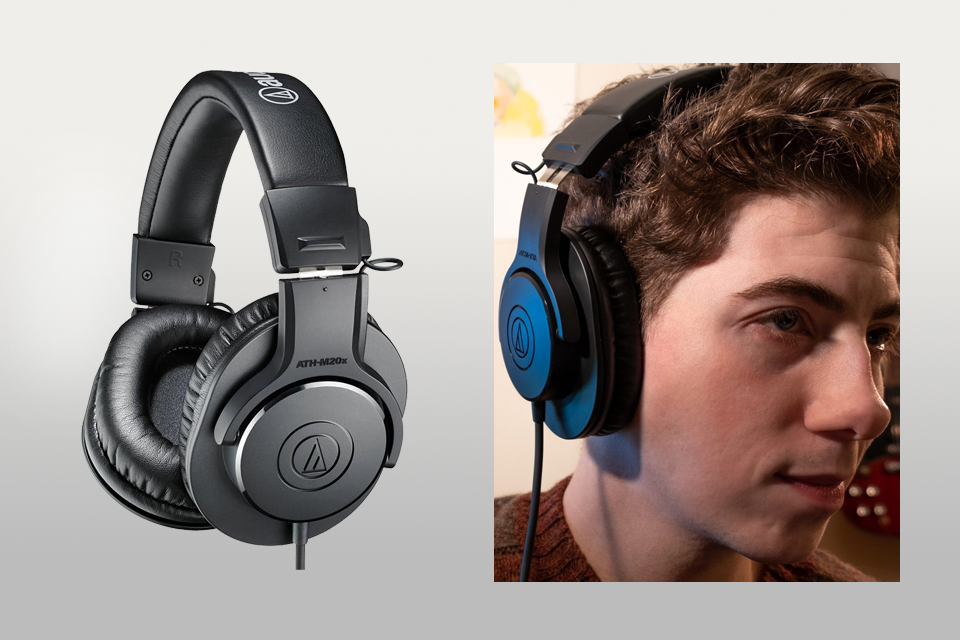
Type: Over-ear | Enclosure: Closed-back | Wireless: No | Transducer: Dynamic | Noise cancelling: No | Mic: No
When reading forums for podcasters, I kept noticing that many people recommended the Audio-Technica ATH-M20x for novices and content creators who are on a budget. When I started to wear these headphones under 50 dollars, I was impressed by their comfortable fit. The ear cups did not cause any discomfort during editing sessions that lasted for a couple of hours.
However, during long sessions, I was less satisfied as I experienced some pressure around my ears. This model is better suited for casual use or recording short podcasts.
The ATH-M20x stands out for sound clarity and has great value for the money. This microphone headset for podcasting makes it easy for me to hear vocal details, including breaths and pauses, and remove them to make the output file cleaner.
Another selling point of the ATH-M20x is its noise isolation capabilities. Even though they don’t deliver comparable performance to the Sennheiser HD 280 Pro, they have a closed-back design, making them quite focused. I used them in a public location with a moderate level of noise. It allowed me to focus on editing without experiencing distractions.
Amazon: 10K+ bought in the past month
B&H: 100K+ sold in the past year
Adorama: 86K+ sold in the past year
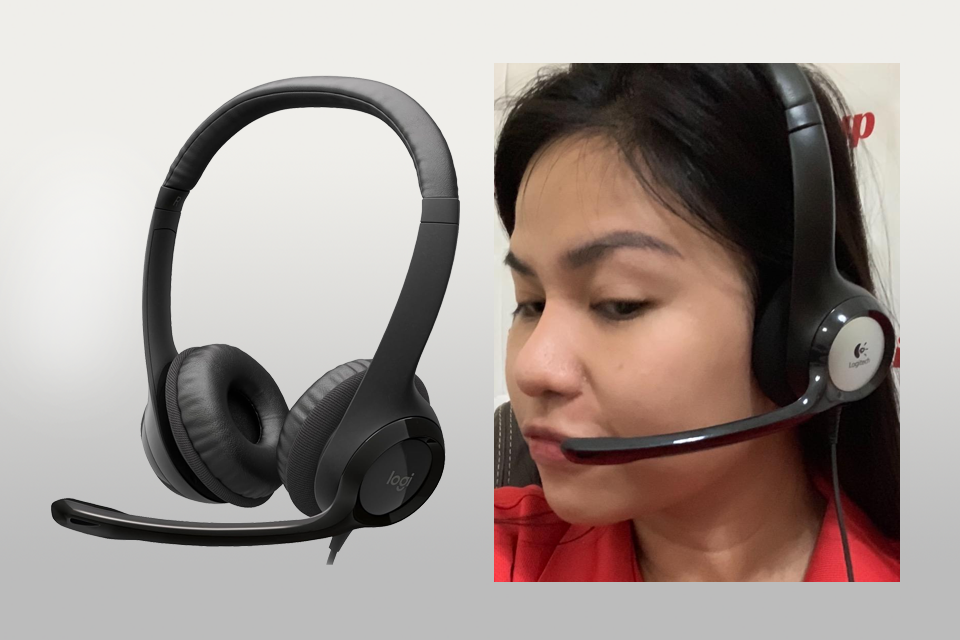
Type: On-ear | Enclosure: Closed-back | Wireless: No | Transducer: Dynamic | Noise cancelling: No | Mic: Yes
I decided to test the Logitech H390, as it is an affordable model for podcasters often recommended on Amazon. I was pleased that it is extremely lightweight. This pair of podcast headphones with mic comes with an adjustable headband and padded ear cups, perfect for two-hour editing sessions. Nonetheless, the synthetic ear pads become a bit warm when you use this pair for long hours.
The mic has decent noise-canceling capabilities. It isolated my voice from background noise when I used it for recording a solo podcast. Even though this model is hardly suitable for studio use, it’s perfect for casual podcasting and recording virtual interviews.
During a Zoom guest recording, I was pleased with the clarity of my voice even when I was speaking softly. Nevertheless, the mic sometimes picks up popping sounds on plosive-heavy words, so it’s better to use it with a pop filter or change positioning.
Audio quality was quite decent, with a noticeable focus on mid-range tones, making this model suitable for editing tasks. These headphones under 20 dollars can’t be compared to high-end models like Sennheiser HD 280 Pro in terms of their performance, but they are still suitable for maintaining focus.
What to look for:
What to avoid:
When looking for the best podcast headphones, I decided to embrace a thorough approach and analyze each pair to see whether it’s suitable for our needs. First, I selected the models that were designed specifically for podcasting and often recommended online, including on forums and such platforms as Amazon. I also included the headphones used by my colleagues at FixThePhoto team.
After testing out 30 models, I was able to better understand their key selling points and weaknesses, which allowed me to decide whether they were suitable for podcasting. On my list, you will see such models as Audio Technica ATH-M30x, Shure SRH40a, Sennheiser HD25, AKG K240 MK II, Sennheiser HD 400S, Sennheiser HD 660S, Shure SRH 1540, AKG K240 Studio, JBL Tune 500BT, etc.
Each of these pairs of headphones has its unique advantages. However, they did not deliver exceptional performance when it came to the accuracy of audio reproduction. Some of them were less comfortable to use during long sessions, while others had subpar build quality.
To ensure that my assessments are fair, I tested the podcast headphones in various situations to estimate their suitability for podcasting. When recording sound, I checked whether they were able to isolate my voice, minimize ambient noise, and support decent real-time monitoring clarity.
As I wanted to get recordings that were easy to mix, I used the headphones to perform fine-tuning while focusing on vocals, background noise, and the simplicity of balancing audio levels. I analyzed collaborators’ feedback to assess mic quality and clarity when making calls and recording podcasts.
Thorough testing helped me check whether these headphones supported pro-level noise isolation and sound clarity. I also focused on their build quality and checked whether they were comfortable to wear.
Noise isolation is a crucial factor to consider for those who often work in noisy rooms. I also checked sound clarity to see whether my recordings represented sound accurately without added coloration.
To test whether the headphones were comfortable, I used them during long sessions. It helped me choose the models that did not cause any discomfort. In addition, I focused on build quality to analyze whether hinges, cables, and the materials the headphones are made of are really durable.
Besides finding a decent pair of podcast headsets, make sure to learn about other useful podcast equipment that can help you build a powerful setup. If you are a novice, there is no need to buy high-end gear. You can create a decent setup for your home-based podcast studio with ease.
It’s essential to choose a good microphone for podcasting. For beginners, I recommend the following options:
Audio interface. If you are interested in XLR mics, take a closer look at the Focusrite Scarlett Solo. This pair of headphones for podcasting is portable, suitable for beginners, and delivers excellent audio. I have been using it for years, and it still remains an important part of my setup.
Accessories are also necessary to improve the quality of your podcasts. Consider the following options:
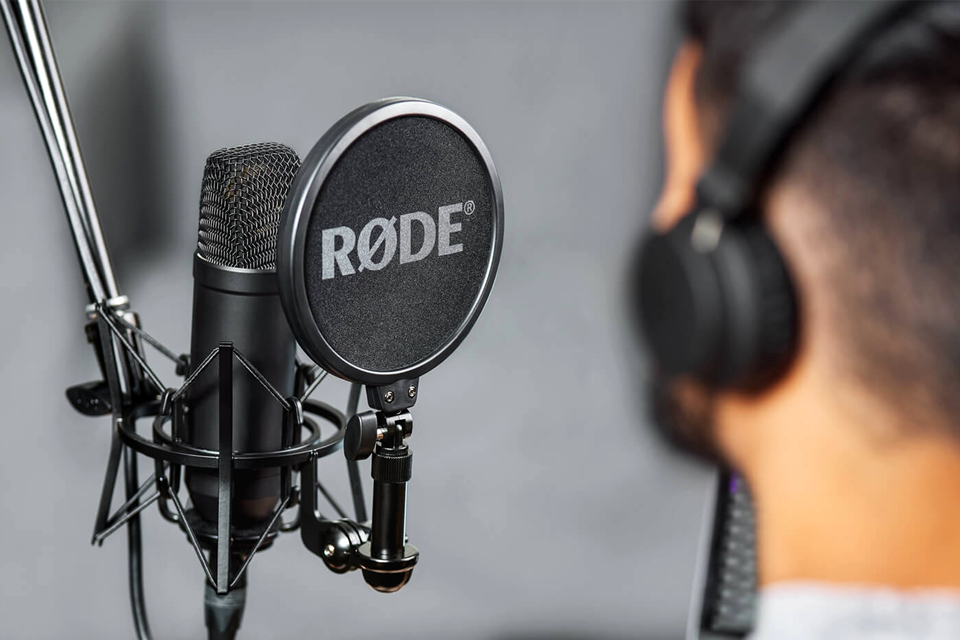
Ready-to-go kit. If you are looking for an all-in-one starter solution, consider buying the Rode NT-USB Podcasting Kit. It allows you to become an owner of USB headphones podcast mic, pop filter, and desktop stand. These pieces of equipment will help you get started with little to no effort.
Software. After purchasing the right gear, make sure to choose decent podcast recording software. If you don’t have any prior experience, Audacity is a great choice, as it has a well-thought-out interface. It’s suitable for recording audio, editing it, and applying effects.
If you are looking for more advanced software, Adobe Audition has more advanced post-production tools. It allows users to reduce noise and perform multi-track editing.
Pro tip: There is no need to build an expensive studio. I’ve converted a small corner into an excellent home podcast studio with the help of acoustic foam panels and a heavy curtain, which allowed me to minimize sound reflections.
Make sure to build your setup in a room without any noisy appliances and use a soft rug or carpet to improve sound absorption. In some situations, you may even record a podcast in a closet, as clothes reduce unwanted noise.